When a Pipe Bursts in Bedford Hills, We're Already Moving
Water damage in a 100-year-old home off Harris Road or a finished basement in Bedford Mews doesn’t wait for business hours. We respond 24/7 with full-service water damage restoration built specifically for the homes that define Bedford Hills older construction, original millwork, and the freeze-thaw cycles that hit this area every winter.
I needed a professional consultation explanation of procedure for safe removal of Asbestos in my apartment complex. Without having an account yet, I was very impressed with the caring, knowledgeable and generous advice offered by Jessica, and will look forward to doing business in the future. Thank you so much! I feel much more informed about a sometimes scary endeavor. Peace. Nancy Silva Mineola, NY.
Mia Munoz
Used this company to clean up some water flood in my house. They were fast and easy to work with.very professional, Would recommend to anyone!
Nini Valle
Great company, had a flood and they responded quickly and efficiently. Billed my insurance company directly. I highly recommend this company!
joe colapietro, jr
I had pipe freeze in my basement right before a snow storm and they made to within an hour to help start the clean up process. They we by our side throughout the entire process and even helped with the insurance company. They did such a great job with the cleanup, repair, remidiation, I contracted them to perform the repairs and finishes in the basement. They came with enough manpower and material to get the job done. Leo and Jessica were nothing but a pleasure to deal with!!
Cristian Arredondo c
I had some water damage in my home and Green Island was able to take care of my issue quickly and effectively. I am very pleased with the work they did. They responded quickly and were very professional.
Michael M
Outstanding service! From the office to the field crew everyone was friendly, helpful and responsive. I highly recommend Green Island Group.
Water Damage Restoration Services near Bedford Hills
Your Bedford Hills Home Restored Not Just Dried Out
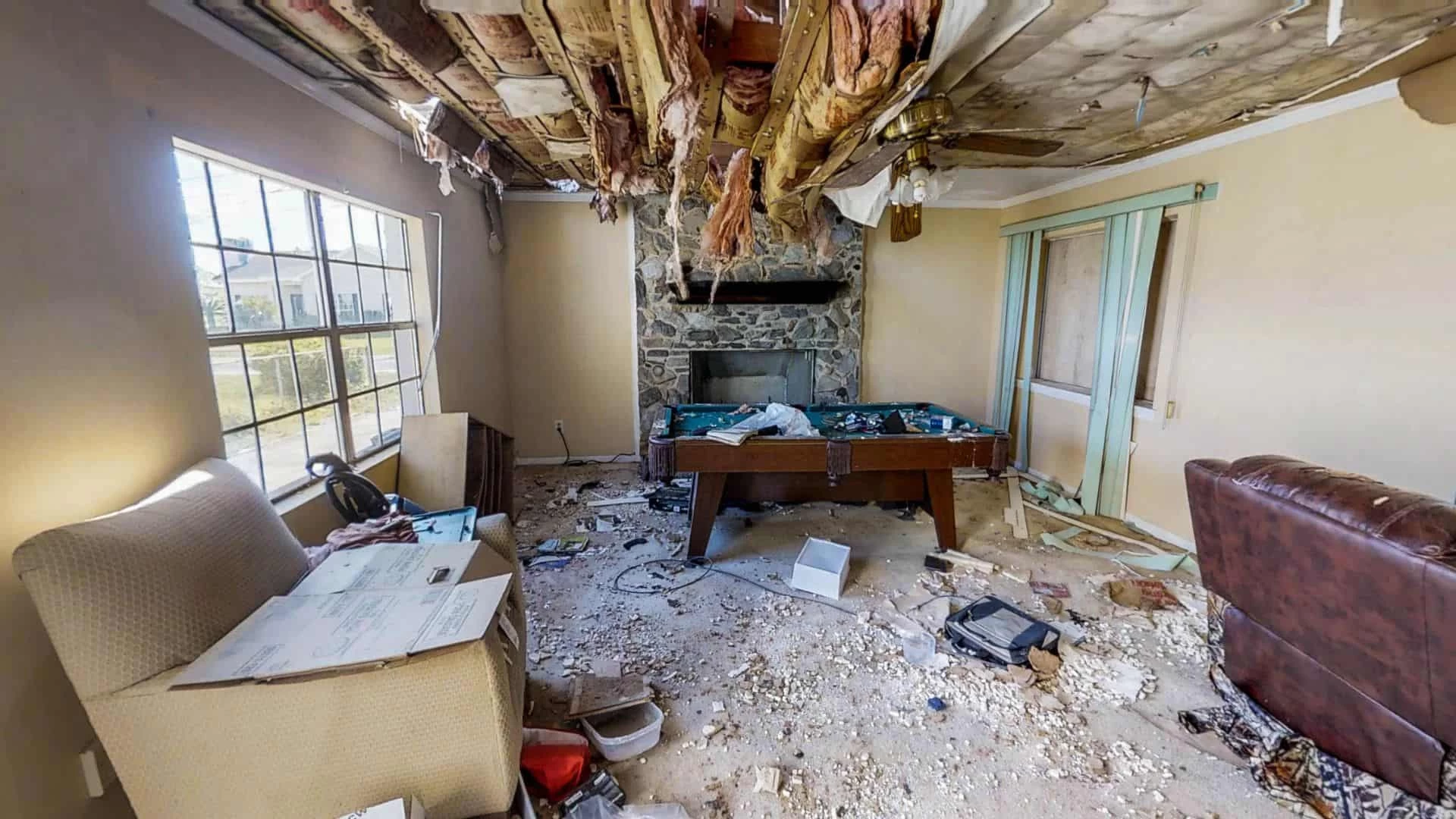
Water damage in Bedford Hills isn’t just a wet floor. In a community where a significant portion of the housing stock predates World War II, a burst pipe or basement flood can mean saturated plaster walls, warped hardwood floors, compromised structural framing, and in older homes, disturbed materials that require more than a dehumidifier to address safely. The difference between a job done right and one done fast is what you live with for the next decade.
When the water is gone and our equipment is packed up, you should be able to walk back into your home and not think about it again. That means dry walls confirmed by moisture meters, not just dry to the touch. It means mold assessment completed before the drywall goes back up. It means your home is returned to the condition it was in before any of this happened structurally, cosmetically, and safely.
Bedford Hills sits at the northern end of the Saw Mill River Parkway corridor, and the freeze-thaw cycle here hits older homes hard every single winter. Pipe insulation fails. Foundation drainage systems designed for a different era get overwhelmed. Spring thaw saturates the ground and pushes water into basements along the lower-lying streets near the station. These aren’t hypothetical risks they’re what’s actually happening in Bedford Hills, in these homes, every year. The restoration process needs to account for all of it, not just the visible water.
Water Damage Restoration Company near Bedford Hills, NY
12 Years Working in Bedford Hills Homes That Have to Hold Up
We’ve been doing environmental restoration work in northern Westchester for over 12 years, with deep roots in the Bedford Hills area. That means we’ve worked in the kinds of homes that define this hamlet: older construction, finished basements, original millwork, and building materials that require a contractor who knows what they’re looking at before they start tearing things apart.
We carry full liability insurance and workers’ compensation coverage, hold NYS and NYC M/WBE Certified Contractor status, and follow IICRC-standard restoration protocols the same standard insurance companies expect when they’re reviewing a claim. We also work directly with the NYS Office of General Services, which manages state facilities in this region including those right here in Bedford Hills. That’s the kind of institutional track record that doesn’t come from a franchise.
Our 100% satisfaction guarantee isn’t a marketing line. It’s the standard we hold ourselves to because in a community like Bedford Hills where neighbors talk and homes represent serious long-term investments the work either holds up or it doesn’t.
Emergency Water Restoration Process near Bedford Hills
What Actually Happens From Your First Call to Finished Job
When you call, someone picks up any hour, any day. The first step is getting to your property quickly and assessing the full scope of what happened. That means more than looking at the obvious water. It means checking moisture levels inside walls, under flooring, and in adjacent spaces that water travels to but doesn’t announce itself. In Bedford Hills homes built before 1978, that initial assessment also includes identifying any materials that may contain asbestos pipe insulation, floor tiles, plaster, boiler wrap because disturbing those without proper handling creates a second problem on top of the first.
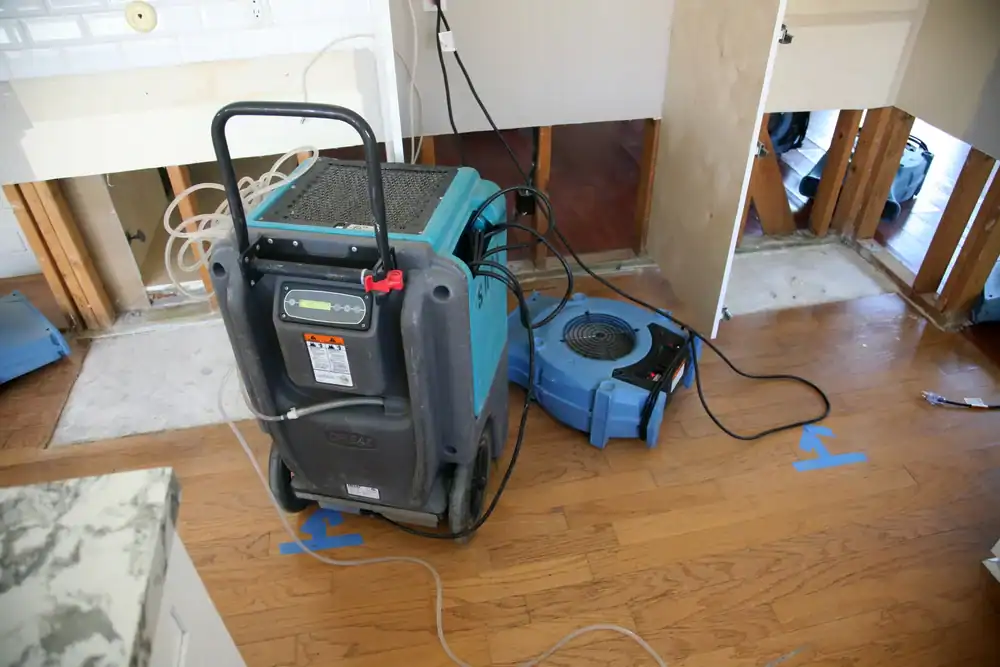
Once the scope is clear, water extraction begins. Industrial-grade equipment pulls standing water fast, and then the drying process starts not just surface drying, but structural drying that addresses moisture inside wall cavities and subfloor systems. This phase takes time and can’t be rushed. Cutting corners here is exactly what leads to mold showing up behind a wall three weeks after a contractor told you everything was fine.
After drying is confirmed, the restoration phase begins replacing what was damaged, returning finishes to pre-loss condition, and making sure the work meets the Town of Bedford’s building and flood damage prevention codes before the job is closed. If your insurance carrier is involved, the documentation and billing go through us directly, so you’re not caught in the middle managing paperwork during an already stressful situation.
Full-Service Water Damage Restoration near Bedford Hills
One Contractor, Every Phase, No Handoffs
Most water damage contractors stop at dry-out. They extract the water, run the equipment, and leave you with a stripped-down space and a list of other people to call. We handle the full scope water extraction, structural drying, mold assessment and remediation, asbestos abatement where required, and complete reconstruction back to finished condition. For a homeowner in Bedford Hills who has invested $600,000 or more in a property, “structurally dry but not finished” isn’t a completed job.
The asbestos abatement capability matters here in a way it doesn’t in newer communities. Bedford Hills has a housing inventory that spans from the early 1900s through the mid-20th century, concentrated especially in the neighborhoods near the train station where the hamlet first developed. Under New York State Industrial Code Rule 56, any restoration work that disturbs asbestos-containing materials requires a licensed abatement contractor. We hold that capability in-house, which means no subcontracting that delays your timeline and no gaps in accountability.
Financing is available up to $200,000 at 0% APR. In a hamlet where the median household income sits around $94,000 and restoration costs on older homes can run well into five figures, that option matters. You can authorize the full scope of work immediately protecting your home from further damage without having to decide how much remediation you can afford right now. No other water damage restoration provider currently serving Bedford Hills offers anything comparable.
How quickly can you respond to a water emergency in Bedford Hills, NY?
We operate 24/7, which means if a pipe bursts at midnight in your home near the Bedford Hills station or a basement floods during a spring storm on Babbitt Road, you’re not waiting until morning. Response time matters because mold colonization can begin within 24 to 48 hours of a water event and in older homes with plaster walls and wood subfloors, moisture travels fast and hides well.
When our team arrives, the priority is stopping any active water source, assessing the full extent of moisture spread, and beginning extraction immediately. The goal isn’t just to respond fast it’s to respond fast enough that the scope of the job doesn’t double because water was sitting in your walls for an extra six hours.
Does homeowner's insurance typically cover water damage restoration in Westchester County?
Most standard homeowner’s insurance policies cover sudden and accidental water damage a burst pipe, an appliance failure, a roof leak from a storm. What they typically don’t cover is flooding from an external water source, like groundwater pushing into a basement during a heavy rain event. That distinction matters in Bedford Hills, where both scenarios are common: frozen pipes in winter and basement flooding from stormwater runoff in spring.
We work directly with insurance carriers, handling documentation, scope communication, and billing on your behalf. You’re not managing a claims process while also managing a water emergency in your home. If there are coverage gaps, we’ll walk you through what’s covered, what isn’t, and what your options are including the 0% APR financing that covers the difference if needed.
My Bedford Hills home was built before 1978 does water damage restoration involve asbestos concerns?
It can, and it’s a question worth asking before anyone starts opening up walls. Homes built before 1978 in Bedford Hills particularly those near the original railroad station neighborhoods commonly contain asbestos in pipe insulation, floor tiles, plaster, boiler wrap, and ceiling materials. When a water damage event damages or saturates these materials, they can become friable, meaning fibers can become airborne if disturbed during demolition or drying work.
Under New York State Industrial Code Rule 56, any work that disturbs asbestos-containing materials requires a licensed abatement contractor. We hold asbestos abatement capabilities in-house, so if the initial assessment identifies a concern, it gets handled as part of the same restoration engagement not handed off to a separate contractor with a separate timeline. For pre-1978 homes in Bedford Hills, that’s not an edge case. It’s a real and common part of the restoration process.
How do I know if there's mold after a water damage event in my home?
The honest answer is that you often can’t tell by looking. Mold grows inside wall cavities, under flooring, and behind baseboards not just on visible surfaces. A restoration job that only addresses what’s visible leaves you with a home that looks fine but may have active mold growth developing out of sight. In Bedford Hills’ older homes, where wall systems are more complex and moisture can travel through plaster and lathe in ways it can’t through modern drywall, this is a genuine risk.
We include mold assessment as part of the restoration process, not as an add-on. Moisture readings are taken throughout the affected area, and if mold is present or conditions are favorable for growth, remediation happens before reconstruction closes everything back up. The goal is that when the job is done, you’re not calling someone back in three months because something smells off in your basement.
What does full water damage restoration actually cost in Bedford Hills?
The range is wide because the variables are wide. A contained appliance leak caught early in a newer section of the home might run several thousand dollars. A basement flood in a pre-war Colonial with finished walls, hardwood floors, and older mechanicals combined with mold remediation and any asbestos concerns can run $20,000 to $50,000 or more once full reconstruction is factored in. The age and complexity of Bedford Hills’ housing stock means costs here tend to run higher than in communities with newer construction.
That’s exactly why the financing option exists. We offer up to $200,000 at 0% APR, which means the scope of work doesn’t have to be limited by what you have liquid right now. You authorize the full job, protect your property from compounding damage, and pay over time without interest. No other restoration provider currently serving the Bedford Hills area offers a financing program of any kind.
Can water damage restoration disrupt my family while the work is being done?
It depends on the scope, but transparency upfront makes it manageable. For contained events a single room, a crawl space, a section of basement most families can stay in the home during the drying phase, though industrial drying equipment is loud and runs continuously. For larger events involving multiple rooms, HVAC systems, or asbestos abatement work, temporary relocation may be the more practical option, and we’ll tell you that clearly at the assessment stage rather than surprising you mid-job.
In Bedford Hills, where many households include children the hamlet has one of the higher rates of family households with kids under 18 in northern Westchester the health considerations during restoration matter. Asbestos abatement work, in particular, requires containment protocols that make occupied spaces nearby a concern. We’ll walk you through what the realistic day-to-day looks like for your specific situation before work begins, so you can plan accordingly.