When water gets into your home, every hour counts. We respond 24/7 to water damage emergencies across Beekman, NY handling everything from extraction to full reconstruction so you’re not left managing three different contractors.
I needed a professional consultation explanation of procedure for safe removal of Asbestos in my apartment complex. Without having an account yet, I was very impressed with the caring, knowledgeable and generous advice offered by Jessica, and will look forward to doing business in the future. Thank you so much! I feel much more informed about a sometimes scary endeavor. Peace. Nancy Silva Mineola, NY.
Mia Munoz
Used this company to clean up some water flood in my house. They were fast and easy to work with.very professional, Would recommend to anyone!
Nini Valle
Great company, had a flood and they responded quickly and efficiently. Billed my insurance company directly. I highly recommend this company!
joe colapietro, jr
I had pipe freeze in my basement right before a snow storm and they made to within an hour to help start the clean up process. They we by our side throughout the entire process and even helped with the insurance company. They did such a great job with the cleanup, repair, remidiation, I contracted them to perform the repairs and finishes in the basement. They came with enough manpower and material to get the job done. Leo and Jessica were nothing but a pleasure to deal with!!
Cristian Arredondo c
I had some water damage in my home and Green Island was able to take care of my issue quickly and effectively. I am very pleased with the work they did. They responded quickly and were very professional.
Michael M
Outstanding service! From the office to the field crew everyone was friendly, helpful and responsive. I highly recommend Green Island Group.
Your Beekman Home Back to Normal, Without the Runaround
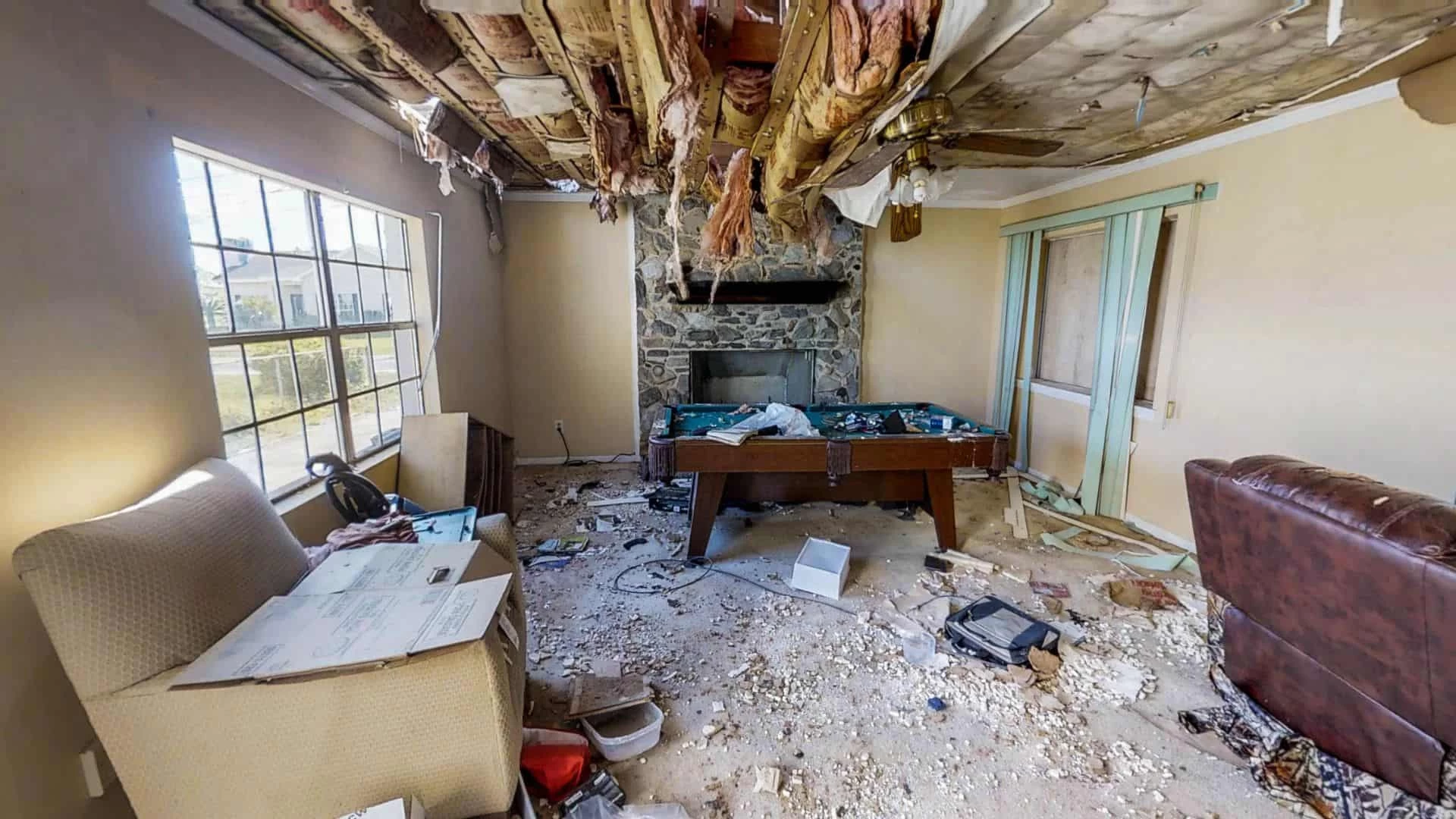
Water damage rarely announces itself at a convenient time. It’s the basement you walk into on a Thursday night after a week of work, soaked from a pipe that let go Monday morning while you were on the Taconic. By the time you find it, the damage has had days to settle in and in a Beekman home with older framing and drywall, that window is exactly when mold begins to take hold.
That’s the reality for a lot of Beekman homeowners, especially those in the 1970s–1990s construction that makes up a significant portion of the town’s housing stock. These homes weren’t built with modern moisture barriers, and their plumbing systems are aging. When something goes wrong a burst pipe in an uninsulated crawl space during a January cold snap, a sump pump that couldn’t keep up with spring melt runoff from Clove Creek the damage compounds fast.
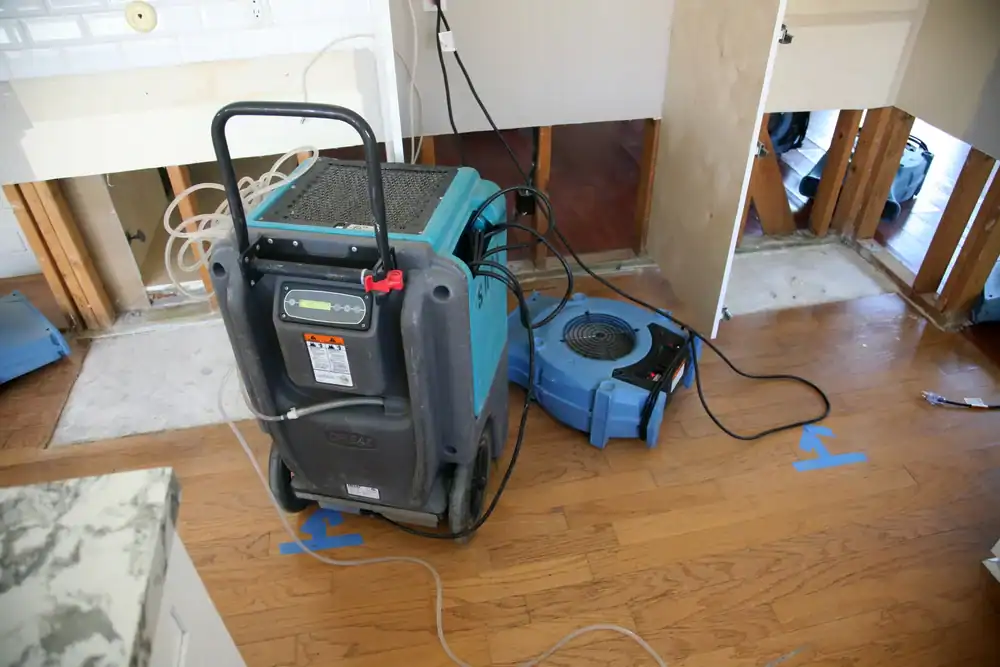
What you get when you call us isn’t just someone with a wet vac. You get a full-scope response: water extraction, structural drying, mold assessment, and reconstruction handled by one team under one roof. No handoffs, no gaps, no waiting on a second contractor to show up before the first phase can finish. When the job is done, your Beekman home is restored not just dried out.
12 Years Serving Beekman and the Hudson Valley We Still Answer at 2 AM
We’ve been doing environmental restoration work in the Hudson Valley for over 12 years, with deep roots in Beekman and across Dutchess County. We’re NYS and NYC M/WBE Certified, fully insured for both liability and workers’ compensation, and we work directly with insurance carriers so you’re not stuck in the middle trying to translate between your adjuster and your contractor.
We know what Beekman homes actually look like older farmhouses in Beekmanville, finished basements in Dalton Farm, townhomes in Chelsea Cove that are pushing 35 years old. We also hold asbestos abatement licensing, which matters more than most homeowners realize until they’re mid-project in a pre-1980 home and suddenly need a separate specialist.
We’re also approved to work with the NYS Office of General Services and other state agencies which means we’ve been vetted at a level most restoration companies never reach. That accountability doesn’t stop at government contracts. It’s how we operate on every job in Beekman.
From Your First Call to a Finished Room Here's What Happens
When you call, we’re not putting you on a callback list. We dispatch immediately, around the clock, because in water damage situations the difference between calling at 11 PM and waiting until morning can mean the difference between drying out drywall and replacing it entirely.
Once we’re on-site, the first step is assessment understanding the source, the scope, and what’s been affected. In Beekman, that often means checking more than the obvious. Homes along lower-lying areas near Clove Creek or in wooded sections of Clove Valley and Stormville can have groundwater intrusion that isn’t immediately visible. We use moisture mapping to find what the eye misses. Then extraction begins, followed by industrial drying equipment staged throughout the affected areas.
After drying is complete, we assess for mold. In Dutchess County’s humid summer climate and in homes with older building materials, mold can establish itself within 48 hours of a water event so this step isn’t optional, it’s standard. If reconstruction is needed, we handle it. If the job involves a pre-1980 Beekman home where demolition could disturb asbestos-containing materials, our licensed abatement team manages that in-house before any reconstruction begins. The Beekman Building Department’s own guidance makes clear that private property flooding is the homeowner’s responsibility entirely which means the contractor you choose carries the full weight of getting it right.
Water damage restoration isn’t a single service it’s a sequence of them. Extraction, drying, mold remediation, structural repair, and reconstruction all need to happen in the right order, and if any one of them is handed off to a different company, you’re introducing delays, miscommunication, and gaps in accountability. We handle the full sequence in-house.
For Beekman homeowners, that scope matters in specific ways. If you’re in a newer development like Beekman Chase or Victoria Estates with a finished basement, water damage means flooring, drywall, HVAC components, and potentially electrical all of it needs to be assessed and addressed together, not piecemeal. If you’re in an older home near the historic center of Beekmanville or out in Clove Valley, the risk profile shifts: aging plumbing, possible asbestos in pre-1980 materials, and foundations that weren’t designed for modern drainage volumes. We adjust to what your home actually needs, not a fixed checklist.
We also work directly with your insurance carrier and handle the documentation that most homeowners find overwhelming. And if the settlement takes time or doesn’t cover the full scope, we offer financing up to $200,000 at 0% APR something no other restoration company in this market currently offers. The work starts when you need it to, not when the paperwork clears.
How quickly can water damage restoration begin for Beekman homeowners?
We respond 24 hours a day, seven days a week including nights, weekends, and holidays. When you call, we dispatch. There’s no waiting until morning or until a callback window opens.
This matters especially in Beekman because the town covers 30 square miles with a single fire station and no municipal response for private property flooding the Beekman Building Department explicitly states that most flooding on private property falls outside their jurisdiction. That means the clock starts the moment water enters your home, and a fast professional response is entirely on you to arrange. The sooner extraction begins, the less structural damage accumulates, and the lower the likelihood that mold becomes a secondary problem on top of the original water event.
Will my homeowner's insurance cover water damage restoration in Beekman, NY?
It depends on the cause, and the distinction matters. Most standard homeowner’s insurance policies in New York cover sudden and accidental water damage a burst pipe, an appliance failure, an ice dam that forces water into the structure. What they typically don’t cover is gradual damage or flooding from external groundwater, which requires separate flood insurance.
In Beekman, where the Dutchess County Hazard Mitigation Plan specifically identifies flood risk in the town and where spring snowmelt along Clove Creek tributaries is a recurring issue, knowing which type of damage you have matters before you file. We work directly with insurance carriers and handle the documentation process, so you’re not left interpreting policy language under stress. We’ll help you understand what’s covered, what needs to be documented, and how to move forward regardless of where the claim lands.
How do I know if mold is growing after a water damage event in my home?
Mold doesn’t always show itself right away, and in many cases it’s well-established before you can see or smell it. The conditions that allow it to grow moisture, organic material, and warmth are present in almost every water damage scenario, and in Beekman’s housing stock, the risk is elevated.
Homes built between 1970 and 1999, which make up a large portion of Beekman’s residential inventory, typically used paper-faced drywall and fiberglass batt insulation materials that absorb moisture and support mold colonization within 24 to 48 hours of a water event. Beekman’s wooded terrain and humid summer climate add to that risk. Even in newer developments like Dalton Farm, finished basements with carpet and drywall create the same conditions. We include mold assessment as a standard part of every water damage response not as an add-on, but because skipping it and finding mold three months later is a much more expensive problem.
My Beekman home was built before 1980 does that affect the restoration process?
Yes, and it’s something most restoration companies aren’t equipped to handle without bringing in a separate contractor. Homes built before 1980 and there are a meaningful number of them in Beekmanville, Clove Valley, and Stormville may contain asbestos in floor tiles, pipe insulation, ceiling tiles, or joint compound. Any demolition work during restoration has to account for that legally and safely.
We hold licensed asbestos abatement capabilities, which means we can assess and handle that in-house before reconstruction begins. This is not a minor logistical point without it, restoration work in a pre-1980 home can stall for weeks while a separate abatement contractor is sourced and scheduled. We eliminate that gap entirely. If you’re not sure whether your home contains asbestos-containing materials, we can assess that as part of the initial evaluation.
What causes basement flooding in Beekman, and is it preventable?
Basement flooding in Beekman typically comes from one of three sources: groundwater intrusion during spring snowmelt or heavy rainfall, sump pump failure during a storm event, or pipe failures during winter cold snaps. All three are common here, and the town’s terrain makes some of them harder to prevent than others.
Clove Creek and its tributaries run through parts of Beekman, and low-lying areas near Sylvan Lake and sections of Stormville see groundwater pressure during wet seasons that can overwhelm older drainage systems. Dutchess County has been included in multiple gubernatorial emergency declarations for flash flooding in recent years, and rainfall rates during those events can exceed two inches per hour more than most residential sump systems were designed to handle. Prevention helps, but it doesn’t eliminate the risk entirely. When it happens, fast extraction and proper drying are what determine whether you’re dealing with a manageable repair or a full basement restoration.
How does Green Island Group's financing work for water damage restoration jobs?
Water damage restoration in a Beekman home especially when a finished basement, structural elements, or HVAC systems are involved can run anywhere from $15,000 to $60,000 depending on scope. Insurance covers a portion of many jobs, but settlements take time, and mold doesn’t pause while paperwork is processed. Waiting on a payout before starting remediation almost always makes the final bill larger, not smaller.
We offer financing up to $200,000 at 0% APR, which means work can begin immediately without depleting savings or taking on high-interest debt. Based on our research of the Dutchess County restoration market, no other provider currently advertises this option. It’s structured to give Beekman homeowners a real path forward when the timing between the damage and the insurance settlement creates a cash-flow gap which, in our experience, is more often the rule than the exception.