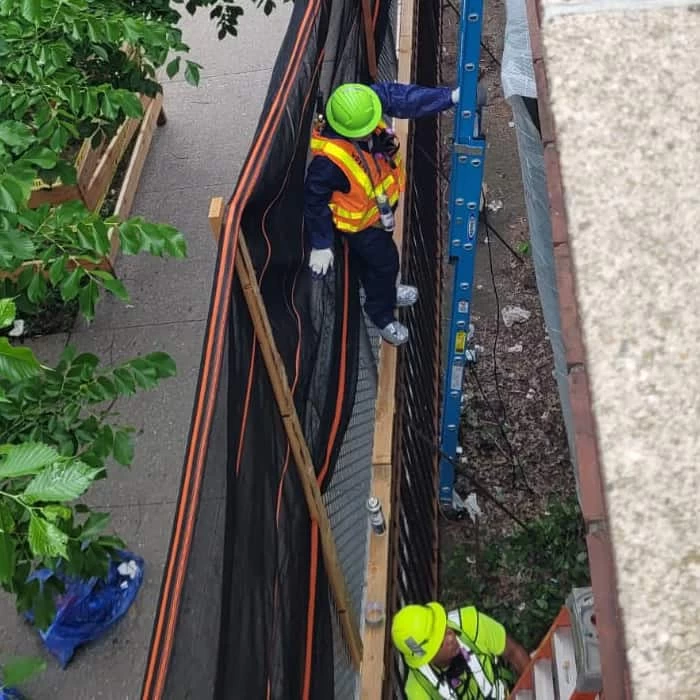
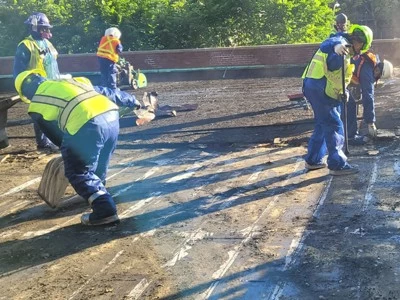
When Queens Village’s sewers back up and your basement takes the hit, every hour you wait makes the damage worse. We’re already in your neighborhood and we move fast.
I needed a professional consultation explanation of procedure for safe removal of Asbestos in my apartment complex. Without having an account yet, I was very impressed with the caring, knowledgeable and generous advice offered by Jessica, and will look forward to doing business in the future. Thank you so much! I feel much more informed about a sometimes scary endeavor. Peace. Nancy Silva Mineola, NY.
Mia Munoz
Used this company to clean up some water flood in my house. They were fast and easy to work with.very professional, Would recommend to anyone!
Nini Valle
Great company, had a flood and they responded quickly and efficiently. Billed my insurance company directly. I highly recommend this company!
joe colapietro, jr
I had pipe freeze in my basement right before a snow storm and they made to within an hour to help start the clean up process. They we by our side throughout the entire process and even helped with the insurance company. They did such a great job with the cleanup, repair, remidiation, I contracted them to perform the repairs and finishes in the basement. They came with enough manpower and material to get the job done. Leo and Jessica were nothing but a pleasure to deal with!!
Cristian Arredondo c
I had some water damage in my home and Green Island was able to take care of my issue quickly and effectively. I am very pleased with the work they did. They responded quickly and were very professional.
Michael M
Outstanding service! From the office to the field crew everyone was friendly, helpful and responsive. I highly recommend Green Island Group.
Most Bellaire homes were built before 1940. That means wood framing, plaster walls, and foundations that weren’t designed with today’s storm intensity in mind. When water gets in whether it’s a burst pipe in January or a sewer backup during a summer downpour those older materials soak it up fast. You don’t always see the damage right away. But it’s there, moving through the walls and floor while you’re still figuring out who to call.
Getting the water out is only part of it. The real work is making sure nothing is left behind no moisture trapped in the framing, no contamination from a sewage event, no conditions that set up mold growth in the next 24 to 48 hours. That window matters more in a Bellaire home like yours than it does in new construction. The materials hold moisture longer, and mold doesn’t wait.
When restoration is done right, you get your home back not a version of it with hidden problems waiting to resurface. For homeowners in Bellaire who’ve invested years into a property that represents real financial security for their family, that’s not a small thing. It’s the whole point.
We’re a Queens-based restoration contractor not a national franchise routing calls through a call center. We’ve been serving homeowners in Bellaire and Queens Village through storm and fire damage work, which means we know this neighborhood’s housing stock, its drainage patterns, and the specific problems that come with living near a combined sewer system that gets overwhelmed every time the sky opens up.
The city spent $3.9 million transforming the medians along 211th Street specifically because Bellaire and the surrounding area have a documented flooding problem. We didn’t need that announcement to know it we’ve been working in these homes. When you call us, you’re talking to a team that’s already familiar with what you’re dealing with, not one that’s learning your neighborhood on the fly.
When you call, we pick up any hour, any day. We ask a few quick questions to understand what you’re dealing with, and then we get moving. For most Bellaire addresses, we can have a crew on-site faster than a company dispatching from outside Queens. The first thing we do when we arrive is assess the full scope of the damage not just what’s visible, but what moisture meters and thermal imaging show inside the walls and under the floors. In a pre-war home, water travels in ways you can’t always see.
From there, we extract standing water, set up industrial drying equipment, and treat any areas affected by contamination including sewage backflow, which is a real and common problem in Bellaire when the combined sewer system gets overwhelmed during heavy rain. Everything gets documented thoroughly as we go, because if you’re filing an insurance claim, your adjuster needs a clear, detailed record of the damage before and during restoration.
Once the structure is dry and the moisture readings confirm it, we move into repairs drywall, flooring, structural work, whatever the job requires. We pull the necessary NYC DOB permits when the scope of work calls for it, so nothing is left unpermitted. You shouldn’t have to coordinate four different contractors to get your home back. We handle it from start to finish.
Full Restoration, Not Just a Dry-Out and a Handshake
Some companies come in, pull the water, drop some fans, and leave you to figure out the rest. That’s mitigation and it’s only half the job. What you actually need after a flooding event in a home like yours is someone who stays accountable through the entire process: extraction, drying, sanitization, mold prevention, structural repairs, and final reconstruction. That’s what we deliver.
Because Bellaire sits in a neighborhood served by NYC’s combined sewer system, a significant portion of the water damage calls we handle here involve Category 3 contamination that’s sewage-mixed water, and it requires a completely different cleanup protocol than a clean water pipe burst. We have the equipment, the training, and the certifications to handle it correctly, including proper removal and disposal of contaminated materials and full antimicrobial treatment of affected surfaces.
We also work directly with your homeowner’s insurance carrier. We document everything photos, moisture readings, written damage assessments in the format adjusters actually need to process a claim. For homeowners in Bellaire going through this process for the first time, that support makes a real difference. You shouldn’t have to become an expert in insurance claims on top of everything else you’re managing. We’ve done this enough times to know exactly what your carrier is going to ask for.
How quickly does mold start growing after basement flooding in Bellaire?
Mold can begin growing within 24 to 48 hours of water exposure and in the older homes that make up most of Bellaire’s housing stock, that window is even more critical. Pre-war construction typically uses wood framing, plaster, and older insulation materials that absorb and hold moisture far more readily than modern drywall and synthetic materials. Once that moisture is trapped inside a wall or under a floor, the conditions for mold growth are already in place even if the surface feels dry to the touch.
This is why the response time matters as much as the quality of the work itself. Getting extraction and drying equipment running within the first few hours dramatically reduces the risk of mold taking hold. If you’re dealing with a flooding event in Bellaire especially one involving sewage backup from the city’s combined sewer system don’t wait to see if it dries out on its own. It won’t, and the longer you wait, the more of your home’s structure gets pulled into the damage.
Does homeowner's insurance cover water damage and flooding in Queens, NY?
It depends on the source of the water, and this is where a lot of homeowners in Bellaire get caught off guard. Standard homeowner’s insurance policies typically cover sudden and accidental water damage a burst pipe, an appliance failure, or water from a storm that enters through a damaged roof or window. What most standard policies do not cover is flooding from an external source, like a storm surge or overland flooding. For that, you’d need a separate flood insurance policy, often through the National Flood Insurance Program.
The tricky middle ground is sewer backup which is one of the most common flooding scenarios in Bellaire given the city’s combined sewer system. Some policies include sewer backup coverage as a rider, and some don’t. The best thing you can do right now, before anything happens, is call your insurance agent and ask specifically about sewer backup and water damage coverage. If you’re already in the middle of a claim, we document damage in the format adjusters need and can help you understand what your policy is likely to cover before you commit to any scope of work.
What is Category 3 water damage, and does it apply to my flooded basement?
Water damage is classified into three categories based on contamination level. Category 1 is clean water a supply line break or a clean appliance overflow. Category 2 involves water that may carry some contaminants, like a washing machine drain backup. Category 3 is the most serious: grossly contaminated water that may contain sewage, bacteria, and other pathogens. This is also called “black water,” and it requires a completely different cleanup approach.
In Bellaire and the broader Queens Village area, Category 3 situations are more common than most homeowners expect. When New York City’s combined sewer system which carries both stormwater and sewage through the same pipes gets overwhelmed during a heavy rain event, it can force that mixture back up through basement drain connections. Residents along the Queens Village and Bellerose Manor border have documented this happening repeatedly. If your basement flooding has any discoloration, odor, or occurred during or after a major rainstorm, assume Category 3 until a professional tells you otherwise. The cleanup protocol involves protective equipment, antimicrobial treatment, and proper disposal of contaminated materials it’s not something a shop vac and a fan can address.
Do I need a permit for water damage repairs in New York City?
For minor repairs replacing a section of drywall, repainting, or swapping out flooring you generally don’t need a permit. But once the scope of work extends to structural repairs, plumbing modifications, or significant reconstruction, NYC Building Department permits become required. This matters more than most homeowners realize, because unpermitted work can create real problems when you go to sell the home or file a future insurance claim.
We operate within the NYC DOB framework and pull the necessary permits when the job calls for it. We’re also familiar with the specific requirements that come into play when work involves sewer connections or drainage modifications, which fall under NYC DEP jurisdiction. For Bellaire homeowners dealing with the aftermath of a major flooding event, having a contractor who handles the permitting process as part of the job rather than leaving it to you removes one more thing from your plate during an already stressful situation.
How do I know if my Bellaire home has hidden water damage inside the walls?
The most reliable way is thermal imaging and moisture meters tools that detect moisture inside wall cavities and under flooring without tearing anything open. Visual inspection alone misses a significant amount of water damage, especially in older homes where water can travel along framing members and settle in areas that look completely fine from the outside.
Common signs that something is wrong even when you can’t see it directly include a musty smell that doesn’t go away, paint or wallpaper that starts bubbling or peeling, floors that feel soft or slightly uneven, and walls that feel cool to the touch in isolated spots. In Bellaire’s pre-war homes, these signs can develop slowly over days or weeks after a flooding event sometimes long after the visible water is gone. If you had any water intrusion and you’re not sure whether it was fully addressed, a moisture assessment is worth doing before the problem compounds. Catching it early is almost always less expensive than finding it later.
Why should Bellaire homeowners act faster than most after a water damage event?
A few things specific to Bellaire make the urgency real, not just a sales pitch. First, the housing stock. Most homes in Bellaire were built before 1940, and those older materials wood framing, plaster, older insulation absorb water quickly and dry slowly. The longer water sits, the deeper it penetrates, and the more material ends up needing replacement rather than just drying out.
Second, the sewer situation. Bellaire is served by a combined sewer system that, during heavy rain, can push contaminated water into basements. That’s not just a water problem it’s a sanitation problem, and the contamination spreads the longer it sits. The NYC DEP recognized the flooding risk in this neighborhood seriously enough to invest $3.9 million in green infrastructure along 211th Street. That investment addressed stormwater absorption above ground, but it didn’t change what happens inside your basement when the system gets overwhelmed.
Third, mold. The 24 to 48 hour growth window is not an exaggeration, and in an older home with moisture-retentive materials, that clock moves fast. Acting the same day not the next morning, not after the weekend is the difference between a manageable restoration job and a significantly larger one.