Bellport's Bayfront Homes Don't Get a Second Chance
When water gets into a home on the South Shore, the clock starts immediately and in a coastal village like Bellport, that clock moves fast. We respond 24/7 with the equipment, certifications, and local knowledge to stop the damage before it compounds.
I needed a professional consultation explanation of procedure for safe removal of Asbestos in my apartment complex. Without having an account yet, I was very impressed with the caring, knowledgeable and generous advice offered by Jessica, and will look forward to doing business in the future. Thank you so much! I feel much more informed about a sometimes scary endeavor. Peace. Nancy Silva Mineola, NY.
Mia Munoz
Used this company to clean up some water flood in my house. They were fast and easy to work with.very professional, Would recommend to anyone!
Nini Valle
Great company, had a flood and they responded quickly and efficiently. Billed my insurance company directly. I highly recommend this company!
joe colapietro, jr
I had pipe freeze in my basement right before a snow storm and they made to within an hour to help start the clean up process. They we by our side throughout the entire process and even helped with the insurance company. They did such a great job with the cleanup, repair, remidiation, I contracted them to perform the repairs and finishes in the basement. They came with enough manpower and material to get the job done. Leo and Jessica were nothing but a pleasure to deal with!!
Cristian Arredondo c
I had some water damage in my home and Green Island was able to take care of my issue quickly and effectively. I am very pleased with the work they did. They responded quickly and were very professional.
Michael M
Outstanding service! From the office to the field crew everyone was friendly, helpful and responsive. I highly recommend Green Island Group.
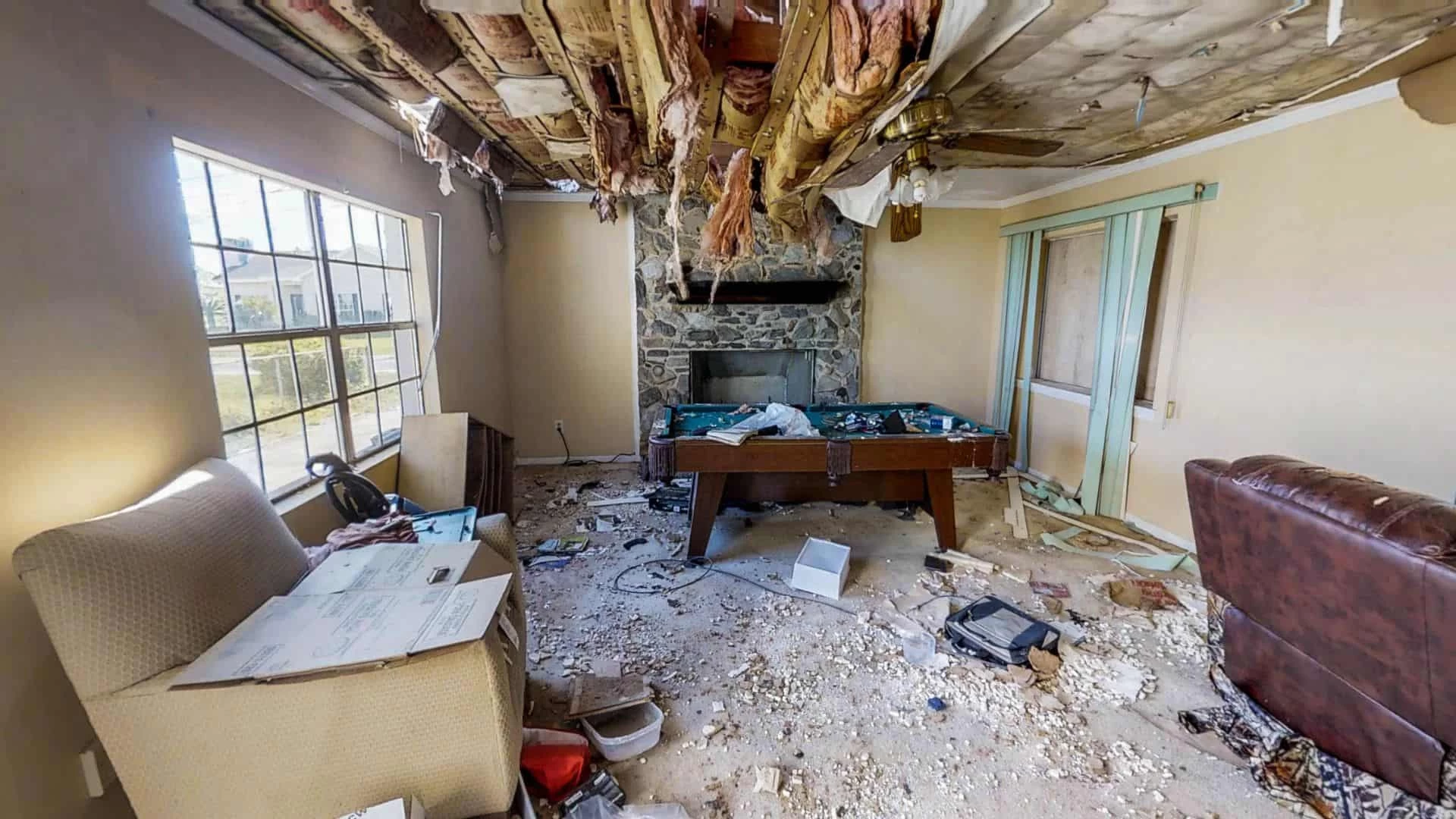
The visible stuff soaked floors, wet drywall, standing water in the basement is only part of the problem. What you can’t see is what tends to cause the most damage. Moisture hides in wall cavities, under hardwood floors, and behind original plaster. In Bellport’s older Victorian and mid-century homes, that hidden saturation can go undetected for weeks, quietly feeding mold growth and breaking down structural materials that can’t simply be swapped out at a hardware store.
Once the water is properly extracted and the structure is fully dried, you get your home back not a version of it held together by surface-level fixes, but an actual, documented restoration to pre-loss condition. That matters more in Bellport than it does in most places. When your home sits in a Historic District, has original hardwood floors that took a century to develop their character, or carries plaster walls that no modern contractor can replicate, cutting corners during restoration isn’t just a quality issue it’s a financial one.
Bellport’s position on Bellport Bay also means flood risk isn’t limited to storm season. High groundwater, tidal influence, and aging drainage infrastructure create year-round exposure. A proper restoration doesn’t just dry what got wet it gives you a clear picture of your home’s moisture profile so you’re not dealing with the same problem again in six months.
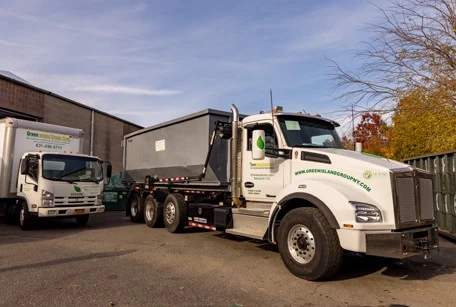
We’re a Long Island-based environmental and property restoration company serving Nassau and Suffolk Counties. When you call us about water damage in Bellport, you reach a local team not a national intake center routing your emergency to whoever is available. That distinction matters when your basement is flooding at midnight during a nor’easter and you need someone who can actually be there.
We handle water damage, mold remediation, asbestos abatement, lead testing, and air quality all in-house. For Bellport homeowners, that’s not a convenience, it’s a practical necessity. Homes throughout the 11713 ZIP code were built primarily in the 1960s, and the historic village core contains properties well over a century old. When water damage requires opening walls or pulling up floors in those homes, the question of what’s behind the surface isn’t hypothetical it’s a real regulatory and health concern that requires licensed professionals, not a general contractor with a dehumidifier.
We serve Bellport as part of our established Suffolk County coverage, with direct familiarity with the South Shore’s housing stock, flood patterns, and the specific challenges that come with restoring older coastal properties.
From First Call to Fully Dry Here's the Real Process
It starts with the call. When you reach out, you’re talking to someone who can actually help not a scheduling bot or an answering service. From there, a crew is dispatched to your Bellport property, and the first thing that happens on-site is a full assessment. That means moisture meters and thermal imaging, not a visual walkthrough. Water migrates in directions you wouldn’t expect, especially in older homes with plaster walls, original subfloors, and construction methods that predate modern building codes. The assessment maps the full extent of saturation before a single piece of equipment is placed.
Once the scope is clear, extraction and structural drying begin. We position commercial-grade equipment based on the moisture map not just in the obvious wet areas. This is where the difference between a real restoration and a surface dry-out becomes apparent. Drying takes time, and we monitor it throughout the process to confirm the structure is actually reaching safe moisture levels, not just looking dry.
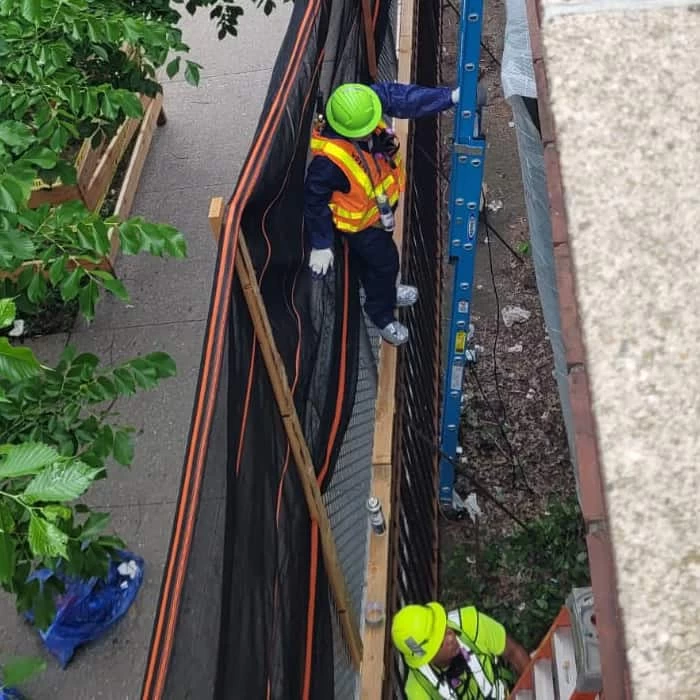
If the damage reveals asbestos-containing materials a real possibility in Bellport homes built before 1980 we handle that work in-house under New York State Department of Labor licensing requirements, so you don’t have to pause the job and find a separate abatement contractor. Throughout the entire process, we maintain documentation for your insurance claim, and we communicate directly with your adjuster so you’re not caught in the middle of that conversation.
What's Actually Included When We Handle Your Restoration
Water damage restoration in Bellport covers a wider scope than it does in most inland Long Island communities, and that’s a direct result of the housing stock and the geography. Our service starts with emergency water extraction and moves through structural drying, dehumidification, and moisture mapping using professional-grade thermal imaging tools that reveal what’s happening inside the walls, not just on the surface. For bayfront and near-bay properties that have experienced storm surge or tidal flooding, that kind of thoroughness isn’t optional.
Because so many homes in the Bellport Village Historic District and throughout the broader 11713 ZIP code were built before 1978, the restoration process often intersects with environmental concerns. We handle mold remediation, asbestos abatement under NYSDOL licensing, lead paint handling under EPA RRP certification, and indoor air quality testing in-house. If water damage opens up a wall and reveals asbestos floor tile adhesive or pipe insulation both common in pre-1980 construction the job doesn’t stop. It continues under the proper protocols, with the same accountable team.
Insurance claim assistance is included as part of our process. For Bellport homeowners who carry both standard homeowners insurance and a separate NFIP flood insurance policy which is common in a FEMA flood zone community navigating which policy covers which damage is genuinely complicated. We handle documentation, communicate with adjusters, and work to make sure the full scope of your loss is represented accurately.
How quickly can mold develop after water damage in a Bellport home?
Mold can begin colonizing within 24 to 48 hours of water exposure that’s the threshold established by the IICRC S500 Standard, which is the governing technical protocol for water damage restoration. In a coastal village like Bellport, where ambient humidity levels are naturally elevated due to proximity to Bellport Bay and the Great South Bay, that window can feel even shorter in practice.
The homes most at risk are older structures with plaster walls, original subfloors, and areas that don’t dry quickly on their own which describes a significant portion of the Bellport Village Historic District. Once mold gets established inside a wall cavity or under a hardwood floor, remediation becomes a separate, more involved job on top of the restoration. The best way to avoid that is to start extraction and structural drying as fast as possible not after you’ve called three companies for estimates, but the same day the damage occurs.
Does homeowners insurance cover water damage from a burst pipe or basement flooding?
It depends on the source of the water, and this is where a lot of homeowners get caught off guard. Standard homeowners insurance typically covers sudden and accidental water damage a burst pipe, a washing machine overflow, a water heater failure. What it generally does not cover is flooding from an external source, which is where a separate NFIP flood insurance policy comes in.
For Bellport homeowners in FEMA-designated flood zones which includes properties in the lower-lying areas near the bay this distinction is critical. Storm surge from a nor’easter or tropical storm is flood damage, not pipe damage, and it falls under a completely different policy with its own claims process, documentation requirements, and coverage limits. We work directly with both types of insurers, help document the damage in the format adjusters need, and communicate on your behalf so the claim reflects the full scope of what actually happened to your home.
What happens if asbestos is found during water damage restoration in my older Bellport home?
It’s a real possibility, and it’s more common than most homeowners expect. Homes built before approximately 1980 which covers a large portion of the Bellport housing stock, including much of the historic village core may contain asbestos in floor tile adhesive, pipe insulation, ceiling tiles, and drywall joint compound. When water damage requires opening walls or removing flooring, those materials can be disturbed.
New York State law requires that asbestos-containing materials be handled by a licensed abatement contractor under NYSDOL protocols. An unlicensed contractor who removes those materials without proper procedures is creating a health hazard and exposing you to liability. We hold the required NYSDOL licensing for asbestos abatement and handle it in-house which means the restoration job doesn’t stop when asbestos is found. The abatement is completed properly, and the restoration continues with the same team, under one accountable process.
How do I know if my home has hidden water damage I can't see?
The honest answer is that you probably can’t tell on your own and that’s not a knock on anyone’s ability to assess their own home. Water travels. It follows framing, seeps into subfloors, wicks up drywall or plaster, and settles into areas that look completely dry from the surface. A home that looks like it only has a wet corner of the basement may have moisture running along the floor joists well beyond what’s visible.
Professional moisture assessment uses two tools that change the picture entirely: calibrated moisture meters that measure saturation levels inside building materials, and thermal imaging cameras that reveal temperature differentials caused by hidden wet areas. In Bellport’s older homes particularly those with original hardwood floors, plaster walls, and mid-century construction this kind of mapping is the only way to know the actual scope of the damage before committing to a drying plan. Skipping it and going straight to dehumidifiers is how you end up with a mold problem two months after you thought the job was done.
Can water damage restoration work be done on homes in the Bellport Village Historic District?
Yes and it requires a different level of care than a standard residential restoration job. The Bellport Village Historic District includes properties with original architectural details, period millwork, plaster walls, and hardwood floors that have no modern equivalent. Restoration work in these homes has to account for those materials, not just treat them like standard drywall construction.
On the regulatory side, the Village of Bellport has its own Architectural Review Board that has authority over exterior modifications to properties within the historic district. Interior restoration work following water damage typically doesn’t require ARB approval, but any exterior work including repairs to siding, trim, or roofing that may be part of the damage may need to go through that review process. Working with a restoration company that understands the village’s governance structure and the specific material considerations of historic properties saves you from running into compliance issues mid-project. Our familiarity with Suffolk County’s regulatory environment and older housing stock makes that process significantly more straightforward.
What should I do first when I discover water damage in my Bellport home?
Call a restoration company before you call anyone else including your insurance company. The reason is simple: the faster extraction and drying begins, the less total damage occurs, and the lower your overall claim will be. Insurance companies appreciate thorough documentation, but they don’t control the mold clock. Every hour the structure stays wet is an hour the damage is expanding, and the 24 to 48-hour mold threshold doesn’t pause while you wait for an adjuster to schedule a visit.
When you call us, the first conversation is about your situation what happened, when it happened, what you’re seeing. From there, we dispatch a crew with the equipment needed for your specific type of loss. If it’s a burst pipe in the middle of January which is a real seasonal risk in Bellport’s older homes and any seasonally occupied properties left minimally heated through winter the response is the same as it would be for storm surge damage in September. Document what you can with photos before anything is moved or cleaned up, keep people out of areas with standing water if there’s any question about electrical safety, and let the professionals handle the assessment before any materials are removed or discarded. That documentation matters for your claim.