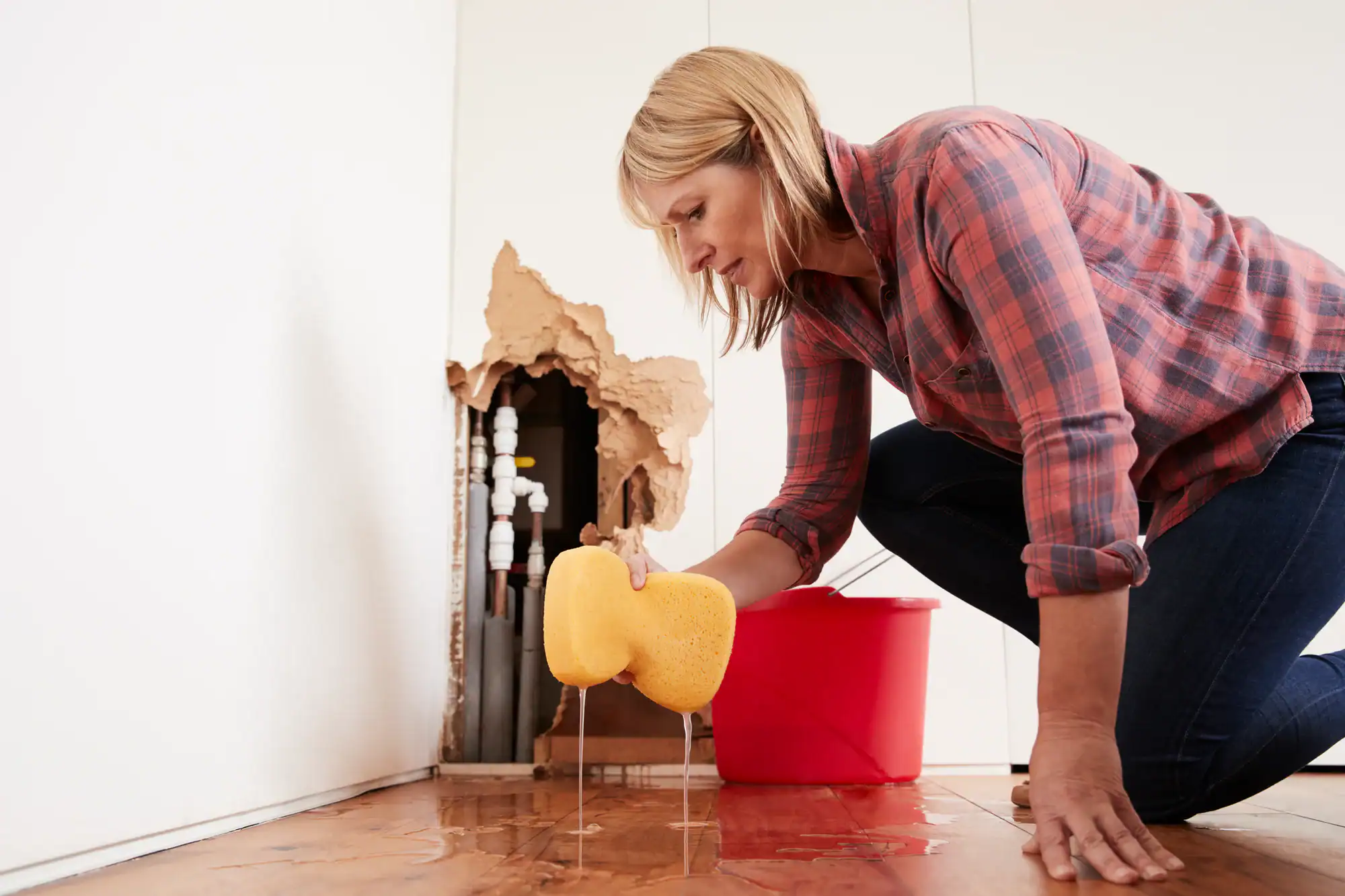
When water gets into your Bethpage home, every hour matters. We respond fast with a local crew, real equipment, and full insurance handling from the first call.
I needed a professional consultation explanation of procedure for safe removal of Asbestos in my apartment complex. Without having an account yet, I was very impressed with the caring, knowledgeable and generous advice offered by Jessica, and will look forward to doing business in the future. Thank you so much! I feel much more informed about a sometimes scary endeavor. Peace. Nancy Silva Mineola, NY.
Mia Munoz
Used this company to clean up some water flood in my house. They were fast and easy to work with.very professional, Would recommend to anyone!
Nini Valle
Great company, had a flood and they responded quickly and efficiently. Billed my insurance company directly. I highly recommend this company!
joe colapietro, jr
I had pipe freeze in my basement right before a snow storm and they made to within an hour to help start the clean up process. They we by our side throughout the entire process and even helped with the insurance company. They did such a great job with the cleanup, repair, remidiation, I contracted them to perform the repairs and finishes in the basement. They came with enough manpower and material to get the job done. Leo and Jessica were nothing but a pleasure to deal with!!
Cristian Arredondo c
I had some water damage in my home and Green Island was able to take care of my issue quickly and effectively. I am very pleased with the work they did. They responded quickly and were very professional.
Michael M
Outstanding service! From the office to the field crew everyone was friendly, helpful and responsive. I highly recommend Green Island Group.
Your Home Dried Out, Documented, and Back to Normal
Water damage in Bethpage isn’t just a bad day — it’s a real threat to a home you’ve likely owned for years and worked hard to protect. When the water is gone and the drying is done right, you’re not just back to normal. You’re protected from the mold, the structural damage, and the insurance headaches that follow when the job gets cut short.
Most Bethpage homes were built in the 1950s and 60s — Cape Cods, ranches, split-levels sitting on clay-heavy soil with a water table that doesn’t take much to rise. That combination means water doesn’t just sit on the floor. It moves into wall cavities, under original hardwood, and into framing that’s been there for 60 or 70 years. Getting it truly dry means knowing where it went, not just where it started.
When the work is done properly, you have a home with verified moisture readings, documented restoration that your insurance company will recognize, and no hidden damage waiting to surface six months later. That’s what a real restoration looks like — not just a shop vac and a few fans, but a complete process that closes the loop.
We are a locally owned and operated restoration company serving Bethpage, Nassau County, and the surrounding Long Island area. When you call us, you reach our real Long Island team — not a national call center routing your emergency to whoever’s available. The crew that shows up to your Bethpage home is our crew, and the work they do is our responsibility.
We’ve worked in the post-war housing stock of central Nassau County long enough to know what water does inside a 1958 Cape Cod on a clay lot near the 135. We know the drainage challenges, the aging plumbing, the basements that have been fighting moisture for decades. That’s not something you pick up from a franchise manual.
We’re also fully licensed under New York State’s Mold Law — meaning our mold assessment and remediation work is legal, insurer-recognized, and done to the standard your Bethpage home and your claim actually require. Not every company operating in this area can say the same.
What Actually Happens From First Call to Final Walkthrough
It starts the moment you call. We ask a few quick questions to understand what you’re dealing with — where the water came from, how long it’s been there, what areas of your home are affected. From there, we dispatch a crew to your Bethpage home as fast as possible, because the 24 to 48 hour window before mold begins to grow is real, and we take it seriously.
When we arrive, the first thing we do is assess the full scope of the damage — not just what’s visible. We use thermal imaging cameras and calibrated moisture meters to find water that has moved into walls, under flooring, and into structural cavities. In Bethpage’s older housing stock, this step isn’t optional. Water hides in places that look dry on the surface, and skipping this step is how restoration jobs fail months later.
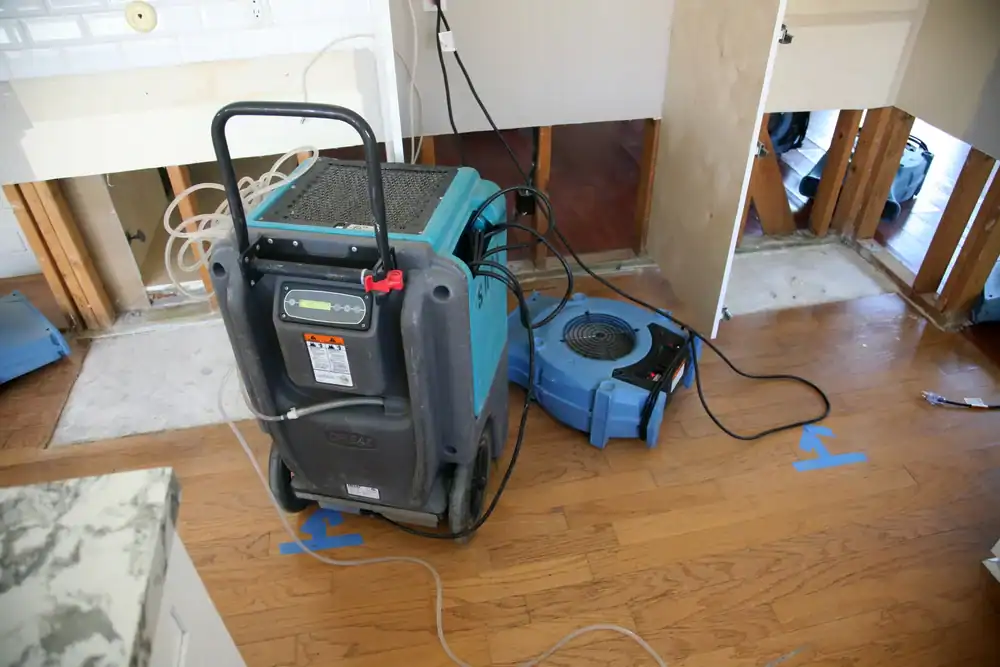
Once we know exactly what we’re working with, we set up commercial-grade drying equipment, extract standing water, and begin the structural drying process according to IICRC S500 standards — the same protocol your insurance company uses to evaluate whether the work was done correctly. Throughout the process, we handle your claim documentation directly and communicate with your adjuster so you don’t have to. When moisture readings confirm the structure is dry, we walk you through everything before we close the job.
Everything Covered, Nothing Left Behind in the Walls
Water damage restoration in Bethpage covers a lot of ground depending on the source — a burst pipe in a 70-year-old plumbing system, a basement that took on water during a heavy nor’easter, a washing machine line that gave out, or slow moisture intrusion through a foundation wall that’s been fighting the water table for decades. Whatever brought the water in, the process is the same: find it all, dry it all, document it all.
Every job we handle includes full moisture mapping with thermal imaging, commercial extraction and structural drying, mold assessment, and complete insurance documentation. Because we’re licensed under New York State’s 2016 Mold Law for both assessment and remediation, any mold discovered during the process can be handled by our team without stopping the job to bring in a separate contractor. For Bethpage homeowners who are already attentive to what’s happening in their basement and their air quality, that matters.
We also handle permit coordination for any structural repairs that require Town of Oyster Bay building permits — which is often the case when drywall, flooring, or framing has to be replaced after water damage. Nassau County insurance adjusters are familiar with IICRC-documented claims, and we make sure your paperwork reflects the full scope of work so your settlement covers what the job actually costs.
Does homeowners insurance cover basement flooding in Bethpage, NY?
It depends on the source of the water, and that distinction matters more than most people realize. Standard homeowners insurance in Nassau County typically covers sudden and accidental water damage — a burst pipe, a failed appliance, or water that enters through a damaged roof or window during a storm. What it usually does not cover is flooding from outside sources, like groundwater rising through your foundation or surface water entering your basement during heavy rain. That type of damage generally requires a separate flood insurance policy through the National Flood Insurance Program.
In Bethpage specifically, the most common basement flooding scenario — groundwater rising due to the high water table and clay soil after heavy rain — often falls into that uncovered category. That’s why it’s important to call a restoration company that knows how to document the source of the damage clearly and accurately. Misidentifying the cause can lead to a denied claim. We assess the source, document it properly, and communicate directly with your adjuster to give your claim the best possible foundation.
How quickly does mold start growing after water damage in my home?
Mold can begin colonizing within 24 to 48 hours of water intrusion — and that’s not a worst-case scenario, that’s the standard window documented by the EPA and the IICRC. In a Bethpage home with original plaster walls, older wood framing, and decades of accumulated humidity in the basement, the conditions for mold growth are often already present. All it takes is moisture to activate them.
This is why response time is the single most important factor in limiting the damage. The longer water sits in your walls or under your floors, the deeper the mold risk goes — and the more expensive the remediation becomes. A job that costs one amount on day one can cost significantly more by day three, simply because the moisture has had time to spread and the mold has had time to establish. Getting a crew on-site quickly isn’t about urgency for its own sake. It’s about keeping a manageable problem from becoming a structural one.
What's the difference between water damage restoration and water damage repair?
Restoration and repair are related but they’re not the same thing, and understanding the difference helps you know what you’re actually hiring for. Water damage restoration refers to the full process of extracting water, drying the structure, assessing for mold, and returning the home to a safe, dry, pre-loss condition. It’s the mitigation side — stopping the damage from getting worse and documenting everything for your insurance claim. Repair refers to the physical reconstruction work that comes after: replacing drywall, flooring, trim, or structural framing that was damaged beyond saving.
We handle both as a full-service water damage restoration company. In Bethpage’s older Cape Cods and ranches, the repair phase often involves original materials — plaster walls, hardwood floors, older trim profiles — that require some care to match. We assess what can be dried and saved versus what needs to be replaced, and we document that distinction clearly for your insurer so the scope of repairs is covered accurately in your claim.
How long does water damage restoration typically take for a Bethpage home?
The drying phase alone typically takes three to five days for a standard residential job, though that range can shift depending on how long the water was present before we arrived, how much of the structure was affected, and the ambient conditions in the home. In Bethpage, where basements tend to run humid year-round due to the high water table and clay soil, the drying environment is often less cooperative than in drier climates — which is one reason we use commercial-grade dehumidifiers and air movers rather than residential equipment.
After the structure is confirmed dry through moisture meter readings, the repair and reconstruction phase begins. That timeline depends on the scope of what needs to be replaced — drywall, flooring, insulation, framing — and whether Town of Oyster Bay building permits are required for the work. We handle permit coordination as part of the job, so you’re not chasing paperwork on your own. A straightforward basement job might be fully complete in one to two weeks. A more extensive loss involving multiple rooms or structural components can take longer, and we’ll give you a realistic timeline upfront.
How do I know if there's hidden water damage inside my walls after a leak?
The honest answer is that you usually can’t tell from the surface — and that’s exactly the problem. Water follows the path of least resistance, which in a Bethpage home often means it moves from a visible wet spot into wall cavities, under original hardwood floors, into the subfloor, and along framing before you ever see a stain or smell anything off. By the time there’s a visible sign of hidden moisture, the damage is often already significant.
The only reliable way to find it is with thermal imaging cameras and calibrated moisture meters. Thermal imaging detects temperature differentials in walls and ceilings that indicate wet materials behind the surface. Moisture meters confirm the actual moisture content of structural materials so we know exactly where the drying equipment needs to be placed. We map the full moisture footprint before any drying work begins — not after. This is how we avoid the scenario where a homeowner thinks the job is done and discovers mold inside a wall three months later.
Why should I hire a locally owned restoration company instead of a national franchise in Bethpage?
When you call a national franchise, your call typically enters a routing system before it reaches anyone local. The crew that shows up may be a subcontractor. The project manager you speak to on day one may not be the same person managing the job on day four. That model works fine for some services, but water damage restoration is not one of them — it requires consistent communication, local knowledge, and direct accountability throughout a process that can span days or weeks.
We are a Long Island company. When you call, you reach our team. The crew we send to your Bethpage home works for us, not a subcontract list. We know the housing stock in central Nassau County — the aging plumbing, the clay soil drainage issues, the basement conditions specific to this part of Long Island. We also know the local insurance landscape and how Nassau County adjusters handle claims, which directly affects how we document your job. That local familiarity isn’t something a national brand can replicate by adding Bethpage to a service area dropdown.