When Tonetta Lake's Water Table Reaches Your Basement
Brewster Hill homes sit close to the water and when the groundwater rises, the damage moves fast. We deliver 24/7 water damage restoration built for exactly what this hamlet deals with.
I needed a professional consultation explanation of procedure for safe removal of Asbestos in my apartment complex. Without having an account yet, I was very impressed with the caring, knowledgeable and generous advice offered by Jessica, and will look forward to doing business in the future. Thank you so much! I feel much more informed about a sometimes scary endeavor. Peace. Nancy Silva Mineola, NY.
Mia Munoz
Used this company to clean up some water flood in my house. They were fast and easy to work with.very professional, Would recommend to anyone!
Nini Valle
Great company, had a flood and they responded quickly and efficiently. Billed my insurance company directly. I highly recommend this company!
joe colapietro, jr
I had pipe freeze in my basement right before a snow storm and they made to within an hour to help start the clean up process. They we by our side throughout the entire process and even helped with the insurance company. They did such a great job with the cleanup, repair, remidiation, I contracted them to perform the repairs and finishes in the basement. They came with enough manpower and material to get the job done. Leo and Jessica were nothing but a pleasure to deal with!!
Cristian Arredondo c
I had some water damage in my home and Green Island was able to take care of my issue quickly and effectively. I am very pleased with the work they did. They responded quickly and were very professional.
Michael M
Outstanding service! From the office to the field crew everyone was friendly, helpful and responsive. I highly recommend Green Island Group.
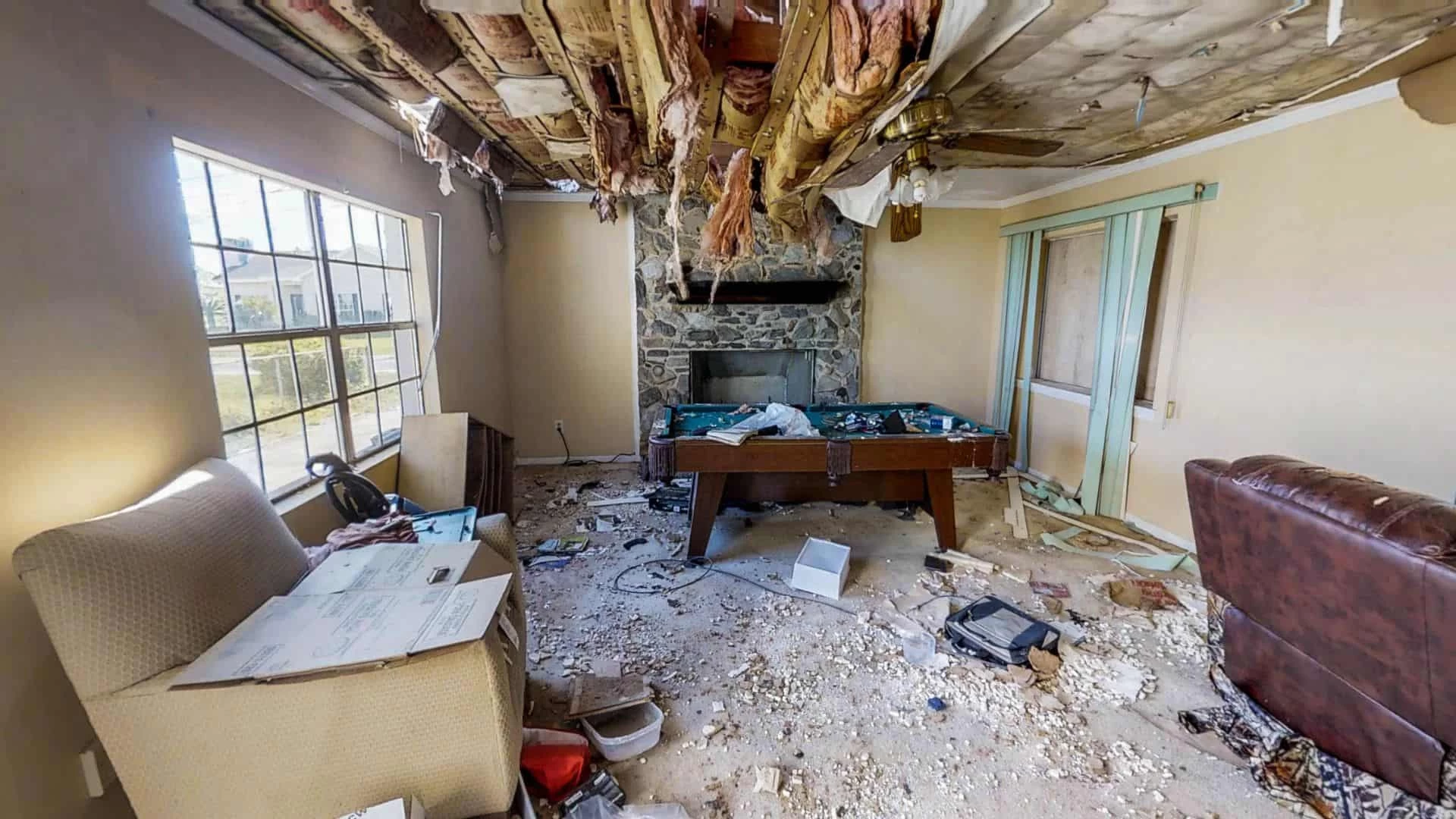
The worst part about water damage isn’t always what you can see. It’s what’s happening inside the walls, under the subfloor, and in the corners of a basement that’s been wet for 36 hours. In Brewster Hill, where most homes were built in the 1950s and 1960s, those walls weren’t designed with modern moisture barriers. Water gets in and stays in and mold follows within 48 hours if nothing’s done.
What changes after a proper restoration isn’t just the absence of standing water. It’s the air quality. The structural integrity of your floors and framing. The confidence that you’re not going to find a mold problem six months from now because someone ran a fan and called it dry. That’s the difference between a real restoration and a surface-level cleanup.
For Brewster Hill specifically, the proximity to Tonetta Lake creates groundwater pressure that most homeowners don’t think about until it’s already in the basement. Spring snowmelt, heavy summer storms, and the freeze-thaw cycles of a Putnam County winter all push water toward your foundation in ways that compound over time. Getting it fully extracted and professionally dried not just mopped up is what prevents a $4,000 problem from becoming a $25,000 one.
We’ve been doing environmental restoration work in the New York and Hudson Valley region for over 12 years. That’s not a franchise that recently opened a Putnam County territory it’s a company with a real track record, real crews, and real accountability to Brewster Hill and the communities we serve.
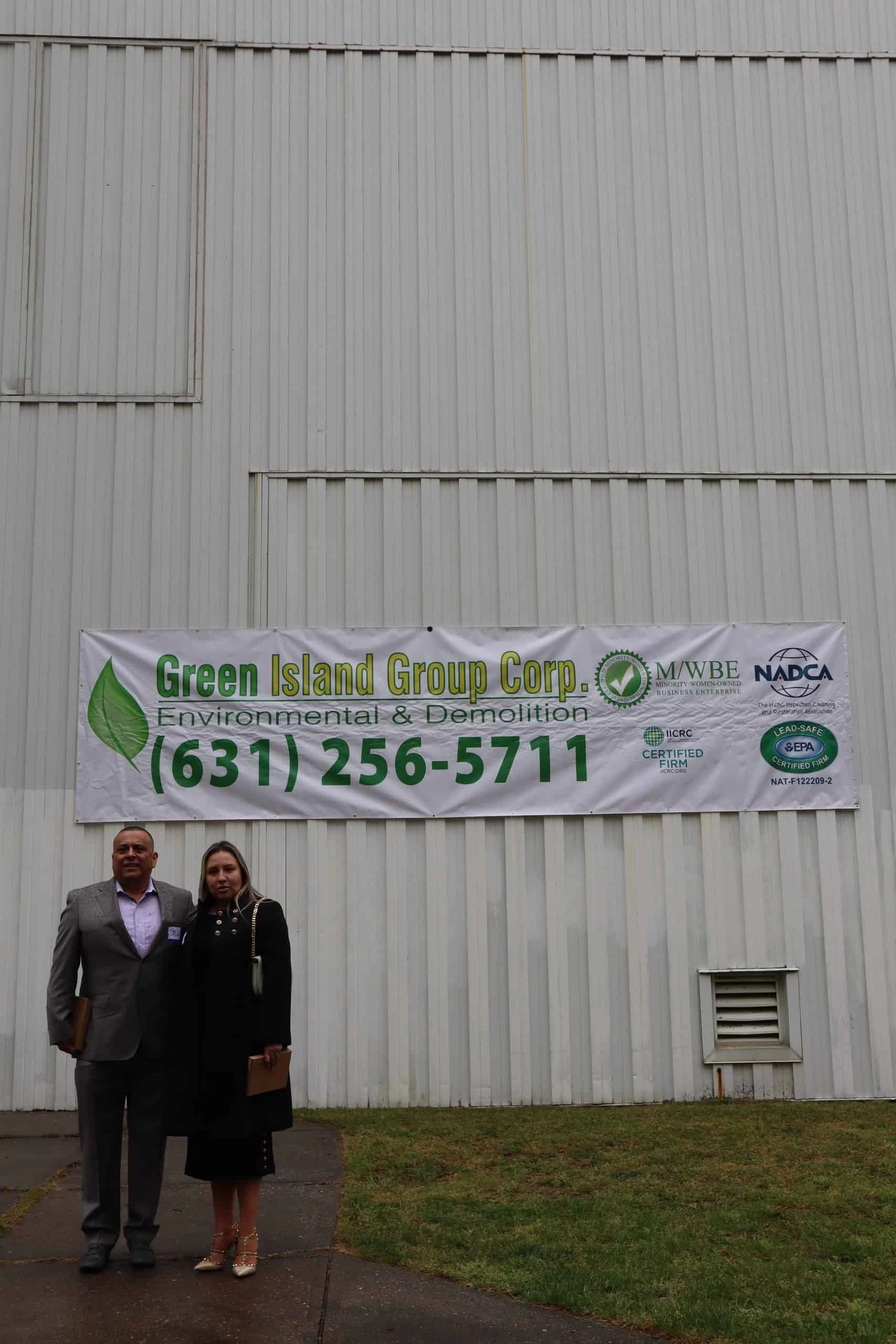
We hold NYS and NYC M/WBE Certified Contractor status a government-issued credential that requires documented verification of business ownership, financial standing, and operational capacity. No other water damage restoration company currently serving Brewster Hill carries that designation. It’s the kind of third-party vetting that matters when you’re letting someone into your home at midnight.
We also work directly with homeowner insurance carriers and handle billing on your behalf. For residents along Tonetta Lake Road and Brewster Hill Road who’ve never filed a water damage claim before, that matters more than almost anything else. You don’t have to figure out the insurance process while standing in a flooded basement. That part gets handled.
Emergency Water Restoration Services Brewster Hill
From First Call to Fully Dry Here's What to Expect
When you call, someone actually picks up day or night. The first thing that happens is a rapid assessment of the situation: where the water is coming from, how long it’s been there, and what category of water you’re dealing with. That last part matters more than most people realize. A burst pipe is a very different job than a sump pump failure that’s been sitting overnight, and a septic backup which is a real scenario for the many Brewster Hill properties on private systems requires a completely different set of protocols and protective measures.
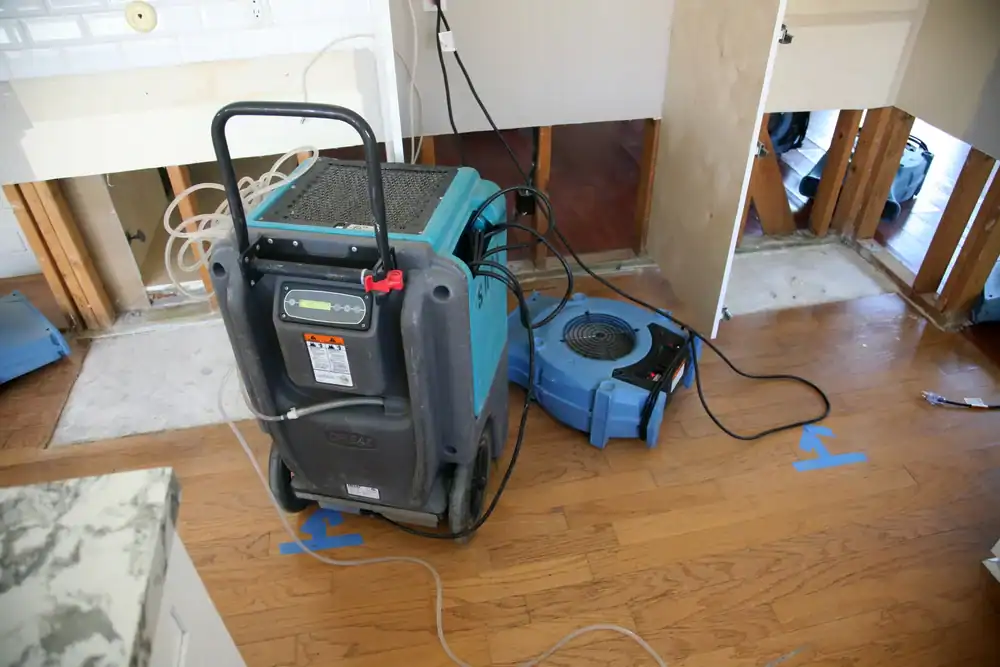
Once the source is controlled, extraction begins. Industrial-grade equipment pulls standing water out fast, and then the drying process starts not with a household fan, but with commercial dehumidifiers and air movers that track moisture levels in real time. In older homes like those common around Tonetta Lake, that means checking inside wall cavities and subfloor systems where moisture hides long after the surface feels dry.
If the job involves any structural repairs drywall replacement, flooring, framing the work is permitted through the Town of Southeast Building Department on Route 22, which we handle as part of the process. And if the water event opens up walls in a home built before 1980, asbestos-containing materials are a real possibility. Our in-house abatement capability means that discovery doesn’t stop the job or force you to coordinate a second contractor.
Water Damage Restoration Services in Putnam County
Full Restoration, Not Just Extraction Every Time
Water damage restoration isn’t a single service it’s a sequence. We cover the entire scope: emergency water extraction, structural drying, mold remediation, asbestos abatement when needed, and full reconstruction including drywall, flooring, and finishing work. That matters in Brewster Hill because the housing stock here doesn’t lend itself to partial fixes. A 1958 ranch on a lakeside lot with original pipe insulation and a concrete block foundation needs someone who can handle whatever they find not a company that stops when the job gets complicated.
The financing piece is worth knowing about upfront. Even with homeowner’s insurance, most Brewster Hill residents face real out-of-pocket exposure after deductibles and depreciation holdbacks. We offer financing up to $200,000 at 0% APR, which means you can authorize the full scope of work immediately without waiting on a settlement check or cutting corners to stay within a budget. No competitor currently serving this area offers that.
Our 100% Satisfaction Guarantee isn’t filler language. In a hamlet of roughly 2,000 people where word travels fast, it’s a commitment that means something. Every job is also covered by full liability insurance and Workers’ Compensation, which protects you from secondary exposure if anything happens on your property during the restoration.
How quickly can you respond to water damage in Brewster Hill, NY?
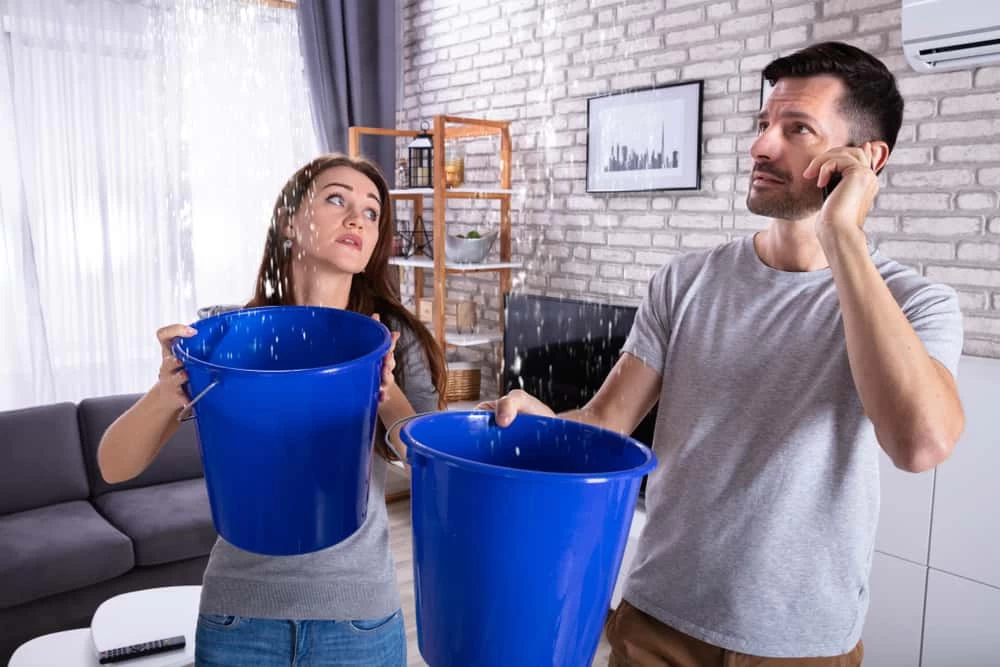
We operate 24/7, every day of the year. When you call about an active water damage situation in Brewster Hill, the goal is to get a crew dispatched as fast as possible not routed through a call center that schedules you for the next business day. In water damage situations, time is the variable that determines cost. The longer water sits in the wall cavities and subfloor of an older home, the more structural material it compromises and the closer you get to a mold threshold.
This is especially relevant in Brewster Hill during spring and after major storm events, when NYSEG outages in the Brewster Division can knock out sump pumps across the hamlet simultaneously. If your basement starts flooding at 10 p.m. because the power went out during a storm, that’s exactly when you need a company that actually answers. We do.
Does homeowner's insurance typically cover water damage restoration costs?
It depends on the source of the water, and that distinction matters a lot. Most standard homeowner’s insurance policies cover sudden and accidental water damage a burst pipe, an appliance failure, or a roof leak from a storm. What they typically don’t cover is gradual damage, flooding from a rising body of water, or sewer and septic backups unless you’ve added a specific rider for those scenarios.
For Brewster Hill residents, the septic backup question is particularly relevant. A large portion of properties in the Town of Southeast operate on private septic systems, and a septic failure that sends Category 3 contaminated water into your basement may not be covered under a standard policy. It’s worth pulling out your declarations page before you call your insurer, and it’s one of the reasons having a restoration company that understands the insurance process and can document the damage correctly from the start makes a real difference in what you recover.
We work directly with insurance carriers and handle the billing and documentation process on your behalf. That means the claim gets filed correctly, the scope gets documented thoroughly, and you’re not left negotiating on your own while the damage is still wet.
What's the difference between water extraction and full water damage restoration?
Extraction is the first step it’s the removal of standing water using industrial pumps and wet vacuums. It’s fast, visible, and necessary. But it’s not restoration. A home that’s been extracted still has moisture in the wall cavities, in the subfloor, in the insulation, and in the framing and that moisture doesn’t disappear on its own. Without professional drying equipment and moisture monitoring, that residual water becomes the source of mold growth, wood rot, and structural degradation over the following days and weeks.
Full restoration means the job doesn’t stop when the floor looks dry. It means commercial dehumidifiers and air movers are running until moisture readings in the walls and subfloor reach acceptable levels. In Brewster Hill’s older housing stock homes built in the 1950s and 1960s with plaster walls, original hardwood floors, and concrete block foundations that drying process often takes longer than it would in a newer construction. The materials absorb more, and the construction style creates more hidden cavities where moisture lingers.
After drying is complete, any damaged materials drywall, insulation, flooring, framing get removed and replaced as part of the reconstruction phase. That’s what full restoration looks like from start to finish.
My Brewster Hill home was built in the 1950s should I be worried about asbestos during restoration?
Yes, it’s a legitimate concern and one worth taking seriously. Homes built in the Brewster Hill area during the 1950s and 1960s commonly contain asbestos in floor tiles, pipe insulation, joint compound, ceiling texture, and wall insulation. Under normal conditions, intact asbestos-containing materials aren’t an immediate hazard. But when a water damage event opens up walls, floors, or ceilings which restoration work almost always requires the risk of disturbing those materials becomes real.
The practical problem for most homeowners is that a standard restoration company will stop work the moment asbestos is suspected, and you’re left coordinating a separate abatement contractor, a separate timeline, and a separate insurance process before the restoration can continue. We handle asbestos abatement in-house, which means the discovery of asbestos-containing materials doesn’t derail the job. The abatement gets done properly, the clearance testing gets completed, and the restoration continues without you managing two separate companies.
If your home was built before 1980 and you’re facing any kind of restoration work that involves opening walls or floors, it’s worth mentioning that to your restoration company upfront so the right protocols are in place from day one.
How do I know if my basement has hidden mold after a water damage event?
The honest answer is that you often can’t tell just by looking. Mold colonization typically begins within 24 to 48 hours of a moisture event, and it frequently starts inside wall cavities, behind baseboards, and under flooring places that look completely normal from the surface. By the time you see visible mold growth on drywall or smell it in the air, the colonization has usually been underway for days or longer.
In Brewster Hill, the risk is compounded by the age and construction style of the housing stock. Older homes with plaster walls, original insulation, and concrete block foundations hold moisture longer and in less visible ways than modern construction. A basement that flooded during a spring storm and was cleaned up with a shop vac and a dehumidifier from the hardware store is not necessarily a dry basement it may be a basement with active mold growth inside the walls that won’t show up visibly for another few weeks.
Professional moisture testing and thermal imaging can identify where moisture is still present after a water event, even in areas that appear dry. If you had any standing water in your basement and didn’t have it professionally dried and tested, it’s worth having someone take a look before the problem compounds.
What financing options are available for water damage restoration in Brewster Hill?
We offer financing up to $200,000 at 0% APR, and it’s available to Brewster Hill homeowners regardless of whether the job is insurance-funded or out-of-pocket. The reason this matters is that insurance coverage rarely equals full coverage. After your deductible, depreciation holdbacks, and any scope items the adjuster disputes, most homeowners end up with a meaningful gap between what the insurance company pays and what the full restoration actually costs.
In a community where median home values are approaching $450,000 and the cost of living is well above the national average, a $10,000 to $20,000 out-of-pocket exposure on a restoration job is a real financial pressure not a hypothetical one. The 0% APR financing means you can authorize the complete scope of work immediately, without waiting on a settlement check or making decisions about what to skip to stay within a budget. Cutting corners on drying or reconstruction to save money upfront is almost always more expensive in the long run.
No other water damage restoration company currently serving Brewster Hill offers this kind of financing. If cost has been the reason you’ve been waiting to call, that barrier doesn’t have to exist here.