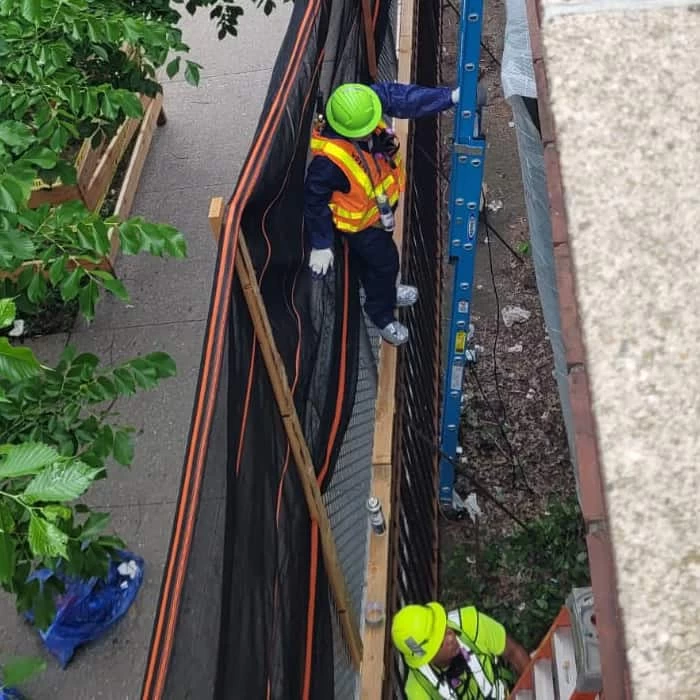
I needed a professional consultation explanation of procedure for safe removal of Asbestos in my apartment complex. Without having an account yet, I was very impressed with the caring, knowledgeable and generous advice offered by Jessica, and will look forward to doing business in the future. Thank you so much! I feel much more informed about a sometimes scary endeavor. Peace. Nancy Silva Mineola, NY.
Mia Munoz
Used this company to clean up some water flood in my house. They were fast and easy to work with.very professional, Would recommend to anyone!
Nini Valle
Great company, had a flood and they responded quickly and efficiently. Billed my insurance company directly. I highly recommend this company!
joe colapietro, jr
I had pipe freeze in my basement right before a snow storm and they made to within an hour to help start the clean up process. They we by our side throughout the entire process and even helped with the insurance company. They did such a great job with the cleanup, repair, remidiation, I contracted them to perform the repairs and finishes in the basement. They came with enough manpower and material to get the job done. Leo and Jessica were nothing but a pleasure to deal with!!
Cristian Arredondo c
I had some water damage in my home and Green Island was able to take care of my issue quickly and effectively. I am very pleased with the work they did. They responded quickly and were very professional.
Michael M
Outstanding service! From the office to the field crew everyone was friendly, helpful and responsive. I highly recommend Green Island Group.
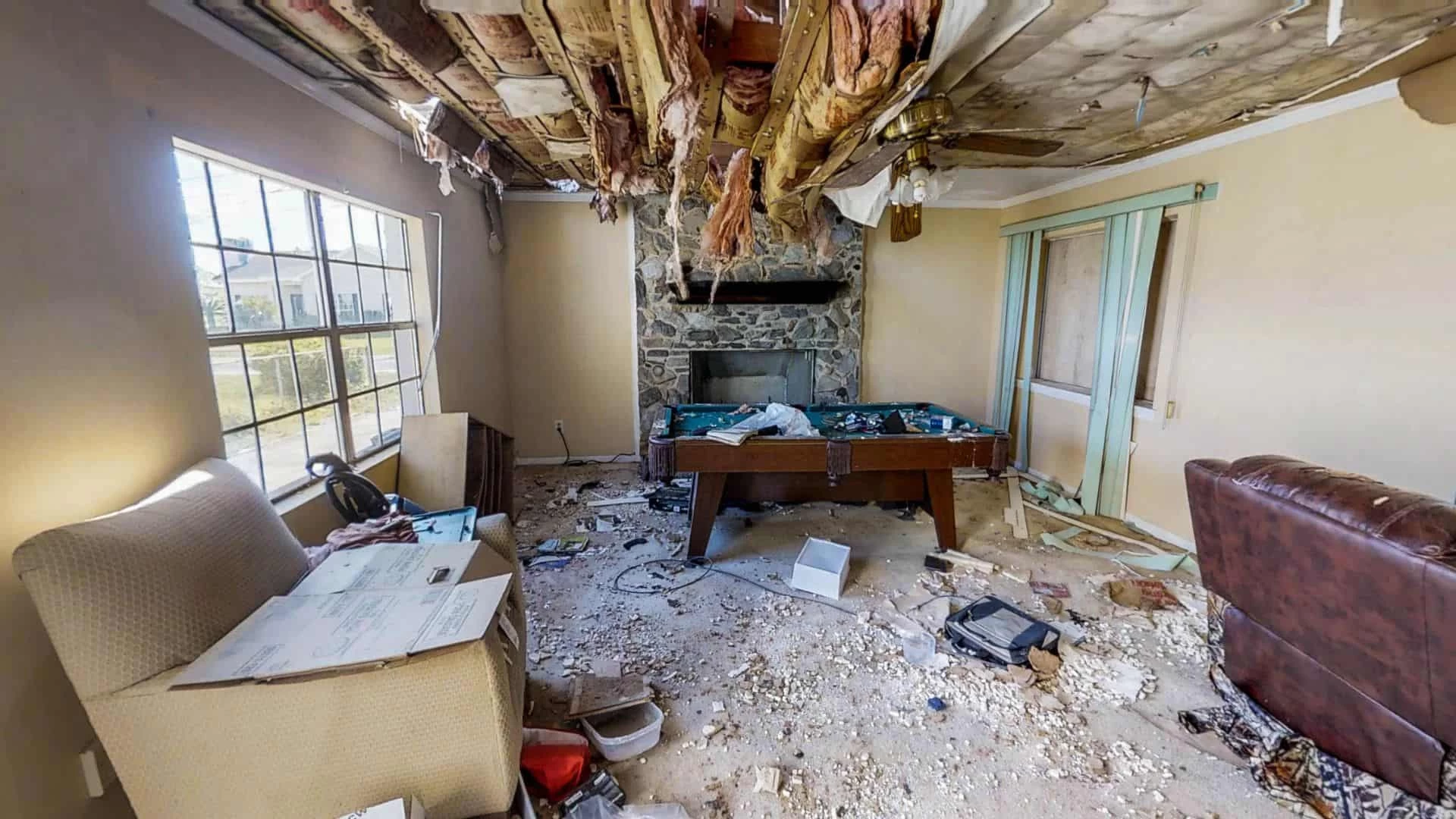
Living on the South Shore means you already know what flood risk looks like. The Carmans River to your west, Beaver Dam Creek to your east, Great South Bay at your back and a FEMA flood zone designation that isn’t just a map label, it’s a real condition your home deals with every storm season. When water gets in, the damage isn’t just what you can see. It’s what’s happening inside your walls, under your floors, and in the structural framing of your home while you’re still trying to figure out who to call.
The most important thing to understand is that mold doesn’t wait for a convenient time. The IICRC documents mold growth beginning within 24 to 48 hours of water exposure and in Brookhaven’s older homes, many of which were built well before 1978, that window closes even faster. Original wood framing, plaster walls, and older insulation absorb moisture differently than modern materials. A home that looks mostly fine on the surface can have saturated structural members already hosting mold by the time a technician shows up three days later.
Professional water damage restoration done right means you get your home back dry, safe, and structurally sound without a mold problem showing up six weeks down the road. For homeowners in the Fireplace Historic District or anywhere near the waterways that define this hamlet, that outcome isn’t a luxury. It’s the only acceptable result.
Water Restoration Companies Serving Brookhaven, NY
Local Knowledge You Can't Fake, Service You Can Count On
We’re a Long Island restoration company not a franchise, not a call center, not an out-of-area operator with a landing page and a local area code. We serve communities across Suffolk County and know Brookhaven in a way that matters when your basement is flooded and you need someone who actually understands your situation.
That means knowing the difference between the hamlet of Brookhaven and the Town of Brookhaven. It means understanding that a home near Beaver Dam Creek or along Montauk Highway in the 11719 ZIP code carries a specific flood risk profile that generic restoration companies don’t account for. It means recognizing that a pre-1978 home in Brookhaven may have asbestos-containing materials behind the walls and that tearing into them without testing first is a legal and health problem, not just a procedural one.
We handle water damage, mold remediation, asbestos testing and abatement, air quality testing, and more all under one roof. For Brookhaven homeowners, that matters. One call, one company, no dangerous handoffs between contractors.
Water Damage Restoration Service in Brookhaven, NY
From Flooded Basement to Fully Restored Here's the Process
The first call triggers an emergency response. We operate 24 hours a day, seven days a week, because flooding in a coastal hamlet doesn’t happen on a schedule. Whether it’s a nor’easter pushing water up from Great South Bay, the Carmans River overflowing its banks during a spring storm, or a burst pipe at 2am in January, the response process starts the moment you call not the next business day.
When our crew arrives, the first priority is moisture detection, not just visible damage assessment. Thermal imaging cameras and calibrated moisture meters identify exactly where water has traveled behind walls, under flooring, inside structural cavities. In Brookhaven’s older homes, this step is critical. Water hides in places that look fine to the naked eye, and missing it means mold and structural damage that surface months later. If there’s any possibility of asbestos-containing materials in the affected area pipe insulation, floor tiles, ceiling tiles, joint compound testing happens before any demolition begins. New York State law requires it, and skipping it creates real liability for the homeowner.
From there, the process moves through water extraction, drying, dehumidification, and full structural restoration bringing your home back to its pre-damage condition. If your property is in a FEMA-designated flood zone (Zone AE covers significant portions of Brookhaven hamlet), we handle the documentation process with both your flood insurance and homeowners insurance in mind, since many residents carry both and the claims process for each works differently.
Water Restoration Service for Brookhaven, NY Homes
Full-Scope Restoration Built for South Shore Realities
Water damage restoration in Brookhaven isn’t a one-size job. The hamlet’s combination of coastal flood exposure, aging housing stock, and FEMA flood zone designations creates a restoration environment that’s more complex than most. Our service is built around that reality not a simplified checklist designed for a newer suburban neighborhood with no flood history.
Every job includes moisture mapping, water extraction, structural drying, and dehumidification. But for Brookhaven homes particularly those in or near the Fireplace Historic District the scope regularly extends into mold remediation, asbestos testing, lead paint protocols, and air quality verification before the job is considered complete. These aren’t add-ons. In a hamlet where many homes predate 1978 and some date back to the 19th century, they’re standard considerations that any responsible restoration company should address upfront.
We also manage the insurance documentation process directly. For homeowners carrying both NFIP flood insurance and a standard homeowners policy which is common for properties in Zone AE along the Carmans River or Beaver Dam Creek corridors proper documentation is the difference between a fully covered claim and a gap that comes out of your pocket. We work with your adjuster, organize the damage evidence in the format they require, and advocate for the maximum recovery your policies allow. You shouldn’t have to become a flood insurance expert on the worst day of your homeownership experience.
Does flood insurance cover water damage restoration costs in Brookhaven, NY?
This is one of the most common points of confusion for homeowners in Brookhaven, and it’s worth getting right. Flood insurance typically through the National Flood Insurance Program (NFIP) covers damage caused by flooding from an external source, like storm surge from Great South Bay, overflow from the Carmans River, or surface water intrusion during a major rain event. Standard homeowners insurance, on the other hand, covers sudden and accidental water damage from internal sources a burst pipe, a failed water heater, an overflowing appliance.
Many properties in Brookhaven’s FEMA Zone AE designation are required to carry flood insurance if they have a mortgage, which means a significant number of homeowners here are actually dealing with two separate policies when flooding occurs. The coverage boundaries between them matter a lot for what gets paid. We document damage in a way that accounts for both policies identifying what falls under flood coverage versus homeowners coverage so your claim is submitted correctly and you’re not leaving money on the table because of a documentation error.
How quickly does mold start growing after water damage in my home?
According to the IICRC the industry’s primary certification and standards body mold can begin colonizing within 24 to 48 hours of water exposure under the right conditions. Temperature, humidity, and the type of material that got wet all affect how fast that happens. In Brookhaven’s older homes, the risk moves toward the faster end of that window. Original wood framing, plaster, and older insulation materials absorb and hold moisture more readily than modern drywall and synthetic materials, giving mold a better environment to establish itself quickly.
The practical implication is that waiting to see how bad it is or hoping it dries out on its own is a costly gamble. What looks like a manageable wet basement can become a mold remediation job within two days if the moisture isn’t extracted and the structure isn’t dried professionally. Beyond the health concerns, mold remediation in a home with older building materials is significantly more involved and expensive than water damage restoration alone. Speed of response is the single biggest factor in keeping the scope and cost of the job manageable.
My Brookhaven home was built before 1978 does that affect the restoration process?
Yes, and it’s important to understand why before any demolition work begins. Homes built before 1978 which describes a large portion of Brookhaven hamlet’s housing stock, including many properties in and around the Fireplace Historic District commonly contain asbestos-containing materials and lead paint. Asbestos was used in pipe insulation, floor tiles, ceiling tiles, joint compound, and roofing materials through the 1970s. Lead paint was standard in residential construction until it was banned for that use in 1978.
New York State law requires licensed asbestos abatement before disturbing materials that may contain it, and EPA regulations require RRP (Renovation, Repair and Painting) compliance for lead paint work in pre-1978 homes. A restoration company that skips testing and tears into walls without knowing what’s there isn’t just cutting corners they’re creating a serious health and legal liability for you as the homeowner. We handle asbestos testing, abatement, and lead paint protocols in-house, so the restoration process stays compliant and safe from start to finish without stopping work to bring in a separate contractor.
What should I do immediately after my basement floods in Brookhaven?
The first thing to do is make sure the space is safe to enter. If there’s any chance the flooding reached electrical outlets, panels, or appliances, don’t go in until the power to that area has been shut off. Water and live electricity in a basement is a life-safety issue, not just a property issue. Once you’ve confirmed it’s safe, call a professional restoration company don’t start pulling up carpet or moving wet materials yourself if you’re not sure what’s behind the walls or under the floor.
Document everything before anything is moved or removed. Photos and video of the damage are essential for your insurance claim, whether it’s filed under flood insurance, homeowners insurance, or both. In Brookhaven, where many properties sit near the Carmans River or Beaver Dam Creek and carry FEMA flood zone designations, the source of the flooding matters for how the claim is categorized. After documentation, the priority is getting water extracted and drying started as fast as possible every hour the water sits, the damage extends further into structural materials and the mold clock keeps running.
How long does water damage restoration typically take for a home in Brookhaven?
The honest answer is that it depends on how much water got in, how long it sat, and what materials were affected. A straightforward basement flooding event with no secondary damage no mold, no asbestos concerns, no structural compromise can typically be mitigated and dried within three to five days using professional-grade extraction and drying equipment. Full restoration, meaning repairs to drywall, flooring, and finishes, adds time on top of that depending on the scope.
In Brookhaven’s older homes, the timeline often extends beyond the baseline because of the additional steps required. If asbestos testing is needed before demo work can begin, that adds time. If mold is already present which can happen quickly in a home with older, more absorbent building materials remediation has to happen before reconstruction begins. The most reliable way to get an accurate timeline is to have a professional assess the actual conditions in your home, not rely on a general estimate. What we can tell you is that starting the process faster always shortens the total timeline the longer water sits, the more there is to fix.
Does Green Island Group handle water damage restoration for historic homes in Brookhaven's Fireplace Historic District?
Yes, and the historic character of the hamlet is something we take seriously. The Fireplace Historic District covers a meaningful portion of Brookhaven hamlet’s core, and the homes within it some dating to the 19th century require a different level of care than standard postwar construction. Original hardwood floors, plaster walls, period trim, and historic structural materials aren’t interchangeable with modern equivalents, and a restoration approach that treats them that way does real, lasting damage to a property’s character and value.
Our multi-service capability is particularly relevant here. Because asbestos testing, lead paint protocols, mold remediation, and water damage restoration are all handled in-house, the work on a historic home stays coordinated and careful throughout the entire process. There’s no gap between a water damage crew that doesn’t know what’s behind the walls and an abatement contractor who shows up later without context. For a homeowner in the Fireplace Historic District with a property valued at or above the hamlet’s median of roughly $750,000, that continuity and care isn’t a small thing it’s what protects both the home’s integrity and your investment in it.