When Water Hits a Cedarhurst Home, We Respond Before Mold Takes Hold
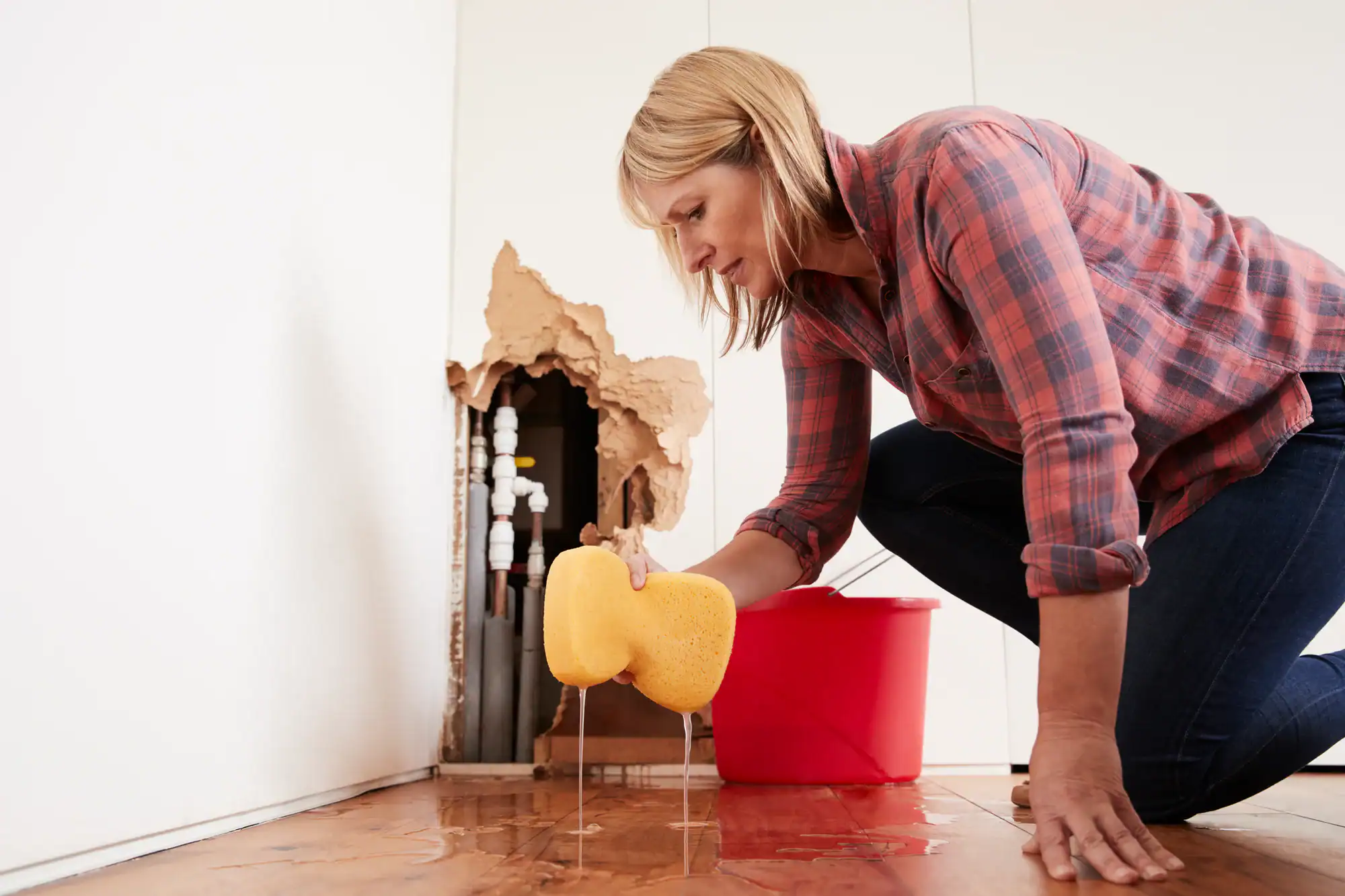
Water damage moves fast — and in a Cedarhurst home worth over a million dollars, every hour you wait makes the problem worse. We respond around the clock, handle your insurance claim, and don’t leave until your home is actually dry.
I needed a professional consultation explanation of procedure for safe removal of Asbestos in my apartment complex. Without having an account yet, I was very impressed with the caring, knowledgeable and generous advice offered by Jessica, and will look forward to doing business in the future. Thank you so much! I feel much more informed about a sometimes scary endeavor. Peace. Nancy Silva Mineola, NY.
Mia Munoz
Used this company to clean up some water flood in my house. They were fast and easy to work with.very professional, Would recommend to anyone!
Nini Valle
Great company, had a flood and they responded quickly and efficiently. Billed my insurance company directly. I highly recommend this company!
joe colapietro, jr
I had pipe freeze in my basement right before a snow storm and they made to within an hour to help start the clean up process. They we by our side throughout the entire process and even helped with the insurance company. They did such a great job with the cleanup, repair, remidiation, I contracted them to perform the repairs and finishes in the basement. They came with enough manpower and material to get the job done. Leo and Jessica were nothing but a pleasure to deal with!!
Cristian Arredondo c
I had some water damage in my home and Green Island was able to take care of my issue quickly and effectively. I am very pleased with the work they did. They responded quickly and were very professional.
Michael M
Outstanding service! From the office to the field crew everyone was friendly, helpful and responsive. I highly recommend Green Island Group.
The visible water is only part of the problem. What stays behind — inside wall cavities, under your hardwood floors, in the subfloor beneath a finished basement — is what turns a manageable cleanup into a mold remediation project that displaces your family for weeks. Getting ahead of that is the whole job.
Cedarhurst homes were largely built in the early-to-mid 20th century, before modern waterproofing standards existed. Older foundations, cast iron plumbing, and finished basements that were never designed with flood resistance in mind — that combination means moisture hides in places a shop vac and a hardware store fan will never reach. The right equipment pulls moisture from inside structural materials, not just off the surface.
This area sits on one of the most flood-exposed corridors on Long Island. Between nor’easters pushing water from the northeast and storm surge events like Sandy — which hit the Five Towns South Shore with up to 10 feet of water — the risk here isn’t hypothetical. When you get a proper dry-out done right the first time, you’re not just cleaning up. You’re protecting a home that took years to build and a community you chose to be part of.
Local Ownership Means Someone in Cedarhurst Actually Knows Your Street
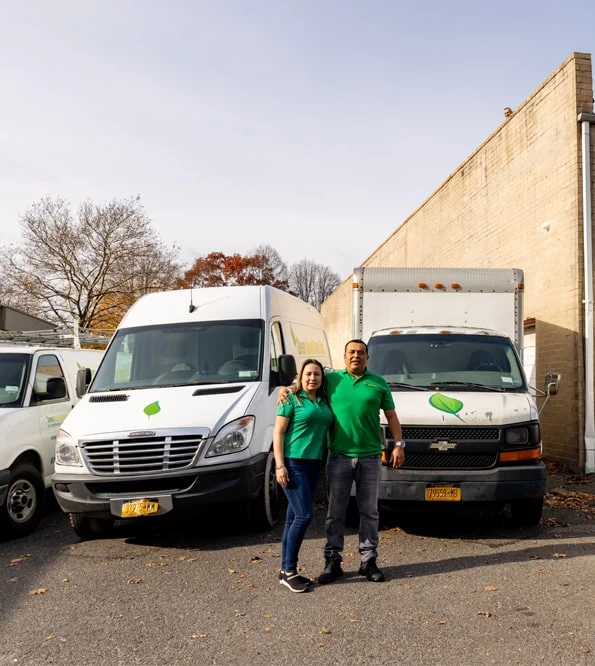
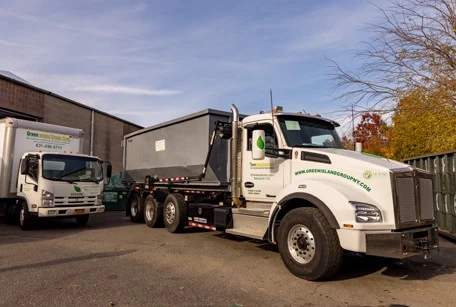
We’re a locally owned, Long Island-based water restoration company — not a franchise with a national call center and a rotating crew. When you call, you reach someone who knows Cedarhurst, knows the Five Towns, and can have a team at your door without routing your emergency through three time zones first.
That matters here specifically. Cedarhurst is a tight-knit community. Word travels fast — through the neighborhood, through the schools in the Lawrence Union Free School District, through the businesses along Central Avenue. A company that does sloppy work or disappears after cashing a check doesn’t survive long in a place like this. Our reputation is built one house at a time, and we treat it that way.
We’re fully licensed under New York State’s Mold Law, IICRC-certified, and carry all required insurance. We also work directly with your insurance carrier — documenting everything to the standard adjusters actually require, so your claim doesn’t fall apart on a technicality.
The first thing we do when we arrive is assess — not just what’s wet, but where moisture has traveled. We use thermal imaging cameras and calibrated moisture meters to map the full scope of the damage, including inside walls and under flooring where water goes invisible. In an older Cedarhurst colonial with a finished basement, that step alone can be the difference between a complete dry-out and a mold problem three weeks later.
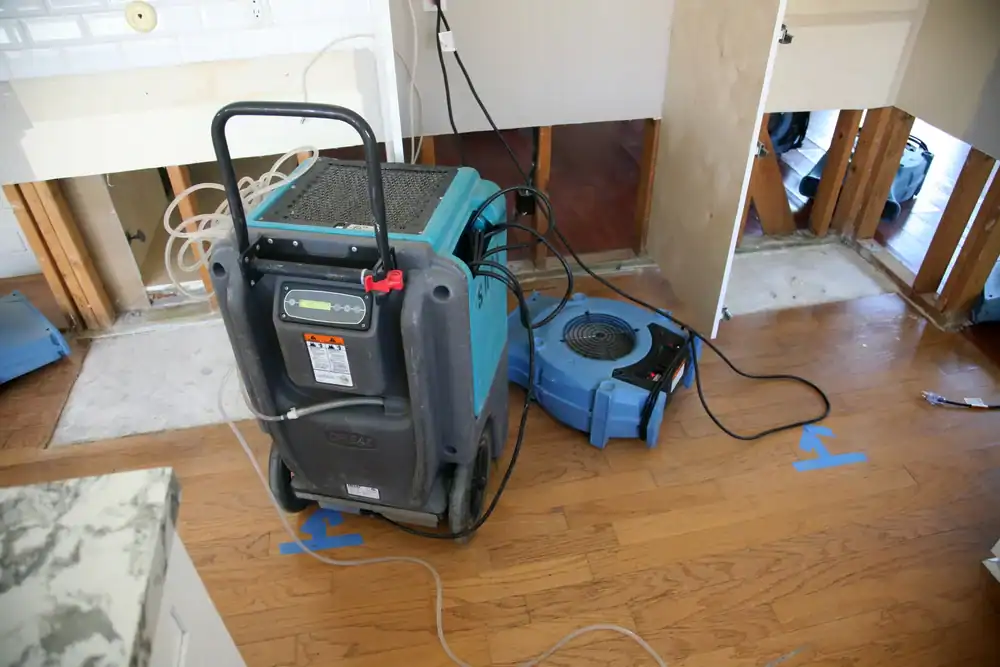
Once we know what we’re dealing with, we extract standing water and set industrial drying equipment — desiccant dehumidifiers and air movers engineered to dry structural materials from the inside out. This isn’t overnight work. Proper structural drying takes time, and we monitor moisture readings throughout the process, not just at the end. We don’t pull equipment until the numbers confirm your home is actually dry.
If mold is present or suspected, we follow New York State’s Mold Law, which requires separate licensing for assessment and remediation — a legal requirement that many operators quietly skip. Throughout the entire process, we handle documentation for your insurance claim: photos, moisture mapping data, equipment logs, and drying records formatted to what your adjuster needs. By the time we’re done, you have a fully dried, professionally documented restoration — and a claim file that holds up.
Water Restoration Service, Five Towns Nassau County
What's Included When Cedarhurst Calls Green Island Group
Every job starts with a full moisture assessment — thermal imaging, moisture mapping, and a clear picture of where the damage actually is, not just where it looks like it is. From there, we handle water extraction, structural drying, and ongoing moisture monitoring until the readings confirm completion. If contents need to be moved or protected during the process, we take care of that too.
For homes in Cedarhurst and the Five Towns corridor, we also address the conditions that make South Shore water damage uniquely persistent: the coastal humidity that slows drying, the older building materials that absorb and hold moisture longer than modern construction, and the finished basement configurations that are common in Cedarhurst colonials and create hidden moisture pockets. These aren’t afterthoughts — they’re built into how we approach every job in this area.
If mold is found during the restoration process, we are fully licensed under New York State’s Mold Law to handle remediation — no subcontracting, no gaps in accountability. And because most sudden water damage events in Cedarhurst are covered under standard homeowners insurance policies, we work directly with your carrier from day one: documentation, adjuster communication, and claim support handled on your behalf. You don’t need to figure out the insurance process on top of everything else.
Does homeowners insurance cover water damage restoration in Cedarhurst, NY?
In most cases, yes — but the details matter. Standard homeowners insurance policies in New York typically cover sudden and accidental water damage, which includes things like a burst pipe, an appliance failure, or water intrusion from a storm event. What they generally don’t cover is flooding from an external source, like storm surge or overflowing waterways — that requires separate flood insurance through the National Flood Insurance Program (NFIP).
Given Cedarhurst’s position on the South Shore and its documented flood vulnerability — FEMA has revised Nassau County’s flood zone maps multiple times since Sandy — many homeowners here carry both policies. If you’re not sure what you have, we can help you figure that out before we start work. We document everything to the standard insurance adjusters require, communicate directly with your carrier, and make sure the claim process doesn’t add to an already stressful situation.
How quickly can mold start growing after water damage in my Cedarhurst home?
Mold can begin growing within 24 to 48 hours of water intrusion — and in Cedarhurst, where coastal humidity is already elevated during warm months, that window can feel even tighter. The real risk isn’t the mold you can see. It’s what’s developing inside wall cavities, under flooring, and behind baseboards while everything looks dry on the surface.
This is exactly why the drying process matters as much as the water removal. Pulling standing water out of a basement is the easy part. Getting moisture out of the structural materials — the framing, the subfloor, the drywall — is what actually stops mold from taking hold. We monitor moisture readings throughout the job, not just at the start, because a wall that feels dry to the touch can still be holding enough moisture to support mold growth days later.
What makes water damage in Five Towns homes different from other areas on Long Island?
A few things. First, the geography — Cedarhurst and the Five Towns sit between Jamaica Bay and the Atlantic barrier islands, which makes the entire South Shore corridor unusually vulnerable to flooding from multiple directions: storm surge from the south, tidal backflow through the inlets, and interior flooding when the drainage infrastructure gets overwhelmed during heavy rain. That’s not a problem you’d have in a more inland Nassau County community like Elmont or Valley Stream.
Second, the housing stock. A significant portion of Cedarhurst’s homes were built in the early-to-mid 20th century — before modern waterproofing standards, before current building codes, and with materials that absorb and hold moisture differently than newer construction. Older foundations, cast iron plumbing past its service life, and finished basements that were never designed for flood resistance — that combination means water damage here tends to be more complex than it looks on the surface, and it requires equipment and expertise matched to that reality.
How long does a full water damage restoration job typically take to complete?
It depends on the scope, but a standard residential water damage job — water extraction, structural drying, and final clearance — typically takes between three and five days for a contained event like a burst pipe or appliance failure. A more significant event, like basement flooding from a nor’easter or storm surge, can take longer depending on how much structural material absorbed water and how the drying progresses.
The honest answer is that we don’t pull equipment on a fixed schedule. We pull it when the moisture readings confirm the structure is dry — not when a certain number of days have passed. That’s the IICRC S500 standard, and it’s also what your insurance company uses to evaluate whether the job was done correctly. Rushing the drying phase to save a day is one of the most common reasons water damage jobs end in mold problems a few weeks later. We’d rather take the extra day and have you actually done with this.
Is Green Island Group licensed for mold remediation under New York State law?
Yes. New York State’s Mold Law, which took effect in 2016 and is administered by the NY State Department of Labor, requires that mold assessment and mold remediation be performed by separately licensed professionals. These are distinct licenses — a company can’t hold one and legally perform both. We hold the required licenses, meaning every aspect of water damage and mold remediation work we perform is fully compliant with state law.
This matters more than it might seem. In a community like Cedarhurst — where the combination of South Shore humidity, aging housing stock, and a documented history of storm flooding creates persistent mold risk — unlicensed mold work isn’t just a quality concern. It can void your insurance claim, create liability issues if you sell the home, and leave you with a recurring problem that a licensed remediator would have resolved properly the first time. Before you hire anyone for mold work in Nassau County, verify their NY State Department of Labor license. We’ll show you ours.
What should I do in the first hour after discovering water damage in my Cedarhurst home?
The most important thing is to stop the source if you can — shut off the water supply valve if it’s a plumbing failure, or stop using anything that might be contributing to the flow. After that, don’t wait to call. The 24 to 48 hour mold window starts the moment water contacts your walls, floors, and structural materials, and every hour of delay narrows the margin between a straightforward dry-out and a much larger remediation project.
Don’t run to the hardware store for fans and a wet-vac. Those tools move air on the surface — they can’t extract moisture from inside wall cavities or under your flooring, and they can actually spread contaminated water to areas that weren’t originally affected. Take photos before you move anything, because that documentation is the foundation of your insurance claim. Then call us. We’re available around the clock, we’re based on Long Island, and we can reach Cedarhurst quickly — no national dispatch, no call center, no waiting until morning.