When Water Enters a Centerport Home, Every Hour Counts
When water gets into a home on the North Shore, the clock starts immediately. We provide water damage restoration in Centerport, NY that goes past the surface finding hidden moisture before it turns into a mold problem you can’t see.
I needed a professional consultation explanation of procedure for safe removal of Asbestos in my apartment complex. Without having an account yet, I was very impressed with the caring, knowledgeable and generous advice offered by Jessica, and will look forward to doing business in the future. Thank you so much! I feel much more informed about a sometimes scary endeavor. Peace. Nancy Silva Mineola, NY.
Mia Munoz
Used this company to clean up some water flood in my house. They were fast and easy to work with.very professional, Would recommend to anyone!
Nini Valle
Great company, had a flood and they responded quickly and efficiently. Billed my insurance company directly. I highly recommend this company!
joe colapietro, jr
I had pipe freeze in my basement right before a snow storm and they made to within an hour to help start the clean up process. They we by our side throughout the entire process and even helped with the insurance company. They did such a great job with the cleanup, repair, remidiation, I contracted them to perform the repairs and finishes in the basement. They came with enough manpower and material to get the job done. Leo and Jessica were nothing but a pleasure to deal with!!
Cristian Arredondo c
I had some water damage in my home and Green Island was able to take care of my issue quickly and effectively. I am very pleased with the work they did. They responded quickly and were very professional.
Michael M
Outstanding service! From the office to the field crew everyone was friendly, helpful and responsive. I highly recommend Green Island Group.
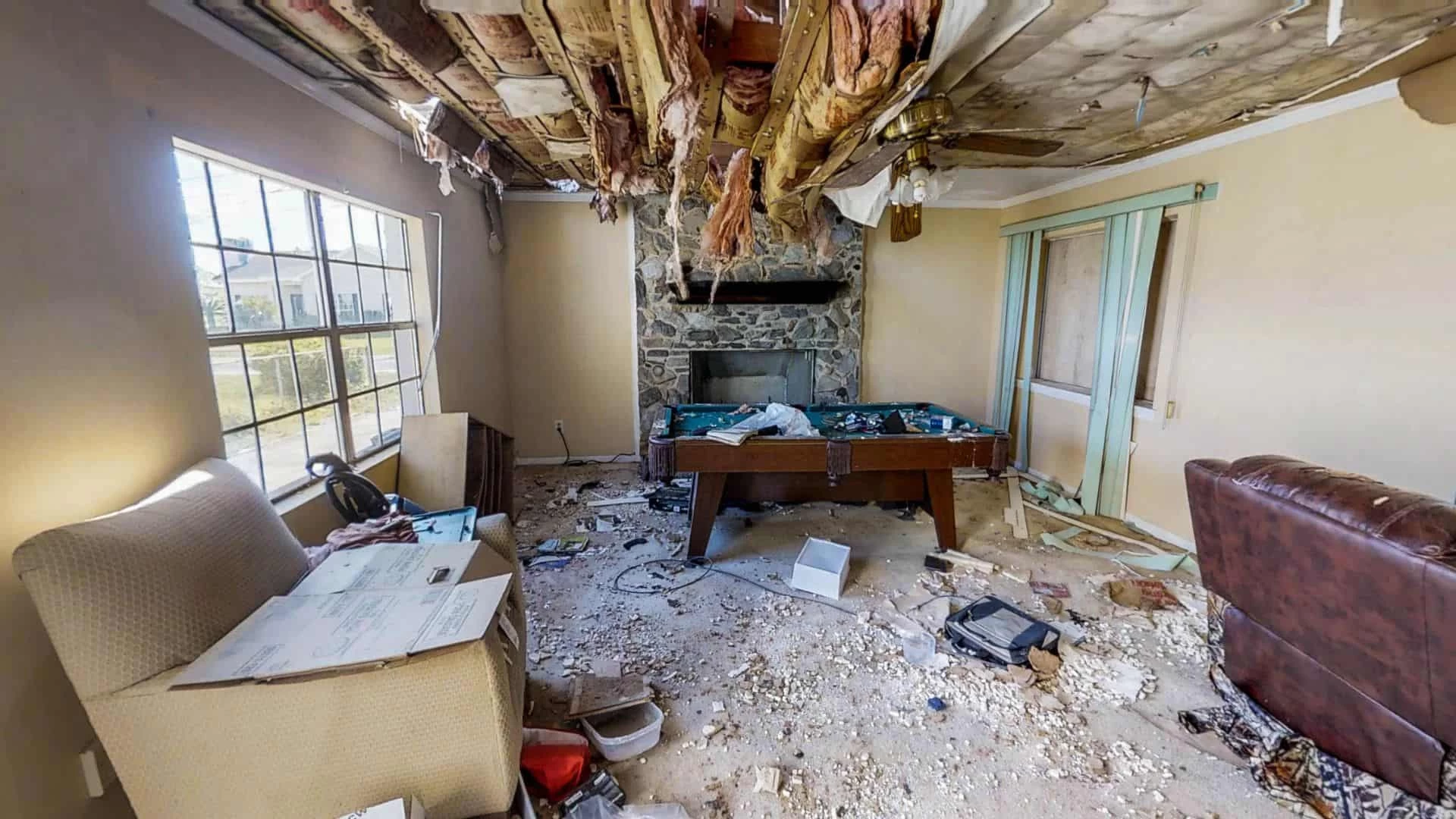
Water damage isn’t just about what you can see. It’s what’s sitting behind your drywall, under your hardwood floors, and inside the framing of a home that may have been standing since before 1970. In Centerport, where a significant portion of the housing stock is older and a lot of it sits close to the harbor, that hidden moisture has nowhere good to go and it doesn’t wait for you to find it.
Mold can start colonizing within 24 to 48 hours of water exposure. This is the IICRC standard, and it’s the reason response time matters as much as the work itself. When the job is done right, you get your home back structurally sound, fully dried, and cleared by moisture readings not just dried-looking.
For homeowners near Centerport Harbor or along Little Neck Road, where nor’easters and coastal storms can push water through a foundation in hours, the difference between a thorough restoration and a surface job can be tens of thousands of dollars in follow-up work. In a community where homes average nearly $800,000, that’s not a risk worth taking.
Water Restoration Companies Serving Centerport, NY
One Company Handles It All No Handoffs, No Gaps
We’re a Long Island-based environmental and property restoration company not a national franchise, not a call center with a local area code slapped on it. When you call, you reach people who actually work on Long Island, know the North Shore, and understand what water damage looks like in a 1960s Colonial off Route 25A versus a waterfront property on the Vanderbilt peninsula in Centerport.
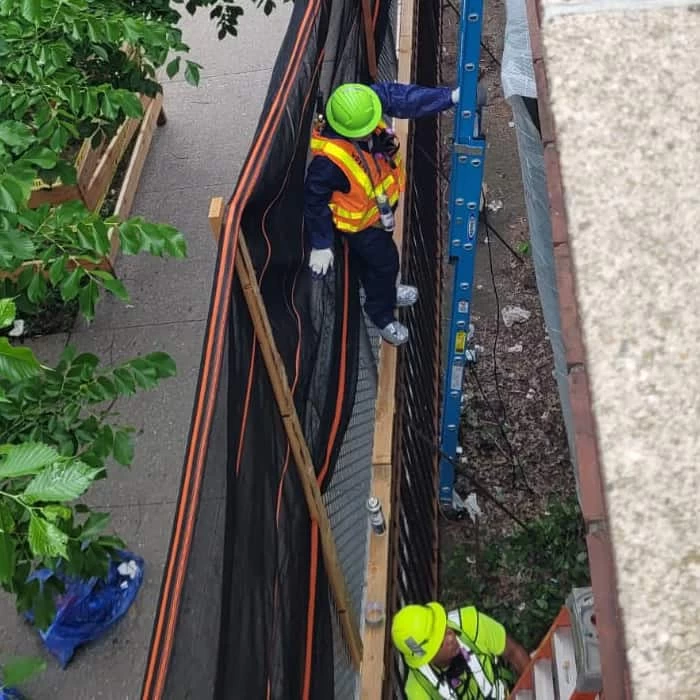
What makes the difference for Centerport homeowners specifically is our multi-service capability. Water damage in an older home doesn’t always stay a water problem. If opening walls uncovers asbestos-containing materials which is realistic in any pre-1978 home in this area we handle that in-house. Asbestos testing, abatement, mold remediation, air quality testing: it’s all under one roof, which means no second contractor, no added delay, and no gap in accountability.
That matters in a community this size. Centerport has fewer than 6,000 residents. Reputation travels fast here, and we work accordingly.
Water Restoration Service Process in Centerport, NY
From the First Call to the Final Walkthrough Here's Our Process
It starts with an emergency response call 24 hours a day, seven days a week. Whether it’s a burst pipe during a January cold snap or a flooded basement after a nor’easter rolls through Northport Bay, someone picks up and a crew gets moving. The goal on arrival is assessment first: not pulling out equipment and hoping for the best, but actually mapping the moisture. Thermal imaging and professional moisture meters show exactly where the water has traveled, including places that look dry but aren’t.
Once the full picture is clear, extraction and structural drying begin. We place equipment based on where the moisture actually is not just where the water was visible. This matters especially in Centerport’s older homes, where original plaster walls, wood subfloors, and finished basements can hold moisture in ways that newer construction doesn’t.
If the scope of the job involves structural repairs replacing drywall, flooring, or framing the Town of Huntington Building Department may require permits depending on the extent of the work. We’re familiar with those requirements and can help navigate that process so there are no surprises at resale. The job isn’t done when the equipment comes out. It’s done when moisture readings confirm the structure is dry and the space is ready for restoration.
Water Damage Restoration Services in Centerport, NY
Full Restoration Not Just Drying Equipment and a Handshake
A lot of restoration companies stop at extraction and drying. They place equipment, come back a few days later, pull it out, and hand you back a home with bare concrete, exposed studs, and no clear path to what comes next. That’s not restoration that’s the first half of the job.
We handle the full scope: emergency water extraction, structural drying with moisture documentation, mold assessment, and complete property restoration including drywall repair, flooring, and finishing. For Centerport homeowners with custom finishes, hardwood floors, or high-end construction, that distinction matters. The goal is your home back to its original condition not a dried-out shell you have to hire three more contractors to finish.
Because Centerport sits within the Town of Huntington and a meaningful share of its homes predate 1978, water damage jobs here sometimes surface complications that require more than a standard restoration crew. Asbestos-containing pipe insulation, floor tiles, and ceiling materials are common in homes of that era. We hold New York State Department of Labor licensing for asbestos handling and EPA RRP certification for lead paint so if the job uncovers something, it gets handled by the same team, on the same timeline, without starting over with a new contractor. That’s one phone call from start to finish.
Does homeowner's insurance cover water damage restoration in Centerport, NY?
It depends on the source of the water. Standard homeowner’s insurance policies typically cover sudden and accidental water damage a burst pipe, an appliance failure, a roof leak from a storm. What they generally don’t cover is gradual damage that built up over time, or flooding from an external water source like storm surge or tidal overflow.
This is a particularly relevant distinction for Centerport homeowners near the harbor. If water entered your home during a coastal storm event from Centerport Harbor or Northport Bay pushing inland that’s typically considered flood damage, which falls under a separate flood insurance policy through the National Flood Insurance Program, not your standard homeowner’s policy. Many waterfront and near-waterfront homeowners in Centerport carry both. We document damage thoroughly and work directly with your insurance adjuster to make sure the right coverage is applied to the right damage. You don’t have to manage that process alone.
How quickly can mold develop after water damage in my home?
According to IICRC standards the governing body for professional water damage restoration mold can begin colonizing within 24 to 48 hours of water exposure. That window doesn’t pause for weekends or holidays, and it doesn’t care whether the water is visible or hidden inside a wall cavity.
The reason this matters so much in older Centerport homes is that moisture tends to travel further and hide longer in traditional construction. Original plaster walls, wood subfloors, and older insulation absorb and hold water differently than modern materials. A surface that feels dry to the touch can still have elevated moisture readings behind it. If mold establishes itself inside a wall before it’s detected, you’re no longer dealing with a water damage job you’re dealing with a water damage job plus a mold remediation job, which is a meaningfully larger scope and cost. The fastest way to avoid that outcome is professional moisture mapping on day one, not a few days in when the surface finally looks dry.
My Centerport home was built in the 1960s does that change the restoration process?
Yes, in a few important ways. Homes built before 1978 in New York commonly contain asbestos-containing materials pipe insulation, floor tiles, ceiling tiles, and joint compound among them. They may also contain lead-based paint. Under EPA Renovation, Repair and Painting Rule requirements and New York State Department of Labor regulations, any work that disturbs these materials requires certified handling. That means if water damage requires opening walls or removing flooring in a pre-1978 Centerport home, the job can’t proceed the same way it would in a newer structure.
We hold the appropriate NY State DOL licensing for asbestos assessment and abatement, along with EPA RRP certification for lead paint. If the restoration scope uncovers either, it gets handled in-house no separate contractor, no added weeks of delay while you coordinate between companies. This is one of the more practical reasons to choose a multi-service environmental firm over a standard restoration crew for older homes in this area.
Can I stay in my home during water damage restoration?
In many cases, yes but it depends on the extent of the damage and what the restoration process uncovers. If the affected area is contained to one room or one section of the home, and the work doesn’t involve hazardous materials, most homeowners can remain in the house during the drying phase. Industrial drying equipment is loud and can be disruptive, but it doesn’t necessarily make the home uninhabitable.
Where it gets more complicated is when the damage is widespread multiple rooms, a finished basement, or areas that require significant demolition or when asbestos or mold is identified. In those situations, certain areas of the home may need to be isolated or vacated during active remediation work, both for your safety and to prevent cross-contamination. We’ll give you a clear, honest assessment of what the scope requires before work begins, so you can make a realistic plan rather than finding out mid-job that you need to leave for a week.
What's the difference between water damage restoration and water damage repair?
These terms get used interchangeably, but they describe different parts of the process. Water damage restoration refers to the full scope of work: extracting standing water, drying the structure, documenting moisture levels, addressing any secondary damage like mold, and returning the property to its pre-loss condition. Water damage repair is typically the reconstruction phase replacing drywall, repairing flooring, repainting that follows once the structure is fully dry and cleared.
Some companies only handle one side of that equation. They extract and dry, then leave you to find a contractor for the repairs. Others do repairs but aren’t equipped for the environmental and structural drying side. We handle both ends, which matters for Centerport homeowners who want a single point of accountability from the initial emergency call through the final walkthrough. In a home with hardwood floors, custom millwork, or high-end finishes which describes a lot of properties in this area having one team manage the full scope reduces the risk of miscommunication between the drying crew and the repair crew.
How much does water damage restoration typically cost in Centerport, NY?
The range is wide because the scope varies significantly. A contained pipe leak caught early might run a few thousand dollars. A basement flooding event after a coastal storm, or a situation where water has been sitting long enough to cause mold growth, can reach $15,000 to $30,000 or more depending on the extent of structural damage and what the remediation uncovers.
For Centerport specifically, a few factors tend to push costs higher than typical restoration work. Older homes with original construction materials are more labor-intensive to dry and repair correctly. Waterfront properties that experience storm surge or tidal flooding often involve Category 2 or Category 3 water which carries contaminants and requires a more rigorous remediation protocol than a clean water pipe break. And in any pre-1978 home where asbestos or lead is present, the regulatory requirements around safe handling add legitimate cost to the job. The best way to get an accurate number is a thorough on-site assessment not a phone estimate based on square footage alone.