Central Islip Homes Don't Get a Second Chance at the First 48 Hours
When water gets into a Central Islip home built in 1969, it doesn’t stay where you can see it. We respond 24/7 to water damage restoration calls across Central Islip handling everything from extraction to mold prevention under one roof.
I needed a professional consultation explanation of procedure for safe removal of Asbestos in my apartment complex. Without having an account yet, I was very impressed with the caring, knowledgeable and generous advice offered by Jessica, and will look forward to doing business in the future. Thank you so much! I feel much more informed about a sometimes scary endeavor. Peace. Nancy Silva Mineola, NY.
Mia Munoz
Used this company to clean up some water flood in my house. They were fast and easy to work with.very professional, Would recommend to anyone!
Nini Valle
Great company, had a flood and they responded quickly and efficiently. Billed my insurance company directly. I highly recommend this company!
joe colapietro, jr
I had pipe freeze in my basement right before a snow storm and they made to within an hour to help start the clean up process. They we by our side throughout the entire process and even helped with the insurance company. They did such a great job with the cleanup, repair, remidiation, I contracted them to perform the repairs and finishes in the basement. They came with enough manpower and material to get the job done. Leo and Jessica were nothing but a pleasure to deal with!!
Cristian Arredondo c
I had some water damage in my home and Green Island was able to take care of my issue quickly and effectively. I am very pleased with the work they did. They responded quickly and were very professional.
Michael M
Outstanding service! From the office to the field crew everyone was friendly, helpful and responsive. I highly recommend Green Island Group.
What Happens When the Water Is Gone and the Work Is Done Right
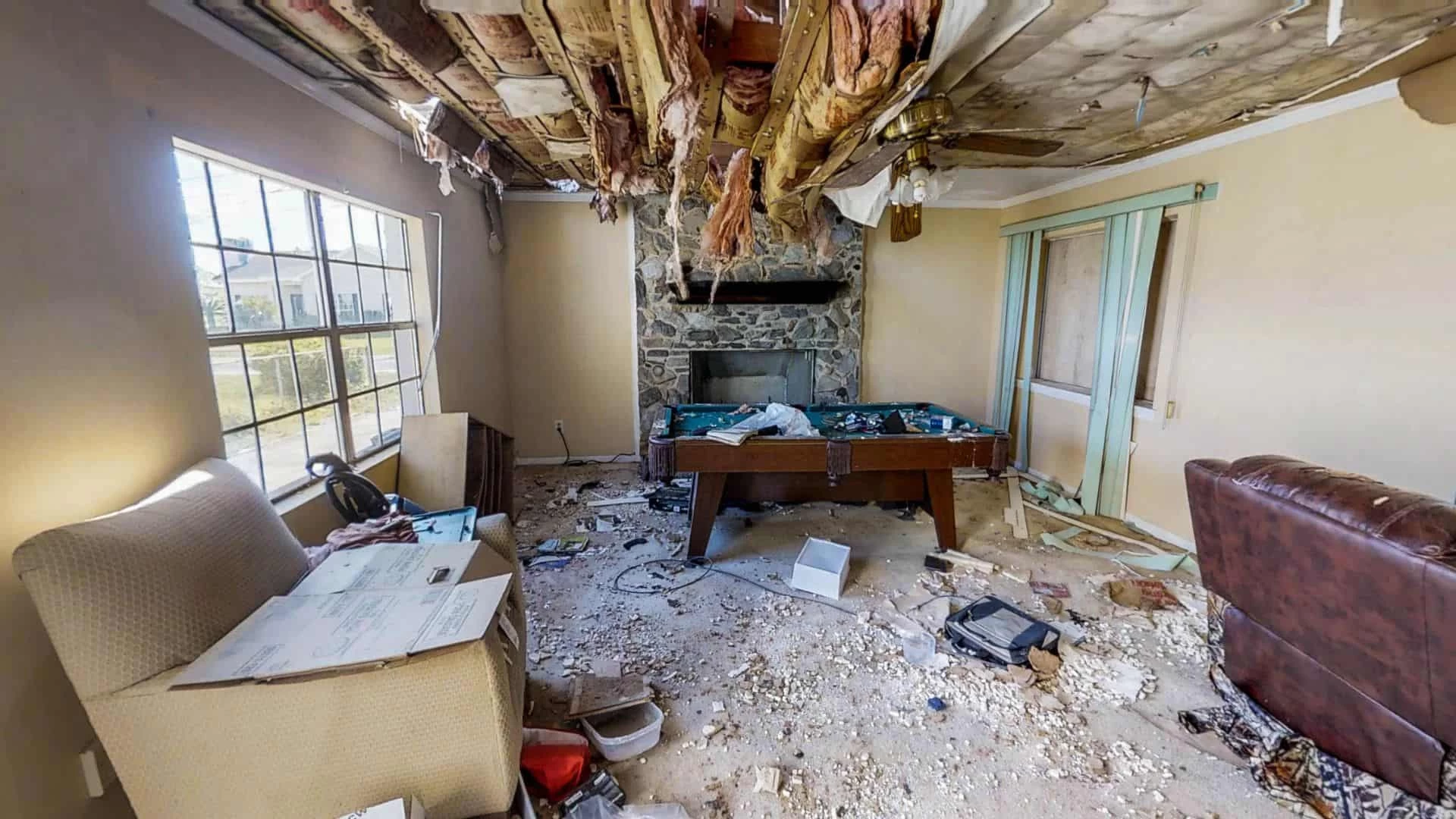
The visible water is only part of the problem. What you don’t see moisture sitting inside wall cavities, saturated subfloor, damp framing behind drywall is what turns a manageable water damage event into a mold remediation job six weeks later. Getting the drying done completely the first time is the only outcome that actually protects your home.
For Central Islip homeowners, that risk is compounded by the housing stock itself. Most homes here were built around 1969, which means older building assemblies that absorb and hold moisture longer than modern construction. When water gets in whether from a burst pipe on a January night or a sewer backup during a nor’easter it doesn’t just sit on the surface. It moves. And in a home with aging materials, it moves fast.
When the job is done correctly, you get your home back to the condition it was in before the damage happened. No lingering odor, no hidden moisture, no mold waiting to surface. You also get documentation photos, moisture readings, drying logs that your insurance company needs to process your claim. That matters here, where most families can’t absorb a five-figure restoration bill out of pocket and need the claim to go the right way.
We are a full-service environmental and property restoration company serving Central Islip and the broader Town of Islip including Bay Shore, Brentwood, Islip Terrace, and surrounding communities throughout Suffolk County. This isn’t a franchise operation routing your call through a national dispatch center. When you call, you reach people who actually work in Central Islip and know the specific challenges this community faces.
What separates us from most restoration outfits in the market is the scope of what we can handle in-house. Water damage in a Central Islip home built before 1980 rarely stays simple. Drywall comes down, and suddenly there’s a question about asbestos. A slow leak behind a wall produces mold before anyone noticed the problem. We are licensed for water damage restoration, mold remediation, asbestos abatement, lead paint removal, and air quality testing all under one roof, all without handing you off to a subcontractor and starting the clock over.
That matters when you’re dealing with a home near Courthouse Commons or a mid-century ranch off Suffolk Avenue and you need the whole problem solved, not just the part that’s easy.
No Guesswork Here's Exactly What the Process Looks Like
It starts with the call. We are available 24 hours a day, seven days a week because a pipe that bursts at midnight doesn’t wait for business hours, and neither should your response. When you reach out, you’re talking to someone local who can dispatch a crew and give you a real timeline, not a callback window.
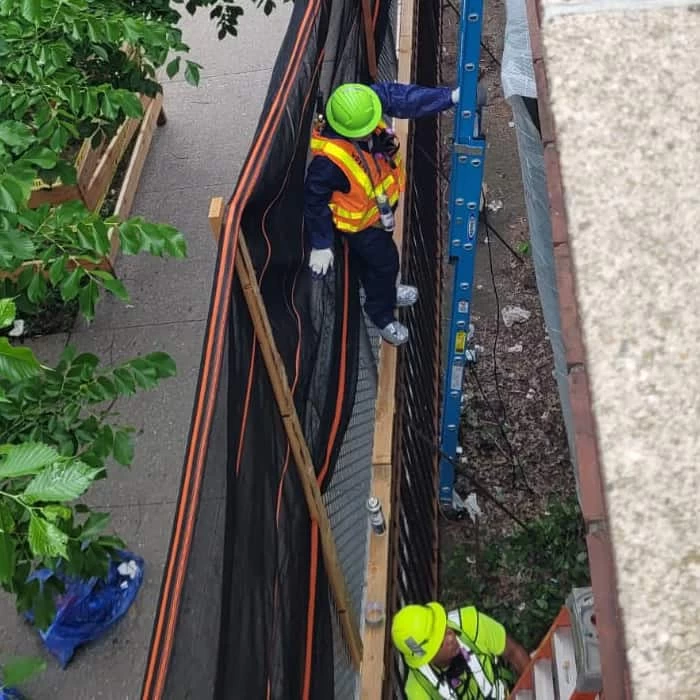
Once our team arrives, the first step is assessment not just what’s visible, but what isn’t. Using moisture meters and thermal imaging, our technicians map the full extent of water intrusion through your walls, floors, and structural framing. In Central Islip’s older homes, water travels further than most people expect, and skipping this step is how surface-level fixes become bigger problems later. If the assessment reveals materials that may contain asbestos which is a genuine possibility in any home built before 1980 in this area testing happens before any demolition begins. That’s not optional; it’s legally required under New York State regulations, and it’s part of how we protect you from liability.
From there, extraction and structural drying begin using industrial-grade equipment. We monitor moisture levels throughout the drying period and document everything for your insurance claim. When drying is complete and clearance is confirmed, restoration work replacing drywall, flooring, or other structural materials follows the Town of Islip’s permitting requirements so there are no issues down the road.
Built for What Central Islip Homes Actually Deal With
Water damage restoration in Central Islip isn’t a one-size situation. The community’s aging combined sewer infrastructure documented to back up into basements during heavy storms means a meaningful share of water events here involve Category 2 or Category 3 water. That’s not clean water from a supply line. It carries contamination that requires full biohazard protocols, complete removal of affected porous materials, and disinfection before any drying or reconstruction begins. Our technicians are trained and equipped to handle all three water damage categories under IICRC S500 standards not just the straightforward ones.
Our service covers the full scope: emergency water extraction, structural drying, moisture mapping, mold prevention treatment, contents protection, and coordination with your insurance carrier from the first call through final documentation. For homes built before 1978 which includes most of Central Islip’s housing stock the process also includes pre-demolition asbestos testing and, where needed, licensed abatement before any walls or floors come down. This is the step that most water-only restoration companies either skip or subcontract out, creating delays and gaps in accountability that you end up paying for.
We also handle commercial and multi-family restoration, which is directly relevant in a community where rental properties and multi-unit buildings are part of the housing landscape. If you’re a property manager dealing with a water event that’s affecting multiple units, we can scale the response and work directly with your insurance carrier on documentation and billing.
Does homeowners insurance cover water damage restoration in Central Islip, NY?
It depends on the source of the water, and the distinction matters more than most people realize. Standard homeowners insurance policies in New York typically cover sudden and accidental water damage a burst pipe, an appliance failure, an overflowing washing machine. What they generally don’t cover is flooding from an external source, like groundwater or storm surge, which requires a separate flood insurance policy through the National Flood Insurance Program.
Where it gets complicated in Central Islip is sewer backup. Because parts of the community have aging combined sewer systems that can back up into basements during heavy rainfall, this is a real and recurring scenario and standard policies often exclude it unless you’ve added a specific sewer backup endorsement. We work directly with insurance carriers and can help you understand what your policy covers before any work begins. The goal is to make sure you’re not leaving money on the table or getting caught off guard by an exclusion you didn’t know existed.
How quickly does mold start growing after water damage in my home?
Mold can begin colonizing within 24 to 48 hours of water exposure that’s the documented window from the IICRC, the industry’s governing standards body. It doesn’t take a visible flood. A slow leak behind a wall, a damp subfloor after a sump pump failure, moisture trapped in insulation after a pipe drip any of these can produce active mold growth within two days if the area isn’t dried properly.
In Central Islip’s older housing stock, this risk is higher than in newer construction. Homes built in the 1960s and 1970s have building assemblies wall cavities, floor systems, insulation types that absorb and retain moisture longer than modern materials. That means the window between water intrusion and mold growth is effectively shorter, because the materials stay wet longer. Getting a professional response in the first 24 hours isn’t about being cautious it’s the difference between a drying job and a full mold remediation project, which is significantly more expensive and disruptive.
My Central Islip home was built in the 1960s does that affect the restoration process?
Yes, and it’s something that should be addressed upfront before any demolition work begins. Homes built before 1980 which covers the majority of Central Islip’s housing stock, given the median construction year of 1969 commonly contain asbestos in drywall joint compound, floor tiles, pipe insulation, ceiling texture, and other materials. They also frequently have lead-based paint on interior and exterior surfaces.
Under New York State Department of Labor regulations, any demolition of materials in a pre-1980 home requires asbestos testing before work begins. If asbestos-containing materials are present, licensed abatement is legally required it’s not a recommendation, it’s a regulatory requirement. Similarly, the EPA’s Renovation, Repair and Painting Rule mandates lead-safe work practices in any pre-1978 home where painted surfaces are disturbed. We are licensed for both asbestos abatement and lead paint work, which means these steps happen in-house without delays from waiting on a separate environmental contractor. For Central Islip homeowners, this isn’t an edge case it’s the standard situation.
What's the difference between water damage categories, and why does it matter?
The IICRC classifies water damage into three categories based on contamination level, and the category determines everything what equipment is used, what materials can be dried versus removed, and what safety protocols our technicians follow. Category 1 is clean water from a supply line or appliance. Category 2, called gray water, comes from sources like washing machine discharge or toilet overflow without solid waste it carries some contamination. Category 3, black water, is the most serious: sewage backup, floodwater, or anything that’s been standing long enough to become biologically hazardous.
This matters specifically in Central Islip because sewer backup events where the aging combined sewer system pushes contaminated water into basements through floor drains are a documented and recurring problem here, particularly during heavy storms. A Category 3 event cannot be handled the same way as a burst pipe. All affected porous materials have to come out, the area requires disinfection, and technicians need appropriate protective equipment. A company that treats every water damage job the same way is cutting corners that put your family’s health at risk.
How long does water damage restoration typically take from start to finish?
The honest answer is that it varies depending on how much water got in, how long it sat before the call was made, what materials were affected, and whether secondary issues like mold or asbestos come into play. A straightforward extraction and drying job in a finished basement caught early, clean water source might take three to five days for the structural drying phase alone. More complex situations involving contaminated water, saturated wall assemblies, or required asbestos testing can extend the timeline.
In Central Islip, the age of the housing stock tends to push timelines toward the longer end of the range, because older building assemblies dry more slowly and are more likely to require pre-demolition testing before walls can come down. The best way to keep the timeline as short as possible is to call immediately every hour of delay increases the scope of what needs to be done. We provide a realistic timeline estimate during the initial assessment so you know what to plan for, not a number designed to get you to sign.
Can we handle the insurance claim process directly with your insurance company?
Yes and for most Central Islip homeowners, this is one of the most valuable parts of working with a company that knows the documentation side of restoration. We work directly with insurance carriers, handling the photos, moisture readings, drying logs, and scope documentation that adjusters need to process a water damage claim. This matters because insurance companies don’t pay based on what you say happened they pay based on what’s documented, and incomplete documentation is one of the most common reasons claims get reduced or disputed.
Our role isn’t to inflate a claim or manufacture damage. It’s to make sure the legitimate scope of what happened is fully captured and presented in a format that the insurance company can act on. In a community where most families are depending on that claim to cover the cost of restoration, having someone in your corner who understands how the documentation process works and who has done it many times with Suffolk County-area carriers can make a real difference in the outcome.