When the Bay Comes In, You Need Someone Already Here
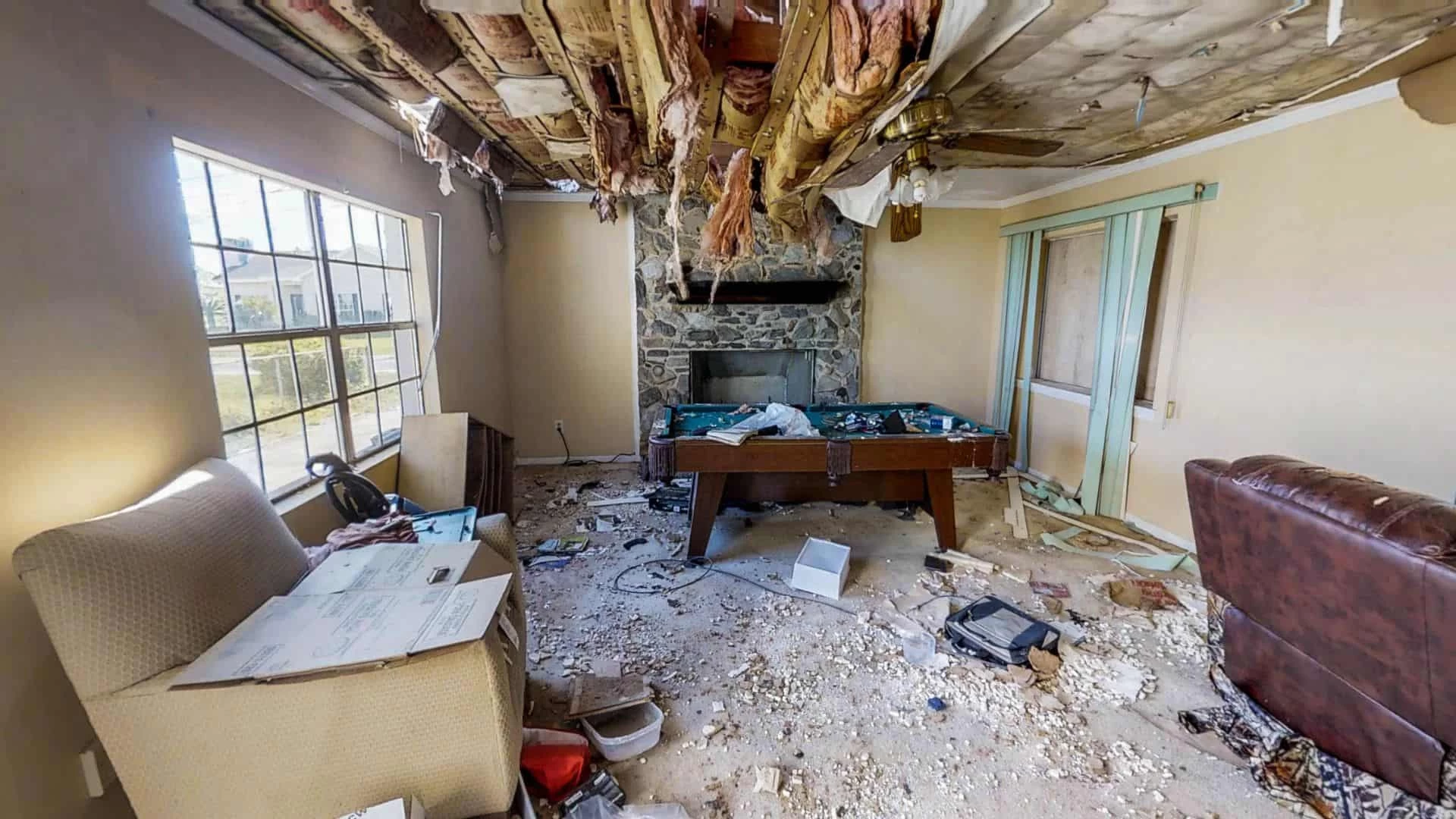
Copiague sits right on the Great South Bay and when water gets in, whether from a storm surge, a burst pipe, or a flooded basement, every hour you wait makes the damage worse. We provide 24/7 emergency water damage restoration for Copiague homeowners who need fast, local help from a team that actually knows this area.
I needed a professional consultation explanation of procedure for safe removal of Asbestos in my apartment complex. Without having an account yet, I was very impressed with the caring, knowledgeable and generous advice offered by Jessica, and will look forward to doing business in the future. Thank you so much! I feel much more informed about a sometimes scary endeavor. Peace. Nancy Silva Mineola, NY.
Mia Munoz
Used this company to clean up some water flood in my house. They were fast and easy to work with.very professional, Would recommend to anyone!
Nini Valle
Great company, had a flood and they responded quickly and efficiently. Billed my insurance company directly. I highly recommend this company!
joe colapietro, jr
I had pipe freeze in my basement right before a snow storm and they made to within an hour to help start the clean up process. They we by our side throughout the entire process and even helped with the insurance company. They did such a great job with the cleanup, repair, remidiation, I contracted them to perform the repairs and finishes in the basement. They came with enough manpower and material to get the job done. Leo and Jessica were nothing but a pleasure to deal with!!
Cristian Arredondo c
I had some water damage in my home and Green Island was able to take care of my issue quickly and effectively. I am very pleased with the work they did. They responded quickly and were very professional.
Michael M
Outstanding service! From the office to the field crew everyone was friendly, helpful and responsive. I highly recommend Green Island Group.
Dry Walls, No Hidden Moisture, No Mold Surprise Later
Here is what most homeowners do not realize until it is too late: water does not stay where you can see it. It moves through wall cavities, under subfloors, and into insulation especially in the post-WWII homes that make up most of Copiague’s housing stock. A home built in 1963 on a side street off Great Neck Road has original wood framing, original subfloors, and decades of layered materials that absorb and hold moisture long after the visible wet spot dries up. Surface drying is not the same as structural drying, and the difference between the two is where mold starts.
Mold can begin growing within 24 to 48 hours of water exposure. In Copiague’s coastal environment where summer humidity regularly runs high and bay-adjacent homes hold moisture in walls and crawl spaces that window can close even faster. Professional extraction, industrial dehumidification, and calibrated moisture metering are what actually stop the clock. Not a shop vac and a box fan.
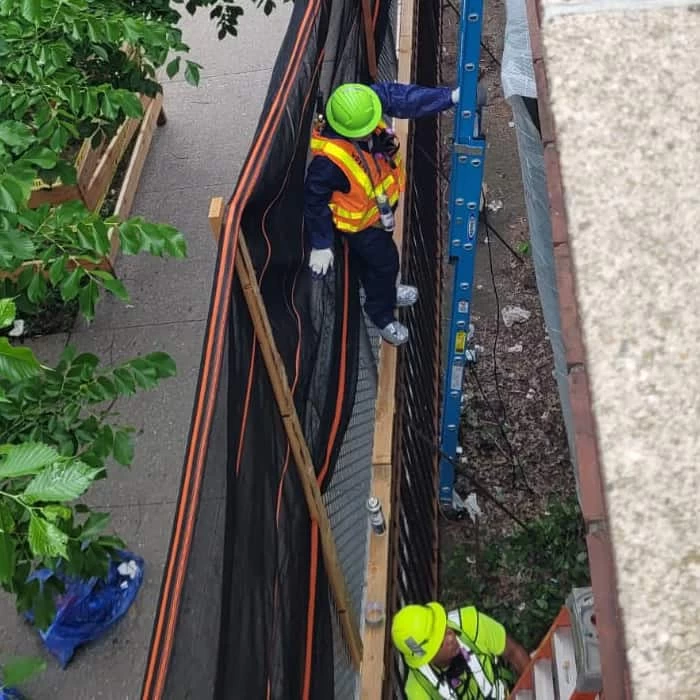
There is also something Copiague homeowners face that most inland towns do not. Homes of this era frequently contain asbestos in floor tiles, pipe insulation, and ceiling materials. When water damage restoration requires opening walls or pulling up flooring, those materials can be disturbed. A water-only restoration company is not equipped or licensed to handle that. We cover the full scope water, mold, asbestos, air quality so nothing gets missed and no one else needs to be called.
One Local Team for Everything the Water Leaves Behind
We are a Long Island-based environmental and property restoration company not a franchise, not a national brand with a local phone number. When you call, you reach a real team that serves Suffolk County and knows the South Shore. That matters in Copiague, where 27% of the entire housing stock sustained damage during Hurricane Sandy, and where the risk of coastal flooding is not a hypothetical. It is something this neighborhood has actually lived through.
We handle water damage restoration, mold remediation, asbestos testing and abatement, lead paint work, and air quality testing all under one roof. For Copiague homes built in the 1950s and 1960s, that multi-service capability is not a bonus feature. It is often what separates a clean job from a liability problem. From the waterfront near Tanner Park to the neighborhoods north of Sunrise Highway, we have worked in this community and understand what these homes actually contain.
What Actually Happens From the First Call to the Final Check
When you call, you reach someone immediately not a voicemail, not an answering service routing your call to a regional dispatch center. We operate 24/7, and for Copiague homeowners dealing with a flooded basement during a nor’easter or a burst pipe in a 1960s home, that availability is not a marketing line. It is the difference between catching damage early and dealing with a mold problem three weeks later.
Once on-site, the first step is a full moisture assessment. That means thermal imaging and calibrated moisture meters not a visual walkthrough. Water in Copiague’s older homes travels in ways that are not visible to the eye, and the assessment maps the full extent of intrusion before any equipment is placed. From there, commercial-grade extraction removes standing water, followed by industrial air movers and dehumidifiers positioned specifically to dry the structural materials not just the surface.
If the assessment uncovers materials that require special handling asbestos floor tiles disturbed by water intrusion, for example that work is handled in-house under New York State Department of Labor licensing. No stopping the job. No calling a second contractor. Throughout the process, we maintain documentation for your insurance claim, and you will know what is happening and why at every stage. The job is not complete until moisture readings confirm the structure is dry not just the floor.
Built for South Shore Homes, Not a Generic Checklist
Water damage restoration in Copiague is not the same as water damage restoration in an inland suburb. The Great South Bay creates a flood risk profile that most of Long Island does not share. Storm surge from nor’easters, sump pump failures during heavy rain, and the recurring seasonal flooding that South Shore homeowners manage every year these are the real scenarios driving calls in this ZIP code. Our service is built around that reality, not a one-size template.
For residential properties, our scope covers emergency water extraction, structural drying with verified moisture readings before and after, dehumidification, odor treatment, and full documentation for insurance purposes. For homes where water intrusion has reached building materials that predate modern safety standards which is common in Copiague’s housing stock given the median construction year of 1963 we offer asbestos testing and abatement, lead paint assessment, and air quality testing through the same team without interrupting the restoration timeline.
Commercial properties along the Sunrise Highway and Montauk Highway corridors are also served. Whether it is a retail space, a multi-unit building, or a small business dealing with inventory damage and structural concerns, our response is the same: fast, documented, and thorough. Every job, residential or commercial, is handled under Town of Babylon permitting requirements where applicable, so there are no compliance gaps when the work is done.
How quickly does mold start growing after water damage in Copiague homes?
Mold can begin colonizing within 24 to 48 hours of water exposure that is the standard documented by the IICRC S500, which governs professional water damage restoration. In Copiague’s coastal environment, where ambient humidity is consistently higher than inland areas of Long Island, that window can effectively be shorter. Homes near the Great South Bay retain moisture in walls and crawl spaces even after the visible water is gone, which creates the conditions mold needs to take hold.
This is why the speed of your response matters more than almost anything else. Waiting to see if it dries on its own, or running a household dehumidifier for a few days, does not address moisture that has already moved into wall cavities or under the subfloor. Professional extraction and structural drying with moisture readings to confirm the job is actually done is what stops mold before it starts. Once mold is established, the remediation cost is significantly higher than the restoration cost would have been.
Does homeowners insurance cover water damage restoration in Copiague, NY?
It depends on the source of the water, and this is where a lot of Copiague homeowners get caught off guard. Standard homeowners insurance typically covers sudden and accidental water damage a burst pipe, an appliance failure, a roof leak from a storm. It does not cover flooding from an external source, which includes storm surge from the Great South Bay. For that, you would need a separate flood insurance policy, typically through the National Flood Insurance Program.
This distinction became painfully clear for many Copiague residents after Hurricane Sandy, when thousands of homeowners discovered that their standard policy did not cover the bay flooding that damaged their homes. If you are in a flood zone and a significant portion of Copiague is it is worth reviewing your coverage before you need it. For claims that are covered, we handle documentation, adjuster communication, and direct billing so you are not managing that process while your home is mid-restoration.
What should I do immediately after discovering water damage in your home?
The first thing is to stop the source if you can shut off the water supply if it is a burst pipe, or move away from the area if it is storm-related flooding. Do not walk through standing water near electrical panels or outlets. After that, call a professional immediately. The biggest mistake homeowners make is waiting to see how bad it gets, or assuming it will dry on its own.
Document everything with photos before anything is moved or cleaned up this matters for your insurance claim. If you have a sump pump and it has failed, that is a common scenario in Copiague during heavy rain events, and getting it operational or bypassed quickly is part of limiting the damage. Do not use a standard household vacuum on standing water, and avoid running HVAC systems that could spread contaminated air through the home. The sooner a professional team is on-site with proper extraction equipment, the better the outcome.
Can water damage in a Copiague home uncover asbestos or lead paint issues?
Yes, and this is something that comes up more often in Copiague than homeowners expect. With a median construction year of 1963 and a significant portion of homes built before 1940, much of the local housing stock was built during an era when asbestos was commonly used in floor tiles, ceiling tiles, pipe insulation, and joint compound. Lead paint is present in virtually every home built before 1978. When water damage restoration requires removing drywall, pulling up flooring, or accessing wall cavities, those materials can be disturbed.
A water-only restoration company is not licensed to handle asbestos abatement or lead paint work. In practice, that means they would need to stop the job and bring in a separate contractor adding time, cost, and coordination to an already stressful situation. We hold New York State Department of Labor licensing for asbestos abatement and handle the full scope in-house. If something is found during restoration, the job continues without a gap.
How long does water damage restoration typically take to complete?
For most residential water damage jobs, the structural drying phase takes three to five days when professional equipment is in place and operating correctly. That timeline can extend depending on how far the water traveled, how long it sat before extraction began, and what materials were affected. In Copiague’s older homes where original wood framing, plaster walls, and hardwood floors are common drying times can run longer than they would in newer construction with modern building materials.
The full restoration timeline, which includes any repairs to drywall, flooring, or structural components, varies based on the extent of the damage. A straightforward basement flooding job is different from a situation where water has been sitting inside walls for days before it was discovered. Every job ends with documented moisture readings confirming the structure has reached acceptable dryness levels not just a visual check. That documentation also goes into your insurance file.
Why should Copiague homeowners choose a local restoration company over a national franchise?
The practical difference comes down to who actually shows up and what they know when they get there. National franchise brands that serve Copiague including the SERVPRO franchise operating out of the Amityville and Lindenhurst corridor route calls through centralized intake systems and dispatch crews based on availability, not proximity or local knowledge. That can mean longer response times and technicians who are unfamiliar with the specific conditions in South Shore communities.
Copiague has a flood risk profile that is genuinely different from most of Long Island. The Great South Bay exposure, the post-WWII housing stock, the asbestos and lead paint considerations common to homes of this era, and the community’s direct history with Sandy-level flooding these are not details a national template accounts for. A local company that has worked in this community, knows what these homes contain, and can handle water, mold, and hazardous materials without handing the job off is a different kind of resource. That is what we bring to Copiague.