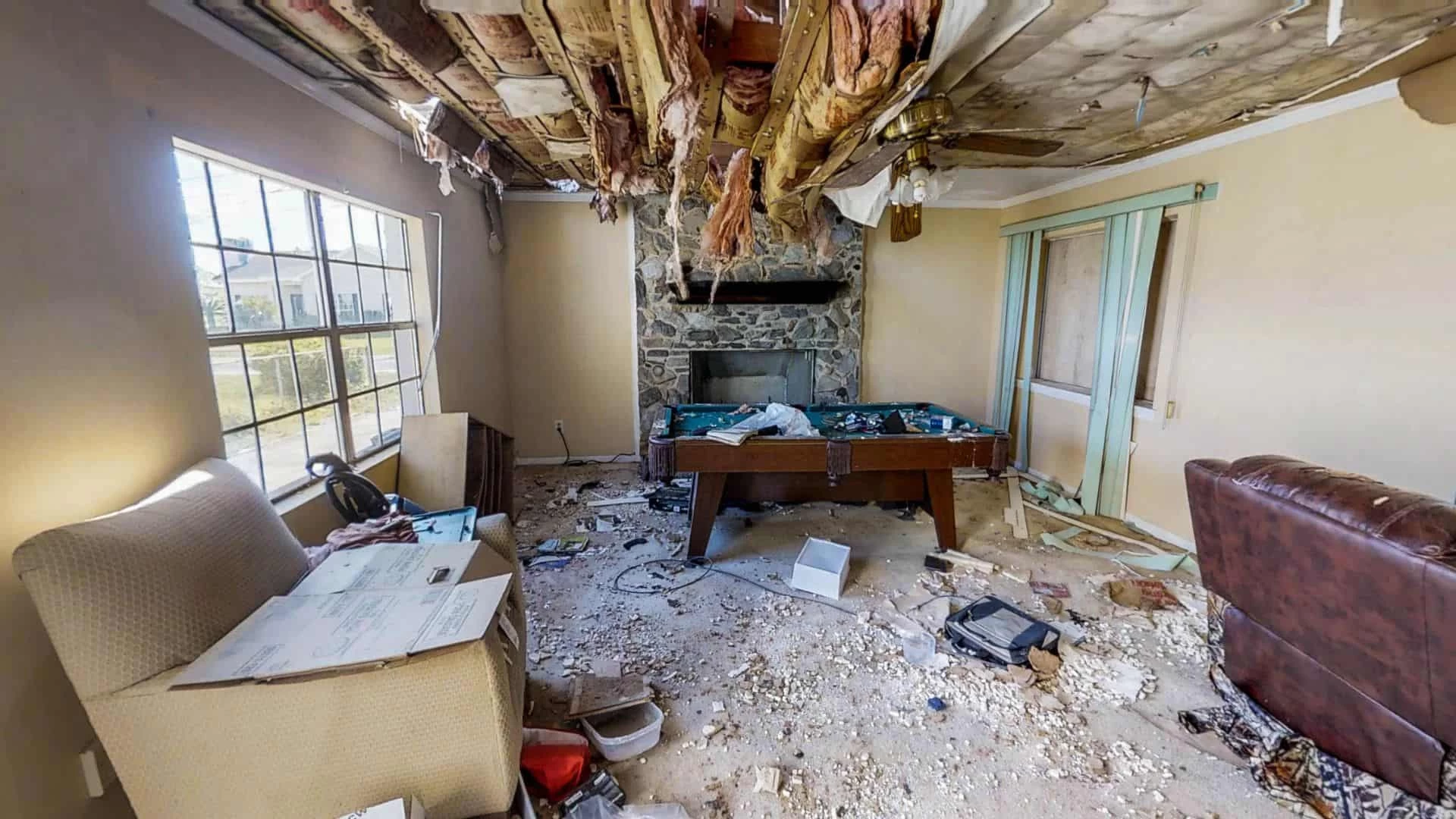
When water gets into the walls of a 1960s ranch or a finished basement off Middle Country Road, the clock starts immediately. We respond 24/7 so the damage stops where it is.
I needed a professional consultation explanation of procedure for safe removal of Asbestos in my apartment complex. Without having an account yet, I was very impressed with the caring, knowledgeable and generous advice offered by Jessica, and will look forward to doing business in the future. Thank you so much! I feel much more informed about a sometimes scary endeavor. Peace. Nancy Silva Mineola, NY.
Mia Munoz
Used this company to clean up some water flood in my house. They were fast and easy to work with.very professional, Would recommend to anyone!
Nini Valle
Great company, had a flood and they responded quickly and efficiently. Billed my insurance company directly. I highly recommend this company!
joe colapietro, jr
I had pipe freeze in my basement right before a snow storm and they made to within an hour to help start the clean up process. They we by our side throughout the entire process and even helped with the insurance company. They did such a great job with the cleanup, repair, remidiation, I contracted them to perform the repairs and finishes in the basement. They came with enough manpower and material to get the job done. Leo and Jessica were nothing but a pleasure to deal with!!
Cristian Arredondo c
I had some water damage in my home and Green Island was able to take care of my issue quickly and effectively. I am very pleased with the work they did. They responded quickly and were very professional.
Michael M
Outstanding service! From the office to the field crew everyone was friendly, helpful and responsive. I highly recommend Green Island Group.
The visible part the wet floor, the soaked drywall is only half the problem. The other half is what you can’t see: moisture sitting inside a wall cavity, under a subfloor, or behind the drop ceiling of a finished basement. In Coram’s post-WWII housing stock, those spaces weren’t built with modern vapor barriers or moisture-resistant materials. Water finds a way in and stays longer than most people realize.
When the job is done right, you’re not just dry you’re verified dry. That means moisture readings taken at the wall, floor, and framing level, not just a visual check. It means the air in your home is tested, not assumed clean. For families in the Longwood or Middle Country school districts with kids at home, that distinction matters more than it might sound.
The other thing that changes is the financial picture. A water damage job handled quickly and completely extraction, drying, structural repair, and documentation is a contained cost. The same job left half-done, or delayed by even 24 to 48 hours, can turn into a mold remediation project that costs three to five times more. Getting it right the first time isn’t just about your home. It’s about not revisiting this six months from now.
Long Island Roots, Not a Franchise Routing Your Call
We’re a Long Island-based environmental and restoration company not a national franchise, not a call center dispatching whoever’s available. When you call from Coram, you’re reaching a team that actually works in Suffolk County, knows the Town of Brookhaven’s permit requirements, and has handled the exact type of homes that line the streets between Route 112 and the LIE.
That matters in Coram. Your neighborhood has a lot of homes built between the 1950s and 1970s, and restoration work in those properties isn’t the same as working on a newer build. Older framing, original plumbing, and finished basements that weren’t designed for water management our team knows what to look for and how to handle it without creating a second problem while solving the first.
The reviews that mention specific staff by name, the ones that describe our office team as “caring and knowledgeable” that’s not marketing language. That’s what accountability looks like when a real local company shows up to do the work.
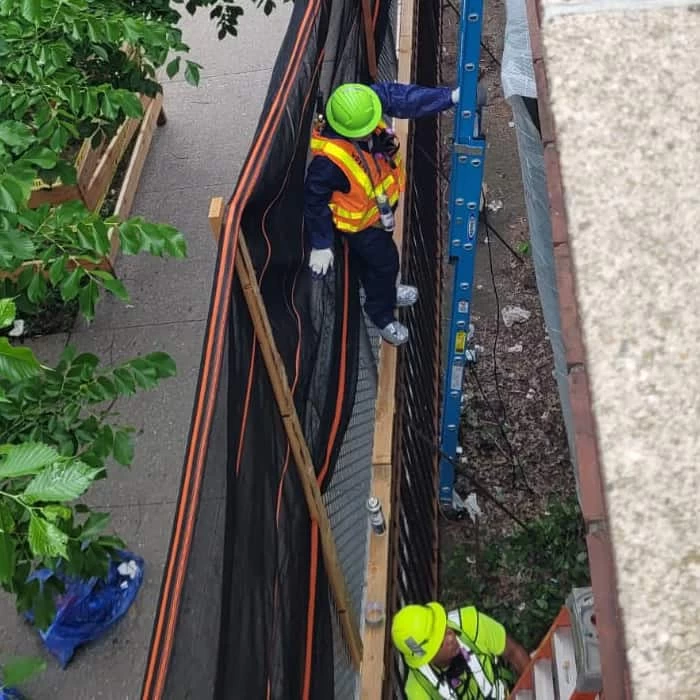
The first call gets a real person, any time of day or night. From there, a technician is dispatched to your Coram address not scheduled for next week, but on the way. The first thing that happens on-site is an assessment using moisture meters and thermal imaging to find every wet area, including the ones behind walls and under floors that you’d never spot on your own.
Once the scope is clear, we deploy extraction and drying equipment. This isn’t a fan-and-wait situation. Commercial-grade dehumidifiers and air movers are placed specifically based on where the moisture is concentrated, and readings are taken throughout the drying period to track actual progress. For homes in Coram with finished basements where drywall, carpet, and wood paneling absorb water fast this stage requires more precision than a standard above-grade job.
If the work involves structural repairs, we handle the Town of Brookhaven permit process. If opening walls or replacing flooring reveals materials that require asbestos or lead testing which is a real consideration in any Coram home built before 1978 that gets addressed in-house rather than handed off to a separate contractor. The insurance documentation runs parallel to the physical work, so your claim is being built while the job is being done.
Water damage restoration in Coram isn’t a single-step job, and the companies that treat it like one tend to leave problems behind. We cover the full scope: emergency water extraction, structural drying, mold testing and remediation, asbestos abatement, lead paint compliance, air quality testing, and full property repair back to pre-loss condition. That range exists because in central Suffolk County, a water damage job in an older home rarely stays simple.
A sump pump failure during a spring nor’easter, a water heater that lets go overnight in a basement utility room, a slow pipe leak inside a wall that’s been going on for months each of those scenarios has a different starting point and a different set of complications. Coram’s housing stock, much of it built before modern building codes addressed moisture management, means that secondary issues like mold growth or disturbed insulation are common findings once walls are opened. Having one company that can assess and address all of it without pausing the job to bring in a separate abatement contractor keeps the timeline tight and the accountability clear.
Insurance claim support is included as part of our process, not an add-on. We work directly with your carrier, document the damage to adjuster standards, and handle communication on your behalf. In New York, you have the right to choose your own restoration contractor you’re not required to use whoever your insurance company suggests.
How quickly does mold actually start growing after water damage in my Coram home?
Mold can begin colonizing within 24 to 48 hours of water exposure and that’s not a worst-case estimate, it’s the standard documented by the IICRC, the organization that sets the industry benchmark for water damage response. The conditions that accelerate that timeline are exactly what you find in a lot of Coram homes: finished basements with drywall and carpet, older insulation that holds moisture, and wall cavities that don’t dry on their own.
The 48-hour window is the reason a fast response matters more than price shopping. Once mold is established in a wall or subfloor, you’re no longer dealing with a water damage job you’re dealing with a mold remediation project on top of it. The cost difference is significant. Calling immediately, even if you’re not sure how bad it is, gives you the best chance of keeping this contained to what it actually is rather than what it could become.
Does homeowners insurance typically cover water damage restoration in Coram, NY?
Most standard homeowners insurance policies in New York cover sudden and accidental water damage a burst pipe, a water heater failure, an appliance leak. What they typically don’t cover is flooding from outside the home, like groundwater rising through a foundation during a storm. That distinction matters in Coram, where sump pump failures during heavy rain events are one of the most common emergency calls we receive. If your sump pump failed and the basement flooded, coverage depends on whether you have a separate flood or sump pump rider on your policy.
The best thing you can do before the adjuster visit is have thorough documentation of the damage. We handle that documentation as part of the job photos, moisture readings, scope of loss formatted the way insurance carriers expect it. We also work directly with your adjuster so you’re not navigating that conversation alone while also trying to manage a damaged home.
Can I choose my own water damage contractor in New York, or does insurance decide?
You have the right to choose your own contractor in New York State. Your insurance company may suggest a preferred vendor sometimes called a “preferred contractor” or part of their managed repair program but you are not legally required to use them. That’s worth knowing, because the insurer’s preferred vendor works for the insurer’s interests, not yours. Their job is to complete the work within the carrier’s budget. Your job is to make sure your home is actually restored correctly.
Choosing your own contractor means you control who shows up, what work gets done, and who’s accountable for the outcome. We work directly with insurance carriers on your behalf, so you still get the administrative support of having someone handle the claim you’re just not giving up your right to choose who does the work.
Should I be worried about asbestos when getting water damage repairs done in an older Coram home?
If your home was built before 1980, it’s a legitimate question to ask. Asbestos was commonly used in pipe insulation, floor tiles, ceiling tiles, and joint compound in homes built through the late 1970s. When water damage restoration requires opening walls, replacing flooring, or cutting into ceilings which it often does in Coram’s older ranch homes and split-levels there’s a real possibility of disturbing materials that contain asbestos.
New York State requires licensing through the Department of Labor for any asbestos handling or abatement work. If a restoration company opens a wall and finds suspect material, they’re required to stop and have it tested before continuing. The problem is that most water damage companies aren’t licensed for asbestos which means they either stop the job entirely and hand you off to someone else, or they keep going and create a hazard. We hold the necessary credentials to assess, test, and handle asbestos abatement in-house, so the job doesn’t stall and your family isn’t exposed.
What are the most common causes of basement flooding in Coram, NY?
The most common scenario we see in Coram is sump pump failure during a heavy rain event. Central Long Island has a relatively high water table, and Coram’s terrain which includes lower-lying flat areas alongside its more elevated sections means that during spring snowmelt or a significant summer storm, groundwater pressure against foundations rises fast. When the sump pump can’t keep up or loses power, the basement takes water quickly.
The second most common cause is aging plumbing. A lot of Coram’s housing stock has original or early-replacement plumbing that’s now 50 to 70 years old. Galvanized steel pipes corrode from the inside and can develop slow leaks inside walls that go unnoticed for months. By the time a homeowner sees a stain on the ceiling or smells something musty in the basement, the moisture has usually been sitting long enough for mold to take hold. Water heater failures are another frequent call a standard tank unit holds 40 to 80 gallons, and when it fails in a basement utility room overnight, the damage can be substantial before anyone notices.
How long does the full water damage restoration process take for a typical Coram home?
For a standard residential water damage job a finished basement, a burst pipe in a wall, or an appliance failure the drying phase typically takes three to five days using professional equipment. That’s not a number pulled from a brochure; it’s based on monitoring actual moisture readings until the materials reach acceptable levels, not just until things feel dry to the touch. Rushing that phase is one of the most common reasons water damage jobs fail surfaces look dry while the framing and insulation behind them are still holding moisture.
After drying is confirmed, the repair and restoration phase begins. Replacing drywall, flooring, insulation, and any structural components that were damaged can take anywhere from a few additional days to a couple of weeks depending on the scope. For Coram homes where the work requires a building permit through the Town of Brookhaven typically when structural repairs are involved that timeline factors in the permit process as well. The insurance documentation and claim work runs alongside all of this, so you’re not waiting until the job is done to start the claims conversation.