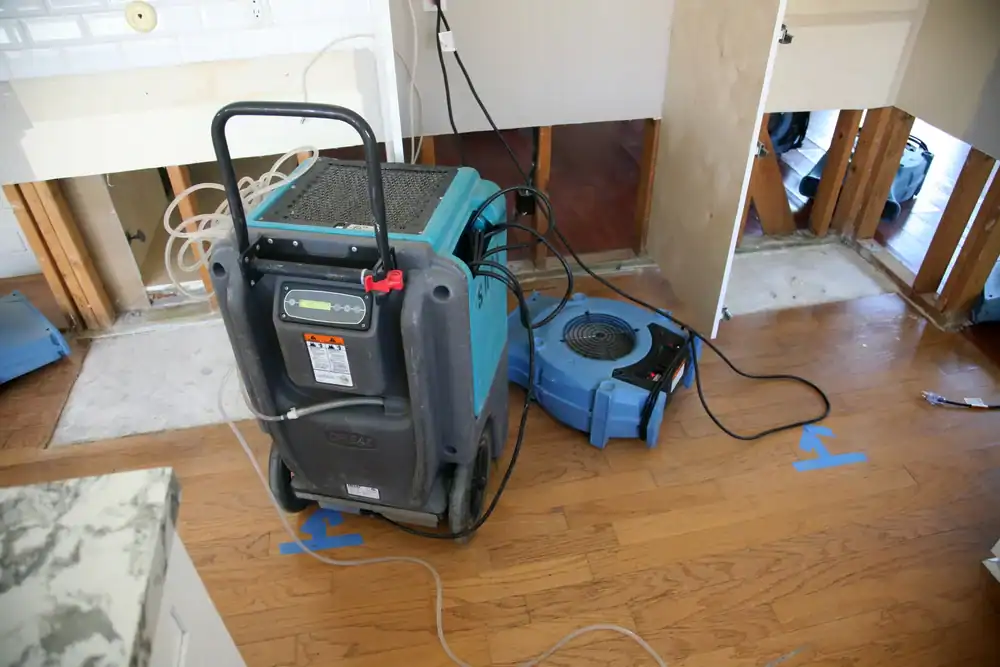
When water gets into a Cove Neck home, every hour that passes makes the damage worse. We respond fast, dry it right, and handle the insurance so you don’t have to.
I needed a professional consultation explanation of procedure for safe removal of Asbestos in my apartment complex. Without having an account yet, I was very impressed with the caring, knowledgeable and generous advice offered by Jessica, and will look forward to doing business in the future. Thank you so much! I feel much more informed about a sometimes scary endeavor. Peace. Nancy Silva Mineola, NY.
Mia Munoz
Used this company to clean up some water flood in my house. They were fast and easy to work with.very professional, Would recommend to anyone!
Nini Valle
Great company, had a flood and they responded quickly and efficiently. Billed my insurance company directly. I highly recommend this company!
joe colapietro, jr
I had pipe freeze in my basement right before a snow storm and they made to within an hour to help start the clean up process. They we by our side throughout the entire process and even helped with the insurance company. They did such a great job with the cleanup, repair, remidiation, I contracted them to perform the repairs and finishes in the basement. They came with enough manpower and material to get the job done. Leo and Jessica were nothing but a pleasure to deal with!!
Cristian Arredondo c
I had some water damage in my home and Green Island was able to take care of my issue quickly and effectively. I am very pleased with the work they did. They responded quickly and were very professional.
Michael M
Outstanding service! From the office to the field crew everyone was friendly, helpful and responsive. I highly recommend Green Island Group.
Living on a peninsula surrounded by Oyster Bay Harbor on three sides isn’t just a lifestyle — it’s a water damage risk that most restoration companies don’t fully understand. The saltwater air, the tidal exposure, the nor’easters that push harbor water toward your property — these aren’t abstract threats. They’re the reason moisture problems in Cove Neck homes move faster and go deeper than they would in an inland Nassau County neighborhood.
When water damage is handled correctly, the difference is immediate and lasting. No lingering humidity behind walls. No soft spots under flooring. No smell that keeps coming back. For a home that may have original hardwood floors, finished basement spaces, or a carriage house on the property, getting it right the first time isn’t optional — it’s the only outcome worth paying for.
What you’re really getting is certainty. Certainty that the moisture is gone — not just from what’s visible, but from inside wall cavities, under subfloors, and in the structural framing that older North Shore estate homes are built around. Thermal imaging and calibrated moisture meters make that possible. After a proper restoration, you won’t have to wonder whether the job was done right.
Long Island Crews Who Know Cove Neck's Waterfront Risk
We’re a Long Island-based water damage restoration company — not a national franchise, not a call center routing your emergency to whoever’s available. When you call, you reach a local team that’s already in Nassau County and familiar with exactly what homes in Cove Neck and the Oyster Bay area deal with when storms roll through.
The North Shore isn’t the same as the rest of Long Island. The older housing stock, the harbor exposure, the estate-scale properties along Cove Neck Road — these aren’t details a national brand is going to understand from a zip code lookup. We’ve worked in these homes. We know what water does to older plaster walls, to finished basements near the waterline, and to crawl spaces in houses built long before modern waterproofing existed.
We’re fully licensed under New York State’s Mold Law for both assessment and remediation, IICRC certified, and carry the documentation your insurance carrier will actually accept. For a high-value property in Cove Neck, that’s the difference between a clean claim and a contested one.
The first thing that happens when you call is simple: we pick up. Day or night, a real person answers and gets a crew moving toward Cove Neck. We don’t triage your emergency through a corporate queue. Once we’re on-site, the first priority is stopping whatever is still causing water to enter or spread — because drying a home that’s still taking on water is pointless.
From there, we do a full moisture assessment using thermal imaging cameras and calibrated meters. This matters especially in older Cove Neck homes where water migrates through plaster, original hardwood, and stone foundations in ways that aren’t visible to the eye. We map where the moisture actually is — not just where it looks wet — and build the drying plan around that. Industrial-grade dehumidifiers and air movers are placed based on that data, not guesswork.
Throughout the drying process, we monitor daily and adjust equipment as readings change. If mold remediation is required, we handle that under our separate NYS-licensed remediation process — no handoff to a third party, no gap in accountability. If structural repairs or reconstruction are needed and a Town of Oyster Bay building permit is required, we walk you through that too. Once the job is complete, we give you the full documentation package your insurance adjuster needs to close the claim.
Water damage restoration on a Cove Neck property isn’t a one-size job. A 5,000-square-foot estate with a finished basement, wine cellar, and detached carriage house requires a different scope than a standard suburban home — more equipment, more monitoring points, more care around irreplaceable materials. That’s how we approach every job.
The full scope of what we handle includes emergency water extraction, structural drying, moisture mapping, content protection and pack-out when needed, mold testing and remediation under NYS Mold Law licensing, and complete insurance documentation. For properties near Oyster Bay Harbor with flood insurance in addition to standard homeowners coverage, we understand how to document losses across both policies so nothing falls through the cracks. We coordinate directly with adjusters, which matters when you’re dealing with a high-value claim and don’t want to spend weeks going back and forth.
Cove Neck’s older housing stock — much of it built before modern vapor barriers and waterproofing standards existed — also means we account for things like original pipe systems, stone or block foundations, and materials that may require special handling under Nassau County’s Environmental Hazard Remediation requirements. If asbestos-containing materials are disturbed during restoration, that process has to be done right and documented properly. We don’t skip steps because skipping steps in a home like this creates problems that cost far more to fix later.
How quickly can a water damage crew reach Cove Neck, NY?
Because we’re based on Long Island and operate throughout Nassau County, getting to Cove Neck doesn’t require routing through a national dispatch system or waiting for the nearest available franchise crew. In most cases, we can have a team on-site within a couple of hours of your call — and for a peninsula village where the nearest major road access runs through Oyster Bay, that local presence matters more than it might somewhere else.
The reason speed is so critical isn’t just comfort — it’s structural. Water migrates fast in older homes, and mold can begin developing within 24 to 48 hours of initial intrusion. In Cove Neck’s coastal humidity environment, that window can feel even tighter. The faster extraction and drying begins, the more of your home — and its contents — can be saved rather than replaced.
Does homeowners insurance cover water damage restoration in Cove Neck?
In most cases, yes — but the specifics depend on the source of the water and how your policy is written. Sudden and accidental water damage, like a burst pipe or a washing machine failure, is typically covered under a standard homeowners policy. Flooding from storm surge or rising groundwater — which is a real risk for waterfront properties along Oyster Bay Harbor in Cove Neck — usually requires a separate flood insurance policy through the NFIP or a private carrier.
For Cove Neck homeowners with high-value properties, the documentation piece is where claims get complicated. Adjusters on large losses want detailed moisture mapping data, photographic evidence, and written assessments that match IICRC drying standards. We provide all of that as part of every job, and we communicate directly with your adjuster when needed. If you have both a homeowners policy and flood coverage, we know how to document across both so you’re not leaving money on the table.
What does water damage actually do to an older North Shore estate home?
Older homes — and many properties in Cove Neck date to the early-to-mid 20th century — have building systems that respond to water very differently than modern construction. Plaster over lathe absorbs moisture and holds it longer than drywall. Original hardwood floors over older subfloor systems can cup, buckle, or delaminate before the surface even looks obviously wet. Stone and block foundations, common in estate-era construction, are more permeable than poured concrete and can allow groundwater to seep in gradually over time.
The real danger is what happens inside the structure — inside wall cavities, in the framing, under flooring — where moisture sits undisturbed and creates the conditions mold needs to grow. In a home with irreplaceable architectural details, antique flooring, or custom millwork, the cost of missing hidden moisture isn’t just a repair bill. It’s the loss of something that can’t be rebuilt to match. Thermal imaging is how we find what’s hiding before it becomes that kind of problem.
How does mold fit into the water damage restoration process in Cove Neck?
Mold is the reason urgency matters so much in water damage. Within 24 to 48 hours of water intrusion, mold spores that are naturally present in any environment can begin colonizing wet materials — and in a coastal community like Cove Neck, where ambient humidity is consistently higher than inland areas, that timeline can compress. Mold doesn’t always look like the dramatic black growth people picture. It often starts inside wall cavities, under flooring, or in crawl spaces where it’s invisible until it’s a serious problem.
Under New York State’s 2016 Mold Law, mold assessment and mold remediation require separate licenses from the NYS Department of Labor. We hold both. That matters for two reasons: it means we can handle the full process without handing off to a third party, and it means the work is done in compliance with state law — which your insurance carrier will verify. If mold is found during the drying process, we address it as part of the same project, with full documentation.
Can water damage restoration disrupt asbestos or lead paint in older Cove Neck homes?
It can, and it’s something that needs to be assessed before demolition or material removal begins on any home built before 1980. Many of Cove Neck’s older estate properties contain asbestos in pipe insulation, floor tile adhesives, or ceiling materials, and lead paint in original woodwork and window frames. When water damage restoration requires tearing out walls, flooring, or insulation, those materials have to be identified and handled under Nassau County’s Environmental Hazard Remediation Program requirements — which mandate licensed contractors for asbestos abatement work.
This is a regulatory reality that affects a meaningful portion of the homes in this village. A restoration company that doesn’t ask about the age of your home or account for these materials isn’t cutting corners on price — they’re creating liability for you. We assess for these risks upfront and, where required, coordinate with licensed abatement contractors before any demolition work begins, so the restoration process stays compliant from start to finish.
Why does Green Island Group make sense for a Cove Neck property over a national franchise?
The honest answer is local accountability. When you hire a national franchise, you’re hiring a brand — and the actual crew, equipment, and experience level can vary significantly depending on which franchise location picks up your job. In a village of roughly 255 residents where homes start at $1.6 million and waterfront estates can reach $8 million or more, that variability is a real risk.
We’re a Long Island company. The same team that answers your call is the team that shows up. We know the Oyster Bay area, we understand what Cove Neck homes are built like, and we have direct familiarity with the permit process through the Town of Oyster Bay’s Building Division for any restoration work that requires it. There’s no corporate layer between you and the people doing the work — and when something comes up mid-job, which it sometimes does in complex older properties, you’re talking to someone who can actually make a decision, not someone reading from a script.