When Crompond's Older Homes Take on Water, Act Fast
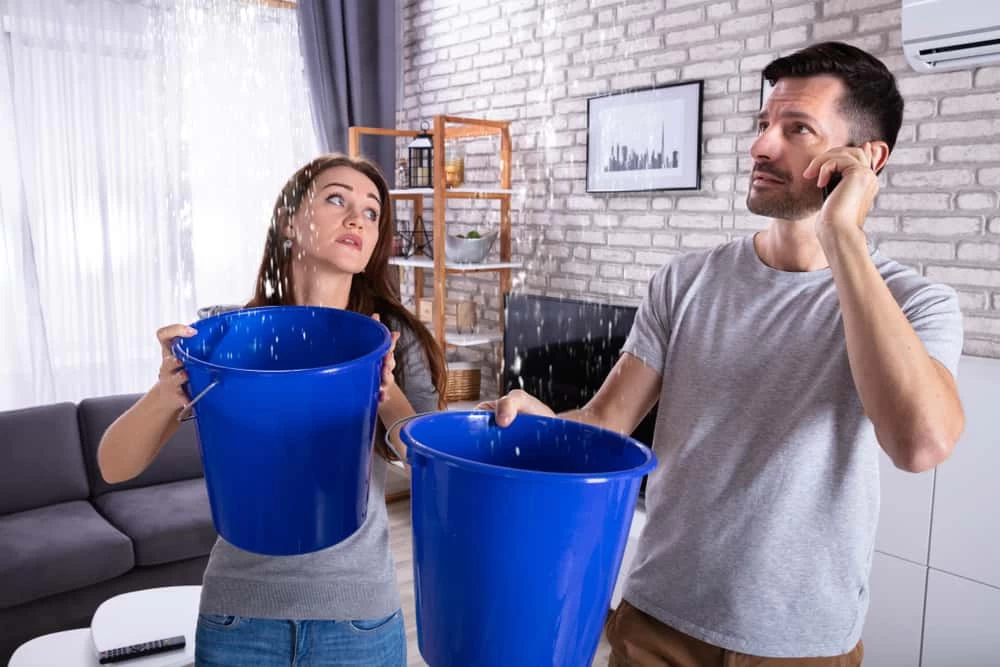
Water damage in a pre-1970 home doesn’t wait and neither should we. We respond 24/7 with licensed water damage restoration services built for northern Westchester.
I needed a professional consultation explanation of procedure for safe removal of Asbestos in my apartment complex. Without having an account yet, I was very impressed with the caring, knowledgeable and generous advice offered by Jessica, and will look forward to doing business in the future. Thank you so much! I feel much more informed about a sometimes scary endeavor. Peace. Nancy Silva Mineola, NY.
Mia Munoz
Used this company to clean up some water flood in my house. They were fast and easy to work with.very professional, Would recommend to anyone!
Nini Valle
Great company, had a flood and they responded quickly and efficiently. Billed my insurance company directly. I highly recommend this company!
joe colapietro, jr
I had pipe freeze in my basement right before a snow storm and they made to within an hour to help start the clean up process. They we by our side throughout the entire process and even helped with the insurance company. They did such a great job with the cleanup, repair, remidiation, I contracted them to perform the repairs and finishes in the basement. They came with enough manpower and material to get the job done. Leo and Jessica were nothing but a pleasure to deal with!!
Cristian Arredondo c
I had some water damage in my home and Green Island was able to take care of my issue quickly and effectively. I am very pleased with the work they did. They responded quickly and were very professional.
Michael M
Outstanding service! From the office to the field crew everyone was friendly, helpful and responsive. I highly recommend Green Island Group.
Your Crompond Home Back to Normal Before Mold Takes Over
Most homes in Crompond were built between 1940 and 1969. That means block foundations without modern waterproofing, galvanized pipes that have been aging for decades, and drainage systems that weren’t designed for the kind of rainfall northern Westchester sees today. When water gets in whether it’s a burst pipe in January or a flooded basement after a nor’easter the clock starts immediately. Mold can begin colonizing within 24 to 48 hours. By the time you’re calling around to compare quotes, the damage is already deepening.
What you actually need is extraction, drying, and dehumidification done right the first time. When that happens, you’re not just removing water you’re stopping the chain reaction that turns a manageable claim into a six-week restoration project. Walls stay intact. Air quality stays clean. And the equity you’ve built in a home worth close to $700,000 stays protected.
The freeze-thaw cycles that hit Crompond harder than most of southern Westchester are a real factor here. Pipes that run through uninsulated crawl spaces or exterior walls don’t survive a hard January freeze without incident. When they go, they go fast and the water doesn’t stop until someone shuts it off. Having a team that can be on-site the same night isn’t a luxury. It’s the difference between drywall replacement and full structural remediation.
We’ve been doing environmental restoration work in New York for over 12 years. That’s not a number pulled from a marketing sheet it’s the kind of track record that gets us vetted by the NYS Office of General Services and contracted by state agencies that don’t take chances on unqualified operators. We hold NYS and NYC M/WBE certification, carry full liability insurance and workers’ compensation coverage, and are licensed to work in New York State. When you search “water damage restoration near Crompond” and the first results show out-of-state area codes and addresses, those credentials matter more than they might seem.
Crompond sits at the intersection of Route 202/35 and the Taconic State Parkway a corridor we know well from years of serving northern Westchester. The housing stock here, the weather patterns here, the older infrastructure along the Crompond Road corridor none of that is new to us. You’re not explaining your situation to someone reading about your town for the first time.
Emergency Water Damage Restoration Process near Crompond
From Your First Call to a Fully Restored Crompond Home
When you call, the first thing that happens is a real conversation not a form, not a callback queue. We establish what you’re dealing with, where the water is, and how fast it’s moving. If it’s an emergency, a team is dispatched immediately. We operate 24/7, which means a pipe that bursts at midnight on a Sunday gets the same response as one that goes on a Tuesday afternoon.
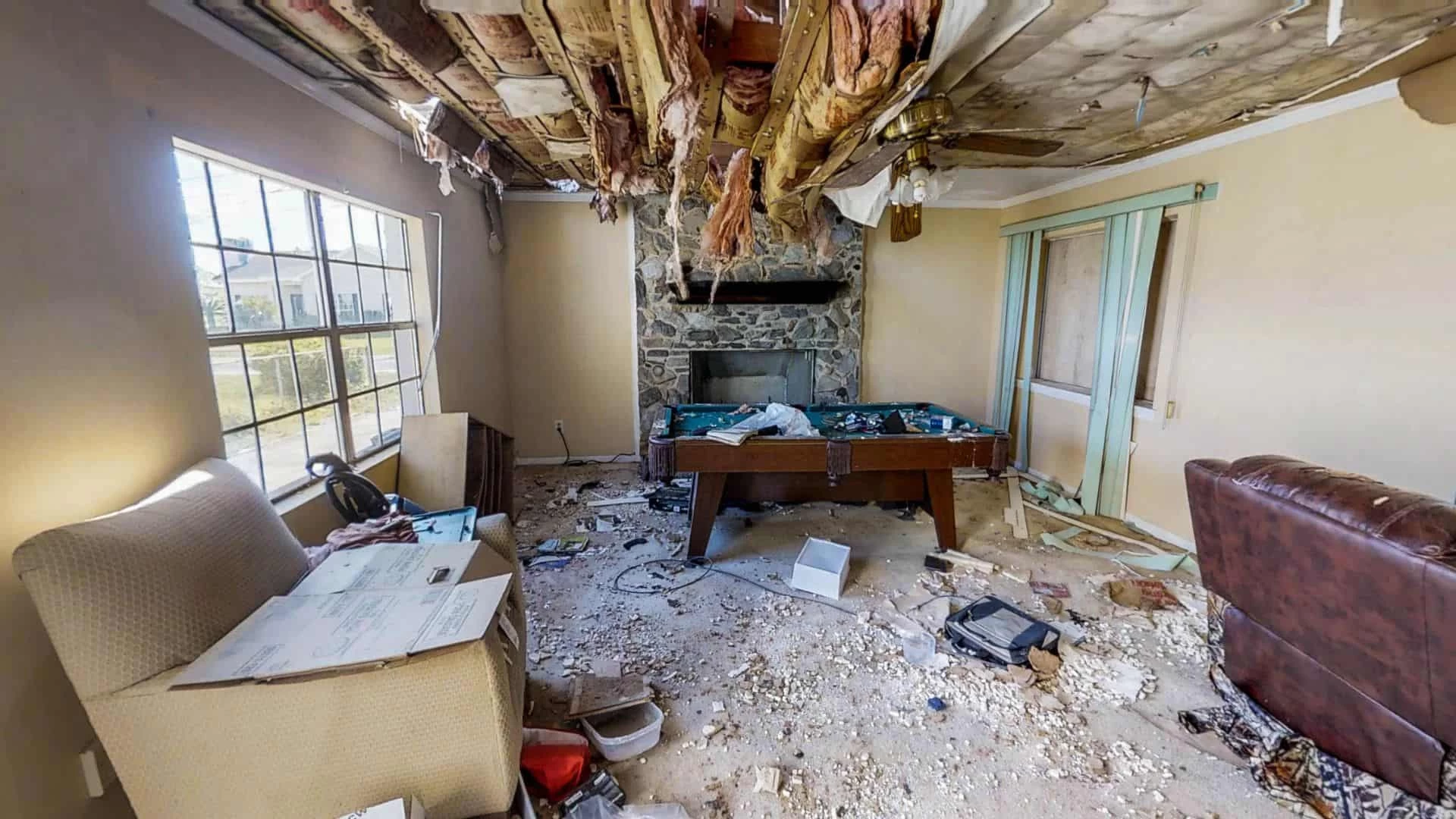
On-site, our team begins with a full assessment. In Crompond’s older homes, that means checking beyond the obvious looking at what’s behind the walls, what’s under the floors, and whether any disturbed materials could contain asbestos. Homes built before 1980 frequently have asbestos in insulation, floor tiles, and pipe wrap, and any restoration work that opens those materials without proper handling creates a separate problem. We handle abatement in-house, so you’re not stuck coordinating between two contractors while your home sits open.
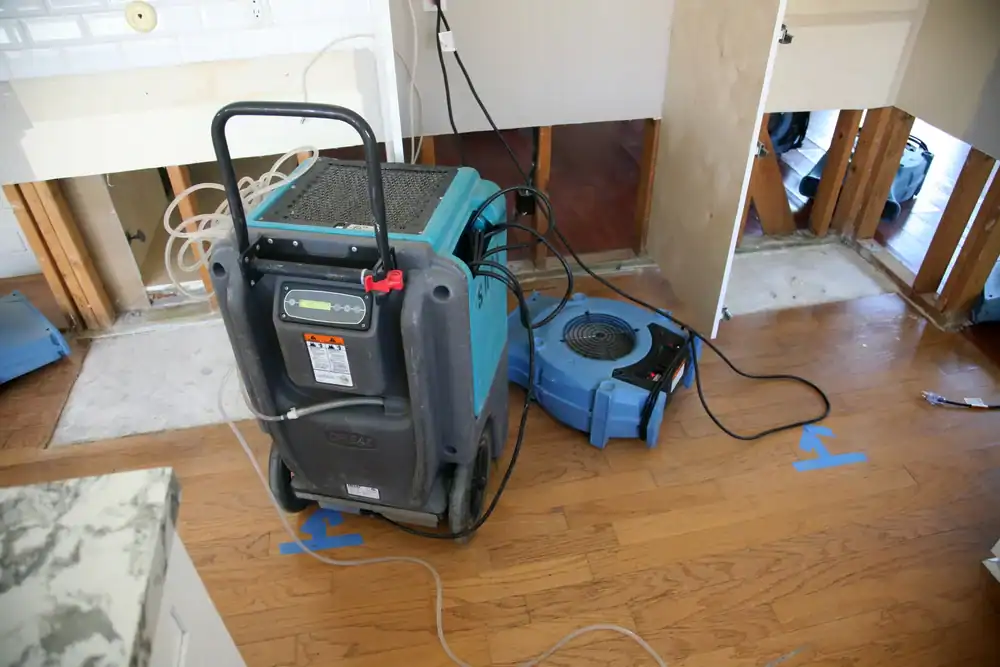
From there, extraction and industrial drying equipment go to work. The goal is to bring moisture levels down below the threshold where mold can establish itself and to document everything thoroughly for your insurance claim. We work directly with your carrier, which means you’re not managing paperwork during one of the more stressful weeks you’ll have as a homeowner. Because Crompond falls within the Town of Yorktown’s jurisdiction, any structural repairs requiring permits are pulled through the Town of Yorktown Building Department we handle that coordination as part of the job.
Water Damage Restoration Services near Crompond, NY
Full Restoration, Not Just the Water You Can See
Water damage restoration isn’t finished when the standing water is gone. What’s left behind moisture trapped in wall cavities, subfloor materials that look dry but aren’t, compromised insulation in a crawl space is where the real problems develop. Our restoration scope covers extraction, structural drying, dehumidification, mold prevention treatment, and full reconstruction back to pre-loss condition. One company, one project, one point of contact.
For Crompond homeowners, that full-scope approach matters for a specific reason. The pre-1970 construction common throughout this area means that opening walls or floors during a restoration can surface materials that require licensed abatement before the work can continue. Our asbestos abatement capability means that discovery doesn’t stop the project it just becomes part of it. No subcontractors, no delays while you wait for a separate crew to clear the site.
The financing piece is worth knowing about upfront. Even with solid homeowner’s insurance, restoration projects in older northern Westchester homes can carry out-of-pocket costs that catch people off guard. We offer financing up to $200,000 at 0% APR, which means a complete restoration is within reach regardless of your deductible or coverage gap. Every project is also backed by a 100% satisfaction guarantee the work is done right, or it gets made right.
How quickly does mold start growing after water damage in a Crompond home?
Mold can begin colonizing within 24 to 48 hours of a moisture event and in Crompond’s older housing stock, that window is especially unforgiving. Homes built between 1940 and 1969 often have less ventilation in crawl spaces and wall cavities, which means moisture stays trapped longer and mold has more to work with. The materials themselves older wood framing, original drywall, aged insulation tend to absorb water more readily than modern construction materials.
This is why response time is the most important variable in a water damage event. The longer water sits, the more it migrates into materials that can’t be dried without removal. What starts as a flooded basement or a burst pipe can become a mold remediation project affecting multiple rooms if it isn’t addressed within that first day. Calling immediately even at night is always the right move. We operate 24/7 specifically because that 48-hour window doesn’t care what time it is.
Will my homeowner's insurance cover water damage restoration costs?
In most cases, yes but the specifics depend on the cause of the damage and your policy language. Sudden and accidental water damage, like a burst pipe or an appliance failure, is typically covered under standard homeowner’s policies. Gradual damage a slow leak that went unnoticed for months is often excluded. Flooding from outside the home, like groundwater entering a basement during a heavy storm, usually requires a separate flood insurance policy.
The average water damage insurance claim runs around $12,500, but costs in older Crompond homes can run higher depending on what’s behind the walls. We work directly with your insurance carrier, which means the billing and documentation process is handled on your behalf. You’re not submitting estimates, chasing adjusters, or managing invoices during an already stressful situation. If there are gaps between what insurance covers and what the full restoration requires, we offer financing up to $200,000 at 0% APR to bridge that difference.
What causes burst pipes in northern Westchester winters, and how serious is the damage?
Crompond sits in the northern tier of Westchester County, where winter temperatures drop harder and stay lower than in communities further south. Pipes that run through uninsulated exterior walls, crawl spaces, or attached garages are the most vulnerable when temperatures fall below 20°F, water inside those pipes can freeze, expand, and split the pipe entirely. The damage that follows depends on how long the water runs before someone shuts it off, but it’s not uncommon for a single burst pipe to affect multiple floors, ceilings, and wall cavities before it’s caught.
The aftermath is more complicated than it looks. Water travels fast through older construction it follows framing cavities, runs along subfloor joists, and pools in places you can’t see from the surface. Professional moisture mapping is the only way to know the full extent of the damage before drying begins. Skipping that step and drying only the visible wet areas is one of the most common reasons homeowners end up with a mold problem weeks after they thought the issue was resolved.
Does water damage restoration in older Crompond homes require asbestos testing or abatement?
It depends on when the home was built and what materials are disturbed during the restoration. Homes constructed before 1980 which covers the majority of Crompond’s housing stock frequently contain asbestos in floor tiles, pipe insulation, ceiling materials, and joint compound. When a water damage event requires opening walls, removing flooring, or disturbing any of those materials, New York State regulations require that the work be handled by a licensed asbestos abatement contractor before standard restoration can continue.
This is a point where a lot of homeowners get caught off guard. A restoration company that isn’t equipped to handle abatement will stop work, refer you to a separate contractor, and leave the project on hold while you coordinate the handoff. We handle asbestos abatement in-house, which means the project keeps moving under one licensed team without gaps in the timeline. It also means you have a single point of accountability for the entire job not two separate companies pointing at each other if something comes up.
How does the insurance billing process work when I hire a water damage restoration company?
When you hire us, the insurance coordination becomes our responsibility, not yours. After the initial assessment, we document the damage thoroughly moisture readings, affected materials, scope of work and submit that documentation directly to your carrier. We communicate with the adjuster on your behalf and work within the claim process to make sure the scope is accurately represented.
What this means practically is that you’re not managing two conversations at once during a crisis. You’re not trying to understand policy language while also figuring out where your family is going to sleep. The billing goes directly to the insurer, and any out-of-pocket portion deductibles, coverage gaps, items excluded from the policy can be covered through our financing program at 0% APR. The goal is to get your Crompond home fully restored without the financial logistics becoming a second emergency on top of the first one.
Why does basement flooding happen so often in Crompond, and what can be done about it?
Crompond’s terrain plays a direct role. The wooded, sloped landscape surrounding the hamlet creates hydrostatic pressure on foundation walls during and after heavy rain events water moves downhill, saturates the soil, and pushes against the foundation from the outside. Older block foundations, which are common throughout Crompond’s mid-century housing stock, don’t have the waterproofing membranes that modern construction uses, which makes them more susceptible to seepage through the wall itself rather than just through cracks.
Sump pump failure compounds the problem. Many homes in this area rely on sump pumps to manage groundwater, and power outages during storms which happen regularly in wooded northern Westchester take those pumps offline at exactly the wrong moment. When a basement floods as a result, the damage can be significant even if the water is only a few inches deep, because it saturates the floor slab, wicks into framing, and soaks any stored materials. Professional extraction and structural drying are necessary to prevent that moisture from migrating further into the home. A shop vac and a box fan are not enough to dry a flooded basement and attempting it that way is one of the more reliable paths to a mold problem two weeks later.