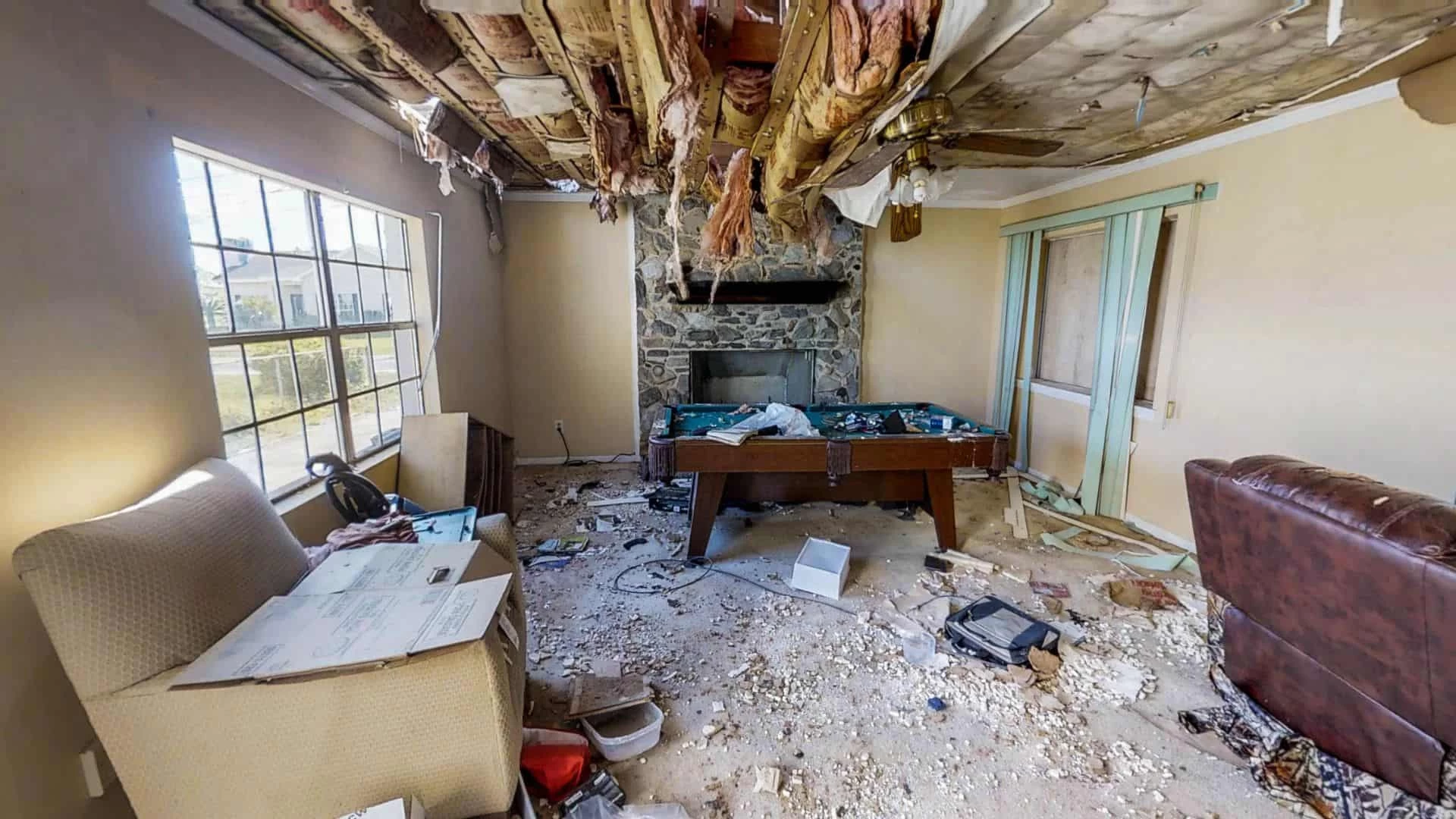
Water damage in a coastal North Fork home doesn’t wait and neither should your response. We’re available 24/7 for water damage restoration in Cutchogue, NY.
I needed a professional consultation explanation of procedure for safe removal of Asbestos in my apartment complex. Without having an account yet, I was very impressed with the caring, knowledgeable and generous advice offered by Jessica, and will look forward to doing business in the future. Thank you so much! I feel much more informed about a sometimes scary endeavor. Peace. Nancy Silva Mineola, NY.
Mia Munoz
Used this company to clean up some water flood in my house. They were fast and easy to work with.very professional, Would recommend to anyone!
Nini Valle
Great company, had a flood and they responded quickly and efficiently. Billed my insurance company directly. I highly recommend this company!
joe colapietro, jr
I had pipe freeze in my basement right before a snow storm and they made to within an hour to help start the clean up process. They we by our side throughout the entire process and even helped with the insurance company. They did such a great job with the cleanup, repair, remidiation, I contracted them to perform the repairs and finishes in the basement. They came with enough manpower and material to get the job done. Leo and Jessica were nothing but a pleasure to deal with!!
Cristian Arredondo c
I had some water damage in my home and Green Island was able to take care of my issue quickly and effectively. I am very pleased with the work they did. They responded quickly and were very professional.
Michael M
Outstanding service! From the office to the field crew everyone was friendly, helpful and responsive. I highly recommend Green Island Group.
When water damage gets handled properly not just surface-dried your home comes back to the condition it was in before. No lingering moisture behind the walls. No mold showing up three months later. No surprise structural issues that a rushed job left behind. That’s the actual goal, and it’s what separates a real restoration from a cleanup crew with a shop vac.
For homes in Cutchogue, this matters more than most places. A significant portion of the housing stock here was built in the 1950s and earlier older plumbing, older framing, materials that hold moisture in ways modern construction doesn’t. When water gets into a home like that, it travels further and hides better. Getting it fully dry means knowing where to look, not just where the water is visible.
The coastal environment adds another layer. Between Peconic Bay to the south and Long Island Sound to the north, ambient humidity along the North Fork stays elevated which means the conditions for mold growth are already present before a water event even happens. A professional drying process that accounts for that baseline humidity is the difference between a home that’s genuinely restored and one that develops an air quality problem you can’t see coming.
We’re a Long Island-based environmental and property restoration company not a franchise, not a call center, not a lead-generation site with a 716 Buffalo area code routing to whoever picks up. When you call, you reach real people who know what a nor’easter does to a waterfront property in Nassau Point, and who understand that a flooded basement in a 1940s Cutchogue home is a different job than a burst pipe in a newer build.
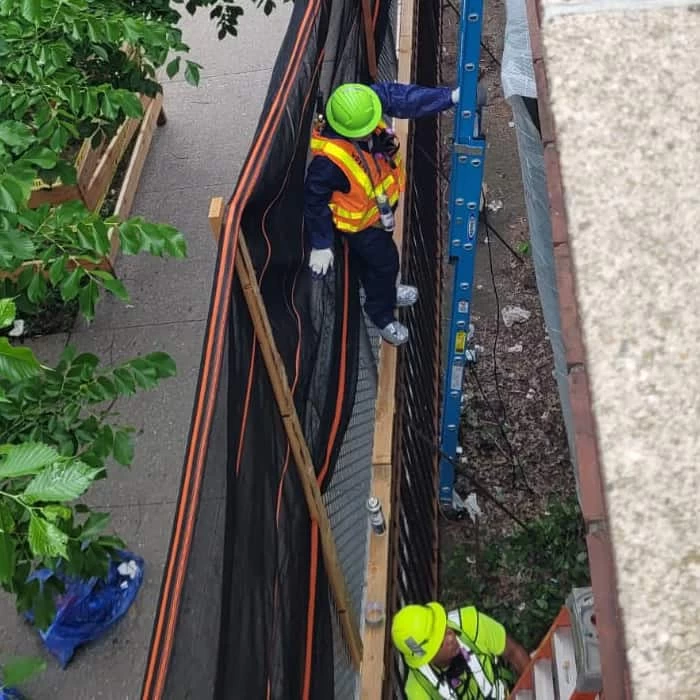
What sets us apart in this market is the scope of what we can handle in one call. Water damage in older Cutchogue homes and most homes here qualify frequently uncovers asbestos-containing materials, lead paint, or mold behind walls. Most restoration companies stop there and hand you a referral. We handle water damage, mold remediation, asbestos testing and abatement, lead paint work, and air quality testing under one roof. That means no contractor juggling, no gaps in the remediation chain, and no risk that one crew undoes what another just finished.
What Actually Happens From First Call to Final Clearance
It starts with a call any time, day or night. Our team gathers the basics about what you’re dealing with and gets someone moving toward your property. For Cutchogue homeowners, that first conversation also covers access: if you’re calling from the city about your North Fork home and you’re not on-site, we coordinate accordingly. You don’t need to be standing in the basement for the process to begin.
Once on-site, the first step is a full assessment not just the visible damage, but what’s behind it. Professional moisture meters and thermal imaging identify water that has migrated into wall cavities, under flooring, and into insulation. In Cutchogue’s older homes, this step is especially important. Water doesn’t stay where you see it. After the full picture is mapped, extraction equipment removes standing water and industrial dehumidifiers and air movers begin the structural drying process. That drying phase is monitored with daily moisture readings until every affected area reaches the target levels not just until it looks dry.
If the assessment uncovers mold, asbestos, or lead paint which is a realistic possibility in any Cutchogue home built before 1978 those are handled in sequence without bringing in outside contractors. Throughout the job, we document everything for your insurance claim: photos, moisture logs, scope of work. We communicate directly with your adjuster so you’re not stuck in the middle trying to translate damage reports into claim language. When the job is complete, you get a clear picture of what was done and why not a bill with line items you can’t decipher.
Built for North Fork Homes, Not Generic Checklists
Water damage restoration in Cutchogue isn’t a one-size-fits-all job. The combination of coastal storm exposure, aging housing stock, and a significant second-home population creates conditions that a templated restoration process simply doesn’t account for. Our approach is built around what’s actually happening in this specific area not a national franchise playbook.
On the technical side, every job includes emergency water extraction, structural drying with commercial-grade dehumidifiers and air movers, moisture mapping with professional meters and thermal imaging, and a full mold assessment once drying is complete. For homes near Nassau Point or Fleets Neck where tidal flooding from Peconic Bay is a documented risk that assessment also accounts for potential saltwater intrusion, which behaves differently than freshwater damage and requires a different remediation approach. If your property falls within 100 feet of a tidal wetland, the Town of Southold’s Trustees’ permit requirements apply to any structural repair work, and we navigate that process with you rather than leaving it as your problem to figure out.
For second-home owners who aren’t on-site when damage occurs, our service includes remote coordination, full photographic documentation, and direct insurance billing so the job gets done right whether you’re in Cutchogue or back in the city. And because we’re licensed for asbestos abatement and EPA-certified for lead paint work, any hazardous materials uncovered during restoration are handled legally and safely, without stopping the job or bringing in a separate contractor.
How quickly can we respond to water damage in Cutchogue?
Response time is a legitimate concern when you’re 90-plus miles from central Long Island and dealing with a company that may dispatch from Hauppauge or Ronkonkoma. We operate with 24/7 emergency availability and serve the East End directly not as an afterthought. When you call, our goal is to get someone moving toward your property as fast as possible, because every hour that water sits in your home is an hour closer to mold colonization, which the IICRC documents can begin within 24 to 48 hours of exposure.
For Cutchogue specifically, the remoteness of the North Fork is exactly why response time matters more here than in suburban towns with dense contractor coverage. A company that’s genuinely oriented toward the East End not one that added Cutchogue to a service area list is the only kind that can make a realistic response time commitment to a waterfront property in Nassau Point or a home off Oregon Road.
Does water damage restoration in Cutchogue typically uncover mold or asbestos?
In Cutchogue, it’s a realistic possibility on any significant job and homeowners should be prepared for it rather than surprised. More than a quarter of the hamlet’s homes were built before the 1940s, and the majority predate 1978. That means floor tile, pipe insulation, joint compound, ceiling texture, and roofing felt from that era may contain asbestos. Any paint on surfaces in a pre-1978 home may contain lead. When water damage requires opening walls, pulling up flooring, or disturbing ceiling material, those substances can be released if the work isn’t handled by a licensed contractor.
Mold is a separate but related concern. Cutchogue’s coastal humidity creates baseline moisture conditions that make mold growth faster and more aggressive than in drier, inland areas. A water event in a home that already has elevated ambient humidity doesn’t need long to produce visible mold growth and hidden mold in wall cavities or under flooring can develop without any visible sign for weeks. Our ability to handle mold remediation, asbestos abatement, and lead paint work in-house means that when these issues surface, the job continues without a pause or a handoff.
Will my homeowner's insurance cover water damage restoration at my Cutchogue property?
Most standard homeowner’s insurance policies cover sudden and accidental water damage a burst pipe, an appliance failure, a roof leak from a storm. What they typically don’t cover is gradual damage from a slow leak that went unaddressed, or flooding from an external water source like storm surge, which requires a separate flood insurance policy. For Cutchogue homeowners in flood-prone areas Nassau Point, Fleets Neck, and properties near Peconic Bay understanding the distinction between your homeowner’s policy and any flood coverage you carry is important before you file a claim.
The documentation you submit with your claim directly affects what you recover. Adjusters work for the insurance company, not for you, and an underdocumented claim is an underpaid claim. We handle the documentation process moisture logs, photographs, written scope of work and communicate directly with your adjuster to ensure the full scope of the damage is reflected in the settlement. For second-home owners in Cutchogue who may not be familiar with the specific terms of their vacation property policy, this support is often the most valuable part of the service.
Do I need permits for water damage repairs in Cutchogue or Southold Town?
Yes, in many cases. The Town of Southold Building Department requires permits for structural repairs that result from water damage including drywall replacement, framing repairs, and flooring work. If your property is within 100 feet of a tidal wetland or waterway, you’ll also need a Trustees’ permit from the Southold Town Board of Trustees before repair work can begin. Given how many properties in Cutchogue sit near Peconic Bay, its creeks, or other tidal areas particularly in Nassau Point and Fleets Neck this requirement applies to a significant number of homes in the hamlet.
Any electrical work arising from the damage requires a separate electrical permit, and the electrician must hold an active Suffolk County license. If asbestos abatement is required, New York State Department of Labor licensing governs that work. Skipping permits isn’t just a code violation it can create problems when you sell your home or file a future insurance claim. We’re familiar with Southold Town’s permitting process and help homeowners navigate these requirements as part of the restoration job, not as an afterthought.
What should I do if my Cutchogue vacation home floods while I'm not there?
Call immediately even if you’re in the city and can’t get out to the North Fork until the weekend. The longer water sits in an unoccupied home, the worse the damage gets. What starts as a manageable extraction and drying job can become a full mold remediation and structural repair project within 48 to 72 hours. Extended water exposure in a seasonally vacant home is one of the most common scenarios that turns a $4,000 problem into a $20,000 one.
We can respond to your Cutchogue property without you being on-site. We assess the damage, document everything, begin mitigation, and keep you informed throughout the process so you’re not making decisions blind from 90 miles away. For second-home owners who use property managers or neighbors as emergency contacts, we can coordinate access through whoever has keys. The goal is to stop the damage from compounding before you can get there, not to wait until you arrive to start the clock.
How do I know if water damage in my older Cutchogue home has been fully dried?
You can’t tell by looking and that’s the honest answer. Surface materials in older homes, especially plaster walls, tongue-and-groove subfloors, and dense insulation packed into cavities decades ago, can feel and look dry while remaining saturated underneath. Water follows framing members and pools in floor cavities well away from the visible source. A surface that passes a visual check can still be holding enough moisture to feed mold growth for weeks.
Professional moisture meters and thermal imaging cameras are the only reliable way to confirm that drying is complete throughout the full affected area not just at the surface. We take daily moisture readings throughout the drying process and use those readings to determine when each zone has reached the target levels established by IICRC S500 standards. In Cutchogue’s coastal environment, where ambient humidity is already elevated compared to inland Long Island, hitting those target moisture levels takes longer and requires more monitoring than a drier climate would. The job isn’t done when it looks dry. It’s done when the numbers confirm it.