When Your Hamptons Home Floods and You're Not There
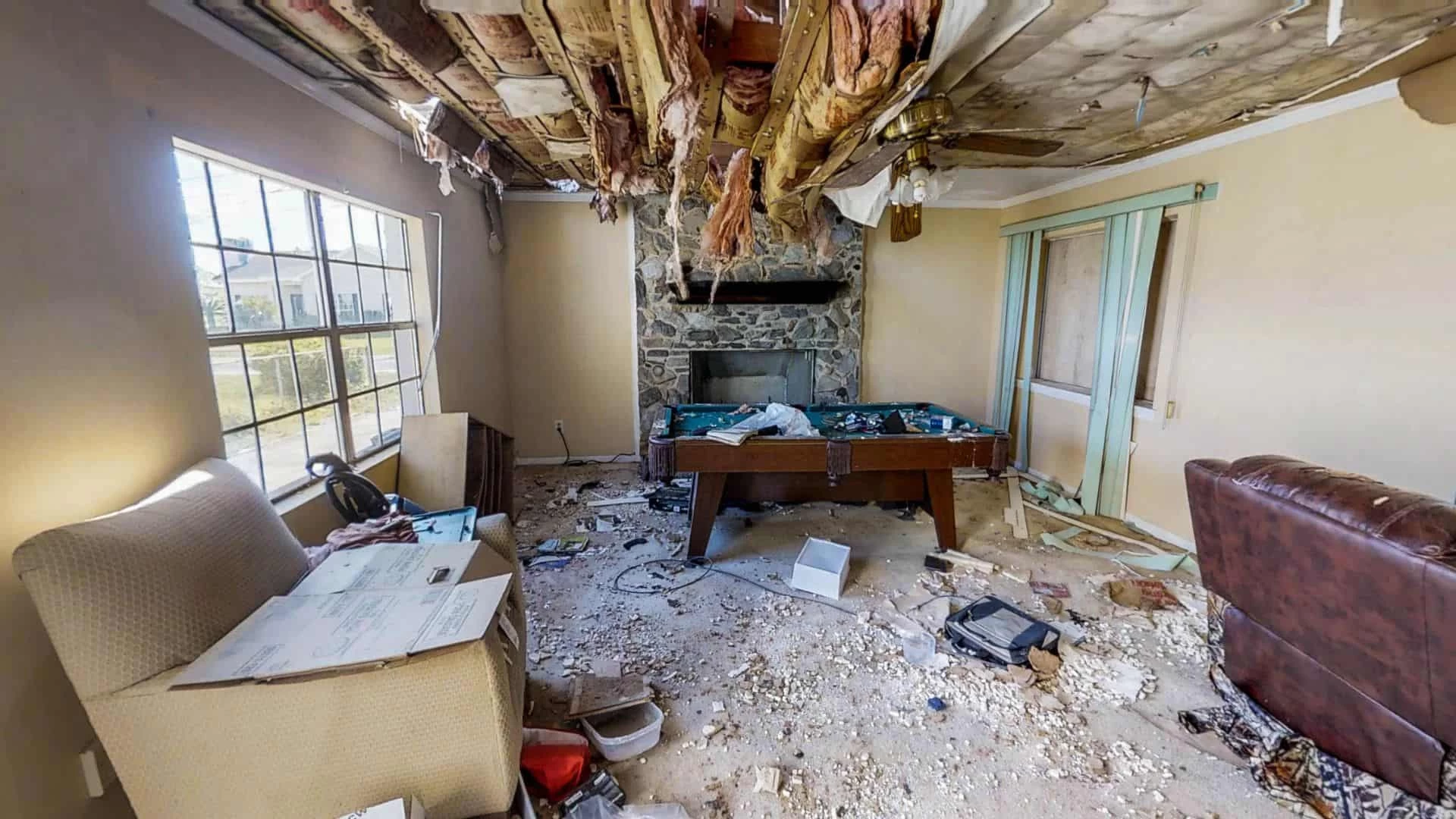
A burst pipe in January. A sump pump that quit sometime in March. Water sitting in a house no one’s checked since Thanksgiving. This is the reality for a lot of East Hampton homeowners and when it happens, every hour counts. We respond fast, document everything, and handle the full scope so you don’t have to manage it from a distance.
I needed a professional consultation explanation of procedure for safe removal of Asbestos in my apartment complex. Without having an account yet, I was very impressed with the caring, knowledgeable and generous advice offered by Jessica, and will look forward to doing business in the future. Thank you so much! I feel much more informed about a sometimes scary endeavor. Peace. Nancy Silva Mineola, NY.
Mia Munoz
Used this company to clean up some water flood in my house. They were fast and easy to work with.very professional, Would recommend to anyone!
Nini Valle
Great company, had a flood and they responded quickly and efficiently. Billed my insurance company directly. I highly recommend this company!
joe colapietro, jr
I had pipe freeze in my basement right before a snow storm and they made to within an hour to help start the clean up process. They we by our side throughout the entire process and even helped with the insurance company. They did such a great job with the cleanup, repair, remidiation, I contracted them to perform the repairs and finishes in the basement. They came with enough manpower and material to get the job done. Leo and Jessica were nothing but a pleasure to deal with!!
Cristian Arredondo c
I had some water damage in my home and Green Island was able to take care of my issue quickly and effectively. I am very pleased with the work they did. They responded quickly and were very professional.
Michael M
Outstanding service! From the office to the field crew everyone was friendly, helpful and responsive. I highly recommend Green Island Group.
Mold can start growing within 24 to 48 hours of water exposure. This is the industry standard documented by the IICRC, and it’s the reason response time matters more than almost anything else in this situation. In East Hampton, where a significant portion of the housing stock sits vacant from November through April, water events frequently go undetected for days or weeks. By the time a caretaker calls or a neighbor notices something’s off, the damage has already compounded. Acting fast with the right equipment and the right process is the difference between a drying job and a full mold remediation.
For seasonal homeowners managing this from Manhattan or elsewhere, the outcome you’re looking for isn’t just dry walls. It’s confidence that someone you trust is on-site, documenting the damage properly, communicating with your insurance company, and making sure nothing gets missed behind the drywall or under the subfloor. For year-round residents in Springs, Amagansett, or Montauk, it means getting your home back without the runaround. Either way, the goal is the same: a property that’s genuinely restored, not just surface-dried and handed back.
East Hampton’s flat topography, coastal exposure, and aging housing stock including historic farmhouses in Wainscott that predate the American Revolution create water damage scenarios that go beyond what a standard drying crew is equipped to handle. When opening walls in a pre-1978 home uncovers asbestos pipe insulation or lead paint, you need a company that can manage that too. That’s exactly what we do.
Green Island Group is a Long Island-based environmental and property restoration company not a national call center that routes your job to whoever’s available. When you call, you reach a real team with real accountability, one that knows the difference between a property on Gerard Drive in Springs and one on Napeague Lane, and understands what each of those locations means in terms of flood exposure and access.
We handle water damage restoration alongside mold remediation, asbestos testing and abatement, lead paint testing, and air quality work. That matters in East Hampton, where older homes and coastal conditions regularly turn a water damage call into something more complex. Having one company handle all of it without handoffs, without delays, without coordinating three separate contractors keeps the project moving and keeps you informed.
We work directly with insurance carriers, including NFIP flood insurance adjusters, which is particularly relevant for coastal East Hampton properties in FEMA-designated flood zones. You get documentation done right the first time, so your claim doesn’t stall.
The first step is getting eyes on the damage as quickly as possible. When you call us, we move whether you’re on-site or calling from three hours away. For vacant seasonal properties, this often means arriving before the homeowner does, doing a full assessment, and sending documentation so you know exactly what you’re dealing with before any decisions are made.
Once on-site, we use moisture meters and thermal imaging to map the full extent of the damage not just what’s visible, but what’s hiding inside walls, under floors, and within structural framing. In a house that’s been taking on water for an unknown period, the visible damage is rarely the whole story. The drying plan is built around what the equipment finds, not just what the eye can see.
From there, industrial drying equipment goes in air movers, dehumidifiers, and where needed, specialty equipment for hardwood floors or structural cavities. Throughout the process, moisture readings are logged to IICRC standards, which matters for your insurance documentation and for verifying that the structure is genuinely dry before any reconstruction begins. If the work involves a property in one of East Hampton’s FEMA flood zones, we’re familiar with the local floodplain permit requirements that may apply before reconstruction starts. Nothing gets skipped, and nothing gets assumed.
Our water damage restoration service covers the full scope emergency water extraction, structural drying, moisture mapping, content documentation, and direct insurance coordination. But what separates us from a standard drying company is what happens when the walls come open and the damage goes deeper than expected.
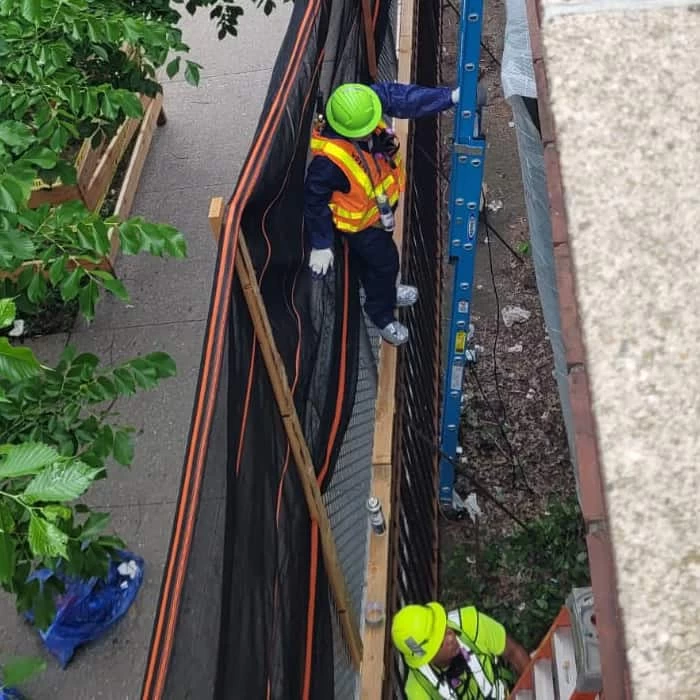
In East Hampton specifically, that happens often. Homes in Wainscott, the village, and Springs frequently contain pre-1978 construction materials asbestos floor tiles, pipe insulation, or roofing that becomes a hazard the moment it’s disturbed during demo. Lead paint is common in the same vintage of homes. We’re licensed and equipped to test, identify, and remediate both in the same project, without bringing in a separate abatement contractor. For coastal properties that have experienced storm surge or prolonged moisture exposure, mold assessment and remediation are also handled in-house.
For seasonal homeowners who aren’t on-site, the process includes photo and video documentation at every stage, direct communication with your insurance adjuster, and a clear record of what was found, what was done, and what was verified before the job was closed. Whether you’re dealing with a burst pipe in a vacant Montauk cottage or storm flooding in an Amagansett home, the work is handled with the same thoroughness. One call, one team, full scope.
My East Hampton vacation home has been flooding for days where do I even start?
The first thing to do is call a restoration company that can respond immediately and begin documenting the damage before anything is moved or disturbed. Do not wait until you can get there yourself in East Hampton, where many properties sit unoccupied for months, water events that go undetected can escalate dramatically. Mold can begin colonizing within 24 to 48 hours of water exposure, so every day the property sits unaddressed is a day the scope of the project grows.
When you call us, we can go directly to the property, assess the full extent of the damage using moisture meters and thermal imaging, and begin emergency water extraction immediately. You’ll receive documentation photos, moisture readings, a written assessment so you know exactly what’s happening before any work begins. From there, we communicate directly with your insurance company, so you’re not trying to coordinate a claim from a distance while also managing the logistics of the job itself.
Does homeowner's insurance cover water damage restoration, or do I need flood insurance?
It depends on the source of the water. Standard homeowner’s insurance typically covers sudden and accidental water damage a burst pipe, a failed appliance, an ice dam that forces water into the structure. It generally does not cover flooding from an external source, like storm surge or rising groundwater. That’s where NFIP flood insurance comes in, and it’s particularly relevant for East Hampton, where a significant number of properties sit in FEMA-designated Special Flood Hazard Areas along the Atlantic coast and Gardiner’s Bay.
If your property is in one of East Hampton’s flood zones Zones A1-A30 or AE, as designated on the town’s Flood Insurance Rate Maps and the damage was caused by a storm event, you may be filing two separate claims: one under your homeowner’s policy and one under your NFIP policy. These have different documentation requirements and different adjusters. We’re experienced with both claim types and handle the documentation and adjuster communication for each, so you’re not navigating two parallel processes on your own during an already stressful situation.
How long does water damage restoration typically take for a property in East Hampton?
The honest answer is that it depends on how long the water has been present, how large the affected area is, and whether secondary issues like mold or hazardous materials are found during the process. A standard structural drying job where water is extracted and the structure is dried to IICRC moisture targets typically takes three to five days for the drying phase alone. Reconstruction, if walls or flooring need to be replaced, adds time on top of that.
In East Hampton, the timeline is often extended by two factors that are common here but less common elsewhere. First, many water damage events in seasonal properties go undetected for extended periods, meaning the saturation is deeper and more widespread than a typical incident. Second, older homes in areas like Wainscott or the village may contain asbestos or lead paint that must be tested and addressed before reconstruction can begin and that process requires its own timeline and documentation. We’ll give you a realistic estimate after the initial assessment, not a number pulled from a generic script.
Do I need a permit to repair water damage in East Hampton, NY?
For basic drying and restoration work water extraction, structural drying, replacing damaged drywall permits are not typically required. However, if your property is located within a FEMA-designated Special Flood Hazard Area, more substantial repairs or reconstruction may require a floodplain development permit from the Town of East Hampton or the Village of East Hampton, depending on your specific location. The Village of East Hampton has a formal Flood Damage Prevention ordinance that governs construction and significant repairs within flood zones.
This is something we’re familiar with and factor into the project plan from the start. If your property is in a flood zone which is a real possibility for homes near the Atlantic coast, Gardiner’s Bay, the Napeague strip, or low-lying areas like the Gerard Drive peninsula in Springs we’ll flag the permit requirement early so it doesn’t become a delay later in the project. Getting this right upfront keeps your insurance claim and your reconstruction timeline on track.
Can mold actually grow in a house that's been empty all winter in East Hampton?
Yes and it’s one of the most common scenarios we encounter on the East End. Vacant seasonal homes are uniquely vulnerable because there’s no one present to notice a slow leak, a failed sump pump, or condensation building up in an unheated space. East Hampton winters bring freezing temperatures and coastal humidity, and when a pipe bursts or water intrudes into an unoccupied home, the conditions for mold growth are often ideal: moisture, organic material in walls and flooring, and no ventilation or heat to slow the process.
Mold can begin colonizing within 24 to 48 hours of water exposure. In a home that’s been sitting with undetected moisture for weeks or months, active mold growth is not a risk it’s a near certainty. Our process includes a full mold assessment as part of the water damage response, and if mold is found, remediation is handled in-house. You don’t need to bring in a separate company or start the coordination process over. The air quality is verified after remediation is complete, so you have documented confirmation that the property is safe before it’s occupied again.
What makes Green Island Group different from a national franchise like SERVPRO in East Hampton?
The most practical difference is accountability. With a national franchise, your call goes to a central number, gets routed to a local operator, and the crew that shows up may have limited familiarity with East Hampton’s specific conditions its flood zones, its permit requirements, its mix of historic and high-value properties, and the logistics of responding to the eastern end of the South Fork via Route 27. We’re a genuinely local operation with named staff, direct client relationships, and real knowledge of the East End market.
The other significant difference is scope. A water-damage-only franchise stops at the water. We handle water damage, mold remediation, asbestos testing and abatement, lead paint testing, and air quality assessment all under one roof. In East Hampton, where pre-1978 homes are common and where water damage frequently uncovers secondary hazards, that matters. It means the project doesn’t stall while you wait for a separate abatement contractor to become available. It means one point of contact, one consistent team, and a job that gets done completely rather than handed off mid-project.