When the Bay Floods Your Basement, Speed Matters More Than Promises
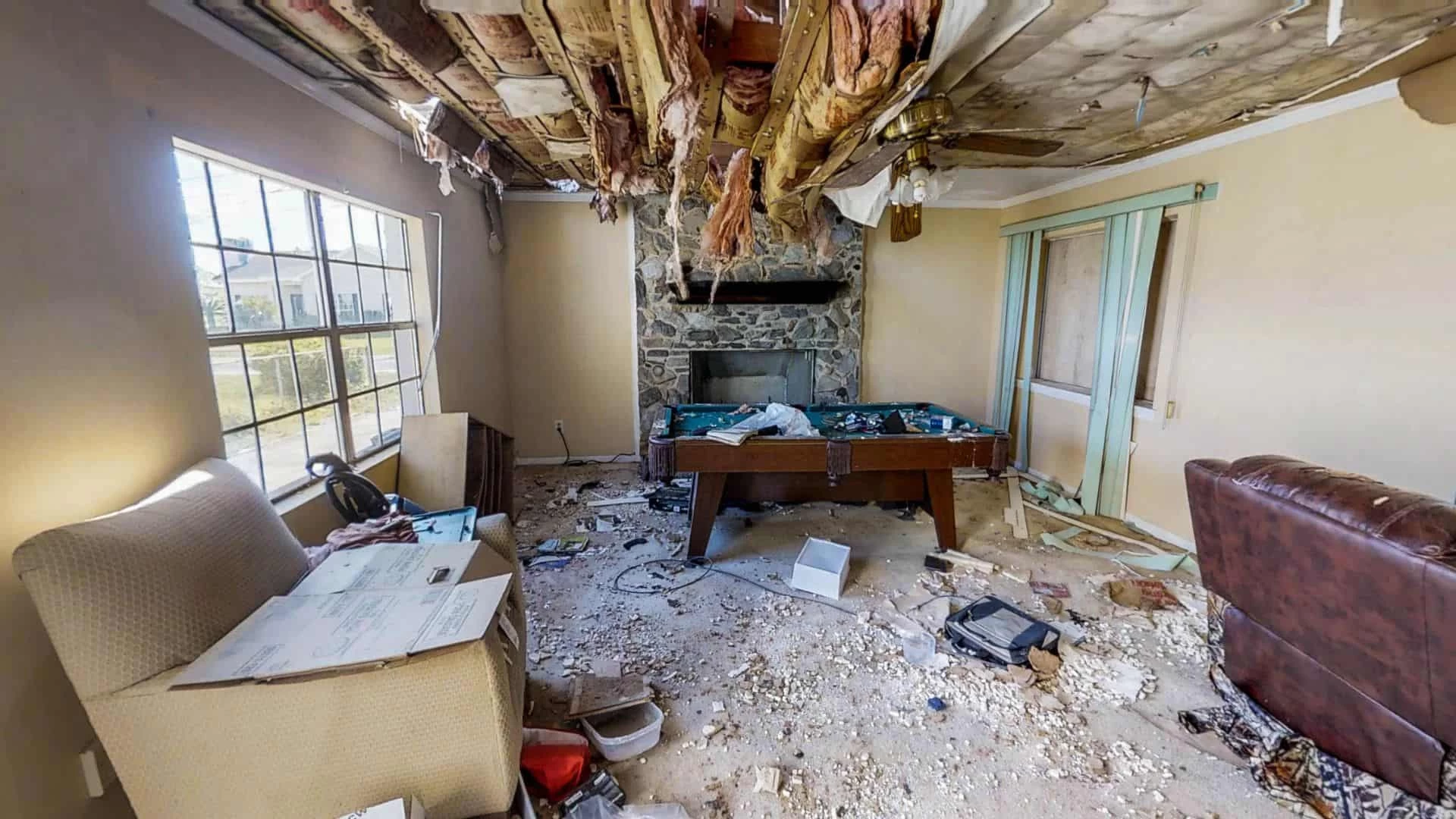
When water gets into your East Islip home whether it’s a burst pipe at 2am or bay water pushing through your basement after a nor’easter every hour you wait makes the damage worse. We respond fast, with a local crew that actually knows this area and understands what water intrusion means in a community where the water table sits high and the Great South Bay is never far away.
I needed a professional consultation explanation of procedure for safe removal of Asbestos in my apartment complex. Without having an account yet, I was very impressed with the caring, knowledgeable and generous advice offered by Jessica, and will look forward to doing business in the future. Thank you so much! I feel much more informed about a sometimes scary endeavor. Peace. Nancy Silva Mineola, NY.
Mia Munoz
Used this company to clean up some water flood in my house. They were fast and easy to work with.very professional, Would recommend to anyone!
Nini Valle
Great company, had a flood and they responded quickly and efficiently. Billed my insurance company directly. I highly recommend this company!
joe colapietro, jr
I had pipe freeze in my basement right before a snow storm and they made to within an hour to help start the clean up process. They we by our side throughout the entire process and even helped with the insurance company. They did such a great job with the cleanup, repair, remidiation, I contracted them to perform the repairs and finishes in the basement. They came with enough manpower and material to get the job done. Leo and Jessica were nothing but a pleasure to deal with!!
Cristian Arredondo c
I had some water damage in my home and Green Island was able to take care of my issue quickly and effectively. I am very pleased with the work they did. They responded quickly and were very professional.
Michael M
Outstanding service! From the office to the field crew everyone was friendly, helpful and responsive. I highly recommend Green Island Group.
The visible water is only part of the problem. What most homeowners don’t realize until it’s too late is that moisture travels into subfloors, wall cavities, and insulation long after the surface looks dry. Mold can start growing within 24 to 48 hours of exposure, and in East Islip’s coastal environment, where humidity off the Great South Bay is already elevated, that window is shorter than most people expect.
For homes in neighborhoods like The Moorings or near Champlin Creek, water intrusion from a storm surge event isn’t just wet floors it’s Category 3 contamination, meaning the water carries biological material that requires a completely different remediation protocol than a standard pipe burst. Getting that wrong doesn’t just delay your recovery. It can make your home unsafe.
When restoration is done correctly, you get your home back not just dried out, but actually back. Floors reinstalled. Walls closed. Air quality tested. No mystery smell six months later, no mold disclosure tanking your home value when you go to sell. For a community where the average home is worth close to $600,000 and property taxes run over $10,000 a year, that outcome isn’t optional. It’s the whole point.
We’re an independently owned environmental and restoration company serving Long Island’s South Shore not a franchise, not a call center, not someone routing your emergency to whoever’s available. When you call 631-613-8945, you reach a real team that knows what Montauk Highway looks like after a storm and understands exactly what it means to live near the Connetquot River watershed in East Islip.
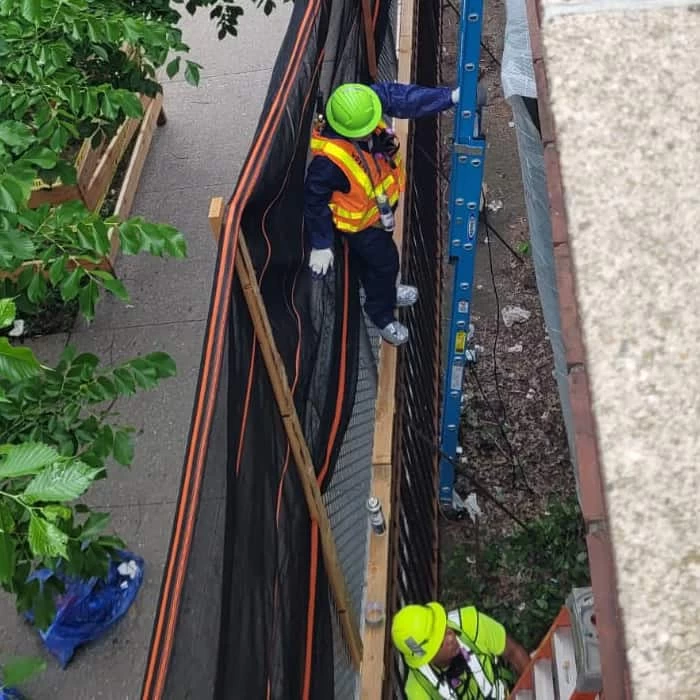
What separates us from most restoration companies in this market is the scope of what we handle in-house. Water damage, mold remediation, asbestos testing and abatement, lead paint removal, air quality testing all of it under one roof. That matters in East Islip, where a significant portion of the housing stock was built before 1978 and opening a water-damaged wall can quickly become a regulated abatement situation if you’re working with the wrong contractor.
Named staff, real accountability, and a team that treats a $600,000 home the way it deserves to be treated.
From First Call to Final Walkthrough Here's What Actually Happens
It starts the moment you call. We dispatch a crew to your East Islip property day or night and the first thing we do on arrival is assess the full scope of the damage, not just what’s visible. Using moisture meters and thermal imaging, we map where water has traveled: under the floor, behind the drywall, inside the structural cavities. This step is required under IICRC S500 protocol, and it’s the reason professional restoration produces different results than a rented dehumidifier and a weekend of hoping for the best.
Once the moisture map is complete, we place extraction and drying equipment strategically not just dropped in the middle of the room. Industrial air movers and dehumidifiers work in a calibrated system based on the specific conditions of your home. In East Islip’s older housing stock, this often means accounting for original plaster walls, hardwood subfloors, and finished basement spaces that hold moisture differently than modern construction.
If the assessment uncovers asbestos-containing materials floor tiles, pipe insulation, joint compound in a pre-1978 home, we handle abatement in-house under New York State Department of Labor licensing before any further restoration work proceeds. Significant structural repairs may also require a building permit from the Town of Islip’s Division of Building, and we coordinate that process so you’re not managing it alone. When the work is done, you get a documented, verified result not a handshake and a bill.
Built for South Shore Homes, Not Generic Checklists
East Islip isn’t a one-size-fits-all market, and water damage restoration here isn’t a one-size-fits-all service. Homes south of Montauk Highway particularly in the Timber Point area and along the bay face direct storm surge exposure and are designated FEMA Zone AE, meaning flood insurance is typically required and restoration documentation has to meet a specific standard for insurance purposes. We handle that documentation directly and communicate with your adjuster so the full scope of covered damage gets captured, not minimized.
For homeowners in East Islip dealing with the aftermath of a major rain event the kind that broke New York State records when 13.57 inches fell on Islip in August 2014 the service goes well beyond extraction. It includes full moisture mapping, structural drying, mold assessment, and where necessary, complete mold remediation with air quality verification afterward. If your home was built before 1978, asbestos and lead paint screening is part of the intake process, because disturbing those materials without proper protocols isn’t just a health risk it’s a legal one under New York State and EPA regulations.
Whether the source is a burst pipe in February, a sump pump failure during spring snowmelt, or bay water intrusion from a tropical storm, the process is the same: find all the water, dry it correctly, address every downstream risk, and restore the home to its actual pre-damage condition. Not just surface-dry. Done.
Does homeowner's insurance cover water damage from flooding in East Islip?
This is one of the most important questions to get right before you file anything. Standard homeowner’s insurance typically covers sudden and accidental water damage a burst pipe, an appliance failure, an overflowing tub. What it does not cover is flooding from an external water source, which includes storm surge from the Great South Bay, surface flooding from a major rain event, or groundwater backup. For that, you need a separate flood insurance policy, typically through the National Flood Insurance Program.
In East Islip, this distinction matters more than almost anywhere else on Long Island. Homes in FEMA Zone AE which includes much of the bayfront area south of Montauk Highway are required to carry flood insurance if they have a federally backed mortgage. If you’re not sure which policy applies to your situation, or whether both do, we can help you document the damage in a way that gives you the clearest possible picture before you contact your adjuster. Getting the documentation right at the start is far easier than fighting for coverage after the fact.
How quickly does mold actually start growing after a basement floods in East Islip?
The IICRC the governing body for professional restoration standards documents that mold can begin colonizing within 24 to 48 hours of water exposure under the right conditions. The right conditions, unfortunately, are exactly what most East Islip basements provide: limited airflow, organic materials like wood framing and drywall, and ambient humidity that’s already elevated from proximity to the Great South Bay. In the summer months especially, a flooded basement that isn’t addressed immediately can have visible mold growth within two to three days.
The bigger issue is that mold doesn’t always start where you can see it. It begins in wall cavities, under flooring, and inside insulation places that look dry from the outside but are still holding moisture. By the time you smell something, the colony is already established. This is why professional moisture mapping matters so much. It finds the wet areas before mold does, which is the only way to actually get ahead of it rather than react to it later.
What's the difference between water mitigation and full water damage restoration?
Mitigation and restoration are two different scopes of work, and understanding the difference will help you ask the right questions when you’re evaluating companies. Mitigation refers to the emergency response phase extracting standing water, placing drying equipment, and stopping the damage from getting worse. Many companies stop there and hand you off to a separate general contractor for the actual repairs.
Restoration is everything that comes after: replacing drywall, reinstalling flooring, repairing structural elements, and returning the home to its pre-damage condition. For East Islip homeowners especially those in finished basements or high-end homes near Timber Point or The Moorings the gap between “dried out” and “actually restored” can be significant. We handle both phases under one roof, which means no coordination gap, no accountability confusion, and no waiting for a second contractor to show up before your home is livable again.
My East Islip home was built in the 1960s does that affect the restoration process?
Yes, and it’s worth knowing upfront rather than discovering mid-job. Homes built before 1978 commonly contain asbestos in floor tiles, pipe insulation, ceiling texture, and joint compound and lead paint on walls, trim, and windows. These materials are not a problem when they’re intact and undisturbed. They become a regulated concern the moment water damage restoration requires opening walls, removing flooring, or disturbing any of those surfaces.
Under New York State Department of Labor regulations and EPA rules, asbestos-containing materials must be tested and, if necessary, abated by a licensed contractor before other restoration work can proceed. An unlicensed operator who skips this step isn’t just cutting corners they’re creating a legal liability for you as the homeowner. We handle asbestos testing and abatement in-house under NYSDOL licensing, which means the process stays coordinated, compliant, and on schedule. For a large portion of East Islip’s housing stock, this isn’t an edge case. It’s a routine part of a thorough restoration.
How do I know if the water damage in my home is actually fully dry?
You can’t tell with your eyes or your hands and that’s the honest answer. Moisture hides in places that look and feel dry from the surface: inside wall cavities, beneath hardwood floors, within insulation batts, and along the bottom plates of framed walls. A basement that appears dry after you’ve run a shop vac and a box fan for a few days may still have saturated framing and subfloor materials that are actively feeding a mold problem.
Professional drying uses calibrated moisture meters and thermal imaging cameras to measure actual moisture content inside building materials not just surface conditions. The IICRC S500 standard establishes specific dryness thresholds that have to be met before a restoration is considered complete, and those readings are documented as part of the job record. In East Islip, where high water table conditions and bay humidity can slow the drying process, hitting those thresholds often takes longer than homeowners expect. The equipment and the documentation are what give you a verifiable answer not a visual inspection.
Can I choose my own water damage restoration company, or does my insurance decide?
You choose. In New York State, you are not obligated to use the contractor your insurance carrier recommends or prefers. Your insurer may suggest a company and some will push that suggestion fairly hard but the final decision is yours. This is a right that a lot of East Islip homeowners didn’t fully understand during the Sandy claims period, when insurer-preferred contractors were sometimes steered toward scopes of work that served the carrier’s interests more than the homeowner’s.
What matters most is that whoever you hire documents the damage thoroughly, communicates directly with your adjuster, and captures the full scope of covered work from the start. We handle adjuster communication directly and provide the documentation your claim needs including moisture mapping records, drying logs, and material assessments. Choosing your own contractor also means you can choose one with the in-house capability to handle mold, asbestos, and full structural restoration, rather than a mitigation-only operator who leaves you managing the rest on your own.