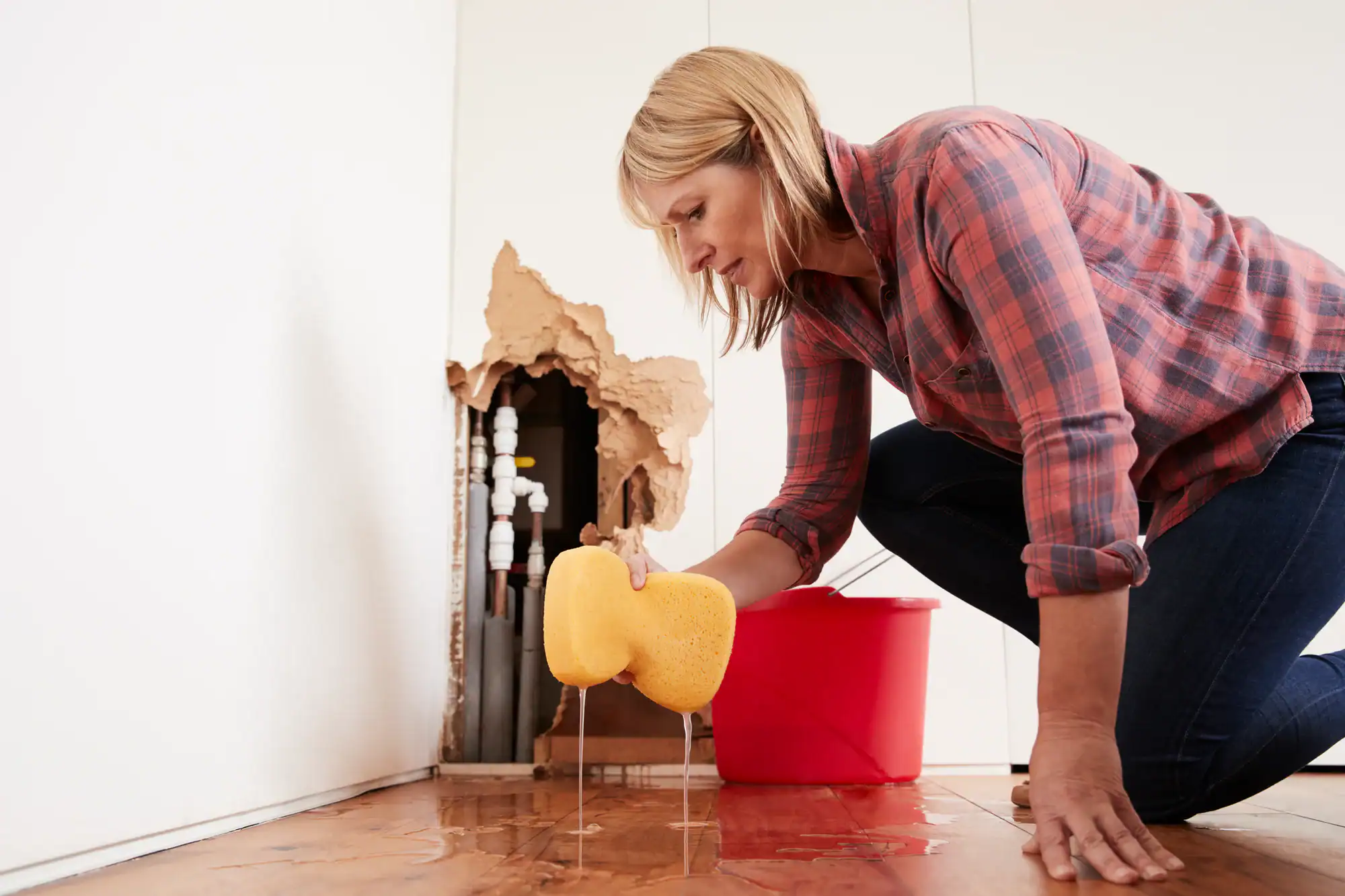
When Your East Meadow Basement Floods, Every Hour Counts
Mold starts growing in 24 hours — and in a 1957 East Meadow home, it starts behind walls you can’t see. We respond fast, dry it right, and handle your insurance claim from start to finish.
I needed a professional consultation explanation of procedure for safe removal of Asbestos in my apartment complex. Without having an account yet, I was very impressed with the caring, knowledgeable and generous advice offered by Jessica, and will look forward to doing business in the future. Thank you so much! I feel much more informed about a sometimes scary endeavor. Peace. Nancy Silva Mineola, NY.
Mia Munoz
Used this company to clean up some water flood in my house. They were fast and easy to work with.very professional, Would recommend to anyone!
Nini Valle
Great company, had a flood and they responded quickly and efficiently. Billed my insurance company directly. I highly recommend this company!
joe colapietro, jr
I had pipe freeze in my basement right before a snow storm and they made to within an hour to help start the clean up process. They we by our side throughout the entire process and even helped with the insurance company. They did such a great job with the cleanup, repair, remidiation, I contracted them to perform the repairs and finishes in the basement. They came with enough manpower and material to get the job done. Leo and Jessica were nothing but a pleasure to deal with!!
Cristian Arredondo c
I had some water damage in my home and Green Island was able to take care of my issue quickly and effectively. I am very pleased with the work they did. They responded quickly and were very professional.
Michael M
Outstanding service! From the office to the field crew everyone was friendly, helpful and responsive. I highly recommend Green Island Group.
What Dry Actually Looks Like in an East Meadow Home
There’s a difference between a basement that looks dry and one that actually is. In East Meadow, where most homes were built in the 1950s and virtually every one of them has a finished basement, water doesn’t just sit on the floor — it wicks into drywall, insulation, and wood framing within hours. By the time the surface feels dry to the touch, moisture is already working its way through materials that were installed decades ago and were never designed to handle repeated water events.
East Meadow’s flat terrain doesn’t help. With elevations ranging from just 32 feet near the southwestern edge of the hamlet to 82 feet along Hempstead Turnpike, there’s nowhere for water to drain when a nor’easter stalls over Nassau County or a tropical storm remnant rolls through in September. The storm drainage system in this area was built to 1950s standards — and it shows. When it gets overwhelmed, the water goes somewhere. Usually, that somewhere is your basement.
When restoration is done correctly, what you’re left with is a home that passes moisture meter readings at every structural surface — not just one that smells okay and looks dry under the lights. You get documentation your insurance company can actually use, a clear scope of what was damaged and what was replaced, and the peace of mind that comes from knowing a certified crew finished the job rather than a crew that stopped when it looked good enough.
We're Based in East Meadow — We're Accountable to Our Neighbors
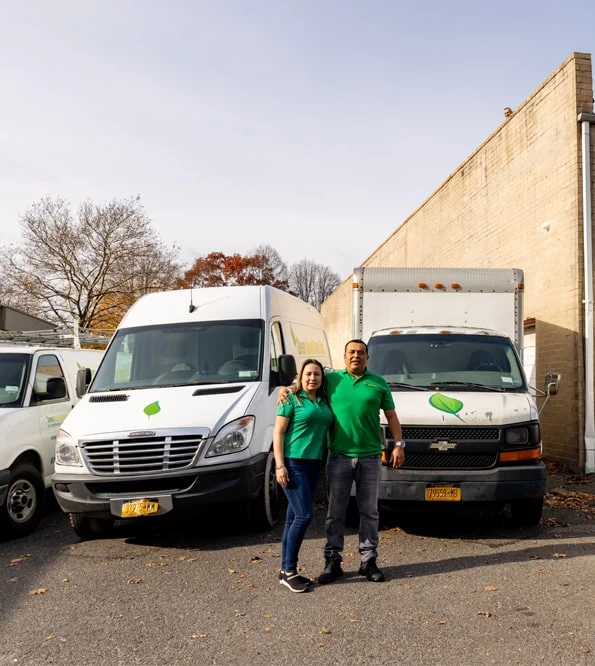
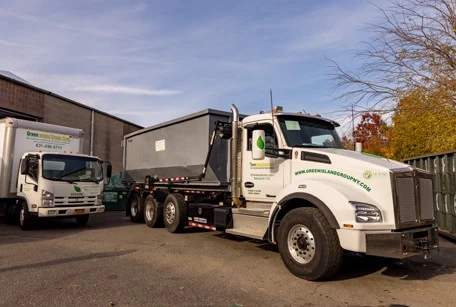
We’re a locally-owned, Long Island-based water damage restoration company — not a franchise, not a national brand with a local operator behind the curtain. When you call, you’re reaching the actual company. The crew that shows up at your door is the same organization you spoke with on the phone, not a subcontractor dispatched through a regional hub.
That matters in East Meadow, where neighbors talk. Whether you’re in Barnum Woods near the Meadowbrook Parkway corridor or closer to the Hempstead Turnpike end of town near Nassau University Medical Center, word travels fast when a company does the job right — and equally fast when they don’t. Our reputation here is local, which means it’s real.
We’re IICRC certified, fully licensed under New York State’s Mold Law, and carry all required credentials for restoration work in Nassau County. That’s not a formality — it’s what protects your insurance claim and ensures the work holds up to scrutiny.
No Guesswork — Here's Exactly How We Restore Your East Meadow Home
The first thing we do when we arrive is assess — not estimate, assess. We use thermal imaging cameras and calibrated moisture meters to find water that’s already moved into wall cavities, under flooring, and into structural framing. In a finished East Meadow basement, this step is non-negotiable. You can’t dry what you can’t locate, and you can’t locate hidden moisture with a visual inspection alone.
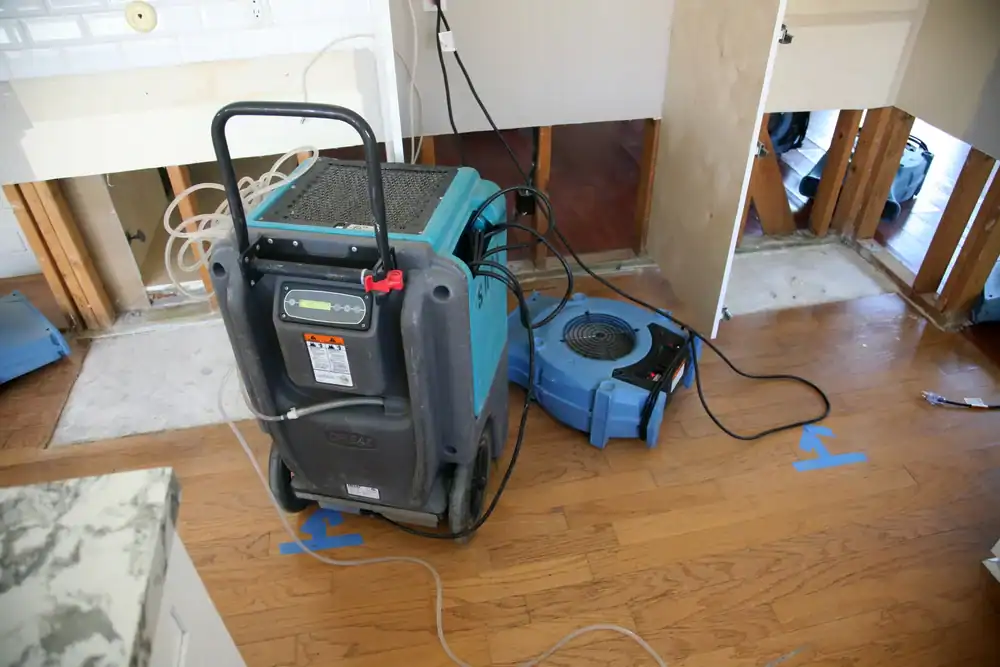
Once we know the full scope, we extract standing water and deploy industrial air movers and desiccant dehumidifiers throughout the affected area. These aren’t hardware store fans — they move air at a rate that pulls moisture out of structural materials, not just off the surface. We monitor readings daily until every surface hits the target moisture level specified by the IICRC S500 standard. The job isn’t done when it looks dry. It’s done when the numbers say it’s dry.
Because East Meadow is an unincorporated hamlet under the Town of Hempstead, any structural restoration work requiring a permit goes through the Town of Hempstead Building Department. We handle that coordination. We also document everything — photographs, moisture logs, scope of work — and communicate directly with your insurance adjuster so you don’t have to manage that process yourself while your home is still mid-restoration.
What's Included When We Restore Your East Meadow Home
Water damage restoration in East Meadow covers more ground than most homeowners expect going in. It starts with emergency water extraction and drying, but in a home built in 1957 with decades of finished basement living space, it often extends to controlled demolition of saturated drywall, removal of compromised insulation, antimicrobial treatment of structural framing, and full documentation of every material affected. Nothing gets skipped because it’s inconvenient.
Mold assessment and remediation are handled under New York State’s Mold Law, which requires separate licensing for assessment and remediation work. We hold the appropriate NY State Department of Labor credentials for both. If mold is found during the restoration process — which happens more often than not in East Meadow homes that have had previous moisture events — we don’t hand you off to a third party. We handle it, and we document it in a way that your insurer can verify.
Every job includes direct insurance carrier communication. We work with all major carriers serving Nassau County homeowners — Allstate, State Farm, Travelers, and others — and we provide the adjuster with everything they need to process the claim accurately. You’ll also receive a written scope of work before anything starts, so there are no surprises when the job is complete. In a community like East Meadow where most homeowners have real equity and real stakes, that transparency isn’t optional — it’s the baseline.
How quickly can we respond to water damage in East Meadow?
We respond 24 hours a day, seven days a week — including during the nor’easters and tropical storm events that tend to hit Nassau County hardest. When you call, you’re reaching a Long Island-based crew, not a national answering service routing your emergency to whoever is available in the county. Response time matters in East Meadow specifically because the flat terrain here means water spreads quickly once it’s in your basement, and the finished nature of most East Meadow basements means it’s reaching drywall and framing fast.
The sooner extraction starts, the more material can be saved — and the lower the total restoration cost. The 24-to-48-hour mold growth window is real, and in a home with finished walls and original framing from the 1950s, that window closes faster than most people expect. If you’re dealing with active flooding or have just discovered water damage, call immediately. Don’t wait to see if it dries on its own.
Does homeowners insurance cover water damage restoration in East Meadow, NY?
It depends on the cause, and the distinction matters. Most standard homeowners insurance policies in Nassau County cover sudden and accidental water damage — a burst pipe, a failed appliance, an overflow. What they typically don’t cover is flooding from outside the home, which falls under separate flood insurance through FEMA’s National Flood Insurance Program. East Meadow’s flooding risk is primarily driven by drainage failure and heavy rainfall overwhelming the storm system — not coastal storm surge — so the source of the water in your specific situation will determine what your policy covers.
We document every job in a way that gives your adjuster exactly what they need: photographs, moisture readings, a written scope of work, and a clear timeline. We communicate directly with your carrier so you’re not stuck playing intermediary. If there’s a coverage question, we help you understand it — we don’t leave you to figure it out alone while your basement is still wet.
How do I know if there's hidden water damage inside my walls after a basement flood in East Meadow?
You usually can’t tell without professional equipment — and that’s the problem. In a typical East Meadow home, the basement was finished sometime in the 1970s or 1980s with drywall over the original concrete block foundation. When water comes in, it gets behind that drywall and into the insulation and framing where it can’t be seen, felt, or smelled until mold is already growing. By the time you notice a musty odor or see discoloration on the wall surface, the infestation behind it may already be significant.
Thermal imaging cameras detect temperature differentials caused by evaporative cooling of wet materials, making hidden moisture visible without opening walls. Calibrated moisture meters confirm the readings and give us specific numbers to track against the IICRC drying standard. We use both on every job. If there’s moisture behind your walls, we’ll find it before it becomes a mold problem — not after.
What's the difference between water mitigation and water damage restoration?
Mitigation is the emergency phase — stopping the damage from getting worse. That means extracting standing water, removing saturated materials that can’t be saved, and setting up drying equipment to stabilize the environment. Restoration is what comes after — repairing or replacing what was damaged, returning the space to its pre-loss condition, and completing all the documentation your insurance company needs to close the claim.
Some companies only do one or the other. We handle both, which matters because the handoff between mitigation and restoration is where things often fall apart when you’re working with two separate contractors. In an East Meadow home where the basement is both a living space and a mechanical room — HVAC, water heater, electrical panel — getting that space back to fully functional requires a team that understands the full scope from extraction to final restoration, not just one half of the job.
How long does water damage restoration typically take for an East Meadow home?
The drying phase alone typically takes three to five days, depending on how much moisture has penetrated structural materials and how the affected space is configured. In a finished East Meadow basement, drying takes longer than in an unfinished one because the moisture has more material to move through — drywall, insulation, framing — before the air movers can pull it out effectively. We monitor readings daily and don’t move to the restoration phase until the numbers confirm the structure is dry.
Full restoration — repairing or replacing damaged drywall, flooring, insulation, and any structural elements — depends on the scope of damage. A contained pipe leak in one area of the basement is a very different job than a sump pump failure that flooded the entire finished space during a nor’easter. We give you a written scope before work begins so you have a realistic timeline, not a vague estimate that shifts every few days. Insurance claim processing runs on its own timeline and is handled in parallel so it doesn’t slow down the physical work.
Does Green Island Group handle mold remediation after water damage in East Meadow?
Yes — and in East Meadow, it’s something that comes up more often than homeowners expect. The combination of a housing stock built largely in the 1950s, frequent basement moisture events driven by the area’s flat drainage, and decades of finished basement living space creates conditions where mold is a real and recurring risk. Many East Meadow homeowners have already dealt with it once before. If it wasn’t fully remediated the first time, or if the underlying moisture issue wasn’t resolved, it comes back.
New York State’s Mold Law requires that mold assessment and mold remediation be performed by separately licensed contractors — a requirement that applies in East Meadow and throughout Nassau County. We hold the appropriate NY State Department of Labor licenses for both. That licensing matters for your insurance claim: insurers increasingly require documentation of licensed remediation, and unlicensed work can create complications when the claim is reviewed. If mold is identified during your water damage restoration, we handle it under the same job — documented, licensed, and done to the standard your insurer expects.