When Your 1950s East Northport Home Takes on Water, the Walls Hide More Than You Think
Most homes in East Northport were built before 1960. That means older pipes, deeper moisture problems, and walls that don’t give up water easily. We handle water damage restoration the right way before it becomes a mold problem you didn’t see coming.
I needed a professional consultation explanation of procedure for safe removal of Asbestos in my apartment complex. Without having an account yet, I was very impressed with the caring, knowledgeable and generous advice offered by Jessica, and will look forward to doing business in the future. Thank you so much! I feel much more informed about a sometimes scary endeavor. Peace. Nancy Silva Mineola, NY.
Mia Munoz
Used this company to clean up some water flood in my house. They were fast and easy to work with.very professional, Would recommend to anyone!
Nini Valle
Great company, had a flood and they responded quickly and efficiently. Billed my insurance company directly. I highly recommend this company!
joe colapietro, jr
I had pipe freeze in my basement right before a snow storm and they made to within an hour to help start the clean up process. They we by our side throughout the entire process and even helped with the insurance company. They did such a great job with the cleanup, repair, remidiation, I contracted them to perform the repairs and finishes in the basement. They came with enough manpower and material to get the job done. Leo and Jessica were nothing but a pleasure to deal with!!
Cristian Arredondo c
I had some water damage in my home and Green Island was able to take care of my issue quickly and effectively. I am very pleased with the work they did. They responded quickly and were very professional.
Michael M
Outstanding service! From the office to the field crew everyone was friendly, helpful and responsive. I highly recommend Green Island Group.
What Getting It Right Actually Looks Like in East Northport
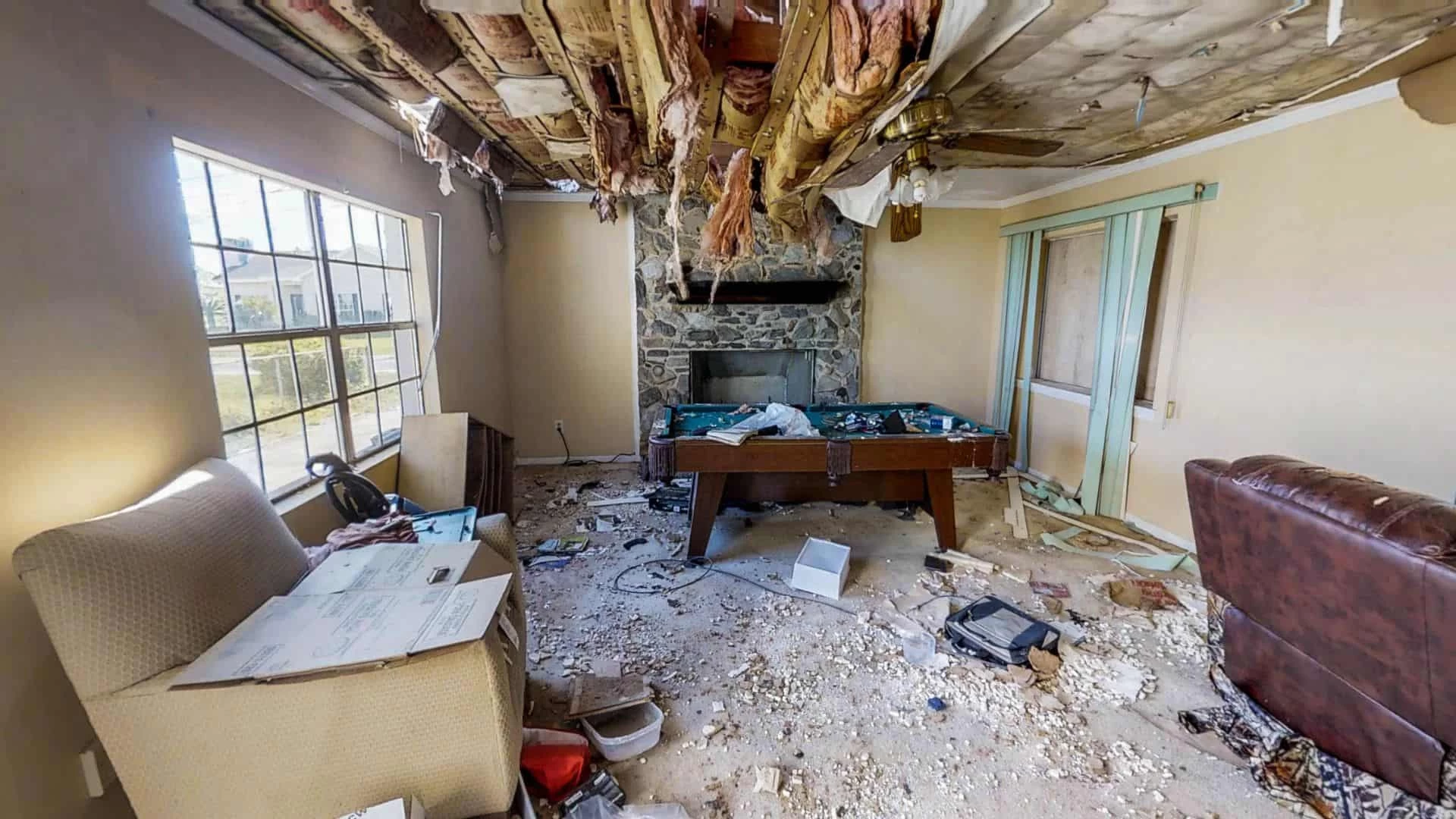
When water gets into an East Northport home, it rarely stays where you can see it. These are mid-century houses built in the 1950s and 60s with wall cavities, subfloor assemblies, and insulation that hold moisture long after the surface looks dry. If the job stops at drying what’s visible, you’re not restored. You’re just waiting for the mold to show up.
Done right, water damage restoration means your home is actually dry verified with thermal imaging and moisture meters, not just a visual check. It means the structural materials that absorbed water are either dried to IICRC standards or replaced. It means you’re not getting a call three months later about a musty smell that turned into a remediation job.
There’s also something specific to homes in East Northport that most restoration companies won’t bring up: if your house was built before 1978, there’s a real chance that tearing into water-damaged walls disturbs asbestos-containing materials or lead paint. That’s not a hypothetical. It’s a documented reality for a large portion of East Northport’s housing stock. A company that can only handle water and has to stop when those materials show up creates delays, gaps in accountability, and more stress for you. We handle all of it under one roof.
A Real Long Island Company Operating in East Northport Not a Call Center With a Local Number
We’re a Long Island-based environmental and property restoration company not a national franchise routing your call to a subcontractor two counties away. When you call, you’re reaching people who actually operate in Suffolk County, know the Town of Huntington’s permitting requirements, and understand what it means to work inside a 65-year-old home in East Northport near Larkfield Road.
The difference matters more than people realize. Several companies that rank for water damage searches in East Northport are national lead-gen operations with no real local presence. When your home is flooding at 2am during a nor’easter, that’s not who you want answering the phone.
We hold IICRC certification, New York State asbestos licensing, and EPA RRP certification for lead paint work the credentials that matter most in East Northport, where the majority of homes were built before federal safety standards existed. One team. One call. No handoffs.
Water Damage Restoration Service in East Northport
From the First Call to the Final Walkthrough No Guesswork, No Surprises
It starts with a call any time, day or night. East Northport’s worst water events don’t wait for business hours. Burst pipes happen during January cold snaps. Sump pumps fail at 3am when a nor’easter knocks the power out. When you call us, a real person answers and dispatches a crew not an answering service, not a callback window.
When our team arrives, the first step is a full assessment using thermal imaging cameras and calibrated moisture meters. In older East Northport homes, water travels through floor joists, behind plaster, under hardwood. You need to know where it actually went, not just where it pooled. That assessment shapes the entire scope of work, and you’ll know what’s happening before anything starts.
From there, the process follows IICRC S500 protocol: extraction, structural drying, and verification. If the damage involves asbestos-containing materials or lead paint which is a real possibility in homes built before 1978 that’s handled in-house without stopping the job. If structural repairs require a permit from the Town of Huntington’s Building Division, we know that process and can help you navigate it. The job isn’t done until moisture readings confirm it. Not when it looks dry when it is dry.
Our water damage restoration service covers the full scope not just the obvious damage. That means emergency water extraction, structural drying with commercial-grade equipment, moisture mapping, and a final verification before the job is considered complete. For East Northport homeowners dealing with basement flooding from sump pump failure or foundation seepage both extremely common in this area given the North Shore’s water table and older basement construction that also means addressing the source conditions, not just the aftermath.
Because so many homes in East Northport were built before 1980, our service also extends to what’s behind the walls. If water damage exposes asbestos pipe wrap, floor tile, or ceiling material, our licensed abatement team handles it. If lead paint is disturbed during remediation in a pre-1978 home, EPA RRP-certified protocols are followed. You don’t need to find a second contractor or manage two separate timelines it’s all handled by our team.
We also work directly with your insurance company. That means documenting damage to adjuster standards, communicating on your behalf, and helping you understand what your policy actually covers. For homeowners near flood-prone areas of East Northport who carry both standard homeowner’s insurance and a separate NFIP flood policy, that distinction matters and we know how to navigate both.
How quickly can mold develop after water damage in an East Northport home?
Mold can begin growing within 24 to 48 hours of water exposure and that window is not a guideline, it’s a hard deadline. In East Northport’s older homes, where wall cavities and subfloor spaces are built with materials that retain moisture longer than modern construction, the risk is even more compressed. Plaster walls, older insulation, and wood framing that’s been absorbing ambient moisture for decades don’t release water quickly.
This is why the speed of response matters so much. If you’re waiting until morning to call because the flooding happened overnight, you may already be in the mold window. We offer 24/7 emergency response specifically for this reason to get extraction and drying started before mold has a chance to take hold. Once mold is established, you’re looking at a separate remediation job on top of the restoration, which significantly increases both cost and timeline.
Does water damage restoration in East Northport require a permit from the town?
It depends on the scope of the work. If restoration involves structural repairs replacing sections of drywall, subfloor, or framing a building permit from the Town of Huntington’s Building Division may be required. East Northport is a hamlet governed by the Town of Huntington, and permit requirements apply to work that affects the structure of the home, not just surface-level drying.
This is something a lot of homeowners don’t find out until mid-job, when work gets stopped by a code compliance issue. We operate regularly in the Town of Huntington and are familiar with when permits are required, what documentation is needed, and how to close out a restoration project cleanly. If permits are part of your job, that’s handled you don’t need to figure it out on your own while you’re also managing an insurance claim and a disrupted household.
My East Northport home was built in the 1950s should I worry about asbestos during restoration?
Yes, and it’s worth taking seriously. Homes built before 1980 commonly contain asbestos in pipe insulation wrap, floor tiles, ceiling tiles, joint compound, and other building materials. In East Northport, where the median construction year is 1959 and roughly 20% of homes predate 1950, the majority of the housing stock falls into this category. When water damage restoration requires tearing into walls, floors, or ceilings, there’s a real possibility of disturbing those materials.
Under New York State Industrial Code Rule 56, any renovation or demolition work in a building that may contain asbestos requires a survey before work begins. If asbestos-containing materials are found and need to be disturbed, NYS-licensed abatement is required. We hold that license and handle asbestos abatement in-house meaning your restoration doesn’t get paused while you track down a separate contractor. The entire job stays on one timeline, with our team accountable for the outcome.
Will my homeowner's insurance cover water damage restoration in East Northport, NY?
Usually yes but the details matter. Standard homeowner’s insurance typically covers sudden and accidental water damage, like a burst pipe or an appliance failure. It generally does not cover gradual leaks, flooding from outside the home, or damage that results from deferred maintenance. If your basement flooded because a nor’easter overwhelmed your drainage system, that may fall under flood coverage rather than your standard policy and those are two separate claims processes.
East Northport homeowners in or near flood-designated zones may carry both a standard homeowner’s policy and a separate NFIP flood insurance policy. Knowing which one applies and how to document the damage correctly for each makes a significant difference in what you recover. We work directly with insurance adjusters, document damage to industry standards, and help you understand what your coverage actually includes. New York law also gives you the right to choose your own restoration contractor, regardless of what your insurer’s preferred list says.
What causes most basement flooding in East Northport, and how is it handled?
The most common causes in East Northport are sump pump failures during power outages, foundation seepage from hydrostatic pressure, and drain backups during heavy rainfall. The North Shore’s glacially deposited sandy soil has a relatively high and variable water table, and during spring snowmelt or a sustained nor’easter, that water table can rise to within a few feet of basement floors. Older basement construction common throughout East Northport’s mid-century housing stock wasn’t built with the moisture barriers that newer homes have, which makes seepage more likely.
Sump pump failures are especially common in East Northport because many of the older homes have original or aging sump systems with no battery backup. When a nor’easter knocks out the power, the pump stops and the basement floods. Restoration in these cases starts with full water extraction, followed by structural drying of the affected framing, insulation, and flooring materials. If the finished basement space includes drywall, carpeting, or cabinetry, those materials are assessed individually some can be dried in place, others need to be removed to prevent mold growth behind finished surfaces.
How long does water damage restoration typically take for a home in East Northport?
The honest answer is that it depends on the extent of the damage and what’s found once the assessment is done. A straightforward extraction and structural drying job say, a single room with a burst pipe and no secondary complications can be completed in three to five days. A more significant event involving multiple rooms, saturated subfloor assemblies, or the need for structural repairs can take one to three weeks.
In East Northport specifically, the timeline can also be affected by what’s discovered behind the walls. If asbestos-containing materials are found and need to be abated before restoration continues, that adds time but because we handle abatement in-house, it adds far less time than it would if you had to bring in a separate contractor and wait for their schedule. Insurance documentation and any required Town of Huntington building permits are also factored into the timeline, and our team manages both. You’ll know the projected timeline upfront, and you’ll be updated if anything changes not surprised at the end.