When Conscience Bay Floods Your Basement, Hours Matter
East Setauket’s North Shore geography and high water table don’t forgive slow responses we’re available 24/7 for water damage restoration when it counts.
I needed a professional consultation explanation of procedure for safe removal of Asbestos in my apartment complex. Without having an account yet, I was very impressed with the caring, knowledgeable and generous advice offered by Jessica, and will look forward to doing business in the future. Thank you so much! I feel much more informed about a sometimes scary endeavor. Peace. Nancy Silva Mineola, NY.
Mia Munoz
Used this company to clean up some water flood in my house. They were fast and easy to work with.very professional, Would recommend to anyone!
Nini Valle
Great company, had a flood and they responded quickly and efficiently. Billed my insurance company directly. I highly recommend this company!
joe colapietro, jr
I had pipe freeze in my basement right before a snow storm and they made to within an hour to help start the clean up process. They we by our side throughout the entire process and even helped with the insurance company. They did such a great job with the cleanup, repair, remidiation, I contracted them to perform the repairs and finishes in the basement. They came with enough manpower and material to get the job done. Leo and Jessica were nothing but a pleasure to deal with!!
Cristian Arredondo c
I had some water damage in my home and Green Island was able to take care of my issue quickly and effectively. I am very pleased with the work they did. They responded quickly and were very professional.
Michael M
Outstanding service! From the office to the field crew everyone was friendly, helpful and responsive. I highly recommend Green Island Group.
A Dry Home Isn't Enough Here's What's Actually at Stake
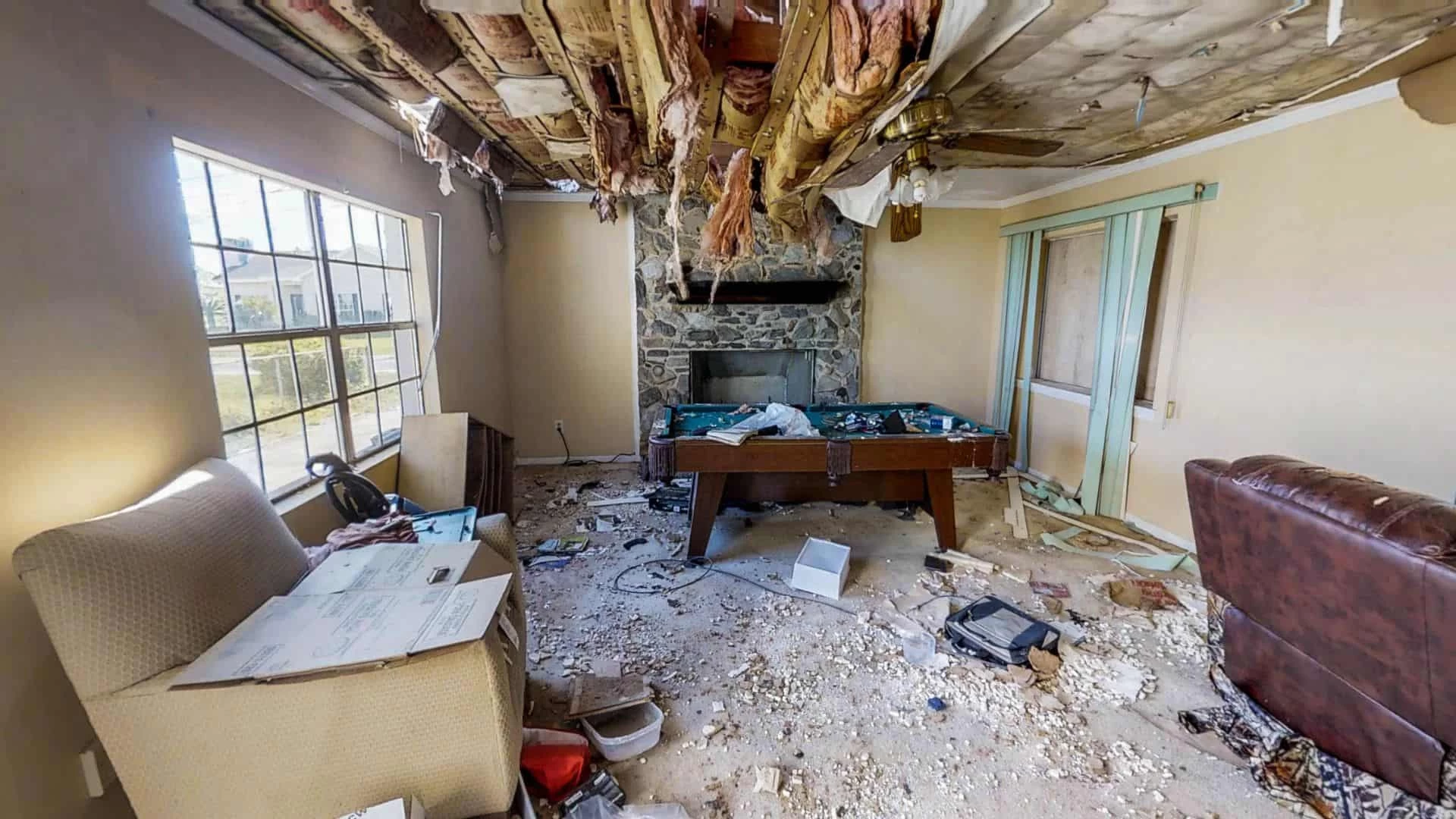
When water gets into a home in East Setauket, the visible damage is usually the smallest part of the problem. What’s behind your walls, under your floors, and inside your framing is where the real cost lives. Mold can begin growing within 24 to 48 hours of water exposure and in the older homes throughout the Three Village area, many built in the 1950s or earlier with wood framing and plaster walls, that clock starts the moment water enters.
The stakes are higher here than in most of Long Island. With median home values approaching $860,000, a water event isn’t just an inconvenience it’s a direct threat to your most significant financial asset. Getting the moisture out fast and completely is the difference between a contained repair and a months-long remediation project that costs far more than it should have.
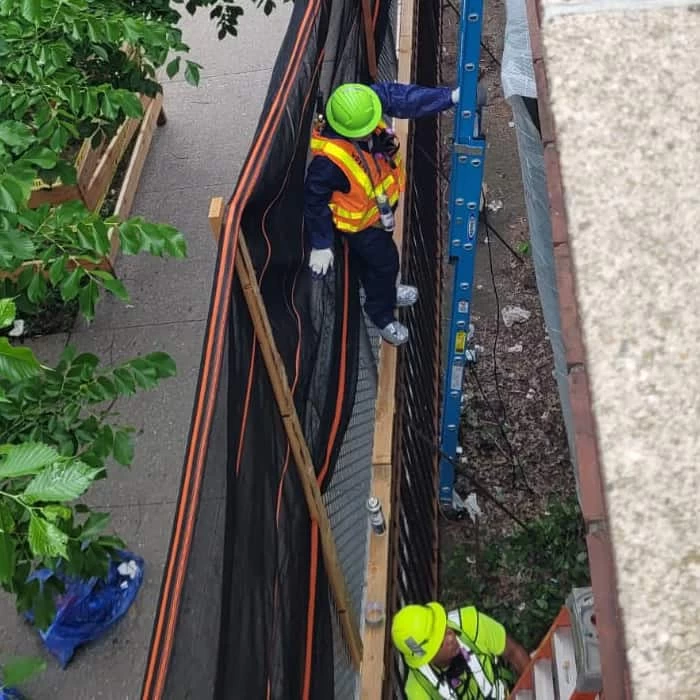
There’s also a layer of complexity that’s specific to homes in this area. Many Three Village properties contain asbestos in pipe insulation, floor tiles, or ceiling materials common in homes of this era. When water damage requires opening walls and floors, those materials become a regulatory issue that a water-only restoration company isn’t equipped to handle. That’s a problem you don’t want to discover mid-project.
Local Knowledge, Full-Scope Capability Not One or the Other
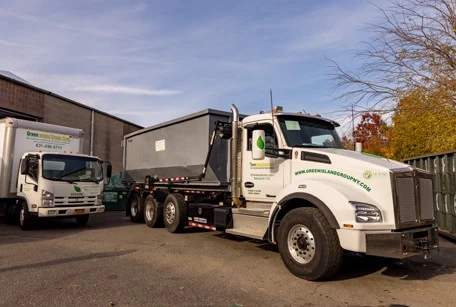
We’re a Long Island-based environmental and property restoration company not a national franchise, not a call center routing you to an unknown subcontractor. When you call our 631 number, you’re reaching a local team that knows the North Shore, knows Suffolk County’s permit requirements, and knows what East Setauket homes actually look like from the inside.
We handle the full continuum of damage that follows a water event: extraction, structural drying, mold remediation, asbestos abatement, and post-remediation air quality testing. That matters in a community like East Setauket, where a flooded basement in an older home near Conscience Bay or the Historic District can quickly become a multi-hazard situation that a single-service company can’t fully resolve.
Our technicians are IICRC-certified and follow S500 water damage restoration standards. We work directly with your insurance carrier, document everything properly, and don’t hand you off to someone else halfway through the job.
What Actually Happens From First Call to Final Clearance
When you call, we respond day or night. The first thing we do is get eyes on the situation and stop the damage from spreading. That means identifying the water source if it’s still active, beginning extraction, and setting up professional drying equipment. We use moisture meters and thermal imaging to map saturation throughout the structure, not just the areas that look wet. In East Setauket’s older homes, water travels in ways that aren’t always obvious and missing a pocket of hidden moisture is how mold problems start.
Once extraction and drying are underway, we assess the full scope. If the home was built before 1978 which describes a significant portion of the housing stock in the Three Village area we check for lead paint and asbestos in any materials that need to be disturbed. This isn’t optional in New York State; it’s a regulatory requirement, and we handle it in-house rather than stopping work and bringing in a separate contractor.
From there, we move through remediation, repairs, and final air quality verification. We document every step for your insurance claim and communicate directly with your adjuster so you’re not stuck in the middle. By the time we’re done, you have a written clearance not just a verbal assurance that everything is fine.
Water Damage Restoration Service near East Setauket
One Company Handles Everything Your Home Needs After a Flood
Water damage restoration in East Setauket isn’t a single-step job, and we don’t treat it like one. What you get with us is a complete response: emergency water extraction, structural drying with commercial-grade equipment, moisture mapping, mold assessment and remediation if needed, and post-remediation air quality testing to confirm the space is safe. If asbestos or lead paint is present in the materials being disturbed which is genuinely common in homes throughout the East Setauket Historic District and the broader Three Village area we handle abatement in-house under proper New York State Department of Labor licensing and EPA RRP certification.
We also manage your insurance claim from start to finish. Given that flood insurance uptake in northern Suffolk County communities like East Setauket has been historically low, many homeowners are navigating claims under standard homeowner’s policies after a major storm event. We know how to document damage properly, communicate with adjusters, and give you the best possible footing with your carrier whether the damage came from a burst pipe during a winter freeze, a sump pump failure, or a storm event like the August 2023 flooding that left some East Setauket basements with water nearly to the ceiling.
The scope of what we handle means you’re not coordinating multiple contractors, multiple schedules, or multiple insurance submissions. One call covers the full job.
How quickly does mold start growing after water damage in East Setauket homes?
Mold can begin colonizing within 24 to 48 hours of water exposure and that timeline is not a worst-case scenario, it’s the standard. In East Setauket’s older housing stock, which includes a significant number of homes built in the 1950s with wood framing, plaster walls, and organic materials throughout, mold finds ideal conditions quickly once moisture is present. The combination of warm interior temperatures and water-saturated structural materials accelerates growth behind walls and under floors where you can’t see it.
This is exactly why response time matters more than almost anything else. A company that arrives the next business day is not the same as a company that arrives within hours. By the time you see visible mold, it’s already been growing for a while and remediation at that stage is significantly more involved and expensive than catching it early. If you’ve had any water event in your home, even one that seems minor, getting professional moisture assessment done quickly is the most cost-effective decision you can make.
Does homeowner's insurance cover water damage restoration in East Setauket, NY?
It depends on the source of the water, and the distinction matters a lot. Standard homeowner’s insurance policies typically cover sudden and accidental water damage a burst pipe, a washing machine overflow, an HVAC condensate line failure. What they generally don’t cover is flooding from an external source, like storm surge or groundwater. That type of damage requires a separate flood insurance policy, typically through the National Flood Insurance Program.
Here’s the issue specific to East Setauket: flood insurance uptake in northern Suffolk County communities has been surprisingly low despite documented flood risk from tidal waterways like Conscience Bay and the area’s high water table. After the August 2023 storm, many homeowners in East Setauket were dealing with catastrophic basement flooding without flood coverage in place. If you’re in that situation, it doesn’t mean you’re without options it means documentation and proper claim filing under your existing policy becomes even more critical. We work directly with your insurance carrier, help you understand what’s covered, and handle the documentation that gives your claim the best possible outcome.
What's the difference between water damage restoration and just drying things out?
Drying is one step in a much longer process and stopping there is one of the most common mistakes homeowners make after a water event. True water damage restoration means extracting standing water, yes, but it also means mapping hidden moisture inside walls and under floors with professional equipment, removing and disposing of materials that can’t be dried safely, treating for microbial growth, and verifying through air quality testing that the space is genuinely safe when the work is done.
Consumer fans and dehumidifiers can reduce surface moisture, but they don’t reach the saturation inside structural framing, insulation, and subfloor materials. In a home worth $800,000 or more which describes a significant portion of East Setauket’s housing stock the cost of missing hidden moisture is not a minor inconvenience. It shows up months later as mold behind drywall, warped flooring, and structural deterioration that costs far more to address than the original water event would have. Professional restoration, done completely and correctly the first time, is consistently less expensive than dealing with the consequences of an incomplete job.
Do East Setauket homes need asbestos testing before water damage repairs begin?
If your home was built before the mid-1980s and a large portion of East Setauket’s housing stock falls into that category then yes, it’s something that needs to be addressed before any work that disturbs walls, floors, or ceilings begins. Asbestos was commonly used in pipe insulation, floor tiles, ceiling tiles, and joint compound in homes built through the 1970s and into the early 1980s. Water damage restoration work almost always involves disturbing at least some of these materials.
In New York State, asbestos abatement requires licensing through the New York State Department of Labor. Work performed without that licensing in an asbestos-containing home is not just a regulatory violation it’s a genuine health hazard for anyone in the building. We hold the required state licensing and handle asbestos assessment and abatement in-house, which means we don’t stop work and bring in a third party when the issue surfaces. For homeowners in older neighborhoods near the Setauket Mill Pond or throughout the East Setauket Historic District, this is not a hypothetical concern it comes up regularly in homes of this age and construction type.
How long does water damage restoration typically take for a flooded basement?
For a straightforward basement flood with no mold involvement and no hazardous materials, structural drying typically takes three to five days using commercial drying equipment. That’s the drying phase alone extraction usually happens within the first few hours of our arrival. The full restoration timeline, including any drywall replacement, flooring, and repairs, depends on the scope of damage and whether permits are required.
In East Setauket, which falls under the Town of Brookhaven’s jurisdiction, structural repairs following water damage typically require building permits from the Town of Brookhaven Department of Building, Planning, and Housing. That adds time to the overall project, but it’s a necessary step unpermitted work in Brookhaven can create serious problems when you sell the home or file a future insurance claim. If mold remediation is also required, that adds additional time for treatment, containment, and post-remediation air quality clearance. We give you a realistic timeline upfront based on what we actually find during the initial assessment not a best-case estimate designed to get you to sign.
Is water damage restoration in East Setauket worth it compared to just replacing everything?
In most cases, professional restoration saves somewhere between 40 and 60 percent compared to full material replacement and that’s not a marginal difference on a high-value home. In East Setauket, where homes regularly carry values approaching and exceeding $860,000, the financial argument for proper restoration over wholesale replacement is significant. Structural drying preserves framing, subfloor, and other materials that would otherwise need to be torn out and rebuilt from scratch.
There’s also an insurance dimension worth understanding. Your carrier has a financial interest in restoration over replacement it costs them less, and most policies are written to support restoration when it’s a viable option. A properly documented restoration by a certified contractor gives you a stronger claim position and a faster resolution than a replacement-heavy approach that requires more extensive adjuster negotiation. The situations where replacement genuinely makes more sense severe structural damage, materials that can’t be safely dried, or hazardous materials that need abatement anyway are ones we identify clearly during the initial assessment. You’ll know exactly what you’re dealing with before any work begins.