When Pipes Burst or Basements Flood in Franklin Square, We Respond Fast
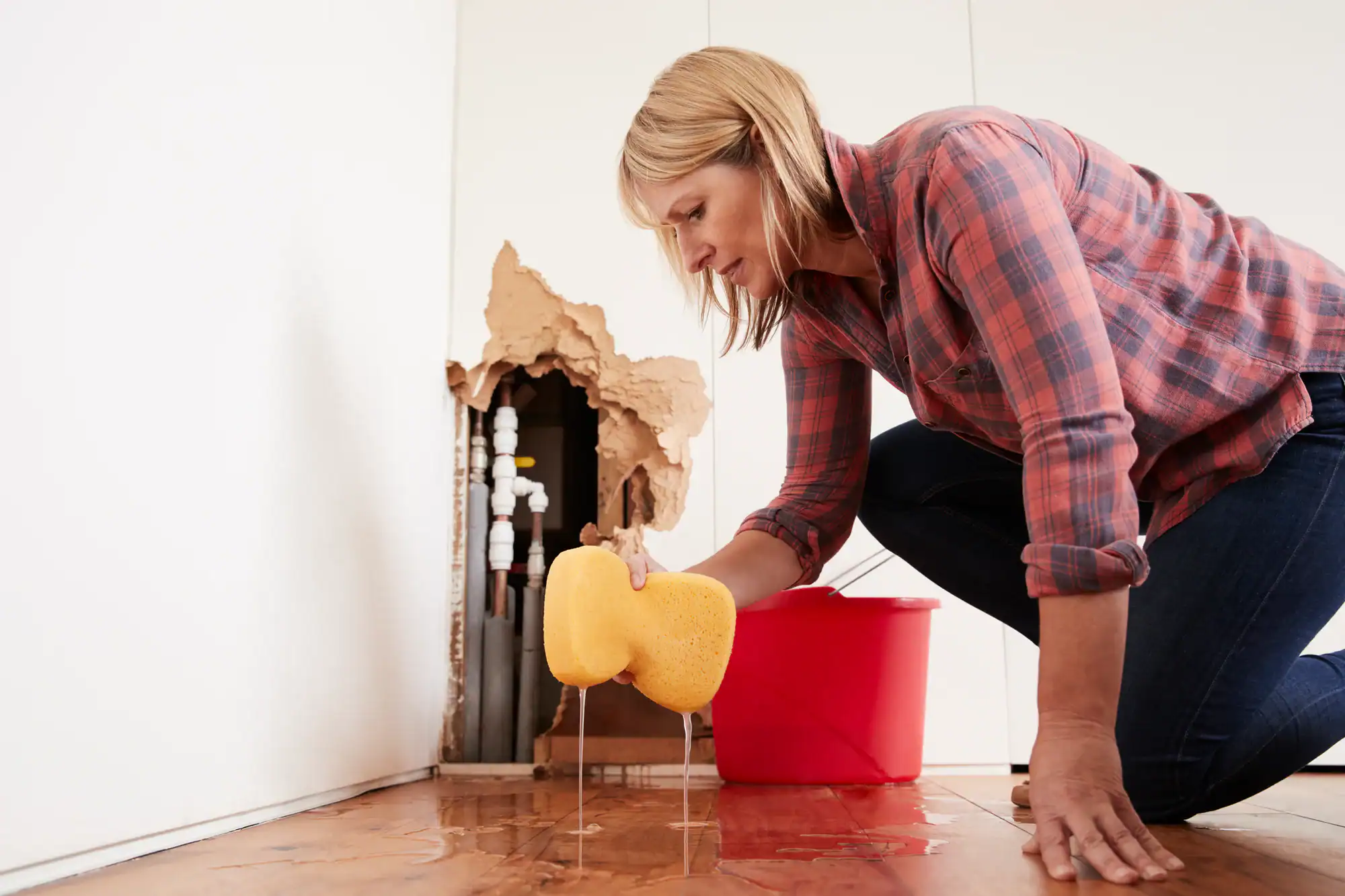
When a pipe bursts or your basement starts flooding, every hour counts. We respond fast across Franklin Square with certified water damage restoration that stops the damage before it turns into something worse.
I needed a professional consultation explanation of procedure for safe removal of Asbestos in my apartment complex. Without having an account yet, I was very impressed with the caring, knowledgeable and generous advice offered by Jessica, and will look forward to doing business in the future. Thank you so much! I feel much more informed about a sometimes scary endeavor. Peace. Nancy Silva Mineola, NY.
Mia Munoz
Used this company to clean up some water flood in my house. They were fast and easy to work with.very professional, Would recommend to anyone!
Nini Valle
Great company, had a flood and they responded quickly and efficiently. Billed my insurance company directly. I highly recommend this company!
joe colapietro, jr
I had pipe freeze in my basement right before a snow storm and they made to within an hour to help start the clean up process. They we by our side throughout the entire process and even helped with the insurance company. They did such a great job with the cleanup, repair, remidiation, I contracted them to perform the repairs and finishes in the basement. They came with enough manpower and material to get the job done. Leo and Jessica were nothing but a pleasure to deal with!!
Cristian Arredondo c
I had some water damage in my home and Green Island was able to take care of my issue quickly and effectively. I am very pleased with the work they did. They responded quickly and were very professional.
Michael M
Outstanding service! From the office to the field crew everyone was friendly, helpful and responsive. I highly recommend Green Island Group.
Your Home Dried Out, Documented, and Back to Normal
When water gets into your home, the clock starts immediately. Mold can begin growing within 24 to 48 hours of water intrusion — that’s what the EPA and industry standards actually say. Getting the right crew in fast means the difference between a contained cleanup and a months-long remediation project that costs three times as much and forces your family out of the house.
Franklin Square’s housing stock makes this especially real. Most homes here were built between 1945 and 1952, and those 70-plus-year-old structures — the Cape Cods on Hendrickson Avenue, the ranches near Rath Park — were never designed with modern waterproofing in mind. Original plumbing, early-era basement construction, and decades of settling create vulnerabilities that show up fast when water finds a way in.
The flat terrain of the Hempstead Plains doesn’t help either. When a nor’easter or a heavy summer storm rolls through, there’s nowhere for the water to go but into the storm drains — and when those are overwhelmed, it goes into Franklin Square basements. Getting that water out completely, not just visibly, is what protects your floors, your framing, and your family.
Local Water Restoration Companies near Franklin Square, NY
Long Island Based, Not Franchise Routed
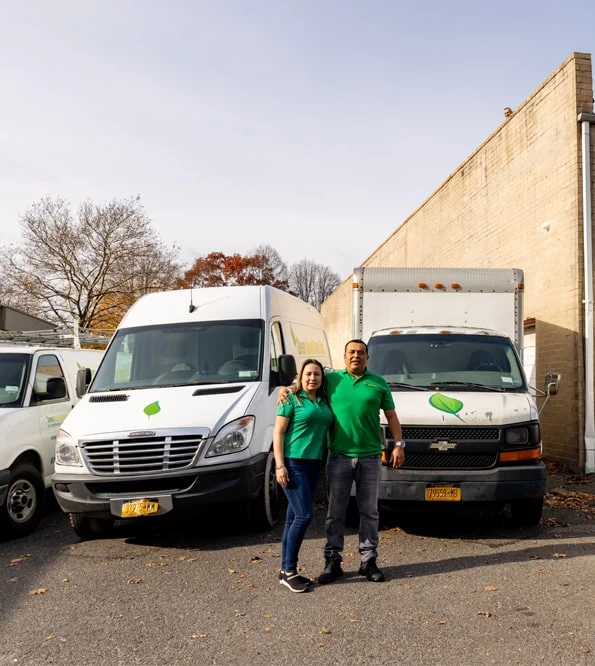
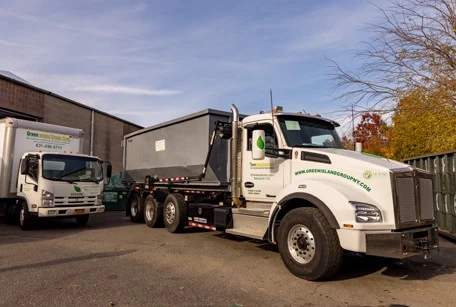
We’re a Long Island company. When you call, you’re not reaching a national call center that patches you through to whoever’s available. You’re reaching a team that already operates in Nassau County, knows western Nassau’s housing stock, and can have someone at your Franklin Square door without the delays that come with franchise dispatch systems.
We’ve handled water damage across the same kinds of homes that line your streets — finished basements, older plumbing, tight floor plans where moisture hides behind walls long after the visible water is gone. That familiarity matters when the job requires more than just pulling out wet drywall.
We’re also fully licensed under New York State’s Mold Law, which requires separate state-issued credentials for mold assessment and remediation. We hold both licenses — and we’ll show you the license number before you ever sign anything.
Water Damage Restoration Service near Franklin Square, NY
What Actually Happens From First Call to Final Clearance
The first call starts everything. You tell us what happened, we ask a few quick questions, and we get a crew moving toward Franklin Square. For emergencies, that response is around the clock — it doesn’t matter if it’s a Tuesday night during a nor’easter or a Sunday morning when an appliance line fails.
When we arrive, we don’t just look at what’s wet. We use thermal imaging cameras and calibrated moisture meters to map where the water actually went — inside wall cavities, under subfloors, behind finished basement panels. In a post-war Cape Cod or ranch home, water travels in ways that aren’t obvious to the eye, and missing those pockets is how mold problems start a few weeks later.
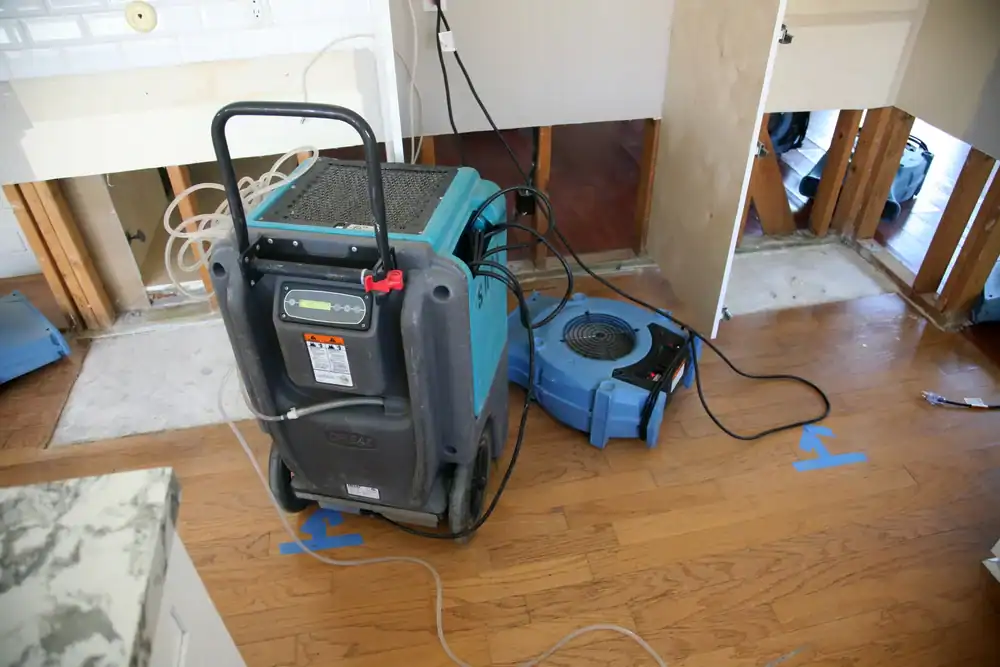
From there, we set up commercial-grade air movers and desiccant dehumidifiers and begin the drying process. We monitor readings daily and don’t call a job complete until every affected area hits safe moisture levels — not just until it looks dry. We document everything along the way: photos, moisture logs, equipment records, and a written scope of work. That documentation goes directly to your insurance carrier, and we handle that communication on your behalf so you’re not trying to navigate an adjuster conversation while your home is still in pieces. If the Town of Hempstead requires permits for structural repairs — which it often does when drywall or flooring is involved — we handle that too.
Water Restoration and Flood Damage Cleanup near Franklin Square
Every Source of Water Damage, Handled the Right Way
Water damage in Franklin Square comes from a few different directions, and the response isn’t the same for all of them. Burst pipes in winter are the most common call we get from homes with older plumbing — and in a community where pipes often run through exterior walls or uninsulated crawl spaces, one hard freeze can cause tens of thousands of dollars in damage fast. Basement flooding from storm overwhelm is the other major driver, especially for homes along the lower-lying streets near the Southern State Parkway where the drainage infrastructure gets pushed past its limit during heavy rain events.
We also handle sewage backups, which are a different category entirely. Nassau County’s aging sewer infrastructure makes this a real risk in densely developed communities like Franklin Square, and Category 3 contaminated water requires full containment, antimicrobial treatment, and proper disposal of everything it touched. It’s not a job for a shop vac and some bleach — and it’s not something an unlicensed company should be touching.
Beyond emergency response, we do complete structural drying, mold remediation, content protection, and full restoration back to pre-loss condition. Every job includes insurance documentation from start to finish. We work with all major carriers serving Nassau County, and our documentation is built specifically to support your claim — not leave gaps that give an adjuster a reason to cut the settlement.
How quickly can you respond to water damage emergencies in Franklin Square, NY?
For emergency calls in Franklin Square, we aim to have a crew on-site within an hour. We operate across Nassau County with teams already based on Long Island — not dispatched from a central hub somewhere else — so response to western Nassau County is genuinely fast.
That matters more in Franklin Square than people sometimes realize. The post-war homes throughout the hamlet — particularly those with finished basements — can accumulate serious water volume quickly when a pipe fails or the storm drains back up. Every hour that water sits in contact with your framing, drywall, and flooring increases both the structural damage and the mold risk. Getting someone there fast limits what the job ultimately costs you.
Does homeowners insurance cover basement flooding and water damage in Franklin Square?
It depends on the source of the water, and that distinction matters a lot. Most standard homeowners insurance policies cover sudden and accidental water damage — a burst pipe, a failed appliance line, an overflow from a plumbing fixture. What they typically don’t cover is gradual leakage or surface flooding from outside, which requires separate flood insurance through the NFIP.
For Franklin Square homeowners, this is worth understanding before an event happens. The flat Hempstead Plains terrain means basement flooding during heavy storms is a real and recurring risk — but if that water entered through a window well, a foundation crack, or surface runoff, your standard policy may not respond. Sewer backup coverage is also usually a separate rider. When we arrive on a job, we help document the source and the timeline in a way that supports your claim and gives your adjuster a clear picture of what happened and why it’s covered.
What's the difference between water damage restoration and just drying things out yourself?
The visible water is only part of the problem. When a basement floods or a pipe bursts inside a wall, moisture moves into places you can’t see — behind drywall panels, under subfloor layers, inside wall cavities, into the wood framing itself. A fan and a dehumidifier from the hardware store will dry the surface. They won’t reach the structural moisture that’s sitting two inches behind your finished basement wall.
In a Franklin Square home built in the late 1940s or early 1950s, that’s especially significant. The original framing and materials in these homes absorb moisture differently than newer construction, and they hold it longer. We use thermal imaging cameras to find moisture that’s invisible to the eye and commercial-grade drying equipment that’s rated for structural cavities — not just open air. We also take daily readings and don’t leave until the numbers confirm the structure is actually dry. That’s the step that prevents the mold call three weeks later.
How does mold factor into water damage restoration, and when does it become a separate issue?
Mold becomes a factor faster than most people expect. The EPA’s standard is 24 to 48 hours from the time of water intrusion — that’s when active mold growth can begin on wet organic materials like drywall, wood framing, and carpet backing. In a finished basement in Franklin Square, where those materials are often enclosed and ventilation is limited, that window can be even shorter.
If water damage is caught and dried quickly, mold remediation may not be necessary at all. If there’s been any delay — a slow leak that went undetected, a flood that sat over a weekend — we test for mold presence before and after remediation as part of the process. Under New York State’s Mold Law, mold assessment and remediation require separate state licenses from the Department of Labor. We hold both. That’s not a minor detail — unlicensed mold work in New York can create liability issues and complicate your insurance claim.
Franklin Square got hit hard during Tropical Storm Ida — what should homeowners know about storm-related water damage?
Tropical Storm Ida in September 2021 was a turning point for a lot of Nassau County homeowners who had never thought of themselves as flood-risk properties. Communities across western Nassau — flat, inland, nowhere near the coast — saw basement flooding on a scale most hadn’t experienced before, because the storm dropped rainfall faster than the drainage infrastructure could handle it.
Franklin Square’s position on the Hempstead Plains makes it particularly exposed to this pattern. When the storm drains are overwhelmed and the ground is already saturated, water finds the path of least resistance — and in a densely developed hamlet with small lots and minimal permeable surface, that path often leads into basements. If your home flooded during Ida or a similar event, the most important thing to know is that storm-related flooding from surface water is typically not covered under a standard homeowners policy. Separate flood insurance is required. We can help you document the source accurately and work through what your coverage actually applies to.
How much does water damage restoration typically cost for a Franklin Square home?
The honest answer is that it varies based on how much water entered, how long it sat, what materials were affected, and whether mold remediation is also needed. For a contained burst pipe in a finished basement that’s caught quickly, you might be looking at a few thousand dollars. For a more significant flood event affecting multiple rooms, structural materials, and flooring — which is common in the Cape Cods and ranches throughout Franklin Square — the average insurance claim in Nassau County runs between $11,000 and $13,000.
What affects your out-of-pocket cost most is your deductible, your coverage type, and whether the damage source is covered under your policy. We provide written estimates before work begins, and we build our documentation specifically to support insurance claims — not leave gaps that reduce your settlement. We don’t add scope without your authorization, and we don’t hand you a surprise invoice at the end. If you want a clear picture of what you’re looking at before committing to anything, a call or an on-site assessment is the fastest way to get there.