When the Ocean and Bay Both Win, You Need Someone Who Knows This Island
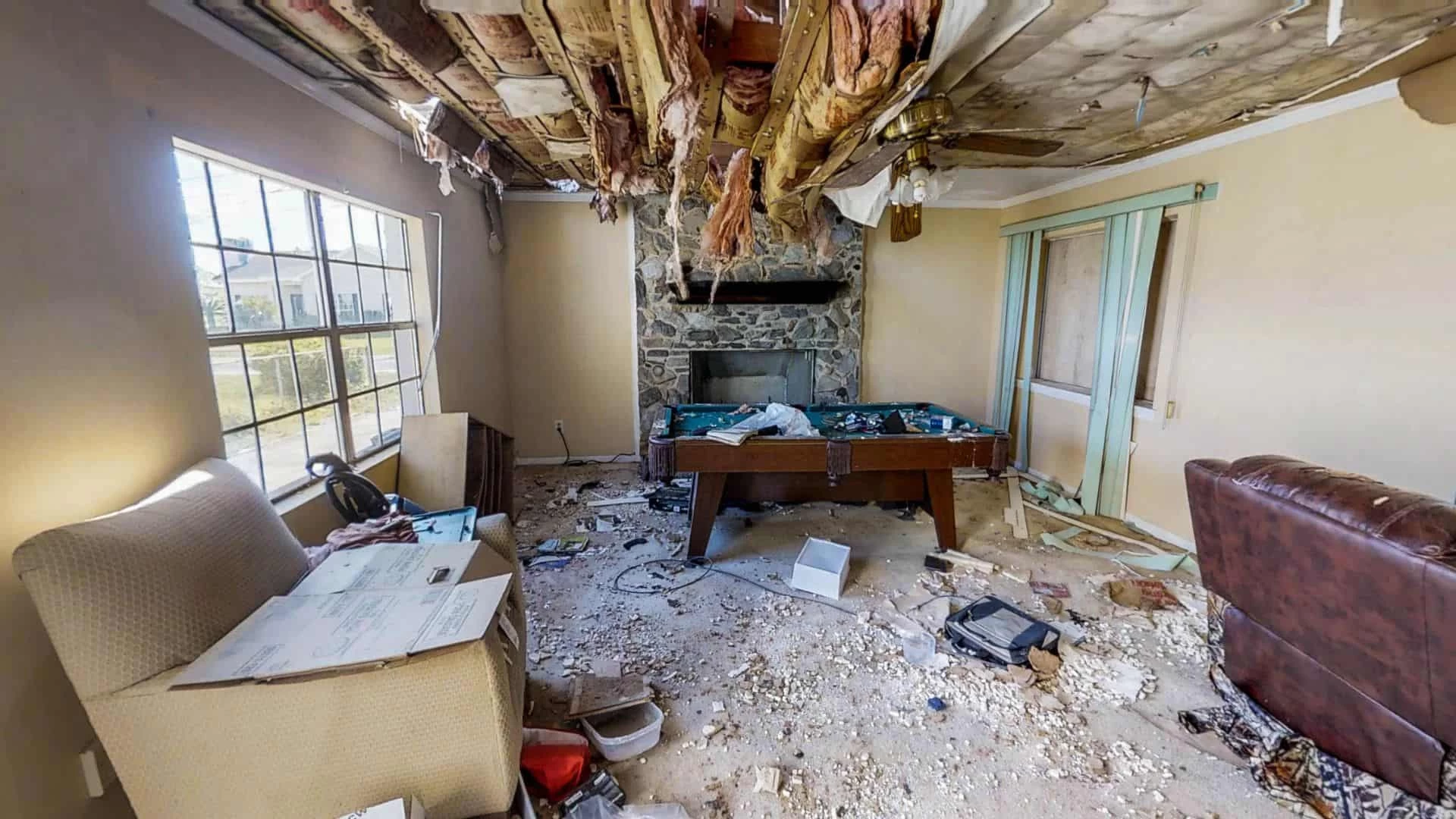
Gilgo sits between two bodies of water. When a storm hits, the damage isn’t always obvious and what’s hiding inside your walls can cost more than what you can see. We handle water damage restoration for Gilgo homeowners who can’t afford to wait.
I needed a professional consultation explanation of procedure for safe removal of Asbestos in my apartment complex. Without having an account yet, I was very impressed with the caring, knowledgeable and generous advice offered by Jessica, and will look forward to doing business in the future. Thank you so much! I feel much more informed about a sometimes scary endeavor. Peace. Nancy Silva Mineola, NY.
Mia Munoz
Used this company to clean up some water flood in my house. They were fast and easy to work with.very professional, Would recommend to anyone!
Nini Valle
Great company, had a flood and they responded quickly and efficiently. Billed my insurance company directly. I highly recommend this company!
joe colapietro, jr
I had pipe freeze in my basement right before a snow storm and they made to within an hour to help start the clean up process. They we by our side throughout the entire process and even helped with the insurance company. They did such a great job with the cleanup, repair, remidiation, I contracted them to perform the repairs and finishes in the basement. They came with enough manpower and material to get the job done. Leo and Jessica were nothing but a pleasure to deal with!!
Cristian Arredondo c
I had some water damage in my home and Green Island was able to take care of my issue quickly and effectively. I am very pleased with the work they did. They responded quickly and were very professional.
Michael M
Outstanding service! From the office to the field crew everyone was friendly, helpful and responsive. I highly recommend Green Island Group.
Saltwater Got In. Here's What Happens If It Stays.
Most water damage on the mainland comes from a pipe. In Gilgo, it comes from the ocean, the bay, or both at the same time. That distinction matters more than most people realize. Saltwater flooding is classified as Category 3 contamination under IICRC standards the most severe category because seawater carries biological material and corrosive salts that keep working on your home long after the water recedes. Salt residue left inside walls draws moisture from the coastal air, accelerates mold growth, and corrodes the metal fasteners and electrical components holding your home together.
Mold can begin colonizing within 24 to 48 hours of water exposure. In Gilgo’s environment where ambient humidity is consistently higher than inland Long Island and organic material from floodwater feeds mold faster that window can close even sooner. A dehumidifier from the hardware store won’t find what’s saturating your subfloor or hiding behind your drywall. Professional moisture meters and thermal imaging will.
The other thing worth knowing: many of the homes in West Gilgo Beach and the Gilgo Beach enclave were built before modern flood-resistant construction standards existed. Some original structures were literally moved here by barge in 1939. Older construction absorbs water differently, dries more slowly, and can hide damage in places a general contractor won’t think to check. Getting it right the first time isn’t just about comfort it’s about protecting a property that’s genuinely hard to replace.
We've Been to the Barrier Island Before This Isn't New Territory for Us
We’re a Long Island-based restoration company serving Suffolk County communities, including the barrier island communities along the South Shore. We’re not a national franchise routing your call through a distant office. When you call us, you reach a local team that already knows what Ocean Parkway looks like after a nor’easter and what that means for getting to your property in Gilgo.
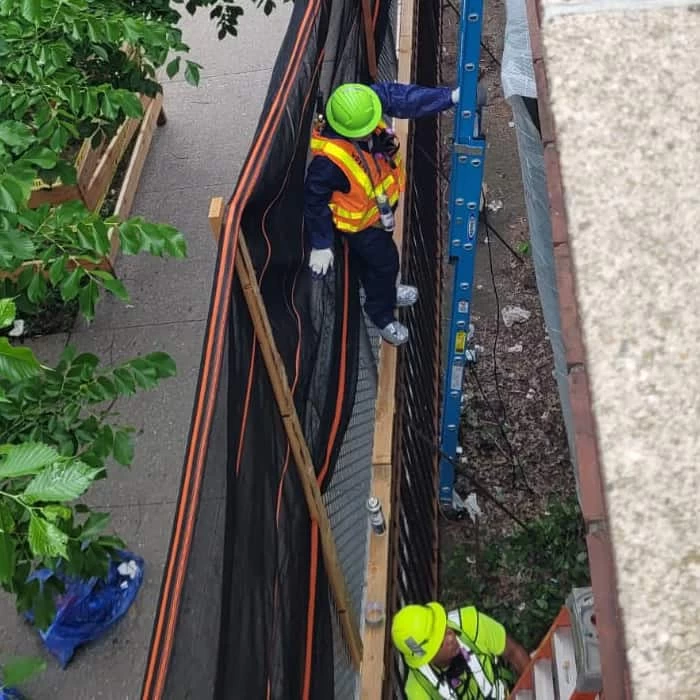
We handle water damage, mold remediation, air quality testing, asbestos abatement, and more all under one roof. For Gilgo homeowners, that matters because storm damage rarely stops at one problem. Water intrusion in a home built decades ago can disturb materials that require more than a mop and a fan to address safely.
What you won’t get from us is a surface-level drying job followed by a handoff to someone else. We stay with the project from first response through final restoration, and we communicate clearly throughout especially for second-home owners managing the process from off the island.
The first step is the call. Our line is available 24 hours a day, seven days a week because storms don’t arrive on a schedule. If Ocean Parkway is closed or restricted when you reach us, we’ll be honest with you about access timing. What we won’t do is promise a response time that ignores the reality of barrier island access. The moment the road is open, we’re on it.
When we arrive, the first priority is assessment not just what’s visible, but what’s hidden. We use commercial moisture meters and thermal imaging to map the full extent of water intrusion, including inside walls, under flooring, and in structural cavities. If the damage involves saltwater or storm surge, we treat it as the Category 3 event it is, with the appropriate safety protocols and documentation from the start.
From there, we begin extraction and structural drying using commercial-grade equipment not consumer fans. We monitor moisture levels throughout the drying process, not just at the beginning. Once drying is complete, we assess for mold and handle remediation in-house if it’s needed, so there’s no gap between the drying phase and the mold phase. We also help document everything for your insurance claim, whether you’re filing under a standard homeowner’s policy, an NFIP flood policy, or both which is common for properties in Gilgo’s FEMA-designated flood zones.
From Storm Surge to Structural Drying The Full Scope, Done Right
Water damage restoration in Gilgo isn’t a single service it’s a sequence. Emergency water extraction comes first, followed by structural drying, moisture verification, mold assessment, and full property restoration. Skipping steps or rushing the drying phase is how hidden moisture becomes a mold problem three weeks later. We don’t skip steps.
For Gilgo’s older housing stock including homes in the West Gilgo Beach community that date back to original 1939 construction we pay close attention to materials and building configurations that predate modern flood-resistant standards. That means checking areas that newer construction wouldn’t require us to check, and being upfront with you about what we find. If the scope of damage approaches the Town of Babylon’s substantial improvement threshold under FEMA regulations where restoration costs exceeding 50% of the structure’s market value can trigger full flood-zone compliance requirements we’ll flag that early so you’re not caught off guard.
We also work directly with insurance adjusters. Many Gilgo properties carry both a homeowner’s policy and a separate NFIP flood insurance policy, and the documentation requirements for each are different. We know how to capture and present damage evidence in a way that supports both claims, which can make a meaningful difference in what gets covered. The goal at the end of every job is a property that’s fully dry, mold-free, structurally sound, and documented not just one that looks fine on the surface.
Does homeowner's insurance cover storm surge water damage in Gilgo, NY?
This is one of the most important questions Gilgo homeowners face, and the answer depends on how the damage is classified. Standard homeowner’s insurance policies typically cover sudden and accidental water damage think a burst pipe or an appliance failure. Storm surge, which is what Gilgo properties face during hurricanes and major nor’easters, is generally classified as flood damage and falls under the National Flood Insurance Program, not your standard homeowner’s policy.
If your mortgage lender required you to carry NFIP flood insurance which is common for properties in Gilgo’s FEMA-designated flood zones that policy would cover storm surge damage to your structure and contents up to its coverage limits. The tricky part is that some events produce both wind-driven rain damage and storm surge simultaneously, and the two can be covered by different policies. Documenting which damage came from which source is critical, and it’s something we help with during the assessment and restoration process.
How quickly can mold develop after water damage in a coastal home?
The IICRC standard puts mold growth at 24 to 48 hours after water exposure under typical conditions. In Gilgo where ambient humidity is consistently elevated, saltwater carries organic material that feeds mold, and older beach cottage construction has more gaps and cavities where moisture can hide that window can close faster than it would in an inland home.
What makes it more complicated is that mold doesn’t always start where the water was most visible. It starts where moisture settled and didn’t dry inside wall cavities, under flooring, behind baseboards, in insulation. By the time you see it or smell it, it’s already been growing for a while. That’s why professional moisture mapping after a water event isn’t optional in a home like yours it’s the only way to know for certain that drying is complete and mold conditions have been eliminated, not just reduced.
What is Category 3 water damage and does it apply to Gilgo Beach flooding?
Category 3 is the most severe classification under IICRC water damage standards. It applies to water that carries biological contaminants, sewage, or other hazardous material and it absolutely applies to storm surge and ocean flooding in Gilgo. When water from the Atlantic or the Great South Bay enters your home, it’s not clean water. It carries marine organisms, bacteria, and corrosive salts that make the damage significantly more dangerous than a pipe break.
For Gilgo homeowners, this means that a storm surge event isn’t just a drying job it requires full Category 3 protocols, including protective equipment for technicians, thorough decontamination of affected materials, and post-remediation testing to confirm the environment is safe. Salt residue left in structural materials will continue drawing moisture from the coastal air indefinitely, which is why a proper saltwater remediation includes flushing that residue out, not just drying around it. Any restoration company that treats a Gilgo storm flooding event the same way they’d treat a suburban basement leak is cutting corners that will cost you later.
Can a water damage company actually get to Gilgo Beach right after a storm?
Honestly not always immediately, and any company telling you otherwise without acknowledging the access situation isn’t being straight with you. Ocean Parkway is the only road in and out of Gilgo, and it’s subject to closure during and after significant storm events. New York State Parks has documented placing sandbags and fortifying the road’s entrance and exit points during major storms to prevent the parkway itself from flooding. During those periods, no vehicle is getting onto the barrier island, regardless of how fast a company claims to respond.
What we can promise is this: we monitor access conditions, and the moment Ocean Parkway is open, we move. We also use the time before access is restored to coordinate equipment, review your situation, and be ready to deploy immediately. For second-home owners who may not even know the extent of the damage yet, we can help you assess the situation remotely and plan the response before we arrive. Speed matters but honest communication about what’s actually possible matters more.
What should I do if I find water damage in my Gilgo home after it's been closed for the season?
This is one of the most common scenarios for Gilgo’s second-home and seasonal residents. A pipe fails or a seal fails during the winter, the home sits closed for weeks or months, and the damage is discovered when the house is reopened in spring. By that point, mold is almost certainly present and depending on how long the moisture has been sitting, structural materials may have deteriorated significantly.
The first thing to do is not attempt to clean it up yourself. Disturbing mold without proper containment can spread spores to areas of the home that weren’t originally affected. Call a professional first, document everything with photos before anything is touched, and notify your insurance company. We can assess the full scope of the damage, handle both the water damage remediation and mold remediation in-house, and document the job thoroughly for your insurance claim. The longer a water damage situation sits unaddressed, the more it costs but discovering it late doesn’t mean the situation is unrecoverable. It just means the scope is larger, and the process needs to be handled carefully.
How does the FEMA substantial improvement rule affect restoration work in Gilgo?
This is something Gilgo homeowners especially those with older homes in the West Gilgo Beach community need to understand before restoration work begins. Under FEMA’s substantial improvement rule, if the cost of restoring a flood-damaged property exceeds 50% of the structure’s pre-damage market value, the Town of Babylon may require the entire structure to be brought into compliance with current flood zone building standards. For properties in V zones the velocity zones subject to wave action along Gilgo’s oceanfront those standards are among the most stringent in the country.
This doesn’t mean you shouldn’t restore your home. It means the scope of the project needs to be assessed and documented carefully before work begins, so you understand what compliance requirements may be triggered. A 1994 government study of barrier island communities in the Town of Babylon found that fewer than 5% of V-zone homes met the strict structural requirements in place at the time which means a significant portion of Gilgo’s older housing stock could be affected by this rule in the event of major storm damage. We flag this during our initial assessment so you can make informed decisions about the restoration path forward, and we work with documentation that supports your position with both the Town of Babylon and your insurance adjusters.