I needed a professional consultation explanation of procedure for safe removal of Asbestos in my apartment complex. Without having an account yet, I was very impressed with the caring, knowledgeable and generous advice offered by Jessica, and will look forward to doing business in the future. Thank you so much! I feel much more informed about a sometimes scary endeavor. Peace. Nancy Silva Mineola, NY.
Mia Munoz
Used this company to clean up some water flood in my house. They were fast and easy to work with.very professional, Would recommend to anyone!
Nini Valle
Great company, had a flood and they responded quickly and efficiently. Billed my insurance company directly. I highly recommend this company!
joe colapietro, jr
I had pipe freeze in my basement right before a snow storm and they made to within an hour to help start the clean up process. They we by our side throughout the entire process and even helped with the insurance company. They did such a great job with the cleanup, repair, remidiation, I contracted them to perform the repairs and finishes in the basement. They came with enough manpower and material to get the job done. Leo and Jessica were nothing but a pleasure to deal with!!
Cristian Arredondo c
I had some water damage in my home and Green Island was able to take care of my issue quickly and effectively. I am very pleased with the work they did. They responded quickly and were very professional.
Michael M
Outstanding service! From the office to the field crew everyone was friendly, helpful and responsive. I highly recommend Green Island Group.
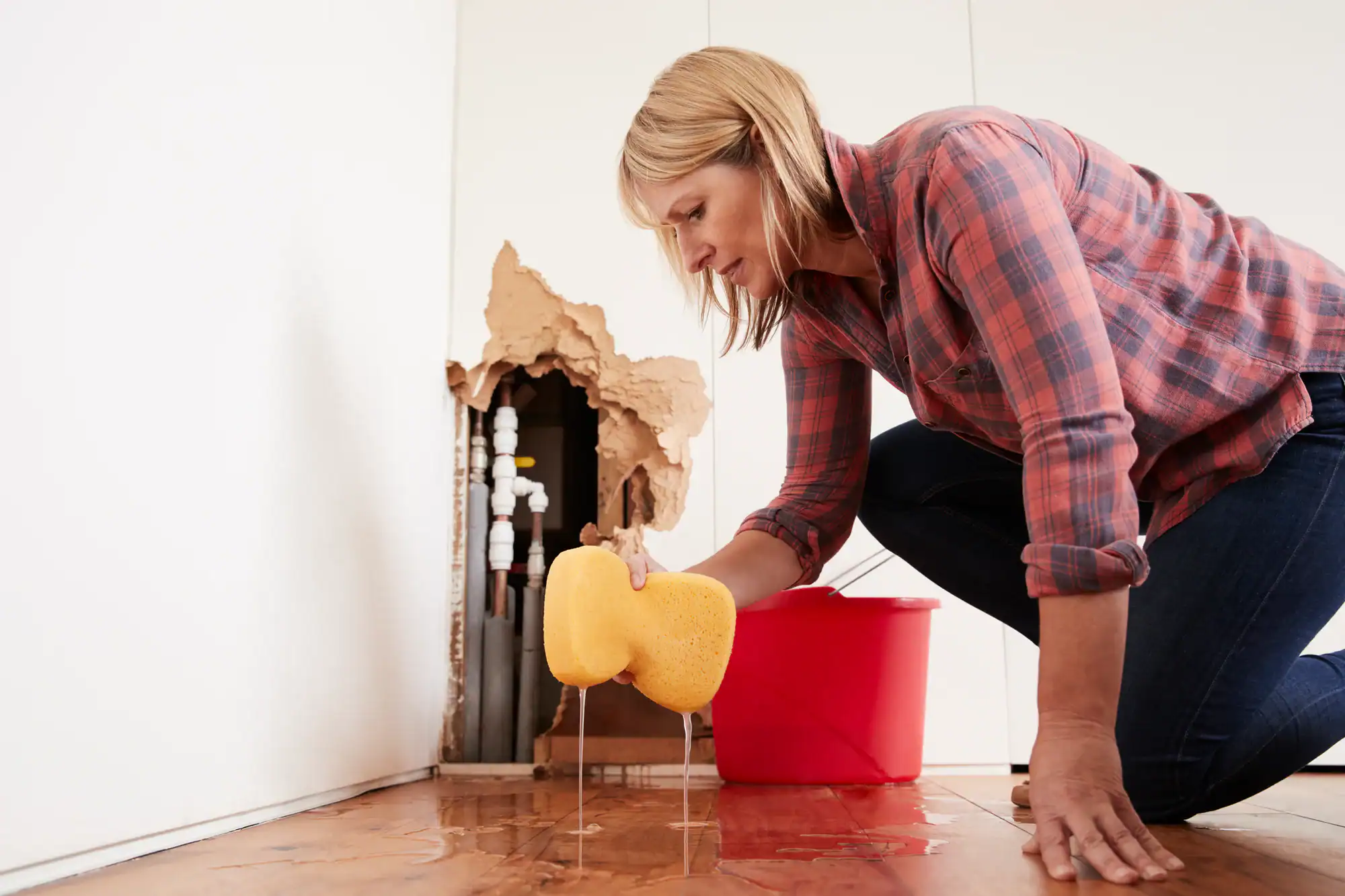
Most homeowners think water damage is over when the floor feels dry. It is not. Moisture hides inside walls, under subfloors, and behind baseboards — and in Glen Cove’s older Morgan Park colonials and Gold Coast-era homes, those cavities have been holding moisture and slowly developing mold long before anyone notices a smell or a stain. By the time it is visible, the remediation cost has already grown.
When restoration is done right, you get your home back without the follow-up nightmare. No mold showing up six months later. No insurance dispute because documentation was incomplete. No second contractor coming in to fix what the first one missed. The air quality is clean, the structure is dry to the standard your insurance carrier expects, and you have a clear record of everything that was done.
Glen Cove’s flood history is not theoretical. This city recorded Long Island’s highest rainfall during Tropical Storm Ida — 9.09 inches in roughly four hours. Homes here get hit hard, and they deserve restoration that goes beyond surface-level drying. That means thermal imaging to find hidden moisture, industrial drying equipment, and a process that does not stop until the readings confirm the job is finished.
Nassau County Locals Who Know Glen Cove's Flood History and Building Code
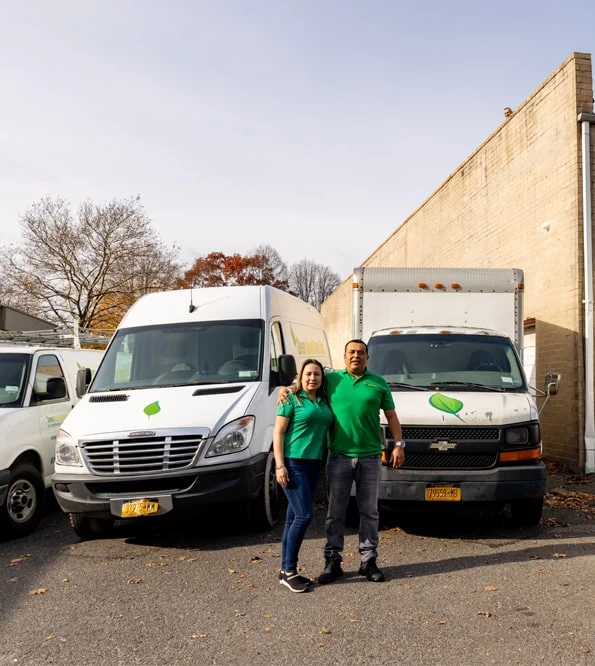
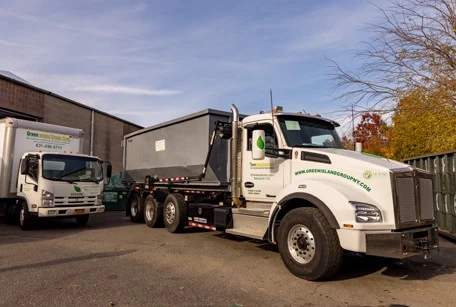
We are a Nassau County company — not a franchise, not a call center routing your emergency to whoever is available. When you call, you reach a local team that knows the North Shore, knows Hempstead Harbor, and knows what Glen Cove homes look like on the inside after a storm surge or a burst pipe in January.
That matters more than it sounds. Glen Cove has its own Building Department, its own permitting process, and its own Flood Damage Prevention code under Chapter 154 of the city code. A restoration company that has never worked here will figure that out on your time. We already know it.
Every technician is IICRC certified, and we hold the New York State licensure required under the 2016 Mold Law — separate licensing for both mold assessment and mold remediation. In a city with Glen Cove’s documented storm history, that is not a bonus credential. It is the baseline you should expect from anyone you let into your home.
When you call, someone picks up — any hour, any day. The first thing that happens is a rapid assessment of the situation so the right equipment and the right crew show up prepared. In Glen Cove, that often means accounting for older construction: cast-iron plumbing, century-old foundations, basement layouts that hold water differently than newer builds. The assessment shapes the response, not the other way around.
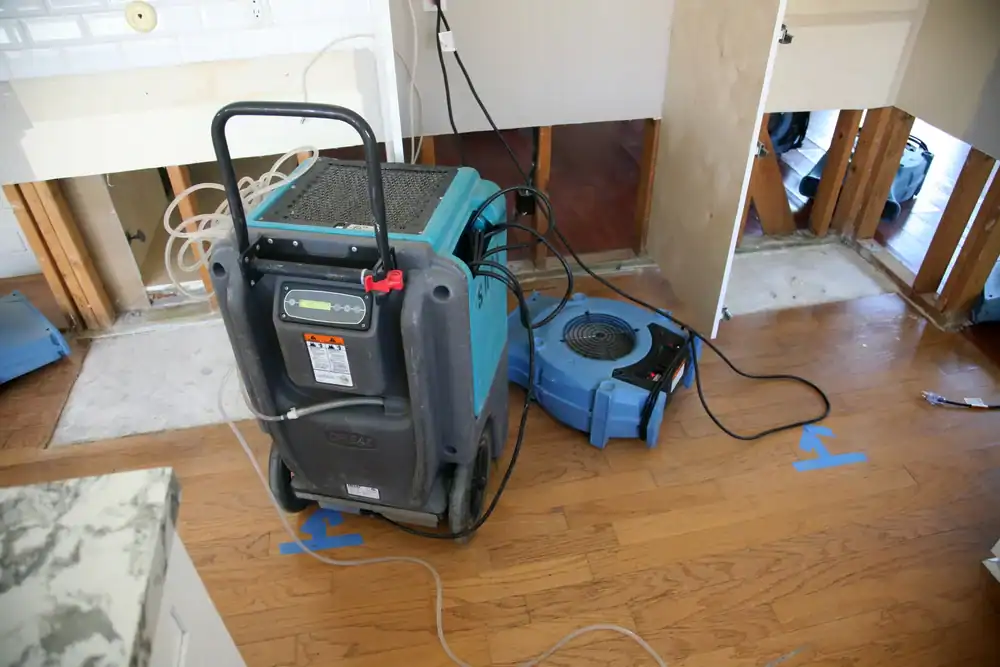
Once on site, the priority is water extraction and containment. Industrial extractors pull standing water fast, and containment prevents the damage from spreading to unaffected areas. After extraction comes the drying phase — this is where most of the real work happens. Moisture meters and thermal imaging cameras map exactly where water has traveled inside the structure, including inside walls and under flooring that looks fine from the surface. Drying equipment is placed based on that data, not guesswork, and readings are taken daily until everything hits the required moisture levels.
Throughout the process, every step is documented with photos, moisture readings, and written records. That documentation goes directly to your insurance adjuster. Glen Cove homeowners dealing with storm-related claims — especially after events like Ida or a harbor-driven surge — need that paper trail to support a complete and accurate settlement. We handle that communication so you are not translating technical reports on your own.
Every Condition Glen Cove Throws at a Home, Covered
Water damage in Glen Cove does not come from one source. It comes from storm surge off Hempstead Harbor, from the kind of rainfall that overwhelmed every drain on Woolsey Avenue during Ida, from pipes that freeze and burst in the walls of a 1940s Morgan Park home in February, and from appliance failures that happen on a Tuesday afternoon with no storm in sight. We cover all of it.
Water extraction and emergency drying handle the immediate crisis. Structural drying goes deeper — behind walls, under floors, inside cavities that hold moisture long after the surface feels dry. Mold remediation, performed under New York State licensure, addresses what develops when water sits too long or was not fully dried after a previous event. Sewage backup cleanup, which became a real issue for Glen Cove residents during Ida when infrastructure was overwhelmed, is handled with the containment and sanitization protocols that category-three water requires.
For homeowners in the newer Garvies Point condos or the luxury units along the waterfront, the process adapts to multi-unit building dynamics and the specific drainage vulnerabilities of high-rise construction. For the older Gold Coast-era properties, it accounts for the age of the materials and the possibility of hazardous substances that complicate standard remediation. No matter the property, the standard does not change — only the approach does.
How quickly can we respond to a water damage emergency in Glen Cove?
Response time is one of the most important factors in water damage — not because it sounds urgent, but because the science is clear. Mold can begin growing within 24 to 48 hours of water intrusion, and structural materials like drywall and subfloor start absorbing moisture within the first hour. The longer water sits, the more expensive and complicated the restoration becomes.
We operate 24 hours a day, seven days a week, and respond to Glen Cove emergencies as quickly as possible. Because we are Nassau County-based, you are not waiting for a crew to drive in from another region or for a national dispatch center to find a local subcontractor. When you call (631) 256-5711, you reach someone who can get moving. For a city that recorded nearly 10 inches of rain in four hours during Tropical Storm Ida, fast response is not a marketing line — it is the difference between drying out a basement and gutting one.
Will my homeowners insurance cover water damage restoration costs in Glen Cove, NY?
It depends on the cause of the damage, and the answer matters a lot given how Glen Cove floods. Standard homeowners insurance typically covers sudden and accidental water damage — a burst pipe, an appliance failure, an overflow from a fixture. It generally does not cover flooding caused by storm surge or rising water from outside the home, which is the category that Hempstead Harbor storm events fall into. That type of damage typically requires a separate flood insurance policy through FEMA’s National Flood Insurance Program, which Glen Cove participates in.
If you are unsure what your policy covers, the documentation we provide during the restoration process — moisture readings, photos, written scope of damage — is exactly what your adjuster needs to evaluate your claim accurately. Many disputes come down to incomplete documentation, not actual coverage gaps. Having a certified restoration company that communicates directly with your carrier and provides a thorough damage record can make a significant difference in what you ultimately recover. We help you navigate that process from start to finish.
What does water damage restoration actually cost for a Glen Cove home?
Cost varies based on the size of the affected area, the category of water involved, how long the water has been sitting, and whether mold remediation is needed. For a typical water damage job — a burst pipe, a localized appliance leak, a contained basement flood — costs generally range from a few thousand dollars to $10,000 or more depending on scope. Larger events involving storm surge, sewage backup, or significant structural saturation can run higher.
In Glen Cove specifically, older homes add a layer of complexity. A century-old colonial in Morgan Park may have materials that require more careful handling, and in some cases, the presence of asbestos or lead paint in pre-1980 construction affects how remediation is performed and what it costs. The only way to give you an accurate number is to assess the damage directly. We provide a clear, documented scope before work begins so you know what you are looking at — no surprises after the job is done.
How do I know if there is hidden mold after my Glen Cove basement flooded?
You often cannot tell by looking. Mold grows inside wall cavities, behind baseboards, under flooring, and inside insulation — places that look and feel normal from the outside. The most common scenario in Glen Cove is a basement that flooded during a storm, appeared to dry out over time, and then showed signs of mold weeks or months later when the smell became noticeable or a family member started having respiratory symptoms.
The reliable way to find hidden mold is through a combination of moisture readings and air quality testing. Thermal imaging cameras can identify areas of elevated moisture inside walls without opening them up, which helps target where to look. If mold is confirmed, remediation under New York State’s Mold Law requires a licensed remediator — not a general contractor, not a handyman. We hold that licensure. For Glen Cove homeowners whose homes flooded during Sandy, Irene, or Ida and received only surface-level repairs at the time, a professional moisture and mold assessment is worth doing even years after the fact.
What is the difference between water damage restoration and water damage repair?
Restoration and repair are related but not the same thing. Water damage restoration refers to the process of returning the affected area to a dry, safe, and stable condition — water extraction, structural drying, mold prevention, and documentation. It is the emergency and mitigation phase. Water damage repair refers to the reconstruction that follows: replacing drywall, repairing flooring, repainting, rebuilding what was removed or damaged during the restoration process.
We handle both — from the moment water is extracted to the point where your home looks and functions the way it did before. For Glen Cove homeowners dealing with insurance claims, having one company responsible for both phases simplifies the documentation and reduces the back-and-forth between multiple contractors. It also means there is one point of accountability if anything is not right when the job is complete.
Does Glen Cove require permits for water damage restoration or mold remediation work?
Glen Cove is one of only two incorporated cities in Nassau County, and it operates its own Building Department — separate from the county. Any restoration work that involves structural repairs, demolition, or reconstruction requires permits issued by the Glen Cove Building Department, not Nassau County’s building authority. This distinction trips up contractors who are not familiar with how Glen Cove’s permitting process works, and it can create delays or compliance issues that fall on the homeowner.
For mold remediation specifically, New York State’s 2016 Mold Law adds another layer: the work must be performed by a state-licensed mold remediator, and the assessment must be conducted by a separately licensed mold assessor. These are legal requirements, not optional credentials. Working with a company that already understands Glen Cove’s local permitting requirements and holds the required state licensure means the job gets done correctly the first time — without you having to manage the regulatory side of a process that is already stressful enough.