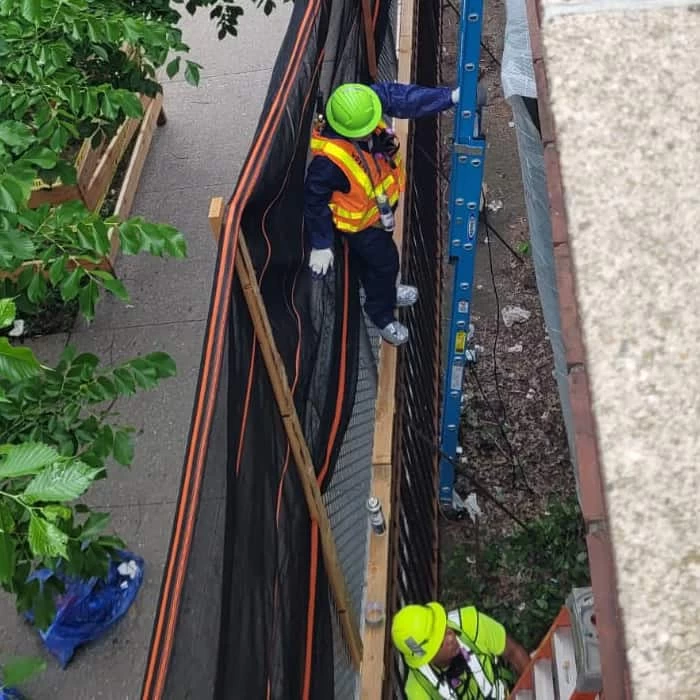
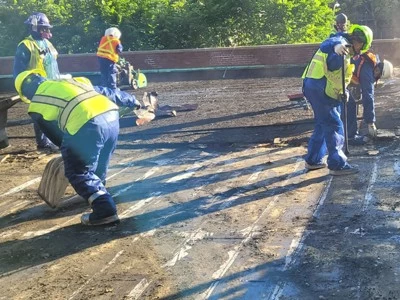
When Your Glendale Basement Floods, Every Hour Costs You More
Glendale basements don’t just get wet they back up with contaminated sewer water, and the clock starts immediately. We respond 24/7 with the equipment and the know-how to stop the damage before it compounds.
I needed a professional consultation explanation of procedure for safe removal of Asbestos in my apartment complex. Without having an account yet, I was very impressed with the caring, knowledgeable and generous advice offered by Jessica, and will look forward to doing business in the future. Thank you so much! I feel much more informed about a sometimes scary endeavor. Peace. Nancy Silva Mineola, NY.
Mia Munoz
Used this company to clean up some water flood in my house. They were fast and easy to work with.very professional, Would recommend to anyone!
Nini Valle
Great company, had a flood and they responded quickly and efficiently. Billed my insurance company directly. I highly recommend this company!
joe colapietro, jr
I had pipe freeze in my basement right before a snow storm and they made to within an hour to help start the clean up process. They we by our side throughout the entire process and even helped with the insurance company. They did such a great job with the cleanup, repair, remidiation, I contracted them to perform the repairs and finishes in the basement. They came with enough manpower and material to get the job done. Leo and Jessica were nothing but a pleasure to deal with!!
Cristian Arredondo c
I had some water damage in my home and Green Island was able to take care of my issue quickly and effectively. I am very pleased with the work they did. They responded quickly and were very professional.
Michael M
Outstanding service! From the office to the field crew everyone was friendly, helpful and responsive. I highly recommend Green Island Group.
When the water is gone and the drying is done correctly, you’re not just looking at a clean basement you’re looking at a home that won’t develop a mold problem six months from now. That’s the difference between a crew that extracts and leaves and one that follows the job through to the end.
Glendale’s flooding problem is specific. The downhill slope from Myrtle Avenue, the combined sewer system that backs up under moderate rain, the pre-war homes along 71st and 77th Avenues these aren’t generic conditions. When the city’s sewer system pushes back into your basement, that water is classified as Category 3 contamination. It contains sewage. It requires a different level of response than a burst pipe or a roof leak, and most of Glendale’s older homes with their masonry foundations and original plaster walls absorb moisture in ways that modern construction simply doesn’t.
Getting it right means thermal imaging to find the moisture you can’t see. It means drying curves calibrated to your actual materials, not a one-size-fits-all timeline. And it means documentation photos, moisture readings, written scope that your insurance adjuster can actually work with. That’s what a complete water damage restoration looks like.
We’re a Queens-based water damage restoration company serving Glendale and the surrounding western Queens communities Forest Hills, Ridgewood, Middle Village, Woodhaven, and beyond. We’re not a national franchise routing your call through a regional dispatch center three states away. When you call us, you’re talking to people who know what Glendale looks like after a storm the Cooper Avenue underpass flooded, the driveways on 77th Avenue blocked with wooden barriers, basements in homes built before World War II taking on sewage-contaminated water through floor drains.
Our crews are familiar with the housing stock here: the masonry foundations, the plaster walls, the older cast-iron plumbing that corrodes and fails. That familiarity isn’t incidental it directly affects how we approach every job and how thoroughly we get it done.
The first call triggers everything. When you reach us, we ask a few quick questions what happened, how long the water has been sitting, whether it looks like it involves sewer backup and we dispatch a crew. In Glendale, where many flooding events involve the city’s combined sewer system backing up into basements, that initial assessment matters. Category 3 contamination requires full protective protocols from the moment we arrive, not after the fact.
On-site, we start with extraction removing standing water using truck-mounted equipment, not hardware store wet-vacs. Then we use thermal imaging cameras to map the moisture that’s already migrated into your walls, subfloor, and framing. In Glendale’s pre-war homes, moisture travels through plaster and masonry differently than it does in modern drywall construction, so this step isn’t optional it’s how we find what’s going to become a mold problem if we leave it.
Drying comes next, using commercial dehumidifiers and air movers calibrated to your space. We monitor moisture readings throughout not just at the start and we don’t consider the job complete until those readings confirm your materials are back to safe levels. If structural repairs or mold remediation are needed, we handle that too. One company, start to finish. And because New York State’s Mold Law requires licensed contractors for mold remediation work, you’ll want to make sure whoever you hire is actually licensed we are.
Built for Glendale's Basements, Not a Generic Checklist
What you get with us isn’t a standardized package designed for a different market. It’s a response built around what actually happens in Glendale sewer backup flooding, aging building materials, and a housing stock where hidden moisture can linger inside plaster walls and masonry for weeks before it becomes visible.
Every job includes emergency water extraction, structural drying with commercial-grade equipment, thermal imaging to locate concealed moisture, antimicrobial treatment as a standard step (not an add-on), and full documentation for your insurance claim. We work directly with your insurance adjuster preparing the scope-of-work reports, moisture logs, and photographic evidence they need to process the claim. For Glendale homeowners who may not have flood insurance but carry sewer backup riders, we help identify what coverage applies and advocate for the maximum legitimate settlement.
If mold remediation or structural repairs are part of what your home needs after the water is out, we handle that under the same roof. Our technicians hold IICRC certifications in water damage restoration and applied structural drying, and we carry all required New York State licenses for mold remediation work something a lot of contractors operating in Queens cannot say. When the job is done, you’ll have the documentation, the moisture readings, and the peace of mind that the work was done completely.
Does homeowners insurance cover basement flooding from sewer backup in Glendale, NY?
Standard homeowners insurance policies typically do not cover sewer backup flooding it’s usually a separate rider that has to be added to your policy. This caught a lot of Glendale residents off guard after Hurricane Ida in September 2021, when widespread basement flooding hit homes that were outside the 100-year floodplain and had no flood insurance. Only 6.9% of Ida-impacted buildings citywide were in designated flood zones, which means the vast majority of affected homeowners were dealing with claims on policies that may not have covered the damage.
If you have a sewer backup rider, that’s your most likely path to coverage for the type of flooding Glendale experiences most often the kind caused by the city’s combined sewer system backing up during heavy rain. We work directly with insurance adjusters and prepare all the documentation they need: moisture logs, photos, scope-of-work reports. We’ll help you understand what your policy covers before we start and advocate for the most complete settlement the policy allows.
How quickly does mold start growing after a basement floods?
Mold can begin establishing within 24 to 48 hours of initial water exposure, particularly in warm conditions and in materials that hold moisture which describes most of Glendale’s pre-war housing stock. Older plaster walls, wood subfloors, and masonry foundations absorb and retain moisture in ways that modern drywall doesn’t, which means the window for effective intervention is shorter than many homeowners expect.
The bigger risk isn’t the visible water it’s the moisture that migrates into your wall cavities and framing and sits there after the surface looks dry. That’s exactly why thermal imaging is a non-negotiable part of how we work. If you’ve had flooding before and didn’t have a thorough drying process with documented moisture readings, there’s a real chance you already have mold growing somewhere you can’t see. The longer it goes, the more remediation it requires and in New York State, mold remediation must be performed by a licensed contractor under the state’s 2015 Mold Law.
Is sewer backup water dangerous, and can I clean it up myself?
Yes sewer backup water is classified as Category 3, or “black water,” under the IICRC S500 standard, which is the most hazardous classification in water damage restoration. It contains raw sewage, bacteria, and pathogens that pose serious health risks if you come into direct contact with them or if contaminated materials aren’t properly disposed of. This is the type of flooding that Glendale residents most commonly experience when the city’s combined sewer system backs up during heavy rain events.
Cleaning it up yourself without full protective equipment, proper containment, and antimicrobial treatment puts you and your family at real risk. Beyond the immediate health concern, DIY cleanup of Category 3 flooding rarely eliminates the contamination completely it just moves it around. Insurance adjusters also look closely at how remediation was performed, and a documented professional response with proper protocols is far more likely to support your claim than a self-performed cleanup. This is one situation where calling a certified professional from the start is genuinely the safer and more cost-effective path.
How long does water damage restoration take for a typical Glendale home?
The drying phase alone typically takes three to five days for most residential water damage jobs, though that timeline can extend depending on how much moisture has migrated into structural materials and how long the water was sitting before extraction began. In Glendale’s older homes where plaster walls and masonry foundations are common drying takes longer than it would in a newer home with standard drywall, because those materials hold moisture differently and release it more slowly.
If the flooding involved sewer-contaminated water, there’s also the antimicrobial treatment and contaminated material removal to account for before drying can begin. And if structural repairs or mold remediation are needed after the drying phase, that adds additional time. The most honest answer is that the timeline depends on what we find when we get there and the longer the water sat before we arrived, the more time the full restoration is likely to take. We’ll give you a realistic estimate on-site, not a number designed to get you to sign something.
What should I do immediately after my Glendale basement floods?
The first thing is to stay out of the water if there’s any chance it involves sewer backup which, in Glendale, is a real possibility any time flooding follows heavy rain. If the water is touching any electrical outlets, panels, or appliances, don’t enter the space until the power has been shut off. Call your utility provider if you’re unsure how to do that safely.
Once it’s safe to be in the space, document everything with photos and video before anything is moved or removed your insurance claim will depend on that documentation. Then call a water damage restoration company immediately. Every hour the water sits, it’s migrating further into your walls, your flooring, and your framing. In Glendale’s pre-war homes, that process happens faster than most people expect. Do not run household fans into the space thinking it will help without proper equipment and moisture monitoring, you can actually push contaminated air into other areas of the home. Get a professional on-site first.
Why does Glendale flood so often, and what does that mean for my home long-term?
Glendale’s flooding problem is structural it’s not just about extreme weather. The neighborhood sits in a natural downhill slope that funnels stormwater toward low-lying streets, and the city’s combined sewer system, which carries both sewage and stormwater in the same pipes, has a capacity of roughly 1.5 inches of rain per hour before it starts backing up. Summer thunderstorms in Queens routinely exceed that threshold, which is why residents along 77th Avenue and 71st Avenue between 81st and 88th Streets have been dealing with basement flooding for decades not just after major storms like Ida, but after ordinary heavy rain events.
For homeowners, what this means long-term is cumulative damage. Each flooding event that isn’t fully remediated adds to the moisture load in your foundation, your framing, and your building materials. Over time, that leads to structural deterioration, persistent mold, and reduced property value problems that show up in home inspections and make sales complicated. The most protective thing you can do after any flooding event is ensure the drying was complete, documented, and verified with moisture readings not just visually inspected and assumed to be fine.