When Water Gets Into a Gordon Heights Home, Speed Matters More Than You Think
When water gets into a home in Gordon Heights whether it’s a flooded basement off William Floyd Parkway or a burst pipe in a decades-old ranch the damage runs deeper than what you can see. We respond 24/7 with the equipment, credentials, and local knowledge to handle all of it.
I needed a professional consultation explanation of procedure for safe removal of Asbestos in my apartment complex. Without having an account yet, I was very impressed with the caring, knowledgeable and generous advice offered by Jessica, and will look forward to doing business in the future. Thank you so much! I feel much more informed about a sometimes scary endeavor. Peace. Nancy Silva Mineola, NY.
Mia Munoz
Used this company to clean up some water flood in my house. They were fast and easy to work with.very professional, Would recommend to anyone!
Nini Valle
Great company, had a flood and they responded quickly and efficiently. Billed my insurance company directly. I highly recommend this company!
joe colapietro, jr
I had pipe freeze in my basement right before a snow storm and they made to within an hour to help start the clean up process. They we by our side throughout the entire process and even helped with the insurance company. They did such a great job with the cleanup, repair, remidiation, I contracted them to perform the repairs and finishes in the basement. They came with enough manpower and material to get the job done. Leo and Jessica were nothing but a pleasure to deal with!!
Cristian Arredondo c
I had some water damage in my home and Green Island was able to take care of my issue quickly and effectively. I am very pleased with the work they did. They responded quickly and were very professional.
Michael M
Outstanding service! From the office to the field crew everyone was friendly, helpful and responsive. I highly recommend Green Island Group.
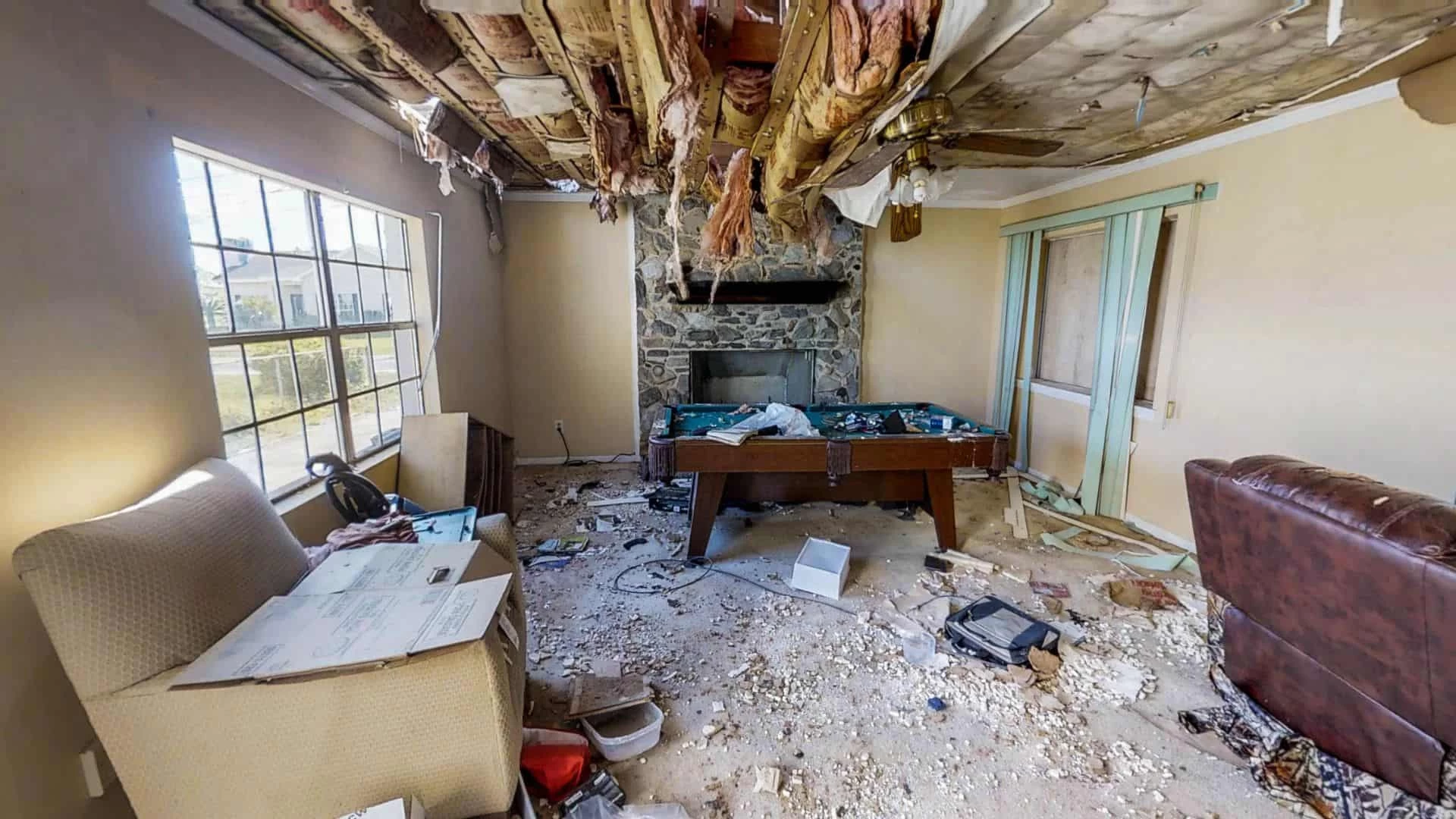
A wet floor is the part you can see. What you can’t see is the moisture sitting inside your wall cavity, under your subfloor, or soaking into the framing behind your drywall. In Gordon Heights, where a significant share of homes were built in the mid-20th century with older plumbing systems and original drainage infrastructure, that hidden saturation is exactly where the real damage lives. Getting the surface dry doesn’t mean the job is done.
Central Brookhaven sits above a shallow aquifer system, and after a heavy nor’easter or a fast spring thaw, the water table rises. That means basements in Gordon Heights can take on water without a single pipe failing just hydrostatic pressure pushing through aging foundation walls and floor slabs. A dehumidifier from the hardware store won’t catch that. Professional moisture meters and thermal imaging will.
When water damage is caught and properly dried within the first 24 hours, restoration costs stay manageable. Once mold takes hold in a wall cavity which can happen within 24 to 48 hours the scope changes entirely. What we can resolve quickly on day one can turn into a full mold remediation job by day three. Fast, thorough water damage restoration isn’t just about fixing what’s wet. It’s about stopping what comes next.
Water Restoration Companies Serving Gordon Heights
One Local Team That Handles What the Water Leaves Behind in Gordon Heights
We’re a Long Island-based environmental and property restoration company not a franchise, not a call center, not a crew dispatched from three towns away. When you call us in Gordon Heights, you reach someone local. When our team shows up, we’re accountable to you directly.
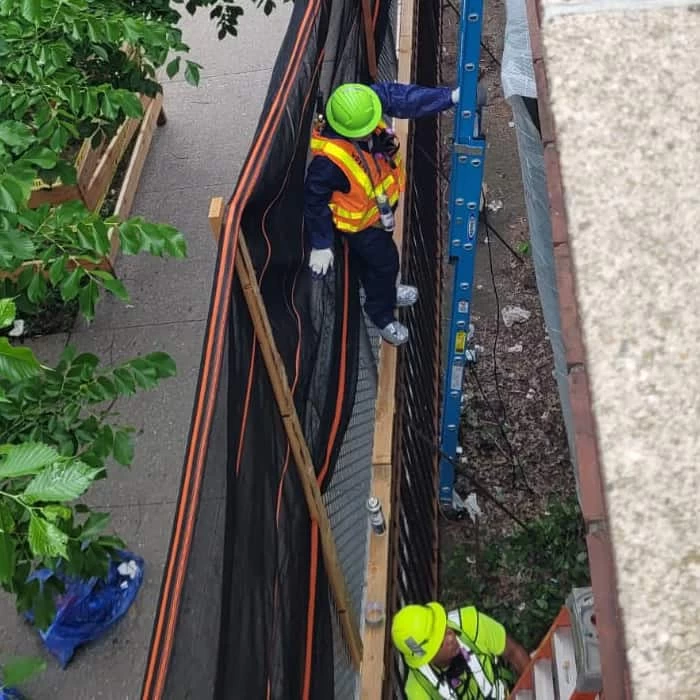
What separates us from the water-only restoration companies serving central Suffolk County is the range of what we can actually handle in one engagement. Water damage in an older Gordon Heights home especially one built before 1978 can disturb floor tiles, pipe insulation, or wall materials that contain asbestos. It can expose lead paint. It can create the exact conditions mold needs to spread. Most restoration companies hand you off at that point. We handle water damage, mold remediation, asbestos abatement, and air quality testing under one roof, with one point of contact from start to finish.
For homeowners in the Strathmore on the Green community or anywhere else in Gordon Heights, that means no coordination gap, no delay between trades, and no moment where your home sits partially torn apart waiting for someone else’s schedule.
Here's Exactly What Happens From Your First Call to Our Team
The first call gets a real person on the line not a voicemail, not a national intake queue. We dispatch to Gordon Heights around the clock, because water damage doesn’t wait for business hours. When our team arrives, the first priority is assessment: not just what’s visibly wet, but where moisture has migrated using thermal imaging cameras and professional-grade moisture meters. In Gordon Heights homes with crawlspaces, older insulation, and wooded lots that hold ground moisture longer after storms, that assessment step is what separates a complete job from one that gets called back in six weeks for mold.
Once the scope is clear, extraction and structural drying begin. Industrial air movers and dehumidifiers are positioned based on the actual moisture map of your home not a generic setup. Drying times are monitored daily, with readings documented throughout the process. That documentation matters for your insurance claim, and we handle that communication directly with your adjuster so you’re not navigating it alone.
If the assessment uncovers anything beyond water damage mold growth, disturbed asbestos-containing materials in an older home, or structural repairs that require a permit through the Town of Brookhaven that gets communicated clearly and handled through our team. No handoffs, no gaps, no surprises at the end.
Water Damage Restoration Service in Gordon Heights
What's Actually Included When You Call Us
Our water damage restoration service covers the full scope emergency water extraction, structural drying, moisture monitoring, and documentation for your insurance claim. But for Gordon Heights specifically, our service goes further than what most water restoration companies offer, because the homes here often require it.
Gordon Heights has a housing stock that spans from original 1920s construction to mid-century ranches and hi-ranches, many on wooded lots with older plumbing and drainage systems. When water damage occurs in a home like that, it’s common to find mold developing in poorly ventilated crawlspaces, asbestos-containing floor tiles disturbed during cleanup, or lead paint on surfaces that need to be repaired or replaced. We’re licensed for asbestos abatement under New York State Department of Labor requirements, EPA RRP certified for lead paint work, and fully equipped for mold remediation all in addition to water damage restoration. That means one call covers the entire event, not just the first layer of it.
For homeowners dealing with a water loss, the insurance process is often just as stressful as the damage itself. We work directly with all major carriers, manage the adjuster communication, and document the damage to the standard insurers require. You don’t have to fight that battle on your own.
How quickly can mold develop after water damage in my Gordon Heights home?
Mold can begin growing within 24 to 48 hours of water exposure and in Gordon Heights, that window can close faster than most homeowners expect. The hamlet’s wooded lots and older homes often have limited airflow in crawlspaces and basement areas, which creates the warm, damp conditions mold needs to establish itself quickly. A basement that floods during a Friday night storm can already have active mold growth by Sunday morning if it isn’t professionally dried.
This is why the speed of the initial response matters as much as the quality of the work. Professional extraction and structural drying started within the first few hours can prevent mold entirely. Waiting to see if things dry out on their own is the decision that turns a $3,000–$5,000 water damage job into a $15,000–$40,000 mold remediation. If your home has taken on water, the clock is already running.
Will my homeowner's insurance cover water damage restoration in Gordon Heights, NY?
In most cases, yes but the coverage depends on the cause of the damage. Sudden, accidental water damage like a burst pipe, a failed appliance, or storm-driven water intrusion is typically covered under a standard homeowner’s policy. Gradual damage from a slow leak that went unaddressed, or flooding from a rising water table without a separate flood policy, may not be.
New York State law gives you the right to choose your own restoration contractor your insurance company may suggest their preferred vendor, but you are not required to use them. Insurance-preferred contractors are there to protect the insurer’s costs, not to advocate for a complete restoration of your home. We work directly with all major carriers, handle the documentation and adjuster communication on your behalf, and make sure the claim reflects the full scope of what your home actually needs not the minimum the insurer wants to pay for.
My Gordon Heights home was built in the 1950s. Does that affect the restoration process?
It does, and it’s something worth knowing before work begins. Homes built before 1978 a significant portion of Gordon Heights’ housing stock, given that the community was founded in the 1920s and developed heavily through the mid-20th century commonly contain asbestos in floor tiles, pipe insulation, and ceiling materials, as well as lead paint on walls and trim. When water damage requires demolition or removal of those materials, federal and state regulations apply.
Under New York State Department of Labor rules, asbestos abatement requires licensed contractors and specific notification procedures. EPA RRP rules govern lead paint work in pre-1978 homes. A restoration company that isn’t licensed for both can legally remove your wet drywall and leave you with an unaddressed asbestos or lead situation or, worse, disturb those materials without proper containment. We hold the licensing and certifications to handle all of it in one engagement, which is the only way to do a complete and compliant restoration in an older Gordon Heights home.
What causes basement flooding in Gordon Heights even when there's no burst pipe?
Gordon Heights sits in central Brookhaven Town, above one of Long Island’s primary aquifer zones. After heavy rainfall or a rapid snowmelt both of which happen regularly during Long Island’s spring nor’easter season the water table rises close to the surface. When that happens, hydrostatic pressure builds against foundation walls and floor slabs, and water can push through even intact concrete without any plumbing failure at all.
Older homes in Gordon Heights compound this risk. Original drain tile systems around foundations have often degraded over decades and no longer redirect water effectively. Sump pumps in mid-century homes may be undersized or absent entirely. Wooded lots one of the defining features of Gordon Heights’ residential character hold ground moisture longer after storms, keeping soil saturated and pressure elevated well after the rain stops. If your basement is taking on water without an obvious source, this is the most likely explanation, and it requires professional moisture assessment to understand the full scope.
How long does water damage restoration typically take to complete?
The drying phase alone typically takes three to five days for most residential water damage situations, though that range shifts depending on how much water was involved, how long it sat before extraction began, and what materials got saturated. Structural materials like framing, subfloor, and wall cavities take longer to dry than surface finishes, and older homes in Gordon Heights with original insulation, plaster walls, and crawlspace construction often require extended drying times compared to newer builds with modern materials.
After the structure is confirmed dry using moisture meters, the repair phase begins replacing drywall, flooring, insulation, or any other materials that couldn’t be salvaged. If mold remediation, asbestos abatement, or structural repairs requiring a Town of Brookhaven building permit are part of the scope, those add time as well. A realistic total timeline from emergency response through completed repairs runs anywhere from one week to three or four weeks depending on the complexity of the job. We’ll give you a clear picture of the timeline after the initial assessment not a number pulled from thin air.
How do I know if a water damage restoration company in Gordon Heights is actually qualified?
The most important credential to look for is IICRC certification the Institute of Inspection, Cleaning and Restoration Certification. IICRC-certified technicians are trained to the S500 Standard for Professional Water Damage Restoration, which governs how drying is assessed, how equipment is placed, and how documentation is handled for insurance purposes. It’s the industry standard that separates professional restoration from a crew with shop vacs and fans.
Beyond that, any company doing structural repairs in Gordon Heights needs to be properly licensed under New York State contractor requirements and carry current liability insurance. If the scope involves asbestos or lead which is a real possibility in Gordon Heights’ older housing stock the company needs NYS DOL licensing for asbestos abatement and EPA RRP certification for lead work. Ask directly. A qualified company will answer those questions without hesitation and provide documentation. If a contractor can’t tell you their certifications clearly, that’s the answer you need.