Great River sits between the Connetquot River and the Great South Bay and when either one pushes water where it doesn’t belong, you need a water damage restoration team that already knows this area. We’ve responded to water emergencies throughout Great River and the surrounding South Shore communities long enough to understand what waterfront living actually demands from a restoration company.
I needed a professional consultation explanation of procedure for safe removal of Asbestos in my apartment complex. Without having an account yet, I was very impressed with the caring, knowledgeable and generous advice offered by Jessica, and will look forward to doing business in the future. Thank you so much! I feel much more informed about a sometimes scary endeavor. Peace. Nancy Silva Mineola, NY.
Mia Munoz
Used this company to clean up some water flood in my house. They were fast and easy to work with.very professional, Would recommend to anyone!
Nini Valle
Great company, had a flood and they responded quickly and efficiently. Billed my insurance company directly. I highly recommend this company!
joe colapietro, jr
I had pipe freeze in my basement right before a snow storm and they made to within an hour to help start the clean up process. They we by our side throughout the entire process and even helped with the insurance company. They did such a great job with the cleanup, repair, remidiation, I contracted them to perform the repairs and finishes in the basement. They came with enough manpower and material to get the job done. Leo and Jessica were nothing but a pleasure to deal with!!
Cristian Arredondo c
I had some water damage in my home and Green Island was able to take care of my issue quickly and effectively. I am very pleased with the work they did. They responded quickly and were very professional.
Michael M
Outstanding service! From the office to the field crew everyone was friendly, helpful and responsive. I highly recommend Green Island Group.
Your Home Dried, Restored, and Protected From What Comes Next
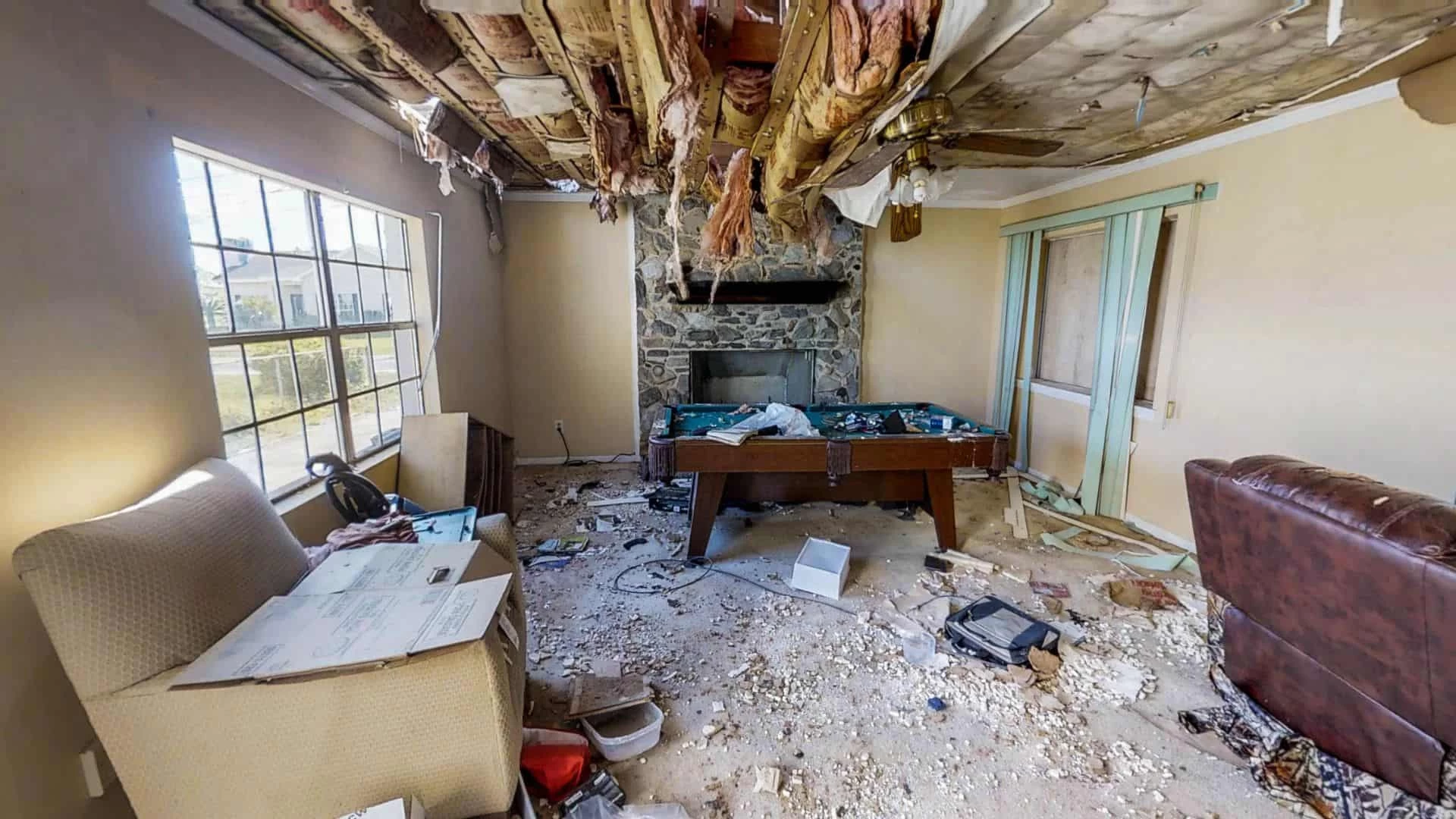
Water damage doesn’t stop at the surface. It moves into walls, under hardwood floors, behind baseboards, and into the structural framing of your home often without any visible sign until the smell hits or the mold appears. By the time it’s obvious, the damage is already deeper and more expensive than it needed to be.
For Great River homeowners, that risk is compounded by geography. Living near the Connetquot River and the Great South Bay means your property faces flooding mechanisms that most inland communities never deal with tidal surges from the bay during nor’easters, river overflow after heavy rain, and a persistently high water table that makes basement seepage a near-seasonal event. The humidity that comes with waterfront living doesn’t help either. Moisture lingers here longer than it does in drier, inland neighborhoods.
What you get when restoration is done right is more than a dry house. You get documentation that supports your insurance claim, thermal imaging that finds the moisture your eyes can’t see, structural drying that actually reaches the cavities inside your walls, and a clear path back to pre-loss condition not just a surface fix that leaves a problem behind the drywall.
We’re a Long Island-based restoration company serving the South Shore of Suffolk County including Great River, East Islip, Oakdale, Bay Shore, and the surrounding Town of Islip communities. This isn’t a national franchise dispatching from a call center. We’re a local team that understands what waterfront living in Great River actually looks like, including the specific risks that come with it.
Great River’s housing stock tells a story. Many homes here were built in the mid-twentieth century, some even earlier, and they carry the complications that come with age older plumbing, outdated drainage, and building materials that may include asbestos or lead paint. When water damage opens up walls in a home like that, you need a company that can handle what’s inside, not one that has to stop work and call a subcontractor.
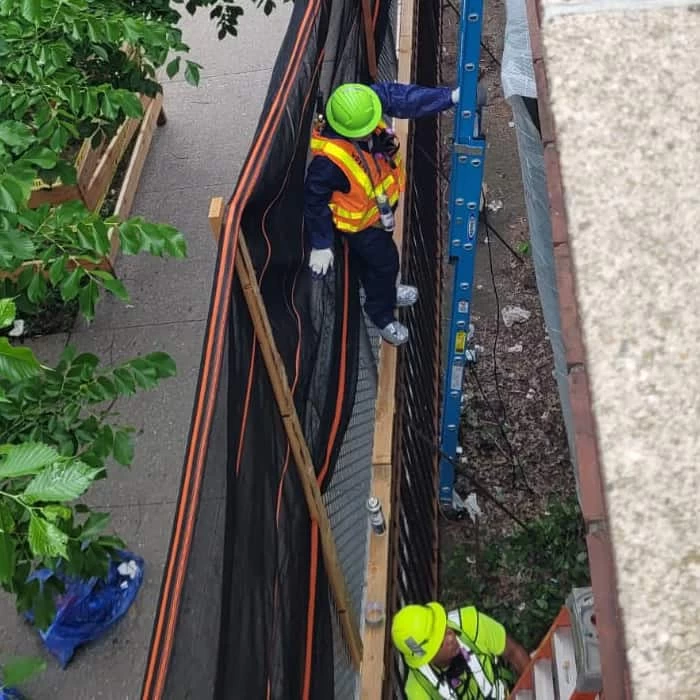
We hold IICRC certification, all required New York State licenses, and NYSDOL asbestos abatement licensing so the job doesn’t stall when something unexpected turns up. One call, one team, one continuous process from water extraction through full restoration.
From First Call to Fully Restored Here's the Process
It starts with a call any time of day or night. Water damage doesn’t follow a schedule, and neither do we. When you reach out, a local team is dispatched with professional extraction equipment, not a crew reading your address on a map for the first time.
Once on-site, our first priority is stopping the source if it’s still active and then assessing the full scope of damage. That means thermal imaging cameras and calibrated moisture meters not just a visual walkthrough. In Great River’s older homes, moisture migrates into places that look dry from the outside: inside plaster walls, beneath original hardwood flooring, within insulated ceiling cavities. Finding it all on day one is what separates a complete restoration from a job that comes back as a mold problem six months later.
From there, we place industrial drying equipment strategically throughout the affected areas, and monitor moisture readings until the structure reaches its target drying goals. Any structural repairs drywall, subfloor, framing are handled with the Town of Islip permitting process in mind, so you’re not left managing paperwork on top of everything else. The final step is full restoration: your home returned to the condition it was in before the water event, documented start to finish for your insurance claim.
Water damage restoration covers a lot of ground, and not every company covers all of it. We handle the full continuum from emergency water extraction and structural drying through mold remediation, asbestos abatement, air quality testing, and complete structural repair. For Great River homeowners, that integrated capability matters more than it might in a newer community.
Homes along the Connetquot River corridor and near the Great South Bay tend to be older, larger, and more complex than the average suburban build. When water gets into a home with original plaster walls, cast iron plumbing, and insulation that predates modern standards, the restoration process requires more than a dehumidifier and a moisture reading. It requires a team that knows how to work in those conditions safely and holds the New York State certifications to do it legally. If asbestos-containing materials or lead paint are disturbed during the remediation process, we handle that in-house without stopping the job.
Every project also includes direct communication with your insurance carrier. We document all damage thoroughly photos, moisture logs, scope of work and work directly with your adjuster to make sure the claim reflects the full extent of the loss. In a community where the average home value exceeds a million dollars, that advocacy is part of what makes restoration worth doing right.
How quickly can mold develop after water damage in Great River homes?
Mold can begin colonizing within 24 to 48 hours of initial water exposure that’s the IICRC S500 standard, and it applies regardless of how clean or well-maintained your home is. In Great River specifically, that window is tighter in practice than it sounds on paper. The ambient humidity near the Connetquot River and the Great South Bay stays elevated year-round, and homes with older construction plaster walls, original insulation, wood subfloors hold moisture longer than newer builds with modern materials.
What this means practically is that the clock starts the moment water enters your home, not when you call for help. If a sump pump fails during a storm at midnight and you wait until morning to address it, you’re already a third of the way through that window. Emergency response isn’t just about convenience it’s about preventing a water damage job from becoming a mold remediation job on top of it. The two together cost significantly more and take significantly longer to resolve.
Does homeowners insurance cover water damage restoration in Great River, NY?
It depends on the source of the water, and the distinction matters more than most homeowners realize. Standard homeowners insurance typically covers sudden and accidental water damage a burst pipe, an appliance failure, an overflow from a fixture. It generally does not cover flooding from an external water source, which is where it gets complicated for Great River residents. Damage caused by the Connetquot River overflowing or the Great South Bay surging inland during a storm typically falls under flood insurance, which is a separate policy administered through the National Flood Insurance Program.
If your property is in a FEMA-designated Special Flood Hazard Area which applies to portions of the Connetquot River corridor and the bayfront edges of Great River flood insurance may be required by your mortgage lender and is worth having regardless. The key is knowing what you have before you need it. We work directly with both homeowners insurance carriers and flood insurance adjusters, and document all damage in a way that supports the strongest possible claim under whichever policy applies.
What's the difference between water damage mitigation and full restoration?
Mitigation is the emergency phase stopping the damage from getting worse. That includes water extraction, drying equipment placement, and removing materials that can’t be saved. It’s the immediate response that limits the total scope of the loss. Restoration is everything that comes after: repairing or replacing what was damaged, returning the structure to its pre-loss condition, and making sure there’s no hidden moisture left behind that could cause secondary problems.
Some companies stop at mitigation and hand you off to a general contractor for the repair work. That gap creates real problems coordination delays, inconsistent documentation for the insurance claim, and the risk that the contractor doing the repairs doesn’t know what the restoration crew found during drying. We handle both phases as a single continuous engagement, which means the person who documented the damage is connected to the person completing the repair. For a large, complex home in Great River, that continuity isn’t a minor detail it’s what makes the final result reliable.
Can water damage restoration disturb asbestos or lead paint in older Great River homes?
Yes, and it’s one of the most important questions to ask before hiring any restoration company in this area. Great River’s housing stock includes a significant number of homes built before 1978, and some properties particularly those with ties to the hamlet’s estate-era history are considerably older than that. Asbestos was commonly used in pipe insulation, floor tiles, ceiling tiles, and drywall joint compound through the mid-1970s. Lead paint was standard in interior finishes before 1978. When water damage requires opening walls, removing flooring, or cutting into ceilings, those materials can be disturbed.
Under New York State law, asbestos abatement requires specific NYSDOL licensing not every water damage contractor holds it. The EPA’s Renovation, Repair and Painting Rule also requires certified lead-safe work practices on pre-1978 homes. A company that discovers asbestos mid-job without the proper license has to stop work entirely, which creates delays and additional cost for the homeowner. We hold all required certifications for both asbestos abatement and lead-safe renovation, so the restoration process continues without interruption even when older materials are present.
How long does water damage restoration typically take for a home in Great River?
The structural drying phase getting the affected materials down to acceptable moisture levels typically takes three to five days for a standard water loss. Larger losses, or situations where water has migrated into multiple areas of a home, can extend that timeline. In Great River’s older homes, drying often takes longer than it would in newer construction because original plaster walls, dense hardwood flooring, and older insulation materials retain moisture more stubbornly than modern drywall and engineered wood products.
After drying is complete, the repair and restoration phase depends on the scope of what was damaged. Replacing drywall and repainting a single room might take a few days. Restoring a finished basement, original hardwood floors, or custom millwork in an older home takes longer and requires more care. If permits are required through the Town of Islip Building Department for structural repairs, that adds time to the overall schedule though we manage that process on your behalf so it doesn’t create unnecessary delays. A realistic total timeline for most residential losses in this area runs one to three weeks from first call to completed restoration.
Do I have to use the contractor my insurance company recommends for water damage in Great River?
No. In New York State, you have the right to choose your own restoration contractor. Your insurance company may recommend a preferred vendor sometimes called a “program contractor” but you are not obligated to use them. The insurance carrier’s preferred contractor works within a rate structure negotiated with the insurer, which can sometimes result in a scope of work that reflects the insurer’s cost preferences rather than the full extent of your loss.
For a Great River homeowner with a high-value property, that distinction matters. A home worth over a million dollars deserves a restoration scope that accounts for the quality of the original finishes, the complexity of the building, and the full extent of the damage not a minimum acceptable standard. We work as your advocate throughout the claims process, documenting everything thoroughly, communicating directly with your adjuster, and making sure the approved scope reflects what your home actually needs. You’re not required to accept the first offer, and having a restoration company that understands that process is worth more than the convenience of whoever your carrier suggests first.