When the Peninsula Works Against Your Home, Act Fast
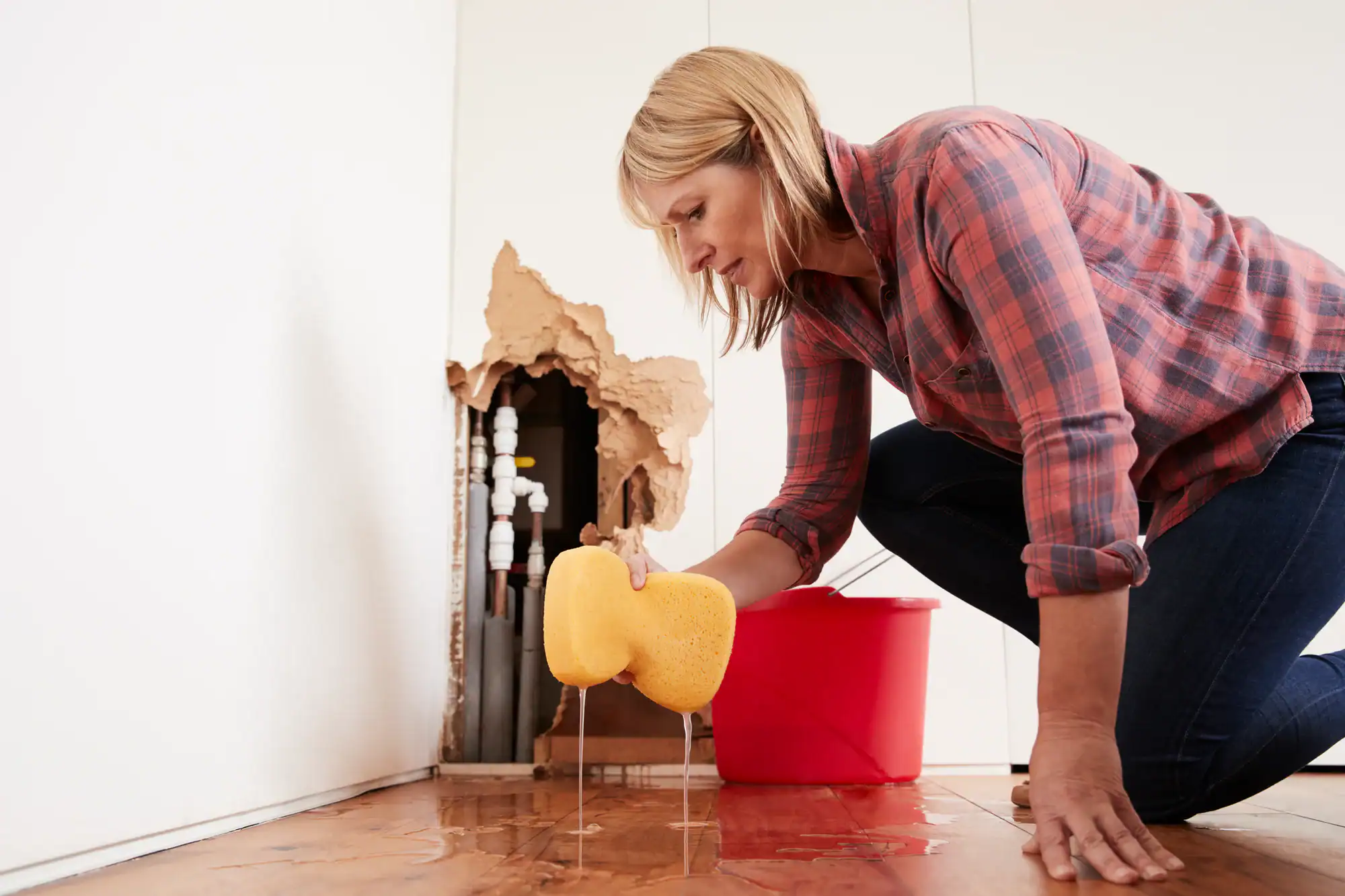
Harbor Hills sits between two bays. That’s beautiful — until a storm rolls through or a pipe lets go at midnight. We provide water damage restoration for Harbor Hills homeowners who need a real local crew, not a call center, on-site fast.
I needed a professional consultation explanation of procedure for safe removal of Asbestos in my apartment complex. Without having an account yet, I was very impressed with the caring, knowledgeable and generous advice offered by Jessica, and will look forward to doing business in the future. Thank you so much! I feel much more informed about a sometimes scary endeavor. Peace. Nancy Silva Mineola, NY.
Mia Munoz
Used this company to clean up some water flood in my house. They were fast and easy to work with.very professional, Would recommend to anyone!
Nini Valle
Great company, had a flood and they responded quickly and efficiently. Billed my insurance company directly. I highly recommend this company!
joe colapietro, jr
I had pipe freeze in my basement right before a snow storm and they made to within an hour to help start the clean up process. They we by our side throughout the entire process and even helped with the insurance company. They did such a great job with the cleanup, repair, remidiation, I contracted them to perform the repairs and finishes in the basement. They came with enough manpower and material to get the job done. Leo and Jessica were nothing but a pleasure to deal with!!
Cristian Arredondo c
I had some water damage in my home and Green Island was able to take care of my issue quickly and effectively. I am very pleased with the work they did. They responded quickly and were very professional.
Michael M
Outstanding service! From the office to the field crew everyone was friendly, helpful and responsive. I highly recommend Green Island Group.
Water doesn’t wait, and neither does the damage it leaves behind. The moment moisture gets into a wall cavity, under a subfloor, or behind the drywall in a mid-century colonial — the kind that makes up most of the housing stock on the Great Neck Peninsula — it starts doing work you can’t see. By the time you notice something’s off, the problem is already bigger than it looks.
Mold can begin growing within 24 to 48 hours of water intrusion. On a waterfront peninsula like Harbor Hills, where ambient humidity runs consistently higher than inland Nassau County, that window can feel even shorter. Every hour of standing water in your basement or moisture trapped in your walls is an hour closer to a remediation job that costs significantly more than the restoration would have.
What professional water damage restoration actually does is stop that clock. It’s not just extraction — it’s moisture mapping, structural drying, and documentation that confirms your home is genuinely dry, not just dry on the surface. For a home you’ve invested in, in a neighborhood like this one, that difference matters.
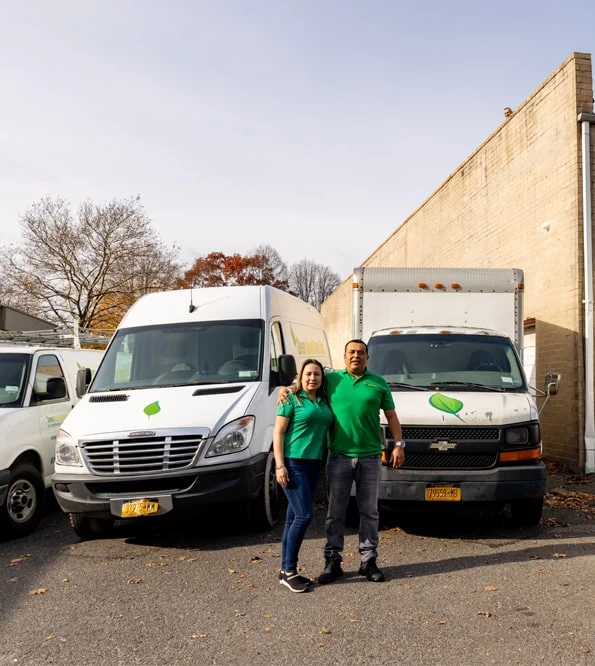
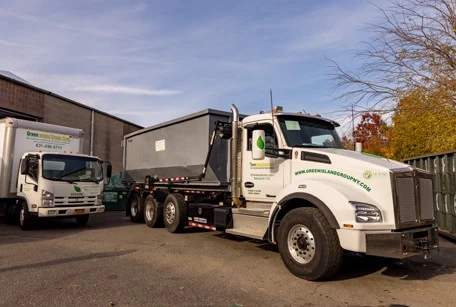
We’re based on Long Island and serve Nassau County directly. There’s no franchise layer, no national call center routing your emergency to whoever’s available. When you call, you’re reaching the people who will actually show up at your door — and we know this area.
That matters more than it might sound. Harbor Hills and the broader Great Neck Peninsula have a specific set of conditions — tidal water on both sides, older housing stock, seasonal nor’easters — that a crew dispatched from a generic franchise template doesn’t automatically understand. We do. We’ve worked on homes throughout Nassau County’s North Shore, and we know how water moves through the kind of mid-century construction that defines neighborhoods like Harbor Hills.
The Town of North Hempstead has its own building permit requirements for restoration work. Nassau County has its own mold licensing requirements beyond what New York State mandates. We operate in full compliance with both — because cutting corners on credentials isn’t something a homeowner in this community should have to worry about.
The first thing that happens when you call is a rapid response. Water damage doesn’t improve with time, and we don’t make you wait until business hours. Once on-site, we do a full assessment — not just the visible damage, but a thermal imaging scan and moisture meter readings throughout the affected areas, including inside walls, under flooring, and in structural framing. This is how we find what the eye misses.
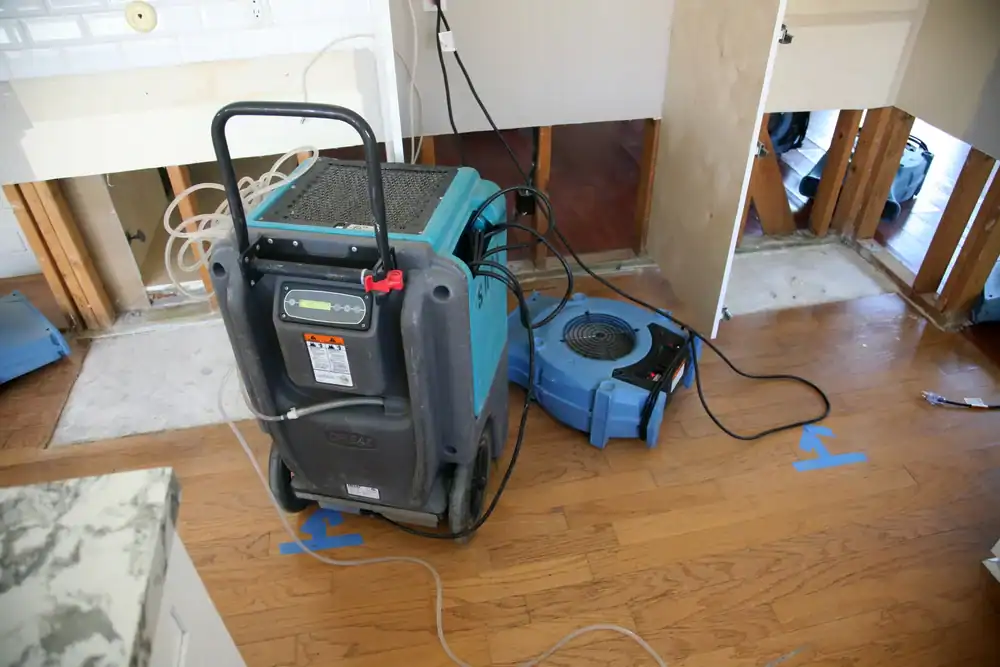
From there, we extract standing water, set up professional-grade drying equipment, and begin the structural drying process. This isn’t a matter of pointing fans at the floor and calling it done. Drying is monitored with calibrated readings over time, and we don’t declare the job complete until the moisture levels in every affected material meet IICRC standards — not just what looks dry, but what actually is.
If mold is present or at risk of developing, that process is handled separately and in full compliance with New York State’s mold licensing law and Nassau County’s EHRP requirements. We coordinate the assessment and remediation with licensed parties as required — so you’re protected legally and practically. Throughout everything, we document the work in a format your insurance company will recognize, which matters when it comes time to file your claim.
Water damage restoration for a home on the Great Neck Peninsula isn’t the same job it is for an inland suburb. The combination of tidal proximity, older construction, and North Shore storm exposure creates conditions where a surface-level response isn’t enough. What you get from us is a process built around what’s actually happening in your home — not a checklist designed for somewhere else.
That includes emergency water extraction, structural drying with commercial equipment, thermal imaging and moisture mapping, and full documentation for your insurance claim. If your home has a finished basement — common in the mid-century colonials and Tudors throughout Harbor Hills and the broader Great Neck area — we work through those spaces carefully, because finished below-grade areas trap moisture in ways that require specific attention to wall assemblies and flooring systems.
For situations involving mold or mold risk, we operate in compliance with New York State Labor Law Article 32 and hold the Nassau County EHRP license required for mold remediation work in this county. That’s a county-specific credential that many restoration companies advertising in Nassau County don’t carry — and it’s not optional if you want the work done legally. We also work directly with major insurance carriers to handle documentation and adjuster communication, so you’re not navigating that process alone while dealing with everything else.
How quickly does mold actually start growing after water damage in my home?
Mold can begin developing within 24 to 48 hours of water intrusion — that’s the threshold documented by the EPA and the IICRC. It’s not a scare tactic; it’s just how organic materials behave when moisture is present and conditions are right.
For homes in Harbor Hills specifically, that window is worth taking seriously. The Great Neck Peninsula sits between Manhasset Bay and Little Neck Bay, which means ambient humidity in this area runs consistently higher than you’d find in inland Nassau County communities. Higher baseline humidity means materials stay wet longer and dry more slowly — both of which accelerate the conditions mold needs to establish itself. If your basement flooded during a nor’easter or a pipe let go overnight, the goal isn’t to assess the damage in the morning. It’s to get extraction and drying equipment running as fast as possible. Every hour of delay is an hour of moisture doing work inside your walls, under your floors, and in the structural framing of your home.
Does homeowners insurance typically cover water damage restoration in Nassau County?
It depends on the source of the water, and that distinction matters more than most people realize when they’re in the middle of a crisis. Most standard homeowners insurance policies cover sudden and accidental water damage — a burst pipe, a washing machine overflow, an ice dam that forces water through your roof — but they typically exclude flood damage caused by rising groundwater or storm surge. For homeowners in Harbor Hills, where tidal flooding is a real seasonal risk, that exclusion is worth understanding before you need it.
If you’re in a flood zone or close to the water, a separate flood insurance policy through FEMA’s National Flood Insurance Program may be what actually covers a storm surge event. For everything else — plumbing failures, appliance leaks, roof infiltration — your standard homeowners policy is likely your primary coverage. What helps your claim is thorough documentation: moisture readings, thermal imaging results, a detailed scope of work, and records of every step of the restoration. We document everything in IICRC-standard format, which is what insurance adjusters are trained to evaluate. That documentation is part of what we do, not an add-on.
What's the difference between water damage restoration and mold remediation in New York?
They’re related but legally distinct services in New York State, and understanding the difference protects you as a homeowner. Water damage restoration covers the extraction, drying, and structural recovery work after a water intrusion event. Mold remediation is a separate process that addresses mold that has already established itself — and under New York State Labor Law Article 32, it must be performed by a separately licensed party from whoever does the mold assessment. The same company cannot legally assess and remediate mold on the same project.
Beyond the state law, Nassau County adds another layer: contractors performing mold remediation work here must hold an Environmental Hazard Remediation Provider (EHRP) license issued by the Nassau County Department of Health. That’s a county-specific requirement that doesn’t exist everywhere in New York, and it’s one that a number of restoration companies operating in Nassau County don’t meet. If you’re hiring someone for mold work in Harbor Hills or anywhere else in Nassau County, it’s worth asking directly whether they hold the EHRP license — because if they don’t, the work isn’t being performed legally in this county.
How do I know if there's water damage inside my walls that I can't see?
The honest answer is that you often can’t tell without professional equipment — and that’s exactly where the most expensive damage tends to hide. Water follows the path of least resistance, which in the mid-century homes common throughout Harbor Hills often means traveling through wall cavities, along framing members, and into subfloor assemblies well beyond the point of visible impact. A basement that looks like it dried out may have moisture sitting inside the wall at the base of the studs for days afterward.
The tools that actually answer this question are thermal imaging cameras and calibrated moisture meters. Thermal imaging detects temperature differentials caused by evaporating moisture inside wall assemblies — it shows you wet areas behind drywall without cutting anything open. Moisture meters then give you a precise reading of how much moisture is present in a given material relative to its dry baseline. We use both as standard parts of every assessment, not as an upsell. If there’s moisture in your walls, we find it before it becomes a mold problem — not after.
My basement floods every spring — is that a restoration issue or a waterproofing issue?
It’s often both, and knowing which problem you’re solving first matters. Recurring spring basement flooding on the Great Neck Peninsula is typically driven by a rising groundwater table — the peninsula is surrounded by tidal water, and during the heavy rainfall periods of March through May, the water table in this area rises sharply and puts hydrostatic pressure on basement walls and floors that weren’t built to modern waterproofing standards. Many of the homes in Harbor Hills and the surrounding Great Neck communities were constructed in the 1940s through 1970s, when basement waterproofing expectations were very different from today.
Water damage restoration addresses what happens after water gets in — extraction, drying, and returning the space to a safe, dry condition. Waterproofing addresses why it keeps getting in — interior drainage systems, sump pumps, exterior membrane work. If your basement floods every spring, you likely need both conversations. What restoration does is stop the current damage and prevent the mold and structural deterioration that follow a flooding event. What waterproofing does is reduce the frequency of those events going forward. We can speak to what we find during the restoration process and help you understand what’s driving the problem.
How do I choose a water damage restoration company in Harbor Hills, NY that I can actually trust?
The most useful filter is credentials — specifically, whether the company is licensed for the work they’re actually doing in this county. In Nassau County, mold remediation requires an EHRP license from the Nassau County Department of Health, on top of the New York State mold licensing requirement. A lot of companies advertising restoration services in this area don’t hold that county-specific credential. Asking for it directly tells you a lot about whether you’re dealing with a company that operates to a real standard or one that’s just showing up.
Beyond licensing, look at whether the company uses thermal imaging and moisture meters as standard practice — not just extraction equipment. Look at whether they document the job in a format your insurance company will accept. And pay attention to whether they’re actually local. Harbor Hills is a small, established community on the Great Neck Peninsula, and the homes here have specific characteristics — coastal exposure, mid-century construction, finished basements — that a crew with genuine North Shore experience will handle differently than one dispatched from a national franchise routing system. The company that knows your area, holds the right credentials, and documents everything properly is the one that protects your home and your claim.