When Water Hits a Hartsdale Home, Every Hour Counts
A burst pipe in a 1950s Colonial off Dobbs Ferry Road or a Tudor in the Edgemont section doesn’t wait for business hours. We respond 24/7 with full-scope water damage restoration and we bill your insurance directly so you’re not managing the financial gap while your home dries.
I needed a professional consultation explanation of procedure for safe removal of Asbestos in my apartment complex. Without having an account yet, I was very impressed with the caring, knowledgeable and generous advice offered by Jessica, and will look forward to doing business in the future. Thank you so much! I feel much more informed about a sometimes scary endeavor. Peace. Nancy Silva Mineola, NY.
Mia Munoz
Used this company to clean up some water flood in my house. They were fast and easy to work with.very professional, Would recommend to anyone!
Nini Valle
Great company, had a flood and they responded quickly and efficiently. Billed my insurance company directly. I highly recommend this company!
joe colapietro, jr
I had pipe freeze in my basement right before a snow storm and they made to within an hour to help start the clean up process. They we by our side throughout the entire process and even helped with the insurance company. They did such a great job with the cleanup, repair, remidiation, I contracted them to perform the repairs and finishes in the basement. They came with enough manpower and material to get the job done. Leo and Jessica were nothing but a pleasure to deal with!!
Cristian Arredondo c
I had some water damage in my home and Green Island was able to take care of my issue quickly and effectively. I am very pleased with the work they did. They responded quickly and were very professional.
Michael M
Outstanding service! From the office to the field crew everyone was friendly, helpful and responsive. I highly recommend Green Island Group.
Water damage doesn’t pause while you figure out next steps. In Hartsdale, where a significant portion of the housing stock was built in the 1950s or earlier, older plumbing, aging waterproofing, and decades-old subfloors mean water travels fast and hides in places you won’t see until mold is already growing. The outcome you want is simple: a fully dried, professionally restored home with no hidden moisture left behind.
For Hartsdale residents near the Bronx River Parkway or in neighborhoods like Poet’s Corner and College Corners, flooding isn’t a rare event. The Sprain Brook system backs up during heavy rain, groundwater rises in the spring, and pipes in older homes fail without warning during a hard freeze. When that happens, the difference between a contained restoration and a months-long nightmare is how fast a qualified crew gets there and how completely they address the damage.
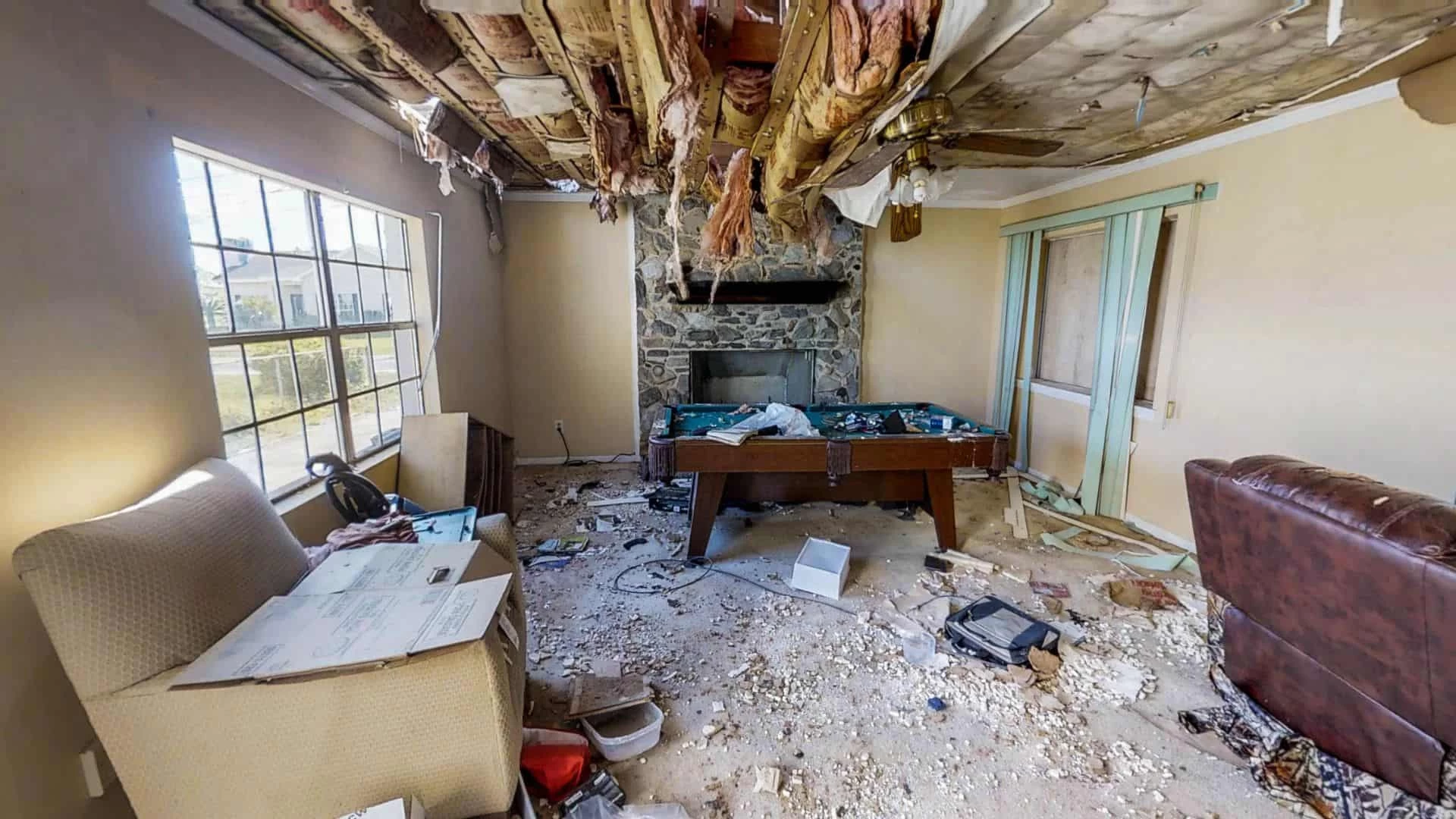
What good restoration looks like when it’s done right: no musty smell, no soft spots in the floor, no discoloration creeping up the drywall two months later. Mold begins colonizing within 24 to 48 hours of a moisture event and Westchester’s humid summers make that window even tighter. The right response isn’t just extraction. It’s structural drying, moisture mapping, and a team that stays until the readings confirm the job is finished.
12 Years Restoring Hartsdale Homes One Team, Start to Finish
We’ve been handling water damage, mold, and full environmental restoration across Westchester County for over 12 years, with deep experience in Hartsdale’s specific housing stock. We’ve worked in homes like yours pre-war Tudors in the Edgemont section, Cape Cods off Ridge Road, condos on Central Park Avenue and we understand what older construction does when water gets into it.
We’re NYS and NYC M/WBE certified, fully insured with liability and workers’ compensation coverage, and qualified to work with the NYS Office of General Services. Those aren’t just credentials on a wall. They reflect the level of accountability and oversight that serious restoration work requires and that Hartsdale homeowners reasonably expect from anyone they let into their home during a crisis.
We handle everything from water extraction through full reconstruction, including mold remediation and asbestos abatement for homes where older materials are present. You won’t get handed off to a subcontractor mid-job. One team, start to finish.
From First Call to Finished What Happens When You Call Us
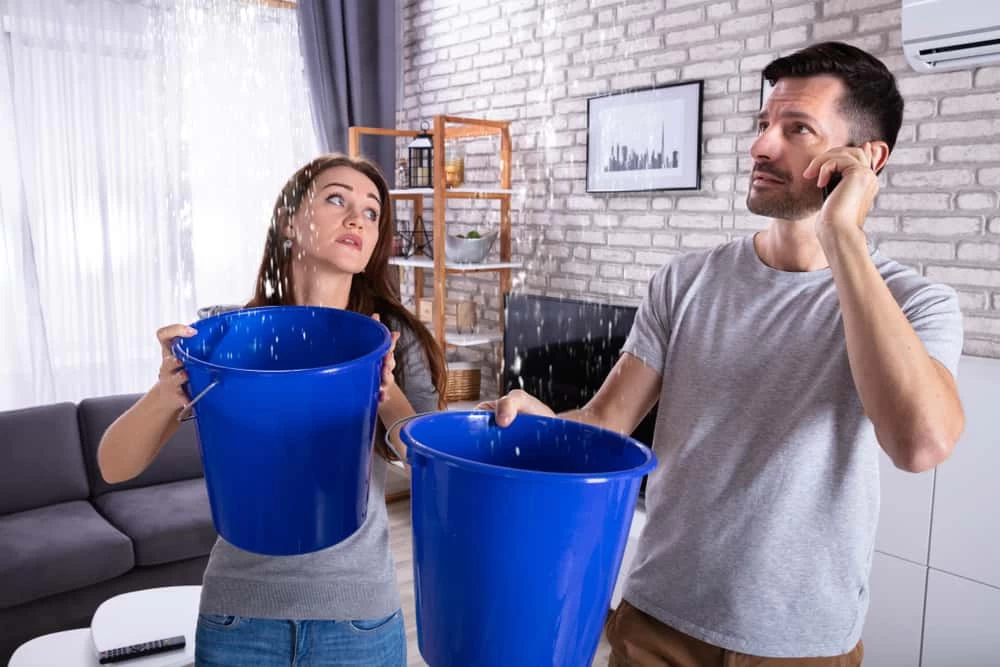
When you call, we pick up. Day or night. Many Hartsdale residents commute into the city and come home to find a problem that’s been sitting for hours a burst pipe, a backed-up sump, water coming in through a basement window during a storm. We dispatch immediately, regardless of the hour, because waiting until morning is rarely an option.
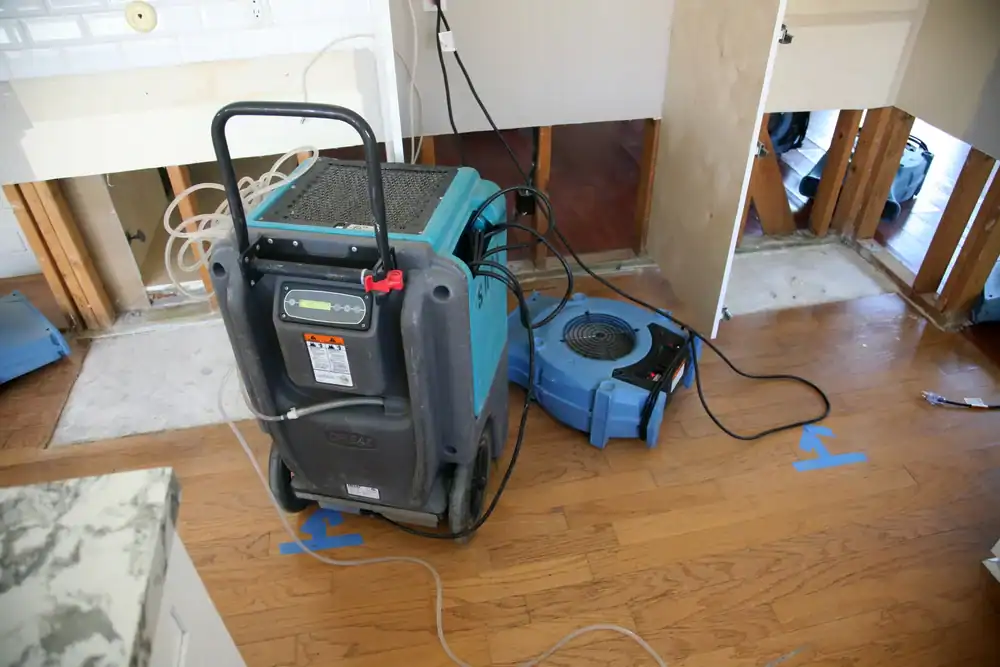
When our crew arrives, the first priority is stopping the source and assessing the full extent of the damage not just what’s visible. We use moisture meters and thermal imaging to find water that’s traveled behind walls, under floors, and into structural cavities. In a home with plaster walls or hardwood subfloors common throughout Hartsdale’s older neighborhoods water doesn’t stay where you can see it. This step is what separates a real restoration from a surface dry-out that leaves problems behind.
From there, we move into extraction, structural drying, and air treatment. If the job requires wall demolition, mold remediation, or asbestos abatement which comes up regularly in homes built before 1980 we handle that in-house. Restoration work in Hartsdale falls under the Town of Greenburgh’s Building Department jurisdiction, and when permits are required for reconstruction, we navigate that process so you don’t have to. The job isn’t done until the moisture readings are clear and the space is ready to rebuild.
Water Damage Restoration Services in Hartsdale, NY
Full Restoration, Not Just a Dry-Out
Our water damage restoration covers the full scope from the moment water is extracted to the day your home is back to normal. That includes emergency water removal, structural drying, moisture mapping, mold testing and remediation, demolition of damaged materials, and complete reconstruction. For homes in Hartsdale that were built before 1980, we also provide asbestos abatement in-house, which is something most restoration companies in this area can’t offer without bringing in a separate contractor.
We work directly with your insurance company. That means we document the damage at the level adjusters require, communicate with your carrier throughout the process, and bill them directly. For a homeowner in Greenburgh dealing with a $15,000 to $40,000 restoration which is a realistic range for significant water damage in an older Westchester home not having to manage that billing gap yourself is a meaningful difference.
For larger jobs where the full scope isn’t immediately clear, we offer financing up to $200,000 at 0% APR. That matters when a basement remediation expands into structural repairs, or when a water event reveals mold that’s been building behind walls for months. You shouldn’t have to cut the scope of a restoration job because the number caught you off guard. We make sure the financial side doesn’t force a compromise on the work.
How quickly can you respond to a water damage emergency in Hartsdale, NY?
We respond 24 hours a day, seven days a week including nights, weekends, and holidays. When you call, you’re not reaching an answering service that logs a ticket for the morning. You’re reaching someone who dispatches a crew.
This matters specifically in Hartsdale because many residents are commuters who aren’t home during the day. A pipe that bursts at 7 a.m. while you’re on the Harlem Line to Grand Central can run for hours before anyone notices. By the time you’re home, water has already moved into walls, under flooring, and potentially into adjacent units if you’re in a condo or co-op on East Hartsdale Avenue. Fast response isn’t a selling point it’s the single most important factor in limiting how much damage actually occurs and how much the restoration ultimately costs.
Does water damage restoration in Hartsdale get covered by homeowner's insurance?
In most cases, yes but the specifics depend on your policy and the cause of the damage. Sudden and accidental events like a burst pipe, appliance failure, or storm-related water intrusion are typically covered. Gradual damage from a slow leak that went unaddressed for a long time is often excluded.
We bill your insurance company directly and document the damage in the format adjusters expect detailed photos, moisture readings, scope of work, and line-item estimates. For Hartsdale homeowners whose properties carry significant value, thorough documentation is what drives full claim recovery. We’ve worked with most major carriers and know how to present a claim accurately. You shouldn’t have to figure out the insurance side of this on your own while also managing the disruption of a damaged home.
What causes most basement flooding in Hartsdale homes?
There are a few patterns that come up repeatedly in Hartsdale specifically. The most common is stormwater backup heavy rainfall overwhelms the drainage capacity in low-lying neighborhoods near the Bronx River and Sprain Brook system, and water finds its way in through basement windows, exterior stairwells, or foundation cracks. The Sprain Brook Parkway corridor has a documented history of this, and properties close to that drainage system are at elevated risk during significant rain events.
The second major cause is plumbing failure in older homes. The median construction year for homes in the 10530 ZIP code is 1956, and a meaningful share were built before 1940. Galvanized steel and cast-iron pipes from that era corrode from the inside out over decades. They don’t always give visible warning signs before they fail. A hard freeze which Hartsdale gets regularly every winter can push an already-weakened pipe over the edge. Sump pump failures during extended power outages are also a recurring issue, particularly in the wooded neighborhoods like Manor Park and Windsor Park where power restoration after storms can take longer.
How do I know if there's mold after a water damage event in my home?
The honest answer is that you often can’t tell just by looking. Mold grows behind walls, under flooring, and inside ceiling cavities places that look fine on the surface but are actively colonizing. A musty smell is the most common early indicator, but by the time it’s strong enough to notice, the growth is usually already established.
Mold begins developing within 24 to 48 hours of a moisture event. In Hartsdale, where summer humidity is consistently high and older homes have materials like plaster, hardwood, and brick that hold moisture longer than modern construction, that window is tight. If your home had any standing water, a slow leak that went unnoticed, or a water event that wasn’t professionally dried not just mopped up mold testing is worth doing before you close the walls back up. We include mold assessment as part of our restoration process and handle remediation in-house when it’s found.
Do older Hartsdale homes require special handling during water damage restoration?
Yes, and this is one of the more important things to understand before hiring any restoration company in this area. Homes built before 1980 which covers a large portion of Hartsdale’s housing stock may contain asbestos in pipe insulation, floor tiles, ceiling materials, and joint compound. They may also contain lead paint. Neither of these materials can be disturbed during demolition or drying work without following specific abatement protocols regulated under New York State law.
Most restoration companies in Westchester don’t handle asbestos abatement in-house. That means they either stop the job and bring in a separate contractor adding time and coordination or they proceed without proper handling, which creates a liability and health risk for your family. We’re one of the few restoration companies in this market with full asbestos abatement capabilities. If your home was built before 1980 and requires any wall opening, floor removal, or structural work, that capability isn’t optional it’s essential.
Can Green Island Group handle water damage in Hartsdale condos and co-ops, not just single-family homes?
Yes, and multi-unit properties come with their own set of complications that we’re experienced with. Hartsdale has a meaningful number of condominiums and co-ops including buildings along East Hartsdale Avenue and Central Park Avenue where a water intrusion event in one unit can affect the units above, below, or beside it. That creates questions about scope, liability, and which party’s insurance applies to which portion of the damage.
We work with building management, individual unit owners, and insurance carriers simultaneously when a job spans multiple units. We document each affected area separately, which is what’s needed when multiple claims are involved. We also understand that co-op and condo boards in Greenburgh often require contractor credentials and proof of insurance before allowing work to begin in a building our full insurance coverage, M/WBE certification, and 12-year operating history satisfy those requirements without delay.