Water Damage Restoration in Head of the Harbor, NY
When Stony Brook Harbor Storms Hit Home, Speed Is Everything
Water damage in Head of the Harbor doesn’t wait and neither should your response. We bring certified water damage restoration to one of Long Island’s most distinctive North Shore villages, where older homes, wooded lots, and harbor-adjacent flooding create real risk that generic restoration crews simply aren’t prepared for.
I needed a professional consultation explanation of procedure for safe removal of Asbestos in my apartment complex. Without having an account yet, I was very impressed with the caring, knowledgeable and generous advice offered by Jessica, and will look forward to doing business in the future. Thank you so much! I feel much more informed about a sometimes scary endeavor. Peace. Nancy Silva Mineola, NY.
Mia Munoz
Used this company to clean up some water flood in my house. They were fast and easy to work with.very professional, Would recommend to anyone!
Nini Valle
Great company, had a flood and they responded quickly and efficiently. Billed my insurance company directly. I highly recommend this company!
joe colapietro, jr
I had pipe freeze in my basement right before a snow storm and they made to within an hour to help start the clean up process. They we by our side throughout the entire process and even helped with the insurance company. They did such a great job with the cleanup, repair, remidiation, I contracted them to perform the repairs and finishes in the basement. They came with enough manpower and material to get the job done. Leo and Jessica were nothing but a pleasure to deal with!!
Cristian Arredondo c
I had some water damage in my home and Green Island was able to take care of my issue quickly and effectively. I am very pleased with the work they did. They responded quickly and were very professional.
Michael M
Outstanding service! From the office to the field crew everyone was friendly, helpful and responsive. I highly recommend Green Island Group.
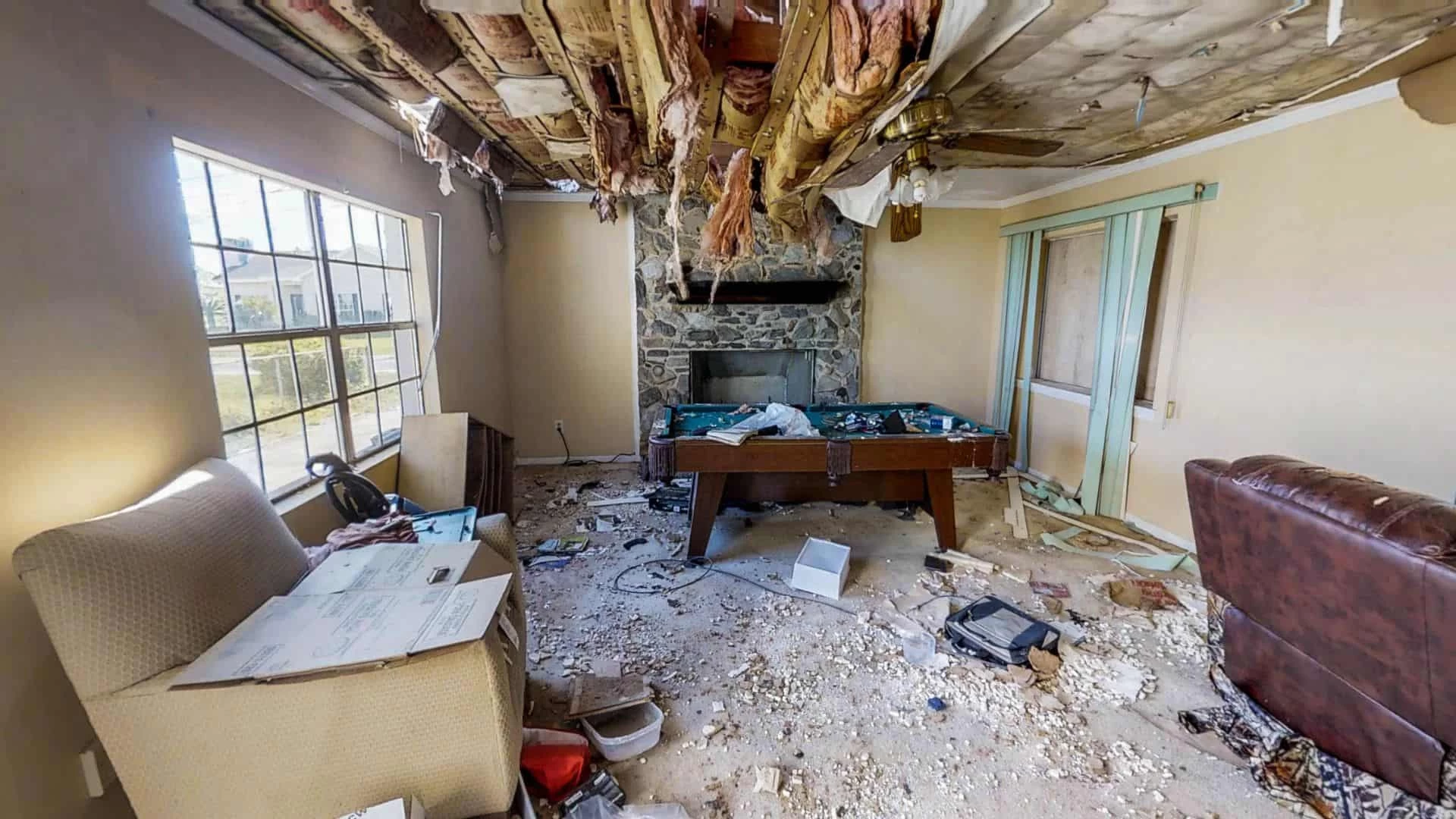
When water gets into a home in Head of the Harbor, the stakes are different than most places on Long Island. You’re dealing with properties worth well over a million dollars, housing stock that in many cases dates back decades, and a wooded, shaded environment that holds moisture longer than almost anywhere else in Suffolk County. That combination older construction, heavy tree canopy, and limited airflow in basements and crawl spaces means water doesn’t just sit on the surface. It moves through original hardwood floors, soaks into wall cavities, and creates the exact conditions mold needs to take hold within 24 to 48 hours.
The August 2023 flooding event made that risk impossible to ignore. When Harbor Road collapsed and emergency response times to the eastern half of the village stretched by five to seven minutes, homeowners in Head of the Harbor got a firsthand look at how quickly things can spiral. Getting the water out fast is one part of the job. The other part the part that actually protects your home long-term is confirming that the structure is genuinely dry, not just surface dry. Hidden moisture behind walls or under floors is what leads to mold problems weeks later, disclosure headaches at resale, and repair costs that dwarf what proper restoration would have cost upfront.
Done right, water damage restoration stops that chain before it starts. You get a home that’s structurally sound, documented for your insurance company, and cleared by moisture readings not just a crew that ran some fans and called it done.
Water Restoration Companies, Head of the Harbor NY
Local Knowledge Backs Every Job We Take On
We’re a Long Island-based environmental and restoration company not a franchise, not a call center, not a crew dispatched from three counties away. When you call, you reach someone who actually knows the North Shore, knows what pre-1970 construction looks like from the inside, and understands what it means to work in an incorporated village with its own building department and its own permit process.
That last part matters more in Head of the Harbor than most places. Because this is a village with its own building inspector not a Town of Smithtown operation any structural restoration work requires a village permit. Contractors unfamiliar with that process can leave you with unpermitted repairs that create real legal exposure when it’s time to sell. We know how that process works, and we make sure your restoration is compliant from start to finish.
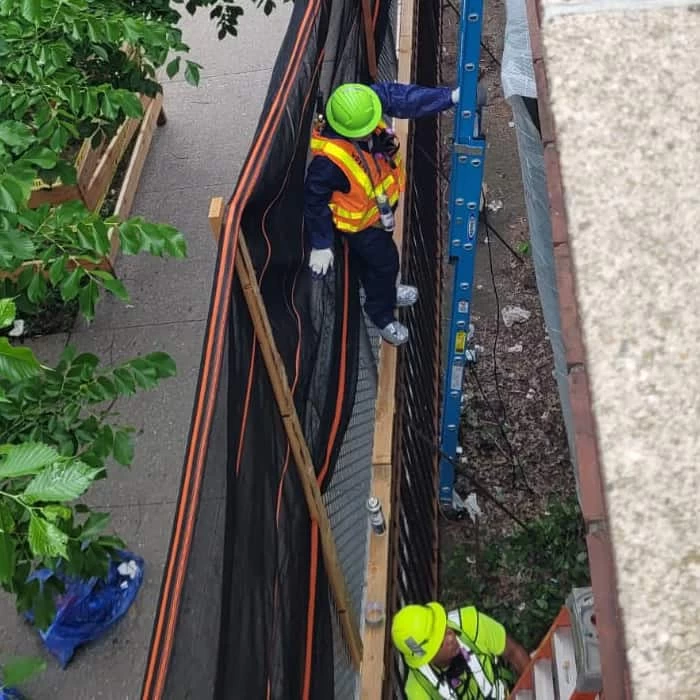
We also handle more than water damage. Mold remediation, asbestos abatement, air quality testing, lead paint removal it all happens under one roof. For a village where many homes were built before 1980 and water damage rarely arrives without complications, that matters.
Emergency Water Restoration Service, Head of the Harbor
What to Expect From the First Call to Final Clearance
It starts with a call any time, any day. When you reach out, you’re talking to a real local professional, not a national intake line. We ask a few quick questions to understand what you’re dealing with, and then we move. For emergency situations, that means getting a crew to your property as fast as possible. For non-emergency situations, we schedule an assessment at a time that works for you.
When we arrive, the first step is a thorough inspection using thermal imaging cameras and professional moisture meters. This is where we find the water you can’t see the moisture sitting inside wall cavities, under flooring, or in the framing of older homes where water travels in ways that aren’t obvious from the surface. In Head of the Harbor’s housing stock, that hidden moisture is often the bigger problem. We map it all before we touch anything.
From there, we extract standing water, deploy commercial-grade drying equipment, and monitor moisture levels across multiple readings over the course of the drying process. We document everything photos, moisture logs, drying reports in a format your insurance adjuster can work with directly. Once the structure hits the target dryness levels, we do a final clearance check. If mold, asbestos, or air quality concerns surface during the job, we handle those in-house rather than handing you off to a separate contractor. When the job is done, it’s actually done.
Water Damage Restoration Service, Head of the Harbor NY
Built for Older Homes, Harbor Weather, and High Stakes
Water damage restoration in Head of the Harbor isn’t a one-size job. The combination of older housing stock, proximity to Stony Brook Harbor, and the village’s heavily wooded terrain creates a specific set of conditions that a generic restoration approach won’t fully address. Our service is built around what actually happens in homes like yours not what happens in a new construction subdivision in a different county.
On the water damage side, that means professional water extraction, structural drying with commercial dehumidifiers and air movers, thermal imaging to locate hidden moisture, and moisture monitoring until the readings confirm the structure is dry at every layer not just at the surface. Every job includes detailed documentation for insurance purposes, and we work directly with your adjuster so you’re not stuck managing that process on your own.
Because many homes in Head of the Harbor were built before 1980, water damage work sometimes raises questions about what’s behind the walls. If the job uncovers potential asbestos-containing materials or lead paint common in pre-1980 construction we handle that in-house through our abatement services rather than stopping work and sending you to find another contractor. We also offer post-remediation air quality testing to confirm the environment is clean before the space is rebuilt. For a village where homes carry this kind of value and history, that full-scope capability isn’t an add-on it’s the only responsible way to work.
Does homeowners insurance cover water damage restoration in Head of the Harbor, NY?
In most cases, yes but the details matter. Standard homeowners insurance policies in New York typically cover sudden and accidental water damage, like a burst pipe or an appliance failure. What they usually don’t cover is damage from long-term neglect, gradual leaks, or flooding from an external water source like a storm surge, which requires a separate flood insurance policy. Given Head of the Harbor’s proximity to Stony Brook Harbor and the documented flooding that hit this area in August 2023, flood coverage is worth reviewing carefully if you don’t already have it.
The bigger issue most homeowners run into isn’t whether they’re covered it’s whether the damage is documented well enough to support the claim. Insurance adjusters work from documentation, and a claim that’s poorly documented often results in a lower settlement than the damage actually warrants. We handle the documentation process directly, provide detailed moisture logs and photo records, and communicate with your adjuster on your behalf so the claim reflects the full scope of what happened in your home.
How quickly does mold start growing after water damage in my home?
The IICRC the industry’s leading certification body for restoration professionals documents that mold can begin colonizing within 24 to 48 hours of water exposure. That’s not a worst-case scenario. That’s the standard window under normal conditions. In a home in Head of the Harbor, where mature tree canopy keeps properties shaded and ground moisture levels elevated year-round, and where older homes often have finished basements and crawl spaces with limited airflow, the conditions for rapid mold growth are even more favorable than average.
The practical takeaway is that the timeline for getting professional help is short. Running a box fan for a day or two while you figure out next steps isn’t a neutral choice it’s time the mold clock is running. If water has been sitting for more than a day, or if you’re not sure how long it’s been there, a professional assessment with moisture meters and thermal imaging is the only way to know what you’re actually dealing with. Surface dryness is not structural dryness, and in a home worth over a million dollars, that distinction is the difference between a clean remediation and a mold problem that surfaces weeks later.
Do I need a building permit for water damage repairs in Head of the Harbor?
It depends on the scope of the work, but for anything structural replacing drywall, repairing framing, rebuilding subfloor the answer is typically yes. Head of the Harbor operates its own Building Department, separate from the Town of Smithtown, with its own permit requirements and its own building inspector. That’s a detail that catches a lot of contractors off guard, especially those who primarily work in unincorporated hamlets where the town handles everything.
The practical risk of skipping permits isn’t just a fine it’s a resale problem. Unpermitted work in an incorporated village can create disclosure obligations and title complications that cost far more to resolve than the permit would have. The village’s building inspector is available by appointment only on Tuesdays and Thursdays, which means contractors who don’t know the process can face delays that slow your project down. We’re familiar with how Head of the Harbor’s permit process works and make sure restoration work is handled in a way that keeps your home legally sound from start to finish.
What should I do immediately after discovering water damage in your home?
The first thing is to stop the source if you can. If it’s a burst pipe, shut off the water supply to that line or to the house. If it’s coming from outside a storm, a failed window seal, a foundation breach focus on limiting further entry where possible. Once the source is controlled, your next call should be to a professional restoration company, not a general contractor. The reason is that water damage assessment requires equipment moisture meters, thermal imaging cameras that a general contractor won’t typically have on a service call.
While you’re waiting for help to arrive, move valuables and furniture out of the affected area if it’s safe to do so. Don’t run fans or open windows in an attempt to dry things out airflow without proper moisture control can spread contamination and doesn’t address the moisture that’s already migrated into structural materials. Take photos of everything you can see before anything is moved or touched. That documentation becomes part of your insurance claim, and the more thorough it is before restoration begins, the stronger your claim will be. Then call your insurance company to report the loss and let them know a restoration company is already on site.
Can water damage restoration disturb asbestos or lead paint in older Head of the Harbor homes?
Yes, and this is a real concern in Head of the Harbor’s housing stock. Many homes in this village were built before 1980, when asbestos-containing materials were commonly used in insulation, floor tiles, pipe wrap, and textured ceilings and when lead-based paint was standard. Water damage restoration that involves opening walls, removing flooring, or disturbing ceiling materials in a pre-1980 home can potentially expose those materials. In a home with this kind of history, that’s not a hypothetical risk it’s something that needs to be assessed before work begins.
The reason this matters practically is that most water damage restoration companies aren’t equipped to handle asbestos or lead in-house. If a crew opens a wall and discovers suspect materials, they have to stop work, bring in a separate abatement contractor, and coordinate a handoff that costs you time and creates gaps in project management. We handle water damage, mold remediation, asbestos abatement, and lead paint removal under one roof. If an issue surfaces during your restoration, we address it directly rather than stopping the job and sending you to find someone else. For an older home in a village like this, that capability is a genuine difference-maker.
How do I choose the right water damage restoration company near Head of the Harbor?
Start with certification. The IICRC is the industry’s recognized credentialing body, and technicians certified in WRT (Water Damage Restoration), ASD (Applied Structural Drying), and AMRT (Applied Microbial Remediation) have been trained to follow documented, science-based protocols not improvised methods. Any company you seriously consider should be able to name their certifications without hesitation.
Beyond credentials, the questions that matter most for a home in Head of the Harbor are specific ones. Do they have experience working in incorporated villages with their own building departments? Do they handle asbestos and mold in-house, or will they hand you off mid-job if something surfaces? Do they work directly with insurance adjusters, or will you be managing that process yourself? Can they show you moisture readings and drying documentation, or are they asking you to take their word for it that the job is done? This is a small village where homes carry significant value and older construction creates real complexity. The company you choose should be able to answer all of those questions clearly and show their work.