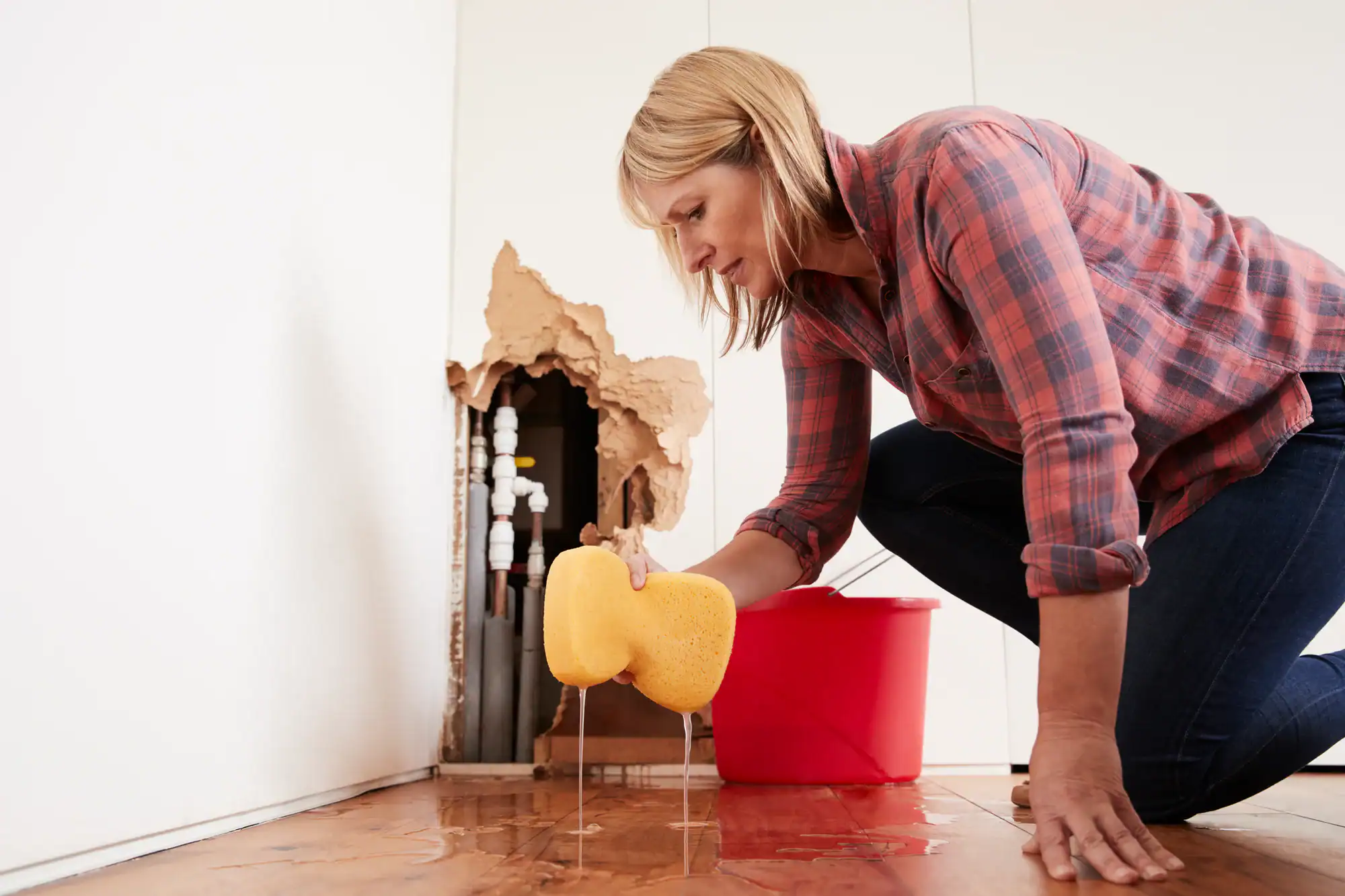
When water gets into your home, every hour it sits there is working against you. We respond fast to water damage restoration calls across Hempstead, NY — and we handle the insurance so you don’t have to fight that battle on top of everything else.
I needed a professional consultation explanation of procedure for safe removal of Asbestos in my apartment complex. Without having an account yet, I was very impressed with the caring, knowledgeable and generous advice offered by Jessica, and will look forward to doing business in the future. Thank you so much! I feel much more informed about a sometimes scary endeavor. Peace. Nancy Silva Mineola, NY.
Mia Munoz
Used this company to clean up some water flood in my house. They were fast and easy to work with.very professional, Would recommend to anyone!
Nini Valle
Great company, had a flood and they responded quickly and efficiently. Billed my insurance company directly. I highly recommend this company!
joe colapietro, jr
I had pipe freeze in my basement right before a snow storm and they made to within an hour to help start the clean up process. They we by our side throughout the entire process and even helped with the insurance company. They did such a great job with the cleanup, repair, remidiation, I contracted them to perform the repairs and finishes in the basement. They came with enough manpower and material to get the job done. Leo and Jessica were nothing but a pleasure to deal with!!
Cristian Arredondo c
I had some water damage in my home and Green Island was able to take care of my issue quickly and effectively. I am very pleased with the work they did. They responded quickly and were very professional.
Michael M
Outstanding service! From the office to the field crew everyone was friendly, helpful and responsive. I highly recommend Green Island Group.
Most people don’t realize how far water travels inside a wall. You see a wet floor or a damp corner, but behind that surface — inside the framing, under the subfloor, behind the tile that hasn’t moved since the 1950s — moisture is already spreading. In Hempstead’s older housing stock, where a lot of homes were built in the post-war era, that’s not a hypothetical. It’s what we find on nearly every job.
When the work is done right, you’re not just dry — you’re documented. Every moisture reading recorded, every affected area mapped, every step logged in a format your insurance adjuster can actually use. That matters in Hempstead because Nassau County’s storm drain system is under real stress, and when heavy rain hits, basements flood fast. The damage isn’t always visible from the surface, and a crew that only dries what they can see is leaving a mold problem behind.
For Hempstead landlords managing occupied rental units, the stakes are even higher. The Village of Hempstead’s Housing and Property Maintenance Code holds property owners accountable for water damage that affects habitability. Getting ahead of it — with proper extraction, drying, and documentation — protects your tenants and protects you.
Long Island Crew. Real Accountability. No Middleman.
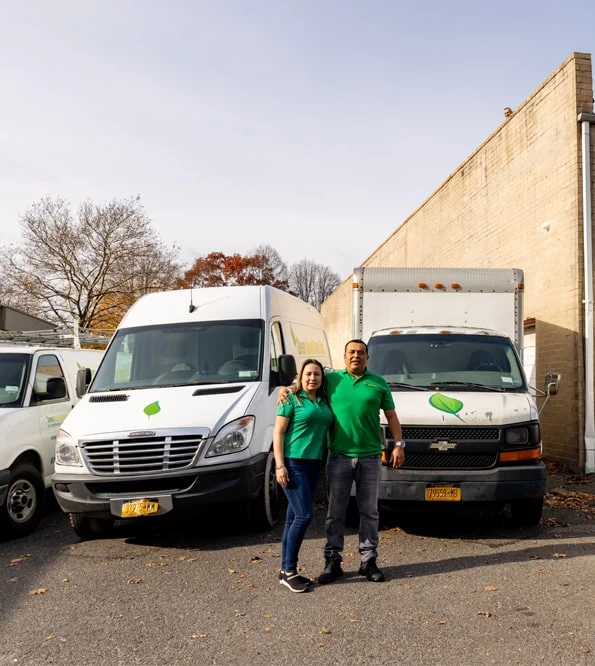
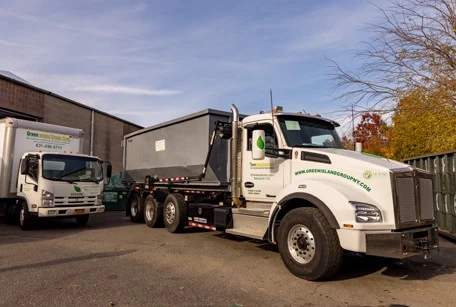
We’re locally owned and operated on Long Island. When you call, you’re reaching the team that actually shows up — not a national call center routing your emergency to whoever’s available that night. There’s no franchise layer between you and the people doing the work.
We’ve worked throughout Hempstead and Nassau County long enough to know that Hempstead isn’t a generic suburb. It’s a dense, active community with older homes, a large rental population, and a building department — the Village of Hempstead’s own, separate from the Town’s — that has specific permit requirements for restoration work. We know that process because we navigate it regularly. An out-of-area company often doesn’t even know the distinction exists.
We’re IICRC certified and fully licensed under New York State’s Mold Law, which has required separate mold remediation licensing since 2016. That’s not a marketing credential — it’s a legal requirement that a surprising number of operators in this market don’t actually hold.
The first thing we do when we arrive is assess — not just what’s visible, but what’s hidden. We use thermal imaging cameras to detect moisture inside walls, ceilings, and floors that you’d never find by looking. In a Hempstead home built in the 1940s or 1950s, water doesn’t stay where it lands. It moves through plaster, along wood framing, and into subfloor assemblies that haven’t been touched in decades. We map all of it before a single piece of equipment gets placed.
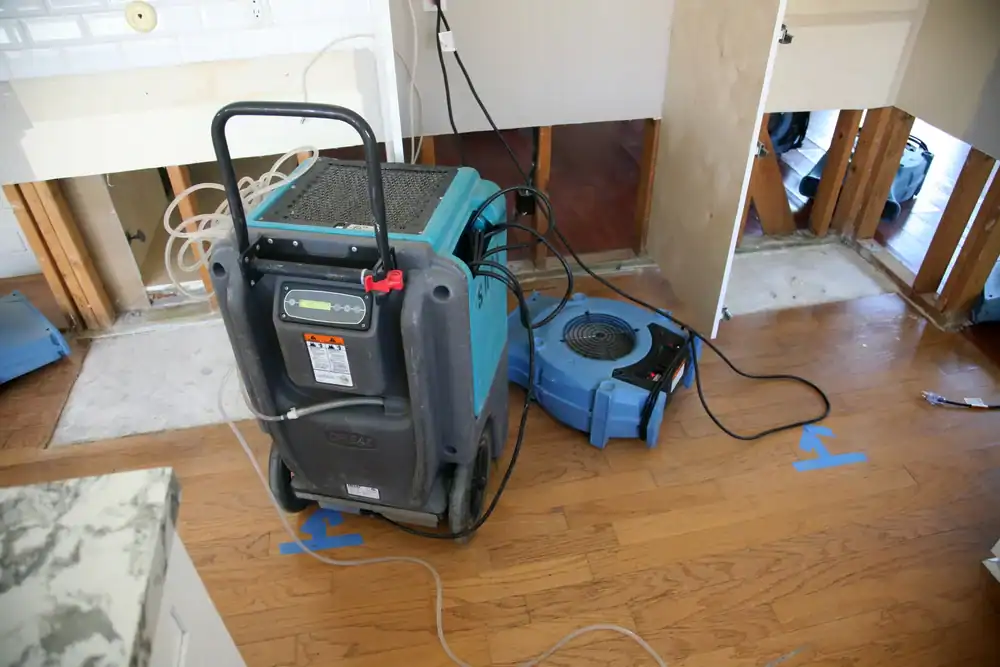
From there, we extract standing water with industrial-grade equipment, then set up a structured drying system — commercial air movers, dehumidifiers, and in some cases negative air pressure containment — calibrated to the specific materials and moisture levels we found. We monitor readings throughout the drying process and don’t call a job complete until the numbers are within safe limits, not just until things feel dry to the touch.
If mold remediation is needed, we handle that under our NY State Department of Labor license — a separate legal requirement in New York that protects you and ensures the work holds up to insurance scrutiny. And throughout the entire process, we’re documenting everything and communicating directly with your adjuster. You shouldn’t have to translate between a restoration crew and an insurance company while your home is still wet.
Water damage restoration isn’t one thing — it’s a sequence of decisions made quickly under pressure, and what gets included depends on what we actually find. That said, every job we take in Hempstead covers the full scope: emergency extraction, structural drying, moisture mapping with thermal imaging, and a complete documentation package for your insurance claim. We don’t hand you a wet-vac receipt and call it mitigation.
For homes near the Meadowbrook Creek drainage basin or in areas that took on water during past storm events — including properties that were affected by Superstorm Sandy and may have pre-existing moisture conditions that were never fully resolved — we pay close attention to what’s behind the walls, not just the surface. Hempstead’s stormwater infrastructure is aging, and when it gets overwhelmed, the water that backs up through floor drains and window wells can saturate structural materials fast.
If mold is present or suspected, that work falls under a separate NY State-licensed remediation process — and we hold that license. For Hempstead landlords managing multi-unit properties, we also produce the kind of organized, multi-stakeholder documentation that satisfies the Village building department, your insurance carrier, and your tenants’ habitability concerns at the same time. One crew, one process, one point of contact from start to finish.
Does homeowners insurance cover water damage restoration in Hempstead, NY?
In most cases, yes — but the details matter. Standard homeowners insurance typically covers sudden and accidental water damage, like a burst pipe or an appliance failure. What it usually doesn’t cover is flooding from an outside water source, which requires a separate flood insurance policy through FEMA’s National Flood Insurance Program. Given that Hempstead’s storm drain system gets overwhelmed during heavy rain events and water backs up into basements through floor drains and window wells, it’s worth knowing exactly what type of event caused your damage before you assume coverage.
The other thing that affects your claim is documentation. Insurance companies don’t take your word for how bad the damage was — they want moisture readings, affected area reports, and a scope of work that aligns with IICRC S500 standards. We handle all of that directly with your adjuster, which means you’re not trying to learn insurance claims process while your home is still wet. We’ve worked with most major carriers operating in Nassau County and know what they need to process a claim efficiently.
How fast does mold actually grow after a basement floods in Hempstead?
The EPA’s documented window is 24 to 48 hours — and that’s under average conditions. In Hempstead’s older homes, where you’re dealing with plaster, wood lath, untreated framing lumber, and subfloor assemblies built before modern moisture-resistant materials existed, mold can take hold faster because those older materials absorb and hold moisture more readily than modern construction. By the time you can smell it or see it on a surface, it’s already been growing inside the wall for days.
That’s why response time isn’t just a convenience — it’s the difference between a drying job and a mold remediation job. A drying job is faster, less invasive, and significantly less expensive. A mold remediation job in New York requires a separately licensed contractor under the 2016 NY Mold Law, adds time to the project, and can complicate your insurance claim if it wasn’t caught early. Calling within the first few hours of discovering water damage is genuinely the most cost-effective decision you can make.
Do I need a permit for water damage repairs through the Village of Hempstead Building Department?
It depends on the scope of the work, but yes — if restoration involves structural repairs, demolition of finished surfaces, or reconstruction, you’ll likely need a permit from the Village of Hempstead Building Department. This is an important distinction that trips up a lot of out-of-area companies: because Hempstead is an incorporated village, it operates its own building department separate from the Town of Hempstead’s. Permits for work inside the village boundaries are issued by the Village, not the Town. If a contractor doesn’t know that, they can create permit violations that delay your project and complicate your insurance settlement.
The Village’s Housing and Property Maintenance Code also has specific provisions governing the maintenance of water pipes, waste pipes, and drainage systems — which means there’s a regulatory layer here beyond just the building permit itself. We’re familiar with the Village’s permitting process and handle that coordination as part of the job. You don’t need to figure out which building department to call or what forms to file while you’re also dealing with a flooded home.
What's the difference between water damage mitigation and water damage restoration?
Mitigation is the emergency phase — stopping the damage from getting worse. That includes water extraction, initial drying, and containment. Restoration is everything that comes after: repairing or replacing the structural materials and finishes that were damaged. In practice, a lot of companies in the Nassau County market will handle mitigation and then hand you off to a separate contractor for restoration, which means a second estimate, a second mobilization, and a gap in your documentation that insurance adjusters notice.
We handle both. That matters for Hempstead homeowners because the transition from mitigation to restoration is where scope disputes with insurance companies most often happen. When the same crew that did the extraction and drying is also managing the repair work, the documentation is continuous, the scope is consistent, and there’s no finger-pointing between two separate companies about what was dry before reconstruction started. One company, one file, one claim.
My Hempstead rental property flooded — what do I need to document for my tenants and insurance?
For rental properties in Hempstead, water damage documentation needs to satisfy multiple audiences at once, and they each want something different. Your insurance carrier needs moisture readings, an IICRC-compliant scope of work, and evidence that remediation was performed by qualified contractors. Your tenants need written communication about what happened, what’s being done, and the timeline — because habitability is a legal standard in New York, and the Village of Hempstead’s Housing and Property Maintenance Code creates real accountability for landlords who don’t address water damage promptly. And if the Village building department gets involved, you’ll need permit documentation for any structural repairs.
We produce organized, thorough documentation that covers all three. We can provide your insurance adjuster with the technical file they need, give you a written remediation summary you can share with tenants, and handle the permit coordination with the Village building department for any repair work. Hempstead’s rental market is dense — multi-family properties, older buildings, multiple units affected by a single event — and we’ve worked in enough of them to know that cutting corners on documentation creates bigger problems down the road than the water damage itself.
How much does water damage restoration typically cost in Nassau County, NY?
The average water damage insurance claim in the U.S. runs between $11,000 and $13,000, but the actual cost of any specific job depends on how much water got in, how long it sat, what materials were affected, and whether mold remediation is needed. In Hempstead specifically, where a lot of homes were built in the post-war era and have older plumbing systems and building materials, water tends to travel further and absorb deeper than in newer construction — which can push the scope of drying and repair higher than a homeowner might initially expect.
The most important thing to understand about cost is that delay makes it worse. A job that costs $4,000 to $6,000 if addressed within the first 12 hours can easily become a $15,000 to $20,000 project if mold sets in and structural materials need to be replaced rather than dried. For insured losses, we handle the claim documentation and adjuster communication directly — so the insurance company is covering the cost, not you out of pocket. The goal is to get the scope right, get it documented, and get your claim processed without the back-and-forth that drags these projects out.