When Woodmere Bay Comes Indoors, Every Hour Counts
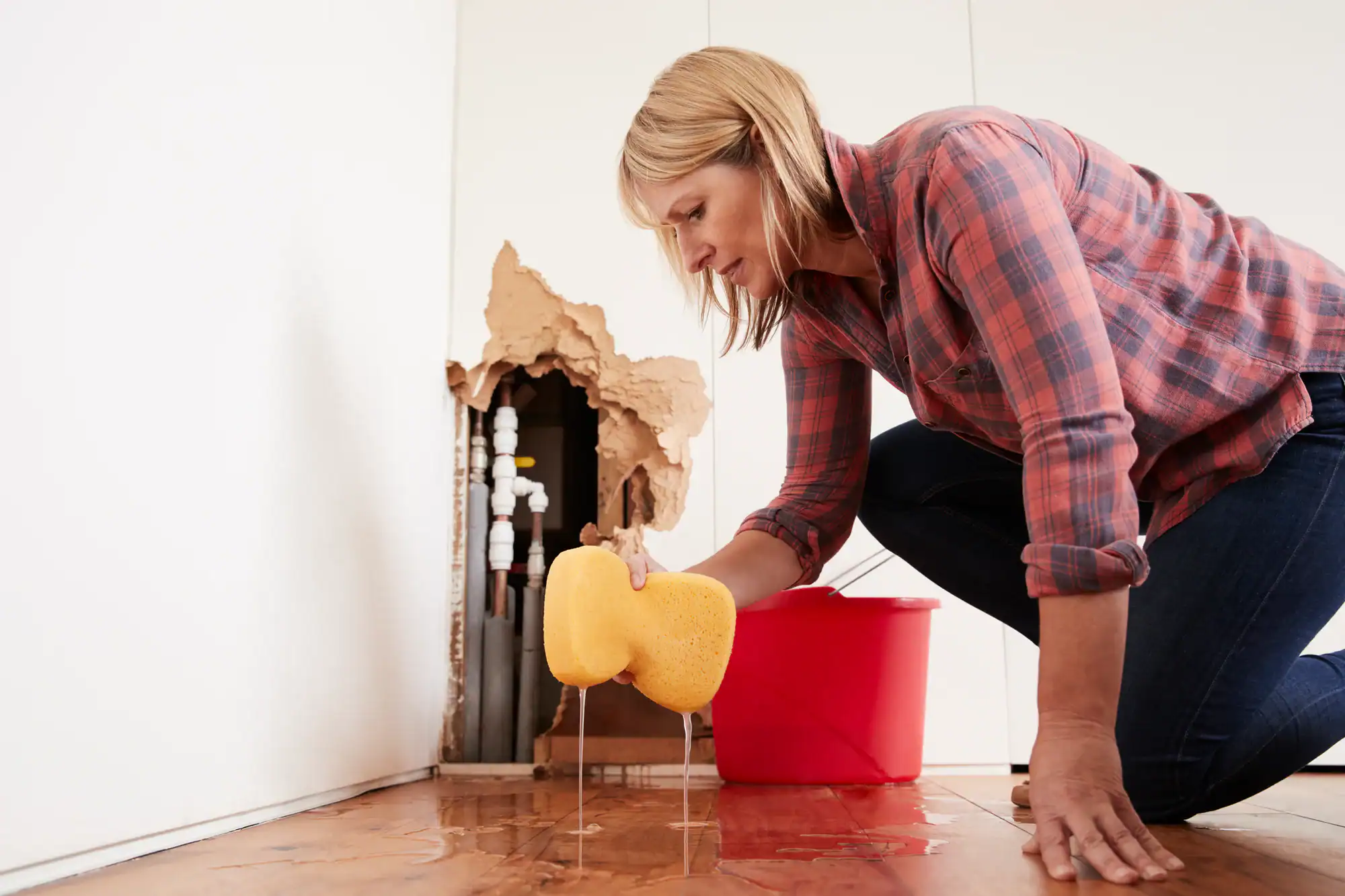
Water damage in a waterfront village like Hewlett Neck doesn’t wait for business hours. We respond fast, dry it right, and handle your insurance — so the problem stops where it started.
I needed a professional consultation explanation of procedure for safe removal of Asbestos in my apartment complex. Without having an account yet, I was very impressed with the caring, knowledgeable and generous advice offered by Jessica, and will look forward to doing business in the future. Thank you so much! I feel much more informed about a sometimes scary endeavor. Peace. Nancy Silva Mineola, NY.
Mia Munoz
Used this company to clean up some water flood in my house. They were fast and easy to work with.very professional, Would recommend to anyone!
Nini Valle
Great company, had a flood and they responded quickly and efficiently. Billed my insurance company directly. I highly recommend this company!
joe colapietro, jr
I had pipe freeze in my basement right before a snow storm and they made to within an hour to help start the clean up process. They we by our side throughout the entire process and even helped with the insurance company. They did such a great job with the cleanup, repair, remidiation, I contracted them to perform the repairs and finishes in the basement. They came with enough manpower and material to get the job done. Leo and Jessica were nothing but a pleasure to deal with!!
Cristian Arredondo c
I had some water damage in my home and Green Island was able to take care of my issue quickly and effectively. I am very pleased with the work they did. They responded quickly and were very professional.
Michael M
Outstanding service! From the office to the field crew everyone was friendly, helpful and responsive. I highly recommend Green Island Group.
Water doesn’t just sit on the surface. It moves — behind walls, under floors, into the structural cavities of your home — and in an older Hewlett Neck colonial with plaster walls and a full basement, it can be working against you for days before you see any sign of it. By the time you smell something off, the damage has already spread further than you think.
The clock matters here more than almost anywhere else on the South Shore. Mold can begin growing within 24 to 48 hours of water intrusion, and Hewlett Neck’s coastal position along Woodmere Bay means ambient humidity levels are consistently higher than inland Nassau County communities. That’s not a detail that changes the urgency slightly — it changes it significantly. What might be a contained drying job in Bethpage can become a full mold remediation project in a waterfront village if it’s not handled correctly and quickly.
When the job is done right, you get more than a dry house. You get documented moisture readings confirming the home is actually dry — not just apparently dry. You get a written scope of work that holds up if your insurance company pushes back. And you get the confidence that the materials in your home, many of which are not easily replaceable, were treated with the care they deserve.
Local to Hewlett Neck, Accountable to This Community
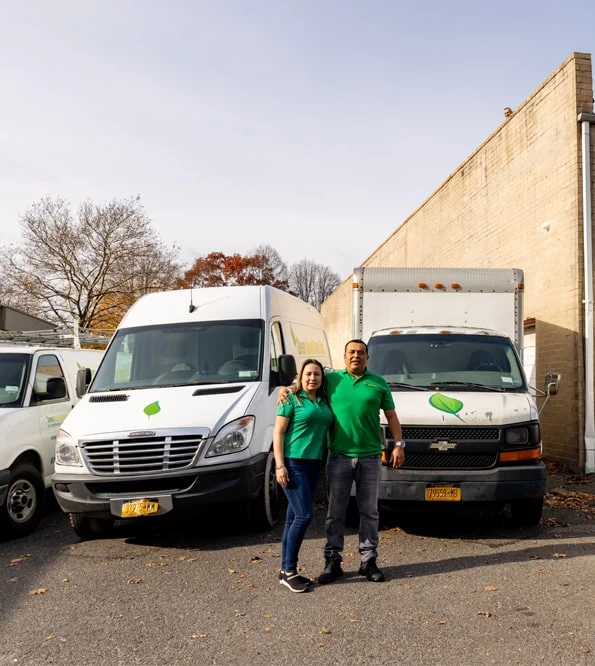
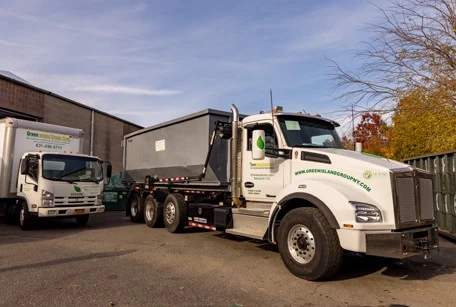
We’re a locally owned and operated restoration company based in Nassau County. That means when you call, you reach a local team that dispatches from here, knows the roads between our location and your street in Hewlett Neck, and arrives faster because of it. There’s no national call center routing your emergency to whoever happens to be available.
The Five Towns area and Hewlett Neck specifically are not unfamiliar territory for us. We understand the flood history of this part of the South Shore, the housing stock common to the Hewlett-Woodmere corridor, and what it actually takes to restore a home that’s been hit by storm surge, a burst pipe in January, or the kind of slow hidden leak that doesn’t announce itself until the damage is already significant.
In a village of roughly 160 homes, reputation isn’t abstract — it travels fast. We operate knowing that, and it shows in how we work.
What Happens From Your First Call to Final Clearance
It starts the moment you call. A real person answers — not a voicemail, not an automated system — and we get moving. For emergency situations, our goal is to have a team on-site as quickly as possible, because in a waterfront community like Hewlett Neck, the gap between fast and slow response is often the gap between a manageable restoration and a mold remediation project that costs several times more.
When we arrive, the first thing we do is assess the full scope of the damage — not just what’s visible. We use moisture meters and thermal imaging to find water that’s migrated into walls, under flooring, and into structural cavities. This step matters more than most homeowners realize, because water that’s missed during assessment is water that becomes a problem in three weeks. In Hewlett Neck, where homes often have full basements and older construction materials that retain moisture differently than modern builds, this thoroughness is non-negotiable.
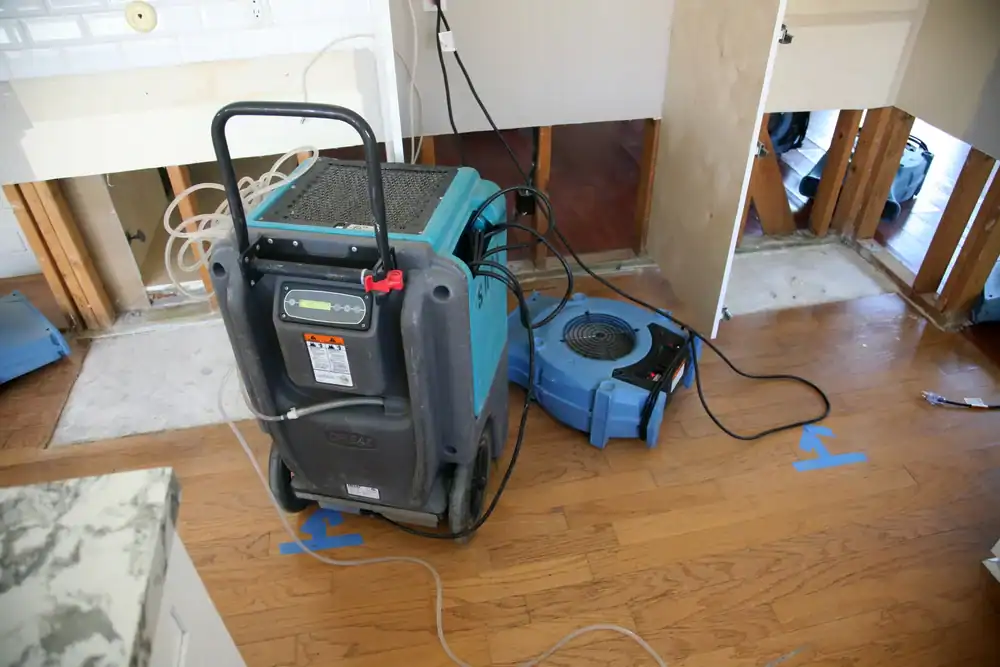
From there, we extract standing water, set industrial-grade drying equipment, and monitor moisture levels throughout the process. Every reading gets documented. If your home falls within a FEMA flood zone — which portions of the South Shore Five Towns area do — we account for that in our documentation and scope of work, because it matters for your insurance claim. We don’t hand you a dry house and disappear. We hand you a dry house with the paperwork to prove it.
Water Restoration and Flood Damage Repair, Hewlett Neck
What's Actually Included When You Call Us
Water damage restoration isn’t a single task — it’s a sequence of steps that have to happen in the right order to actually work. Emergency water extraction comes first, pulling standing water out before it migrates further. Then comes structural drying, where industrial air movers and dehumidifiers do the work that no consumer fan or box-store dehumidifier can replicate. We’re reaching moisture inside wall cavities and subfloor systems, not just drying the surface.
Because we operate under New York State’s Mold Law — Article 32 of the Labor Law, which requires separate licensing for mold assessment and mold remediation — we’re equipped to identify mold risk during the restoration process and address it properly if it’s present. This matters in Hewlett Neck specifically, where the combination of coastal humidity, older housing construction, and the elevated flood risk that comes with living near Woodmere Bay creates conditions that unlicensed operators are not legally permitted to handle. If a company can’t give you their Article 32 license number, that’s worth knowing before you hire them.
Insurance claim assistance is part of what we do, not an add-on. We document every phase of the job — moisture readings, equipment logs, scope of work — and communicate directly with your adjuster. For homeowners carrying high-value policies, that documentation is the difference between a fully covered claim and a disputed one.
How quickly does mold start growing after water damage in Hewlett Neck?
Mold can begin growing within 24 to 48 hours of water intrusion. In Hewlett Neck, the coastal proximity to Woodmere Bay and Jamaica Bay means baseline humidity levels are consistently elevated compared to inland Nassau County communities like Bethpage or Plainview. That environmental factor accelerates the conditions mold needs to establish itself, which means the window between “water came in” and “mold is growing” can be shorter here than the general guideline suggests.
This is why response time matters so much in this specific community. It’s not just about getting the water out — it’s about getting the structure dry before mold has a foothold. Once mold is established in wall cavities or under flooring, you’re no longer dealing with a water damage restoration job. You’re dealing with a mold remediation project, which is a separate, more involved, and significantly more expensive process. Acting within the first few hours of discovering water intrusion is the single most effective thing you can do to keep the scope of the problem manageable.
Will my homeowners insurance cover water damage restoration costs?
In most cases, yes — but the specifics depend on the source of the water and the language in your policy. Sudden and accidental water damage, like a burst pipe or an appliance failure, is typically covered under standard homeowners insurance. Flooding from an external source — storm surge, overland flooding, water that enters from outside the home — usually requires a separate flood insurance policy through the National Flood Insurance Program (NFIP) or a private flood carrier.
For Hewlett Neck homeowners, this distinction is especially important. The village’s location along Woodmere Bay and the broader South Shore waterway system means some properties fall within FEMA-designated flood zones, where flood insurance is either required by a mortgage lender or strongly advisable. If your home took on water during a nor’easter or a storm surge event and you don’t have a separate flood policy, that’s a coverage gap worth understanding before the next storm season. We document every step of the restoration process specifically to support your claim — whatever carrier you’re working with — and we communicate directly with adjusters so you’re not navigating that process alone.
What's the difference between water damage restoration and mold remediation?
Water damage restoration is the process of extracting water, drying the structure, and returning the affected areas to a dry, stable condition. Mold remediation is a separate process — it involves identifying, containing, and removing mold growth that has already established itself. The two are related, but they’re not the same job, and in New York State, they’re governed by different licensing requirements.
Under Article 32 of New York State Labor Law, mold assessment and mold remediation require separate licenses. This isn’t a technicality — it’s a legal requirement that many restoration companies operating in Nassau County don’t meet. If water damage in your home goes unaddressed long enough for mold to grow, or if a previous restoration job left hidden moisture behind, you may need both services. We’re licensed to handle mold remediation under New York State’s Mold Law, which means we can address the full picture — not just the water — without you having to bring in a second company to finish the job.
How do I know if my home is actually dry after water damage restoration?
The honest answer is that you can’t tell by looking at it or touching it — and that’s exactly the problem with jobs that are rushed or done without proper equipment. Surfaces dry much faster than structural materials. A wall can feel dry to the touch while the framing behind it is still holding significant moisture. Flooring can look fine while the subfloor underneath is still wet enough to support mold growth.
The only reliable way to confirm a structure is dry is with moisture meters and, in some cases, thermal imaging — tools that measure moisture content inside materials, not just on the surface. At the end of every job, we take and document moisture readings throughout the affected area. You receive that documentation as part of your job record, which serves two purposes: it confirms the home is genuinely dry, and it protects you if your insurance company ever questions whether the restoration was completed properly. For a Hewlett Neck home where the materials involved — hardwood floors, plaster walls, older wood framing — are not easily or cheaply replaced, that confirmation isn’t a formality. It’s the whole point.
How bad is the flood risk for homes near Woodmere Bay, and what should I do to prepare?
The flood risk in Hewlett Neck is real and it’s structural — not just a bad-weather concern. The village sits on a peninsula surrounded by Woodmere Bay, with connections to Jamaica Bay and the broader South Shore waterway system. During significant nor’easters or hurricane-level events, that geography creates storm surge exposure that inland Nassau County communities simply don’t face. Hurricane Sandy made that clear in October 2012, when the Woodmere Docks were obliterated and the Five Towns area was among the hardest-hit communities in the county.
Beyond major storm events, the area also experiences recurring flash flooding during heavy rain events. Nassau County has invested in pump station infrastructure near Jamaica Bay tributaries specifically to address this, but the underlying geography hasn’t changed. For homeowners, the practical preparation steps include knowing whether your property falls in a FEMA flood zone, carrying flood insurance if it does or if you’re in a high-risk area, and having a restoration company’s contact saved before you need it — because at 11pm during a storm, you don’t want to be researching options for the first time.
How much does water damage restoration typically cost in Hewlett Neck, NY?
The range is wide because the scope of water damage varies significantly from job to job. A contained burst pipe affecting one bathroom might run $1,500 to $4,000. A basement flood with significant structural drying needs, or damage that has spread into multiple rooms, can run $8,000 to $20,000 or more — and if mold remediation is required on top of restoration, that adds to the total.
For Hewlett Neck specifically, a few factors tend to push costs toward the higher end of the range. Older homes with plaster walls, hardwood floors, and full basements require more careful and thorough drying than modern construction, and the materials themselves are more expensive to repair or replace if they’ve been compromised. The coastal humidity also means drying times can run longer than in drier inland environments, which affects equipment hours. The most important thing to understand is that the cost of a thorough job done right is almost always less than the cost of a job done quickly that leaves hidden moisture behind — because that hidden moisture becomes a mold problem, and mold remediation on a multi-million dollar property is a significantly larger expense than the restoration that would have prevented it.