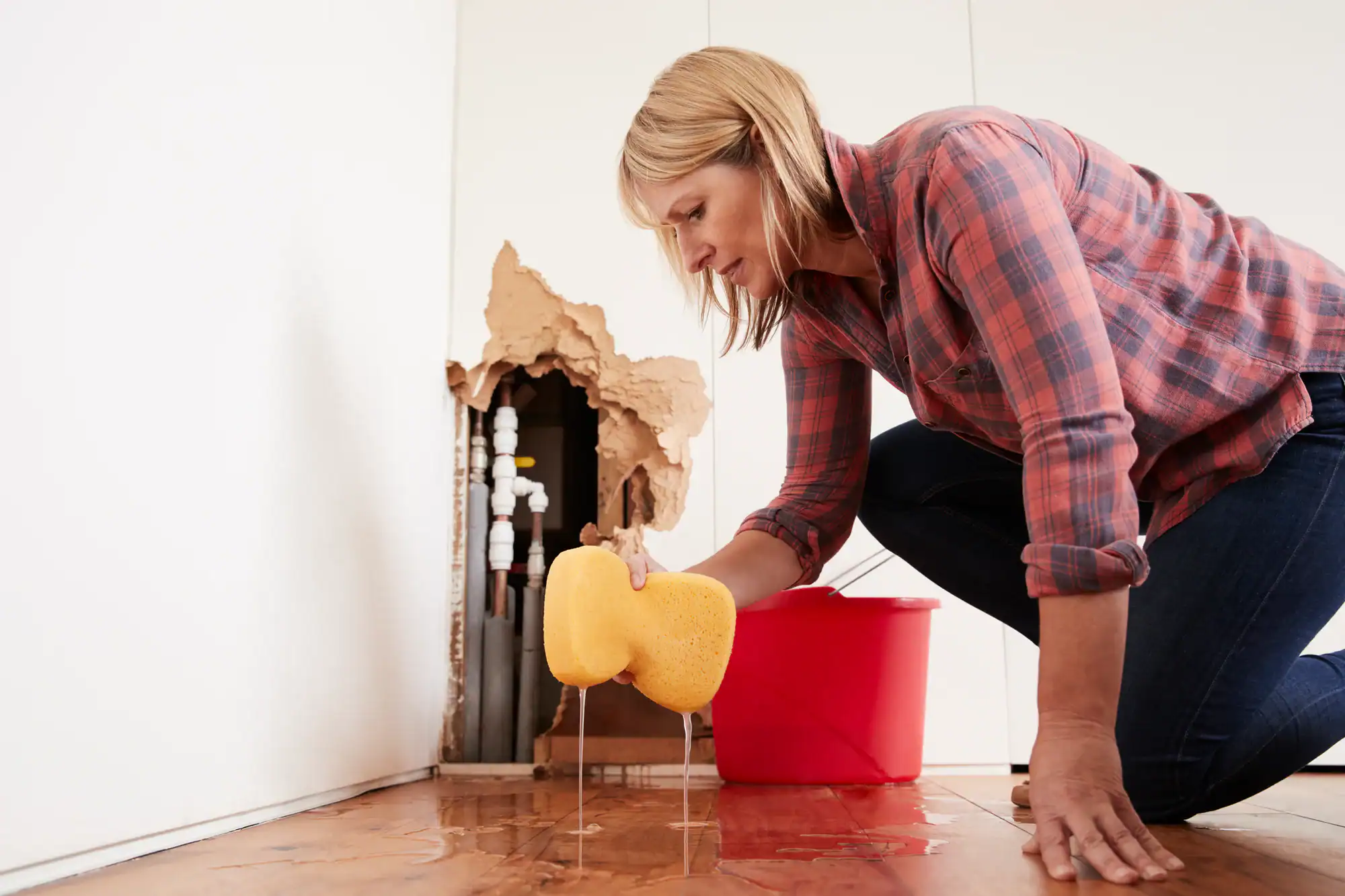
When water gets into a Hewlett home, the clock starts immediately. Green Island Group responds fast, dries it right, and handles the insurance so you don’t have to.
I needed a professional consultation explanation of procedure for safe removal of Asbestos in my apartment complex. Without having an account yet, I was very impressed with the caring, knowledgeable and generous advice offered by Jessica, and will look forward to doing business in the future. Thank you so much! I feel much more informed about a sometimes scary endeavor. Peace. Nancy Silva Mineola, NY.
Mia Munoz
Used this company to clean up some water flood in my house. They were fast and easy to work with.very professional, Would recommend to anyone!
Nini Valle
Great company, had a flood and they responded quickly and efficiently. Billed my insurance company directly. I highly recommend this company!
joe colapietro, jr
I had pipe freeze in my basement right before a snow storm and they made to within an hour to help start the clean up process. They we by our side throughout the entire process and even helped with the insurance company. They did such a great job with the cleanup, repair, remidiation, I contracted them to perform the repairs and finishes in the basement. They came with enough manpower and material to get the job done. Leo and Jessica were nothing but a pleasure to deal with!!
Cristian Arredondo c
I had some water damage in my home and Green Island was able to take care of my issue quickly and effectively. I am very pleased with the work they did. They responded quickly and were very professional.
Michael M
Outstanding service! From the office to the field crew everyone was friendly, helpful and responsive. I highly recommend Green Island Group.
There’s a difference between a home that looks dry and a home that is dry. In Hewlett’s older Cape Cods and ranch homes — most built in the 1950s and 60s — water doesn’t just sit on the surface. It moves into plaster walls, under hardwood floors, and into basement rim joists where no one thinks to look. By the time you notice something wrong, moisture has often been sitting for days.
That matters more in Hewlett than in a lot of other places. The South Shore’s coastal humidity means the conditions for mold growth arrive faster than in inland communities. Hewlett Harbor — just down the road — has documented flooding going back to the 1940s, and after Sandy, roughly one in three homes there took on water. If you live anywhere in the Five Towns, you already know this area doesn’t get a pass when storms roll through.
When the job is done right, you get documented moisture readings confirming your Hewlett home is actually dry — not just visually clear. You get a complete record for your insurance file. And you get the confidence that the walls you’re living inside aren’t quietly growing something you can’t see yet.
Based in the Five Towns, Not Dispatched from Somewhere Else
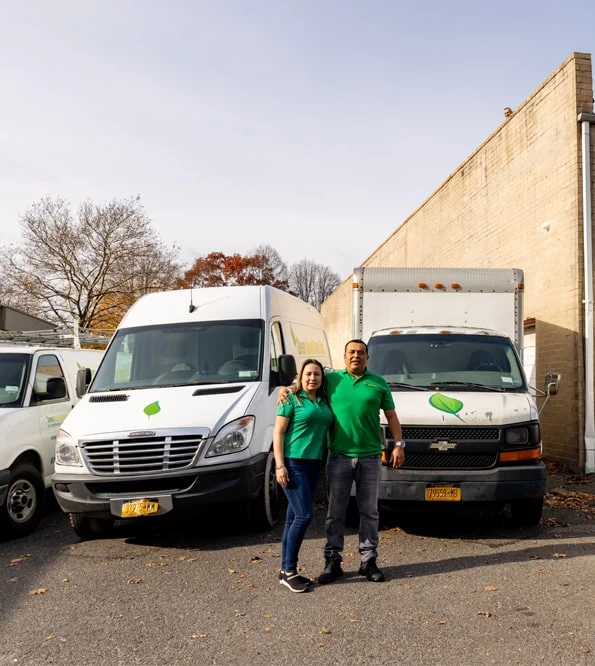
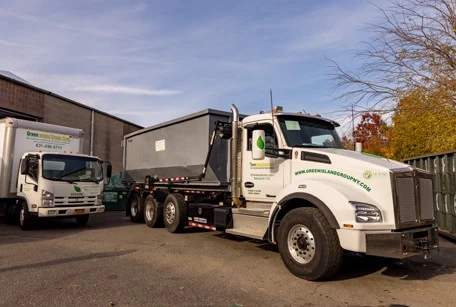
Green Island Group is a locally owned and operated Long Island restoration company. When you call, you reach people who are based here — not a national call center routing your job to whoever’s available in the region. The crew that shows up at your Hewlett door works for us directly. That’s not a small thing when your home is on the line.
The Five Towns market has a SERVPRO franchise specifically named for Woodmere and Hewlett Harbor. It’s a franchise — which means the brand is national and the accountability depends entirely on the local operator. We don’t work that way. Every job we take in Hewlett, in Woodmere, in Lawrence, in Cedarhurst — that’s our name on it. No corporate buffer.
We hold IICRC certification, carry the required New York State licenses for mold assessment and remediation, and document every job to the standard that Nassau County insurance adjusters actually accept. When you need someone who knows what storm surge does to a 1962 split-level off Peninsula Boulevard, that’s us.
The first thing that happens when you call is straightforward — we find out what you’re dealing with and get someone moving toward your Hewlett property. Water damage doesn’t improve with time, and in a coastal community like Hewlett where ambient humidity is already elevated, every hour matters. We don’t put you on a callback list. We treat it like the emergency it is.
When we arrive, we do a full assessment using thermal imaging cameras and calibrated moisture meters. This is where a lot of companies cut corners. What looks dry on the surface in a mid-century Hewlett home is often still holding moisture inside the wall cavity or beneath the subfloor. We map every affected area before we start — not just the obvious ones.
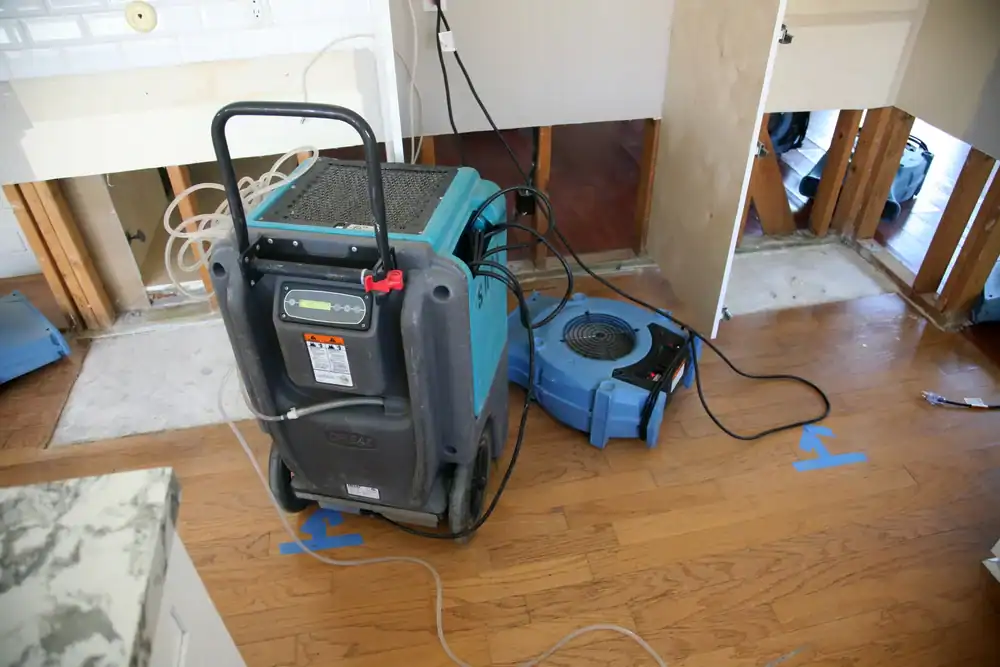
From there, we extract standing water, set industrial drying equipment, and monitor moisture levels daily until the readings confirm the structure is genuinely dry. If mold is present or at risk, we handle remediation under our New York State Department of Labor mold license — a legal requirement in NY that many operators skip. We also document everything in the format your insurance carrier needs, and we communicate directly with your adjuster throughout the process. By the time we close out the job, you have a paper trail that protects you — not just a dry floor.
Built for Hewlett's Homes and the Conditions That Come With Them
Water damage restoration in Hewlett isn’t one-size-fits-all. The homes here are older, the flood history is real, and the South Shore’s proximity to Jamaica Bay means storm-driven water intrusion is a recurring reality — not a freak occurrence. The service we deliver is built around those specifics.
Every job includes a full moisture assessment with thermal imaging, water extraction, structural drying, and final verification readings before we close out. For homes in Hewlett with documented flood exposure — particularly properties near Hewlett Harbor or in low-lying areas off Rockaway Turnpike — we pay close attention to subfloor systems, basement wall assemblies, and any area where water tends to pool and sit. These are the spots that cause problems six months later if they’re not addressed now.
Where mold is found or reasonably suspected, we perform remediation under our New York State-licensed mold program. This matters for two reasons: it’s legally required in NY, and it’s what your insurance company needs to see in the claim documentation. We also handle permit coordination with the Town of Hempstead where structural work is involved, and we manage the insurance documentation process from start to finish. Hewlett homeowners have enough to deal with after a water event — the paperwork shouldn’t be one more thing on your list.
How quickly can Green Island Group respond to water damage in Hewlett?
We operate 24 hours a day, seven days a week, and our crews are based on Long Island — not dispatched from a regional hub somewhere else. When you call after a storm or a burst pipe, you’re reaching people who can actually move. For most Hewlett locations, we’re on-site within a few hours of your call, depending on the time of day and current demand.
That response time matters more in Hewlett than in a lot of markets. Hewlett and the surrounding Five Towns communities sit on the South Shore, where storm events can affect dozens of homes simultaneously. After a major nor’easter or a tropical system, every restoration company in Nassau County is fielding calls at once. Because we’re locally based and not routing calls through a national dispatch system, we can prioritize and deploy more efficiently than franchise operations that depend on corporate scheduling infrastructure.
Does homeowners insurance cover water damage restoration in Hewlett, NY?
It depends on the source of the water. Most standard homeowners insurance policies in New York cover sudden and accidental water damage — a burst pipe, an appliance failure, a roof leak from storm wind. What they typically don’t cover is flooding from an external water source, which requires a separate flood insurance policy through NFIP or a private carrier.
This distinction is critical for Hewlett homeowners, especially those in or near Hewlett Harbor, which sits in a FEMA-designated flood zone. If your Hewlett home flooded during a storm surge event, the claim process and the coverage source are different than a standard water damage claim. We help you understand which policy applies, document the damage in the format each carrier requires, and communicate directly with your adjuster. We’ve worked through Nassau County insurance claims before — we know what adjusters look for and how to make sure the documentation holds up.
How fast does mold start growing after water damage in a Hewlett home?
Mold can begin developing within 24 to 48 hours of water intrusion under the right conditions — and in Hewlett, those conditions arrive faster than in drier, inland communities. The South Shore’s coastal proximity keeps ambient humidity levels elevated year-round, which means moisture trapped inside a wall cavity or under a floor reaches mold-growth thresholds more quickly than it would in a place like central Nassau County or Suffolk.
In older Hewlett homes — and most of Hewlett’s housing stock was built in the 1950s through 1970s — the construction materials also hold moisture differently than modern builds. Plaster walls, original wood subfloors, and older insulation absorb water and release it slowly, creating extended windows of mold risk even after surface drying is complete. This is why we use moisture meters and thermal imaging rather than relying on visual inspection alone. A home that looks dry on day three can still have elevated moisture readings inside the structure. We don’t close out a job until the instruments confirm it’s actually dry.
What should I do immediately after my basement floods in Hewlett?
The first thing is safety — don’t enter a flooded basement if there’s any chance the electrical system has been compromised. If water is near outlets, panels, or appliances, shut off power at the breaker before going in, or wait for someone who can assess it safely. Once it’s safe to enter, document everything with photos and video before you move or discard anything. Your insurance claim depends on that documentation.
After that, call a restoration company as quickly as possible. The longer water sits, the more it migrates into structural materials and the closer you get to the mold window. In Hewlett’s older homes, basement walls are often original concrete block or poured concrete with decades-old waterproofing — they absorb water readily and don’t release it on their own. Running a consumer dehumidifier helps at the margins, but it won’t dry out a wall assembly or a subfloor system. That requires commercial-grade drying equipment placed strategically based on moisture mapping — which is what we do on arrival.
Is mold remediation after water damage legally regulated in New York?
Yes, and it’s something a lot of homeowners in Nassau County don’t know until they’re already in the middle of a claim. New York State’s Mold Law, which went into effect in 2016, requires separate licensing for mold assessment and mold remediation. These are two distinct licenses issued by the New York State Department of Labor, and a contractor cannot legally perform mold remediation in New York without holding the appropriate one.
This matters practically for a few reasons. First, if an unlicensed operator performs mold work on your home and your insurance company finds out, it can complicate or void the remediation portion of your claim. Second, if you sell your home and a buyer’s inspector finds evidence of prior mold work, documentation of licensed remediation is what protects you. In a community like Hewlett — where homes are high-value assets and the Five Towns real estate market is closely watched — that paper trail has real financial weight. We hold the required New York State mold licenses. We document every remediation job accordingly.
How do Hewlett's older homes affect the cost and scope of water damage restoration?
Significantly, in some cases. Homes built in the 1950s and 60s — which make up a large portion of Hewlett’s residential stock — were constructed with materials and methods that respond to water damage differently than modern construction. Plaster walls absorb and hold moisture more stubbornly than drywall. Original hardwood floors can cup and buckle in ways that require careful drying protocols to salvage. Older basement waterproofing systems have often degraded entirely, meaning water intrusion affects the full wall assembly rather than just the surface.
None of this makes restoration impossible — it just means the process has to account for what’s actually there. A crew that walks into a 1962 Cape Cod in Hewlett and treats it like a 2005 construction in Merrick is going to miss things. We assess the specific materials and construction in your home before we set equipment, because the drying approach that works in one structure doesn’t automatically work in another. Scope and cost vary by job, but we walk through the assessment findings with you before any work begins so there are no surprises.