When the Basement Floods Off the Expressway, Hours Matter
Homes in Horace Harding don’t drain like newer construction and when water gets in, it moves fast. We respond immediately, stop the damage, and handle the cleanup from start to finish.
I needed a professional consultation explanation of procedure for safe removal of Asbestos in my apartment complex. Without having an account yet, I was very impressed with the caring, knowledgeable and generous advice offered by Jessica, and will look forward to doing business in the future. Thank you so much! I feel much more informed about a sometimes scary endeavor. Peace. Nancy Silva Mineola, NY.
Mia Munoz
Used this company to clean up some water flood in my house. They were fast and easy to work with.very professional, Would recommend to anyone!
Nini Valle
Great company, had a flood and they responded quickly and efficiently. Billed my insurance company directly. I highly recommend this company!
joe colapietro, jr
I had pipe freeze in my basement right before a snow storm and they made to within an hour to help start the clean up process. They we by our side throughout the entire process and even helped with the insurance company. They did such a great job with the cleanup, repair, remidiation, I contracted them to perform the repairs and finishes in the basement. They came with enough manpower and material to get the job done. Leo and Jessica were nothing but a pleasure to deal with!!
Cristian Arredondo c
I had some water damage in my home and Green Island was able to take care of my issue quickly and effectively. I am very pleased with the work they did. They responded quickly and were very professional.
Michael M
Outstanding service! From the office to the field crew everyone was friendly, helpful and responsive. I highly recommend Green Island Group.
The moment water enters your home, a clock starts and it’s not forgiving. Mold can begin colonizing wet drywall within 24 to 72 hours. In Horace Harding, where most homes were built in the 1950s or 60s, that means older plaster walls, cast iron drain lines, and below-grade spaces that hold moisture longer than modern construction ever would. The longer you wait, the deeper the problem goes.
What you’re really after isn’t just dry floors. It’s knowing the walls behind the drywall aren’t quietly growing mold. It’s knowing your subfloor isn’t warping under the surface. It’s knowing your insurance claim is documented properly so you’re not left fighting an adjuster weeks from now. That’s what a real restoration looks like not just extraction, but a property that’s genuinely back to where it was before any of this happened.
For homeowners in Fresh Meadows, Queensboro Hill, and the neighborhoods running east from Rego Park, water damage almost always starts below grade. Basement apartments, below-grade storage rooms, and older foundation walls without modern waterproofing membranes are the first places water finds its way in. Getting ahead of that quickly, thoroughly, with the right equipment is what makes the difference between a cleanup and a rebuild.
Water Restoration Companies Serving Horace Harding
Based in Queens, Built for Horace Harding's Aging Housing Stock
We’re a Queens-based restoration contractor not a franchise routed through a national call center, not a company that shows up with generic protocols built for somewhere else. When you call, you’re reaching a team that already knows the difference between how a Fresh Meadows two-family drains and how a garden apartment complex near Kissena Boulevard handles a roof leak. That local familiarity isn’t a marketing line. It changes how fast we respond and how accurately we assess what needs to happen.
The Horace Harding corridor has its own set of challenges aging infrastructure, combined sewers that back up during heavy rain, and a housing stock that predates modern waterproofing standards by decades. We’ve worked in these buildings. We understand what we’re walking into before we even arrive.
Homeowners and property managers across Queens have trusted Green Island Group with water damage, mold remediation, and full property restoration. The reviews reflect it fast response, clear communication, and work that actually holds up.
No Guesswork Here's Exactly What Happens After You Call
The first thing we do is get to your property fast. Water damage doesn’t pause while you wait for a callback, and in a dense residential corridor like Horace Harding, where one unit’s flooding can affect the unit next door or the apartment below, time directly affects how far the damage spreads. We operate 24 hours a day, seven days a week, because that’s when these situations actually happen.
Once we’re on-site, we do a full damage assessment before anything else. We’re looking at where the water entered, how far it’s traveled through the structure, what materials are affected, and whether there are secondary concerns like disturbed insulation or pipe wrap in older buildings that may contain asbestos, which is a real consideration in pre-1970 Horace Harding construction. Nothing gets skipped over in the rush to start extracting.
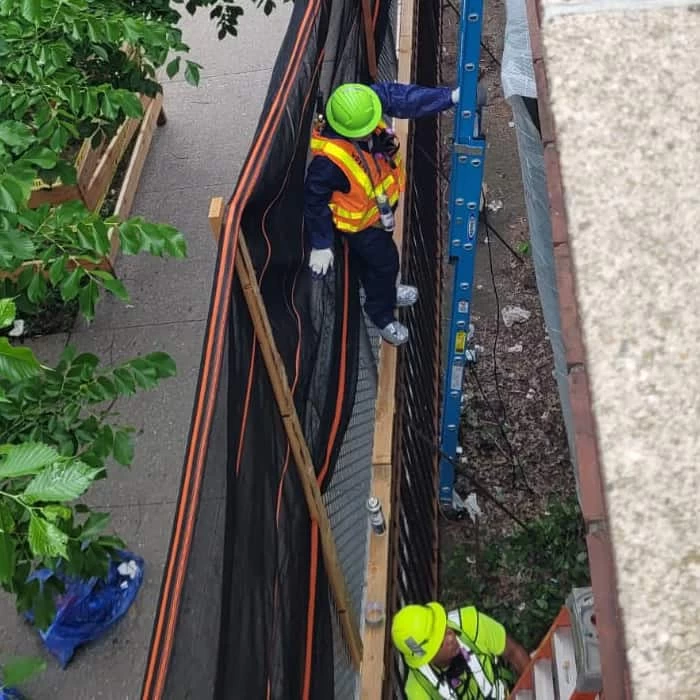
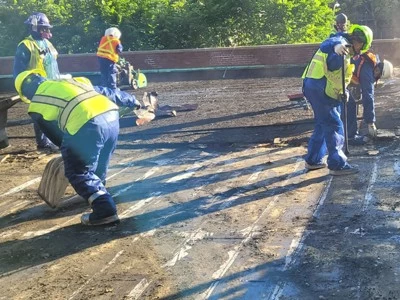
From there, we move into water extraction, structural drying, and dehumidification. Industrial equipment runs until moisture readings confirm the structure is genuinely dry not surface dry, structurally dry. After that, we handle mold remediation if needed, debris removal, and finish repairs to bring the property back to its pre-loss condition. We also provide complete written documentation throughout damage assessments, moisture readings, and photo records because your insurance claim depends on that paper trail being clean and thorough.
Water Damage Restoration Services in Horace Harding, NY
Built for Older Horace Harding Homes, Not Generic Restoration Checklists
The Horace Harding corridor isn’t new construction territory. The homes here were built between 1940 and 1969 which means the walls, floors, and mechanical systems respond to water damage differently than a 2010-era townhouse in a newer development would. Our restoration process is built around that reality, not around a one-size-fits-all protocol that ignores it.
Water extraction and structural drying are the foundation of what we do, but the scope goes further than that. Mold remediation in New York State is governed by specific licensing requirements under NYS Labor Law Article 32 any project over 10 square feet requires a licensed contractor. We operate within that framework, which protects you from liability down the line, especially if you’re a landlord managing a multi-family property in Fresh Meadows, Corona, or anywhere else along the corridor. We handle the regulatory side so you don’t have to figure it out mid-crisis.
For below-grade spaces basement apartments, storage rooms, utility areas we bring equipment and protocols specifically suited to confined, low-ventilation environments where moisture lingers longest. Content salvage, odor removal, and debris clearance are part of the process when the situation calls for it. And because many water damage events in this area are tied to sewer backup or stormwater overflow, we document the source and the damage pathway clearly which matters significantly when your insurance adjuster is reviewing the claim.
How quickly does mold actually start growing after a basement floods in Horace Harding?
Mold can begin colonizing wet materials within 24 to 72 hours and in Horace Harding’s humid summer conditions, that window can be even shorter. When you factor in the older housing stock along the corridor plaster walls, wood subfloors, below-grade spaces with limited airflow the conditions for rapid mold growth are almost always present after a flooding event.
The key variable is how quickly the drying process begins. If water extraction and dehumidification start within the first few hours, mold growth can be stopped before it takes hold. If the space sits wet for a day or two which happens when homeowners try to manage it themselves or wait for a contractor with a long queue you’re often looking at remediation on top of restoration, which adds cost and time. Speed of response is the single biggest factor in keeping a manageable water damage event from becoming a mold problem.
Will my homeowner's insurance cover water damage restoration in Horace Harding, NY?
It depends on the source of the water, and that distinction matters more than most homeowners realize. Standard homeowner’s insurance policies in New York typically cover sudden and accidental water damage a burst pipe, a washing machine overflow, a roof leak from storm damage. What they generally don’t cover is flooding from an external source, like stormwater backup through a municipal sewer, which is a common cause of basement flooding in Horace Harding during heavy rain events.
If your damage is from sewer backup or surface flooding, you’d typically need a separate flood insurance policy either through FEMA’s National Flood Insurance Program or a private carrier. The good news is that proper documentation of the damage source and the remediation process significantly strengthens any claim you file. We provide written damage assessments, moisture readings, and photo documentation that support your claim and reduce the chances of a dispute with your adjuster.
What makes water damage in older Horace Harding homes more complicated to restore?
The age of the housing stock along the Horace Harding corridor introduces complications that newer construction simply doesn’t have. Homes built between 1940 and 1969 which is the dominant era of construction in Fresh Meadows, Queensboro Hill, and the surrounding neighborhoods often have cast iron or galvanized steel plumbing that’s been in place for 60 to 80 years. These systems are more prone to corrosion, pinhole leaks, and sudden failures, and when they go, the water tends to travel further before anyone notices.
There’s also the asbestos consideration. Insulation, floor tiles, and pipe wrap in pre-1970 construction frequently contain asbestos-containing materials. A water damage event that disturbs those materials requires a contractor who knows how to identify the risk and handle it properly not just someone focused on getting the water out as fast as possible. We assess for these hazards as part of our initial walkthrough, so nothing gets missed in the urgency of the situation.
How do I know if my property has hidden moisture damage after a flood?
Surface drying is not the same as structural drying, and this is one of the most common misunderstandings homeowners have after a flooding event. You can run fans, pull up wet carpet, and have floors that feel dry to the touch and still have moisture trapped inside wall cavities, under subfloors, and behind baseboards where it will quietly drive mold growth for weeks.
The only reliable way to know is with professional moisture detection equipment thermal imaging cameras and calibrated moisture meters that read conditions inside the structure, not just on the surface. When we complete a restoration, we don’t sign off until moisture readings confirm the structure is genuinely dry at depth. For the older homes along the Horace Harding corridor where walls are thicker, materials are denser, and below-grade spaces retain humidity longer this step isn’t optional. It’s what separates a real restoration from one that looks finished but isn’t.
Can water damage in one unit of a Horace Harding multi-family home affect neighboring units?
Yes and this is a particularly important issue in the attached homes, two-family houses, and garden apartment buildings that define so much of the Horace Harding corridor. Water doesn’t respect property lines. In an attached row house or a multi-unit building, water that enters one unit through a shared wall, ceiling, or floor assembly can travel laterally or vertically into adjacent spaces within hours.
This is why the initial assessment matters so much. When we respond to a water damage call in a multi-unit property, we’re not just looking at the affected unit we’re evaluating the adjacent spaces and the shared structural elements to understand how far the moisture has traveled. In a building where one basement apartment floods during a heavy rain event, the adjacent unit’s shared wall may already be saturated by the time anyone calls. Catching that early prevents a single-unit problem from becoming a building-wide remediation project.
Is water damage restoration in Horace Harding more expensive than in other parts of Queens?
Restoration costs in the Horace Harding area are generally in line with the broader Queens market, but the age and type of construction here can affect the scope and therefore the cost of a given project. A below-grade basement apartment in a 1950s Horace Harding home may require more drying time, more equipment, and more careful material handling than a finished basement in newer construction elsewhere. That’s not a price markup it’s a reflection of what the job actually involves.
For most water damage events, the realistic range for professional extraction, structural drying, and basic remediation in the Queens market runs from a few hundred dollars for a contained, minor event to several thousand for a significant basement flood or multi-room loss. The more important number is what delayed or incomplete restoration costs mold remediation, structural repairs, and insurance complications that result from cutting corners early almost always exceed the cost of doing it right the first time. We give you a clear assessment upfront so you know what you’re looking at before any work begins.