Water Damage Restoration in Huntington Station, NY
Huntington Station's Older Homes Don't Leave Room for Slow Responses
When water gets into a 1960s Cape Cod with clay soil underneath it, the clock moves fast. We provide water damage restoration in Huntington Station, NY 24/7, with the credentials to handle whatever’s behind your walls.
I needed a professional consultation explanation of procedure for safe removal of Asbestos in my apartment complex. Without having an account yet, I was very impressed with the caring, knowledgeable and generous advice offered by Jessica, and will look forward to doing business in the future. Thank you so much! I feel much more informed about a sometimes scary endeavor. Peace. Nancy Silva Mineola, NY.
Mia Munoz
Used this company to clean up some water flood in my house. They were fast and easy to work with.very professional, Would recommend to anyone!
Nini Valle
Great company, had a flood and they responded quickly and efficiently. Billed my insurance company directly. I highly recommend this company!
joe colapietro, jr
I had pipe freeze in my basement right before a snow storm and they made to within an hour to help start the clean up process. They we by our side throughout the entire process and even helped with the insurance company. They did such a great job with the cleanup, repair, remidiation, I contracted them to perform the repairs and finishes in the basement. They came with enough manpower and material to get the job done. Leo and Jessica were nothing but a pleasure to deal with!!
Cristian Arredondo c
I had some water damage in my home and Green Island was able to take care of my issue quickly and effectively. I am very pleased with the work they did. They responded quickly and were very professional.
Michael M
Outstanding service! From the office to the field crew everyone was friendly, helpful and responsive. I highly recommend Green Island Group.
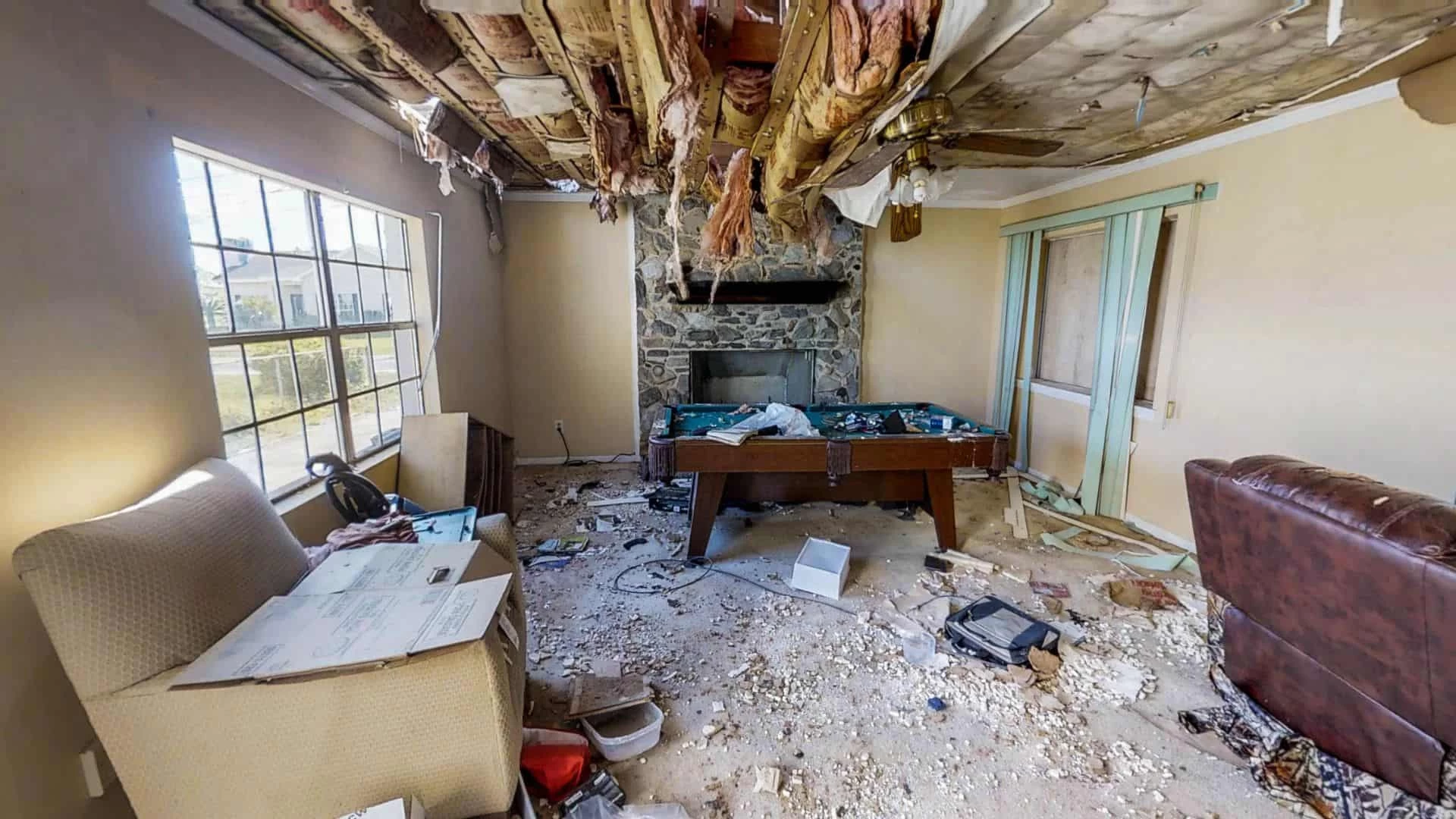
Most homeowners don’t realize how much hidden moisture stays behind after a water event. The floor looks dry. The walls feel fine. But inside the framing, behind the drywall, and underneath the subfloor especially in homes built in the 1950s and 1960s water is still sitting. Within 24 to 48 hours, mold starts. That’s the IICRC standard that every certified restoration company works from.
What changes after a proper water damage restoration job isn’t just that your basement is dry. It’s that your home’s structure is actually safe again. No hidden moisture feeding mold colonies. No saturated insulation slowly breaking down behind finished walls. No guessing whether the damage is done or just getting started.
In Huntington Station specifically, this matters more than in many other communities. The clay-heavy soils throughout this part of Suffolk County don’t drain the way sandy South Shore soils do. After a heavy rain or a plumbing failure, that moisture pushes against your foundation and stays there. Older pipe systems in pre-1978 homes are more prone to slow leaks and sudden failures. And homes with cesspools which is most of Huntington Station face a different category of contamination risk entirely when a backup occurs. Getting the job done right here means accounting for all of that, not just pulling water off the floor.
Water Restoration Companies Serving Huntington Station
Local Knowledge Doesn't Come From a Franchise Manual
We’re a Long Island-based environmental and property restoration company not a franchise, not a call center, not a subcontractor dispatched from three counties away. When you call, you’re reaching a local team that works in Suffolk County every day and knows the conditions in Huntington Station, Dix Hills, Melville, and the surrounding areas.
That local experience shows up in real ways. We know that a home near the Route 110 corridor built in 1962 is likely to have cast iron drain lines and possibly asbestos-containing floor tiles. We know what clay soil does to a foundation after a nor’easter. We know the difference between a basement that flooded once and a foundation that’s been taking on water for years and we know how to tell which one you’re dealing with before we quote you anything.
Our team handles water damage, mold remediation, asbestos abatement, lead paint removal, fire and smoke restoration, and sewage cleanup all in-house. That’s not a list of upsells. It’s the reality of what water damage in an older Huntington Station home often uncovers, and it’s why having one company that can handle all of it matters.
Water Restoration Process in Huntington Station, NY
No Guesswork Here's Exactly What the Job Looks Like
It starts with an assessment. Before anything gets extracted or dried, we use thermal imaging cameras and professional moisture meters to map where the water actually went not just where it’s visible. In Huntington Station’s older housing stock, water travels. It gets into wall cavities, under hardwood floors, into the bottom plates of framed walls. Finding it all before we start means we’re not missing anything that comes back to cause problems later.
Once we know the full picture, extraction comes first. Industrial pumps and wet vacuums pull standing water out fast. Then the drying phase begins commercial-grade air movers and dehumidifiers running continuously, typically for several days, until moisture readings in every affected material come down to safe levels. We don’t call a job done because the floor looks dry. We call it done when the instruments confirm it.
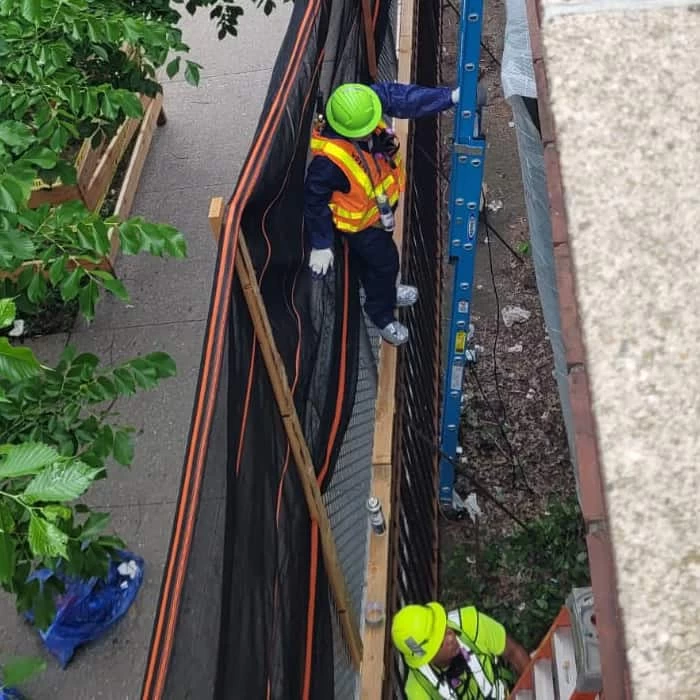
If the assessment turns up mold which in Huntington Station’s older homes is more common than most people expect we handle remediation in the same process, not as a separate job weeks later. If the water damage disturbed asbestos-containing materials, which is a real possibility in homes built before 1980, we’re licensed to handle that too under New York State Department of Labor requirements. And once the structure is clean and dry, we restore: drywall, flooring, paint back to the condition your home was in before any of this happened.
Water Damage Restoration Service in Huntington Station
What's Actually Included When You Call Green Island Group
Water damage restoration isn’t one thing. It’s a sequence of connected steps, and the quality of each one affects what comes next. Our water damage restoration service covers the full sequence: emergency response, water extraction, structural drying, moisture verification, mold testing and remediation if needed, and complete property restoration including drywall, flooring, and finishes.
For Huntington Station homeowners, a few things are worth knowing upfront. If your home was built before 1978 which describes a large share of the housing stock in the 11746 ZIP code there’s a real possibility that water damage has disturbed lead paint or asbestos-containing materials. That’s not something a water-only contractor can legally or safely handle. We’re licensed for asbestos abatement under New York State requirements and certified for lead-safe work practices under the EPA’s RRP Rule. You won’t hit a wall mid-job because something unexpected turned up.
We also work directly with homeowners’ insurance carriers. We document the damage, communicate with adjusters, and handle direct billing so you’re not managing that process while also managing a disrupted home. The average water damage insurance claim runs between $11,000 and $13,000 nationally and in a community where median home values sit around $578,000, making sure that claim is handled correctly is worth paying attention to. We’ve done this enough times to know what adjusters need and how to make sure nothing gets missed.
How quickly does mold start growing after water damage in my home?
Mold can begin colonizing within 24 to 48 hours of a water event and that timeline doesn’t pause for weekends or holidays. This is the standard established by the IICRC, the certification body that governs professional water damage restoration, and it’s the reason emergency response time matters as much as it does.
In Huntington Station, that window is especially tight because of the housing stock. Homes built in the 1950s and 1960s have more organic materials real wood framing, older drywall, plaster that mold feeds on faster than modern construction materials. They also tend to have less effective vapor barriers and more hidden cavities where moisture sits undetected. If you had a pipe burst, an appliance failure, or basement flooding from one of the heavy rain events that have repeatedly hit the Town of Huntington in recent years, the priority is getting professional drying equipment in place before that 48-hour window closes. If mold is already present by the time we arrive, we handle remediation as part of the same job you don’t need to find a separate contractor.
Does homeowners insurance cover water damage restoration in Huntington Station, NY?
It depends on the cause of the damage, and the distinction matters a lot. Most standard homeowners insurance policies in New York cover sudden and accidental water damage a burst pipe, a washing machine overflow, an appliance failure but they typically do not cover damage from gradual leaks, poor maintenance, or groundwater flooding from outside the home. Flood damage from storm surge or rising groundwater generally requires a separate flood insurance policy through the National Flood Insurance Program.
For Huntington Station homeowners, this is a nuance worth understanding before you file a claim. The clay soil drainage issues and groundwater elevation in this part of Suffolk County mean that some basement flooding events may be classified as groundwater intrusion rather than a covered internal failure and how the claim is documented can affect how it’s categorized. We handle the documentation and adjuster communication process directly, which means we know how to capture what happened accurately and present it in a way that supports your claim. We’ve worked with enough insurance companies to know what they’re looking for and how to make sure the scope of damage is fully represented.
My home was built in the 1960s does that affect the water damage restoration process?
Yes, and it’s one of the more important things to understand before any work begins. Homes built before 1978 which is the majority of the housing stock in Huntington Station may contain asbestos-containing materials and lead-based paint. When water damage occurs, it often disturbs these materials: saturated floor tiles, wet drywall with lead paint, damaged pipe insulation. A contractor who isn’t licensed to handle these hazards is legally required to stop work when they encounter them, which can leave your home in a partially remediated state while you search for someone else.
We’re licensed for asbestos abatement under New York State Department of Labor requirements and certified for lead-safe work practices under the EPA’s Renovation, Repair and Painting Rule. Before any demolition or material removal begins in an older home, we assess for these hazards as part of the job not as a surprise add-on. For Huntington Station homeowners with pre-1978 construction, this integrated capability is the practical difference between a job that gets completed and one that stalls.
Why does my basement keep flooding even after it's been cleaned up?
This is one of the most common frustrations we hear from homeowners in Huntington Station and the surrounding North Shore communities. The answer usually comes down to soil and drainage. The clay-heavy soils throughout this part of Suffolk County are expansive they swell when saturated and contract when dry, which puts constant stress on basement walls and creates cracks and gaps over time. Unlike the sandy soils on the South Shore that drain relatively quickly, clay holds moisture against your foundation for days or weeks after a rain event. That means the water pressure against your basement walls is sustained, not temporary.
Cleaning up the water after a flooding event addresses the immediate damage, but it doesn’t change the underlying drainage dynamic. Recurring basement flooding in Huntington Station typically points to a foundation drainage issue, a failed or undersized sump pump, or cracks in the foundation wall that need to be addressed separately. Our assessment process includes identifying whether what you’re dealing with is a one-time event or a pattern and we’ll tell you honestly what we found and what it means for your home going forward, even if the long-term fix is outside the scope of what we do.
How long does the water damage restoration process typically take?
The drying phase alone typically takes three to five days, sometimes longer depending on the extent of the saturation and the materials involved. Structural drying isn’t something you can rush commercial air movers and dehumidifiers need time to pull moisture out of wall cavities, subfloors, and framing, and the job isn’t complete until moisture meter readings in every affected area come down to safe levels. Declaring a job done before that happens is how hidden mold problems get created.
For Huntington Station homes, the timeline can run on the longer end of that range for a few reasons. Older construction materials plaster walls, solid wood framing, original hardwood floors absorb and release moisture more slowly than modern materials. If the damage occurred during a period of high humidity, which is common during Long Island summers, the ambient conditions work against the drying equipment and extend the timeline. And if the assessment turns up mold or hazardous materials that need to be addressed before restoration can begin, that adds additional steps. We give you a realistic timeline at the start based on what we actually find not a number designed to get you to sign off quickly.
What should I do in the first hour after discovering water damage in my home?
The most important thing you can do in the first hour is stop the source if you can and call a restoration company immediately. If it’s a burst pipe, shut off the main water supply the shutoff is typically near your water meter or in the basement. If it’s an appliance failure, unplug or shut off the appliance. If it’s sewage backup, don’t touch the water Category 3 contamination from a cesspool or drain backup requires full biohazard protocols, and direct contact is a health risk.
What you should not do is wait to see if it dries on its own, run a consumer dehumidifier and assume that’s enough, or start pulling up flooring and drywall without knowing what’s underneath. In a pre-1978 Huntington Station home, disturbing saturated building materials without testing for asbestos or lead first creates a regulatory problem on top of a water problem. Document the damage with photos before anything is moved or cleaned up your insurance company will need that record. Then call us. We’re available 24 hours a day, and the sooner professional drying equipment is in place, the smaller the gap between what this costs now and what it could cost if the mold clock runs out.