Inwood sits right at the edge of tidal water — and when storms push Jamaica Bay into your basement, waiting on a national call center isn’t an option. We’re a local Long Island water damage restoration team that shows up fast, handles your insurance, and gets your home dry before mold has a chance to settle in.
I needed a professional consultation explanation of procedure for safe removal of Asbestos in my apartment complex. Without having an account yet, I was very impressed with the caring, knowledgeable and generous advice offered by Jessica, and will look forward to doing business in the future. Thank you so much! I feel much more informed about a sometimes scary endeavor. Peace. Nancy Silva Mineola, NY.
Mia Munoz
Used this company to clean up some water flood in my house. They were fast and easy to work with.very professional, Would recommend to anyone!
Nini Valle
Great company, had a flood and they responded quickly and efficiently. Billed my insurance company directly. I highly recommend this company!
joe colapietro, jr
I had pipe freeze in my basement right before a snow storm and they made to within an hour to help start the clean up process. They we by our side throughout the entire process and even helped with the insurance company. They did such a great job with the cleanup, repair, remidiation, I contracted them to perform the repairs and finishes in the basement. They came with enough manpower and material to get the job done. Leo and Jessica were nothing but a pleasure to deal with!!
Cristian Arredondo c
I had some water damage in my home and Green Island was able to take care of my issue quickly and effectively. I am very pleased with the work they did. They responded quickly and were very professional.
Michael M
Outstanding service! From the office to the field crew everyone was friendly, helpful and responsive. I highly recommend Green Island Group.
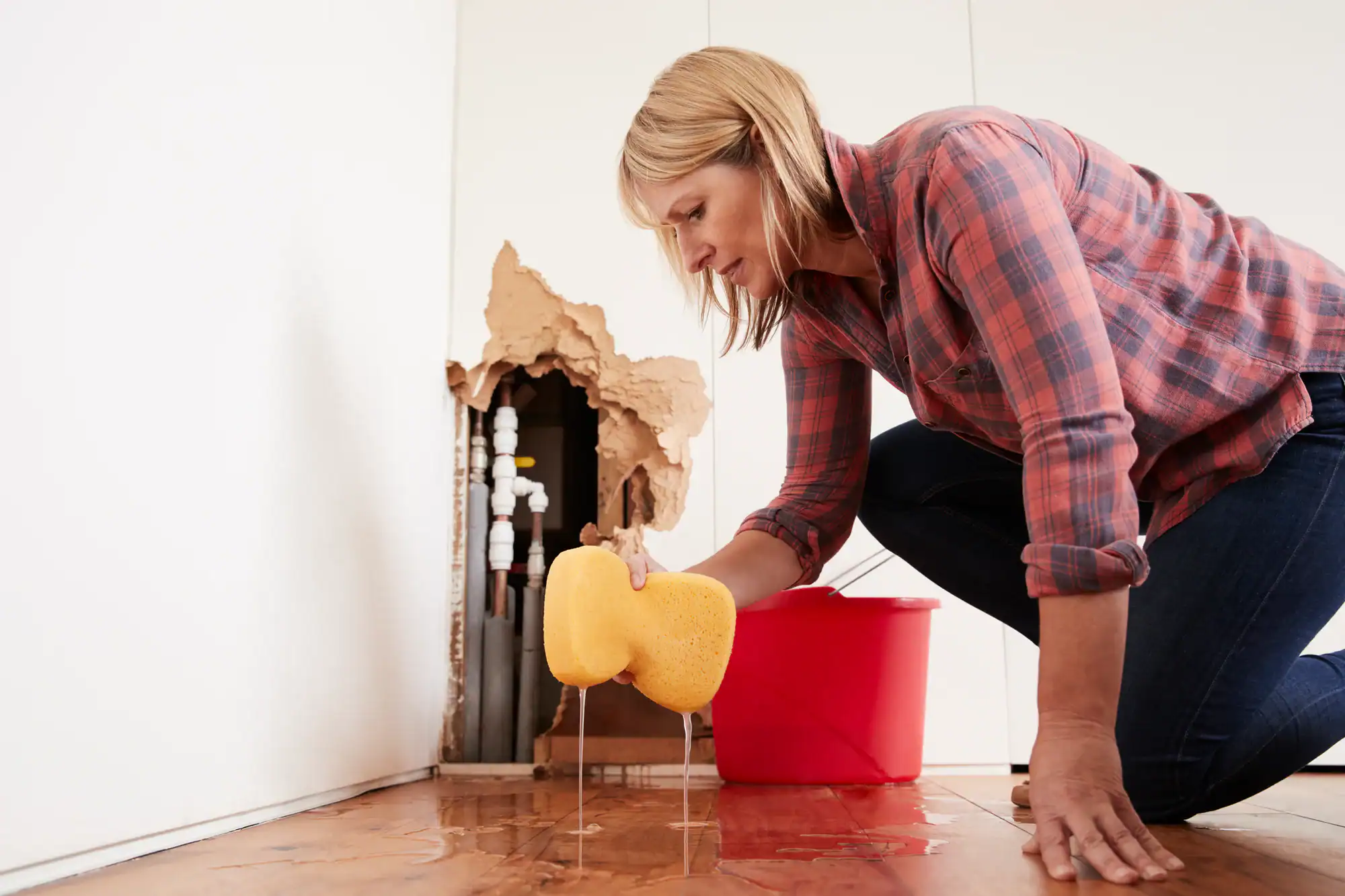
Water damage in Inwood isn’t just about the water you can see. It’s what soaks into the walls of a house built in the 1940s, wicks under original hardwood floors, and hides inside crawl spaces that were never designed with flood mitigation in mind. When the visible water is gone but the moisture isn’t, that’s where the real damage starts — and that’s exactly where most homeowners get burned.
Mold can begin growing within 24 to 48 hours of water intrusion. This is an EPA-documented fact that matters especially here in Inwood, where older housing stock and tidal flood exposure create conditions that accelerate the problem. Pre-war homes throughout this neighborhood lack the modern waterproofing and vapor barriers that newer construction has. That means moisture doesn’t just sit on the surface — it moves deep into the structure fast.
When the job is done right, you’re not just dry — you’re protected. Moisture readings confirm the structure is safe. Your insurance documentation is complete. And the home your family lives in is genuinely restored, not just wiped down and handed back.
We’re a Long Island–based water damage restoration company serving Nassau County homeowners — including Inwood and the Five Towns communities that sit right along Jamaica Bay. We’re not a franchise. There’s no national routing system between you and the crew that shows up at your door. When you call, you reach a real team that already knows this area, knows these neighborhoods, and knows what bay-side flooding does to homes like yours.
Inwood’s location — tucked between Motts Basin, Jamaica Bay, and the Queens border — creates a flood profile that’s different from anywhere else on Long Island. Storm surge behaves differently here than it does ten miles inland. We’ve worked in these communities long enough to know that, and it changes how we assess damage and approach drying.
We hold all required New York State licenses, including for mold remediation under the NY Mold Law, and our technicians are IICRC certified. That matters when your insurance adjuster is reviewing the claim.
What Happens From Your First Call to Final Clearance
The first call triggers a same-day response. A crew is dispatched — not scheduled for next week, not routed through a corporate system. When water is actively in your home, that turnaround matters more than anything else on paper.
When we arrive, the first step is a full assessment using thermal imaging cameras. This is how we find moisture inside wall cavities, under flooring, and behind tile that a visual inspection would completely miss. In Inwood’s older homes — many of which have original plaster walls and aging subfloor materials — moisture travels in ways that newer construction doesn’t. The thermal scan tells us exactly where the drying equipment needs to go, not just where the water is visible.
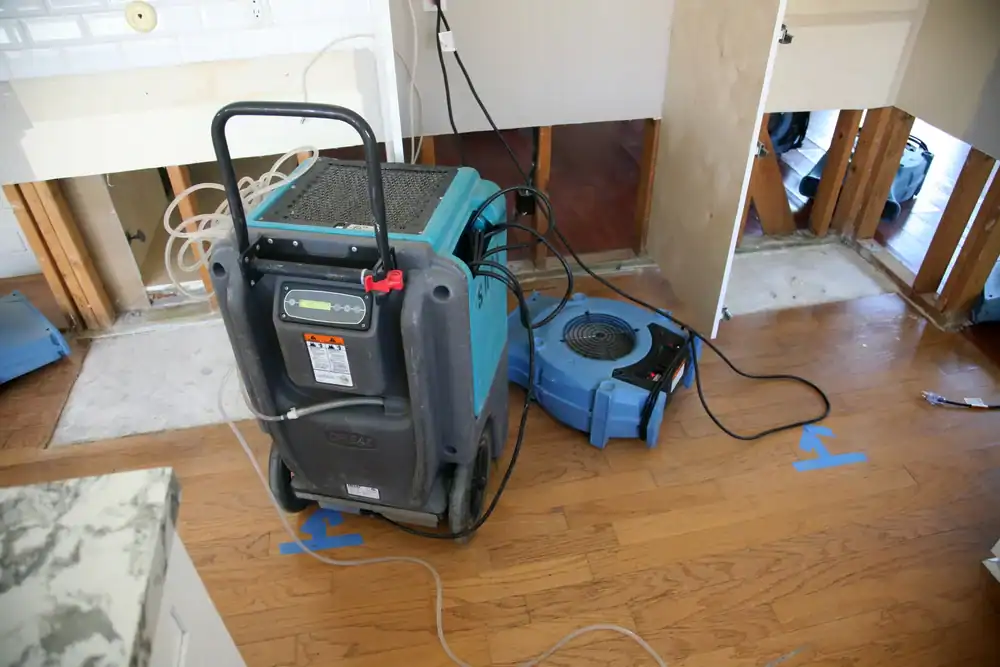
From there, we set up industrial extraction and drying equipment and monitor it over the course of the job. Moisture readings are logged at every stage — not because it’s a formality, but because that documentation is what your insurance company needs to process your claim fully. Once readings confirm the structure has returned to safe moisture levels, we remove the equipment and complete a final walkthrough. You’ll know exactly what we did, what we found, and what your home looks like now — not just what it looked like when we walked in.
Coverage That Matches What Inwood Homes Actually Face
Our water damage restoration service covers the full scope — water extraction, structural drying, moisture mapping, mold assessment, and the documentation your insurance carrier requires. For homeowners in the 11096 zip code, that scope matters because the risks are layered. You might be dealing with storm surge from Jamaica Bay, a burst pipe in a home that hasn’t had its plumbing updated in decades, or moisture that’s been building behind a wall since the last time it rained hard enough to overwhelm the drainage on your street.
New York State’s Mold Law requires that mold assessment and remediation be performed by separately licensed professionals. That’s not optional — and it’s not something every company operating in Inwood and the Five Towns area after a flood event actually complies with. Unlicensed mold work can void your insurance claim or create real legal exposure if you’re a landlord with tenants in the property. We carry the required state licenses, which means the work holds up when your adjuster reviews it.
We also handle the insurance process directly — communicating with your carrier, submitting documentation, and making sure the scope of damage is accurately represented. For homeowners who went through Sandy claims and know how complicated that process gets, this isn’t a minor convenience. It’s often the difference between a fair settlement and a fight.
How fast does mold actually grow after flooding in an Inwood home?
Mold can begin colonizing inside wall cavities and under flooring within 24 to 48 hours of water intrusion — and in a home built before World War II, that timeline can move even faster. Older construction materials like original plaster, wood lath, and untreated subfloor absorb moisture quickly and hold it longer than modern materials do. By the time you can smell mold, it’s already been growing for days.
In Inwood specifically, the risk is compounded by the fact that many homes sit at or near sea level along Jamaica Bay and Motts Basin. When tidal flooding or storm surge pushes water into a basement, it often carries sediment and organic material that accelerates mold growth. The 24 to 48 hour window is not a worst-case scenario here — it’s the realistic baseline. Professional drying equipment and moisture mapping are the only reliable way to stop the process before it becomes a remediation project.
Will my homeowners insurance cover water damage from a storm or flood in Inwood?
It depends on the source of the water, and this distinction matters a lot for homeowners near Jamaica Bay. Standard homeowners insurance typically covers sudden and accidental water damage — a burst pipe, an appliance failure, or rain that enters through a damaged roof. It does not cover flooding from an external water source, which includes storm surge, tidal flooding, and overflowing bodies of water like Jamaica Bay or Motts Basin. That type of damage requires a separate flood insurance policy, typically through the National Flood Insurance Program (NFIP).
Given Inwood’s flood history — including the documented storm surge during Hurricane Sandy — many homeowners in the 11096 zip code carry both policies. If you’re unsure what your coverage includes, the documentation we produce during restoration can help clarify the damage source for your adjuster. We work directly with insurance carriers and can help you navigate the claims process so the right coverage is applied to the right damage.
What should I do first when my basement floods before the restoration crew arrives?
The most important thing you can do is stop the water source if it’s internal — shut off the main water supply if a pipe has burst. If the flooding is from outside, like storm surge or heavy rain overwhelming your drainage, focus on safety first: don’t enter a flooded basement if there’s any possibility that electrical outlets, panels, or appliances are submerged. Water and live electricity in the same space is a serious hazard.
Once it’s safe to be in the space, document everything with photos or video before moving anything. That documentation supports your insurance claim and helps establish the original scope of damage. Don’t run a regular household fan and assume it will dry things out — it won’t reach the moisture inside walls or under flooring, and it can actually spread mold spores if mold is already present. The faster professional extraction equipment gets into the space, the better the outcome. In a home near Jamaica Bay, where flooding can carry sediment and contaminants, the cleanup process also needs to address what came in with the water, not just the water itself.
Does New York State require a license for mold remediation after water damage?
Yes, and it’s a requirement that a significant number of contractors operating in Nassau County don’t actually meet. New York State’s Mold Law, which took effect in 2016, requires that mold assessment and mold remediation be performed by separately licensed professionals — meaning the person assessing the mold and the person removing it must hold distinct New York State Department of Labor licenses. A general contractor or handyman cannot legally perform mold remediation in New York without this specific license.
This matters for Inwood homeowners for a few reasons. After a major flood event, unlicensed contractors tend to appear quickly, offering fast and cheap remediation. If that work doesn’t meet the legal standard, your insurance company can reject the claim, and if you’re a landlord, you could face liability from tenants if the mold returns. We hold all required state licenses for both assessment and remediation, which means the work is legally compliant and will hold up to adjuster review.
How do you find water damage inside walls that I can't see or feel?
Thermal imaging cameras are the primary tool for this. They detect temperature differences in building materials — and because wet materials hold temperature differently than dry ones, moisture inside a wall cavity shows up clearly on a thermal scan even when the surface feels dry to the touch. This is especially important in Inwood’s older homes, where water can travel along original wood framing, behind plaster, and under multiple layers of flooring before it becomes visible anywhere.
We also use calibrated moisture meters to confirm readings at specific points throughout the structure. The combination of thermal imaging and direct moisture measurement gives us a complete picture of where the water went — not just where it started. This matters because incomplete drying is the most common reason mold returns after a restoration job. If the equipment comes out before hidden moisture is fully addressed, the problem doesn’t go away — it just becomes invisible again until it shows up as mold weeks later.
How long does the full water damage restoration process take in a typical Inwood home?
For most residential water damage situations — a flooded basement, a burst pipe, or rain intrusion through a compromised roof — the structural drying phase typically takes three to five days. That timeline can extend depending on how long the water was present before extraction began, how deeply moisture penetrated the building materials, and the age and construction type of the home. In Inwood’s pre-war and mid-century housing stock, older materials tend to absorb and hold moisture longer than modern construction, which can add time to the drying process.
The full restoration — including any necessary mold remediation, structural repairs, and final moisture clearance — can take longer depending on scope. We don’t pull equipment based on a calendar; we pull it when moisture readings confirm the structure is genuinely dry. Throughout the process, you’ll have clear communication about where things stand, what the readings show, and what comes next. If your insurance carrier needs progress documentation at any point, we provide it.