I needed a professional consultation explanation of procedure for safe removal of Asbestos in my apartment complex. Without having an account yet, I was very impressed with the caring, knowledgeable and generous advice offered by Jessica, and will look forward to doing business in the future. Thank you so much! I feel much more informed about a sometimes scary endeavor. Peace. Nancy Silva Mineola, NY.
Mia Munoz
Used this company to clean up some water flood in my house. They were fast and easy to work with.very professional, Would recommend to anyone!
Nini Valle
Great company, had a flood and they responded quickly and efficiently. Billed my insurance company directly. I highly recommend this company!
joe colapietro, jr
I had pipe freeze in my basement right before a snow storm and they made to within an hour to help start the clean up process. They we by our side throughout the entire process and even helped with the insurance company. They did such a great job with the cleanup, repair, remidiation, I contracted them to perform the repairs and finishes in the basement. They came with enough manpower and material to get the job done. Leo and Jessica were nothing but a pleasure to deal with!!
Cristian Arredondo c
I had some water damage in my home and Green Island was able to take care of my issue quickly and effectively. I am very pleased with the work they did. They responded quickly and were very professional.
Michael M
Outstanding service! From the office to the field crew everyone was friendly, helpful and responsive. I highly recommend Green Island Group.
Water damage doesn’t wait for a convenient time, and neither do its consequences. Within 24 to 48 hours of a water event, mold can start taking hold inside walls, under flooring, and in the crawl spaces that are common in Kent’s older, converted seasonal homes. Getting the right team in fast isn’t just about cleaning up water it’s about preventing a $12,000 problem from turning into a $40,000 one.
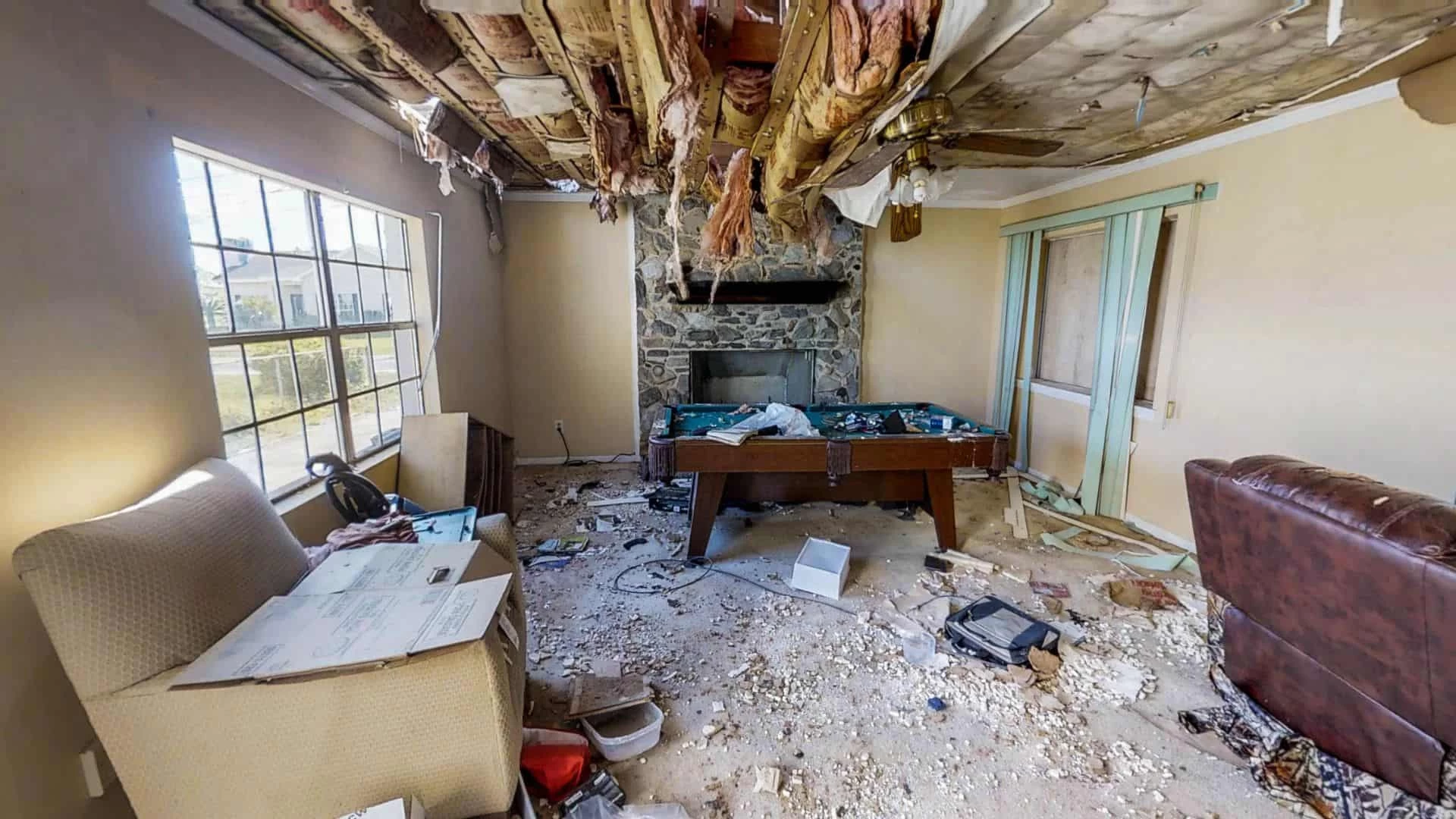
Kent’s housing stock carries specific risks that most restoration companies aren’t built to handle. A significant portion of homes here were originally built as vacation camps or lakeside cottages, then converted to year-round use without the insulation or plumbing upgrades to match. That means when a pipe freezes and bursts on a January morning while you’re commuting to Westchester, the water has hours to move through walls and framing before anyone notices. By the time you’re home, the damage is deep.
What changes after a proper restoration isn’t just the absence of water it’s the confidence that nothing was left behind. No hidden moisture. No mold developing behind drywall six weeks from now. No structural damage that shows up when you try to sell. That’s the outcome worth paying attention to.
Twelve Years Serving Kent and Putnam County We Know What Winter Does Here
We’ve been handling water damage restoration for over 12 years across the Hudson Valley and Putnam County region. That means we’ve worked through the flooding emergencies, the frozen pipe seasons, and the spring snowmelt events that have sent water into basements from Lake Carmel to Farmers Mills. We’ve been here through Kent’s worst winters, and we understand the specific vulnerabilities that older homes in this area face.
We carry full liability insurance and workers’ compensation, hold NYS and NYC M/WBE Certified Contractor status, and have done restoration work for the NYS Office of General Services which means we’ve been vetted at a level most contractors never reach. For a Kent homeowner choosing between an unknown name and a company with a documented track record, that distinction matters.
Our 100% Satisfaction Guarantee isn’t a tagline. It means we stand behind what’s behind the walls not just what you can see when we leave.
From the First Call to a Fully Restored Home Here's What to Expect
When you call, we move. Our 24/7 emergency response means a crew is dispatched immediately whether it’s 2 AM on a Tuesday or a Sunday afternoon when a sump pump fails during a storm. Kent’s rural roads and distance from major service centers are something we account for. You’ll know someone is on the way, and you’ll know when to expect them.
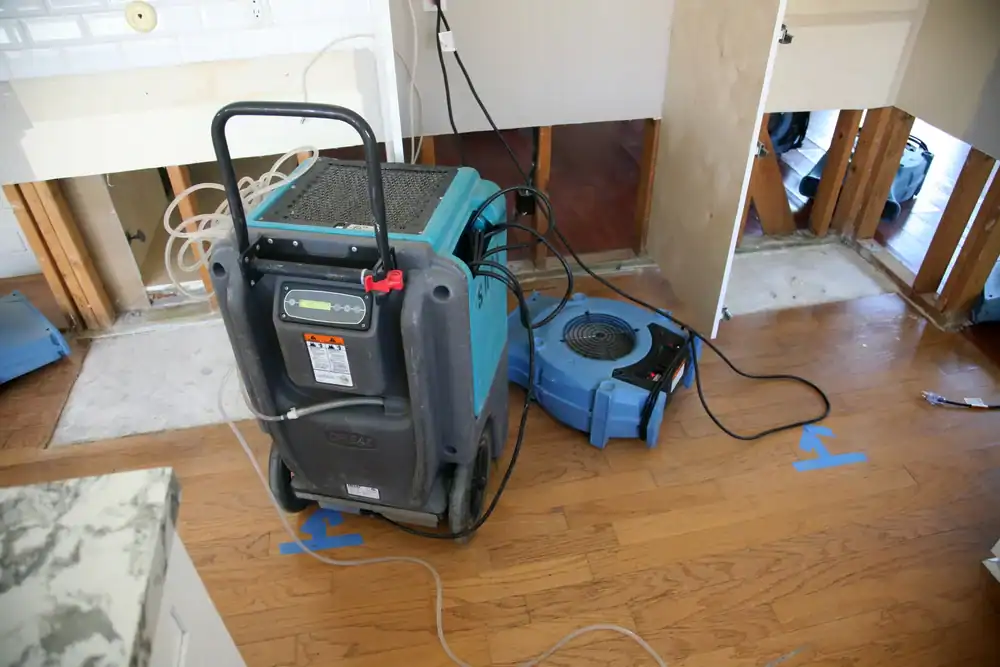
When we arrive, the first priority is stopping the source and assessing the full scope of damage. Water moves fast and hides well especially in the older construction common throughout Kent, where wall cavities and crawl spaces can hold moisture long after the visible water is gone. We use professional-grade moisture detection equipment to find what you can’t see, then begin extraction and industrial drying immediately.
From there, we handle everything through to reconstruction. That includes mold testing and remediation if needed, structural drying, and any permit-required repairs coordinated with the Town of Kent Building Department. If your home was built before 1980 which describes a large portion of Kent’s housing stock and the damage requires opening walls or removing flooring, our certified asbestos abatement capability means that gets handled safely under the same roof, without bringing in a separate contractor. We also work directly with your insurance company to document the damage and manage the billing process, so you’re not left managing a claim while also managing a restoration.
Full Restoration Coverage Built for Kent's Specific Conditions
Water damage restoration in Kent isn’t one-size-fits-all. The town’s combination of aging housing stock, private well and septic infrastructure, NYC watershed proximity, and a large inventory of formerly seasonal properties creates scenarios that require more than a standard extraction and dry-out. That’s why our service covers the full scope from initial water removal through mold remediation, structural repair, and complete reconstruction.
For homes near Kent’s reservoir system, we’re familiar with the additional environmental considerations that come with NYC DEP watershed regulations. For properties with septic systems which is most of Kent a backup or overflow event involves Category 3 contamination that requires specialized handling, not just a wet vac and a fan. We’re equipped for that. For the older homes throughout Kent Cliffs, Ludingtonville, and the Lake Carmel area that may contain asbestos-era materials, our abatement certification means the job gets done completely and safely.
We also offer financing up to $200,000 at 0% APR something no other water damage restoration company identified in Putnam County currently offers. Insurance often covers less than homeowners expect, and the gap between what’s covered and what the job actually costs can be significant. Having a financing option that doesn’t add interest to an already stressful situation is a practical difference, not a promotional gimmick. If you’re dealing with a major loss and need to move fast without waiting on a claim to resolve, that option is available to you from day one.
How quickly can you respond to a water emergency in Kent, NY?
We operate 24/7 and dispatch immediately when you call nights, weekends, and holidays included. Kent’s rural character means response times from any service provider are longer than they’d be in a dense suburb, and we factor that into how we operate. You’ll know when a crew is on the way and when to expect arrival, so you’re not left guessing.
The reason speed matters so much in Kent specifically is that many homes sit empty during the day while residents commute to Westchester, Danbury, or New York City. A pipe that bursts at 8 AM may not be discovered until evening, giving water six to eight hours to move through walls, saturate insulation, and reach structural framing. The faster professional extraction and drying begins after that point, the smaller the final scope of damage and the lower the total cost.
Does water damage restoration in Kent typically get covered by homeowner's insurance?
Most standard homeowner’s insurance policies cover sudden and accidental water damage a burst pipe, an appliance failure, a roof leak from a storm. What they typically don’t cover is damage from gradual leaks, flooding from outside the home, or sewer and septic backup unless you have a specific rider for it. In Kent, where most properties rely on private septic systems, that backup exclusion is worth knowing about before you need it.
The average water damage insurance claim runs between $12,000 and $15,000, but larger events particularly those involving structural damage, mold, or multiple rooms can run significantly higher. We work directly with insurance companies, document damage in the format adjusters need, and handle billing communication so you’re not managing the claim on top of managing the disruption. If there’s a gap between what insurance covers and what the job costs, our 0% APR financing up to $200,000 is available to bridge it.
What makes frozen pipe damage in Kent worse than in other nearby towns?
Kent sits at a higher elevation than many neighboring communities in Westchester and southern Putnam County, and its inland position means it doesn’t benefit from the temperature-moderating effect of the Hudson River. Combined with a housing stock that includes a large number of homes originally built as seasonal vacation structures with minimal insulation and plumbing designed for warm-weather use Kent has real exposure to frozen pipe events that other towns simply don’t face at the same rate.
When a pipe freezes and bursts inside a wall, it can discharge hundreds of gallons before the damage becomes visible. In a home that’s empty during the day which describes a large percentage of Kent households given the commuter population that water has hours to migrate through wall cavities, floor assemblies, and basement framing before anyone is aware. Our response process accounts for this: we don’t just extract visible water. We use moisture mapping equipment to find where it traveled, because what you can’t see is usually where the mold starts.
My Kent home was built in the 1960s does that affect the restoration process?
It does, and it’s worth understanding before work begins. Homes built between roughly 1940 and 1980 which covers a significant portion of Kent’s residential inventory commonly contain asbestos in insulation, floor tiles, pipe wrap, and joint compound. When water damage requires opening walls, removing flooring, or disturbing any of these materials, there’s a real risk of asbestos exposure if the work isn’t handled by a certified abatement contractor.
Most restoration companies aren’t equipped to handle this in-house and will either skip the assessment or bring in a separate abatement subcontractor, which adds time and coordination complexity to an already stressful situation. We hold certified asbestos abatement capability, which means if your Kent home requires it, that work is handled as part of the same job no separate contractor to schedule, no delays waiting for another crew to clear the site before restoration can continue.
How does mold remediation work after a flooding event in a Kent home?
Mold remediation starts with testing, not assumptions. After water damage, we assess moisture levels throughout the affected area including inside walls, under flooring, and in crawl spaces to determine where mold growth is likely or already present. In Kent’s older homes, particularly those with crawl spaces or unfinished basements, moisture can persist in building materials long after the visible water is gone, creating ideal conditions for mold to establish without any outward signs.
If mold is found, remediation involves containing the affected area, removing compromised materials, treating surfaces with appropriate antimicrobial agents, and verifying through post-remediation testing that the space is clear. The Town of Kent Building Department may require permits for any structural work involved in opening and repairing walls. We handle that coordination. The goal isn’t just to remove what’s visible it’s to verify that the space is genuinely clear so you’re not dealing with an air quality issue or a failed home inspection six months from now.
Can Green Island Group handle a septic backup that flooded my Kent basement?
Yes and this is one of the more common and more serious water damage scenarios in Kent specifically. Because virtually all residential properties in town rely on private septic systems rather than municipal sewer connections, a septic backup or overflow event is a real risk, particularly after periods of heavy rain when soils become saturated and systems lose their drainage capacity. When that happens, the water entering your basement isn’t clean it’s classified as Category 3 contamination, which requires a different level of handling than a burst pipe or appliance leak.
Category 3 remediation means full protective equipment for our crew, proper disposal of contaminated materials, antimicrobial treatment of all affected surfaces, and verification testing before the space is considered safe. It also means that Putnam County’s Environmental Health Department may be involved if the septic system itself requires repair a separate permitting process from the restoration work. We’re familiar with how these jobs unfold in Putnam County and can help you understand what the restoration scope covers versus what falls under the septic repair process, so nothing falls through the gap between the two.