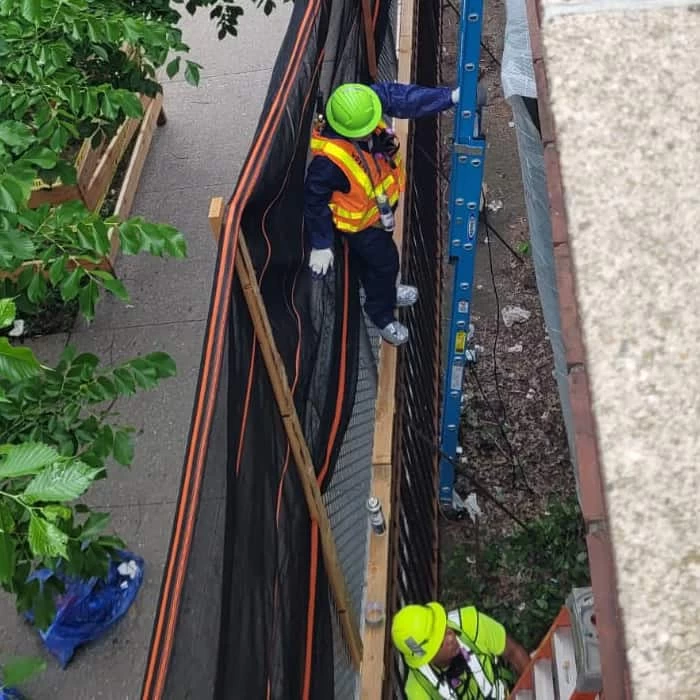
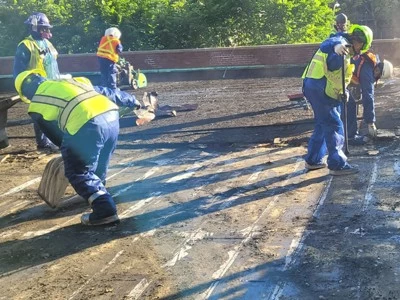
When your basement floods or a pipe lets go in the middle of the night, you need someone local who can actually be there fast not a call center routing a crew from two boroughs away. We serve Laurelton with 24/7 emergency water damage restoration, from first call to fully restored.
I needed a professional consultation explanation of procedure for safe removal of Asbestos in my apartment complex. Without having an account yet, I was very impressed with the caring, knowledgeable and generous advice offered by Jessica, and will look forward to doing business in the future. Thank you so much! I feel much more informed about a sometimes scary endeavor. Peace. Nancy Silva Mineola, NY.
Mia Munoz
Used this company to clean up some water flood in my house. They were fast and easy to work with.very professional, Would recommend to anyone!
Nini Valle
Great company, had a flood and they responded quickly and efficiently. Billed my insurance company directly. I highly recommend this company!
joe colapietro, jr
I had pipe freeze in my basement right before a snow storm and they made to within an hour to help start the clean up process. They we by our side throughout the entire process and even helped with the insurance company. They did such a great job with the cleanup, repair, remidiation, I contracted them to perform the repairs and finishes in the basement. They came with enough manpower and material to get the job done. Leo and Jessica were nothing but a pleasure to deal with!!
Cristian Arredondo c
I had some water damage in my home and Green Island was able to take care of my issue quickly and effectively. I am very pleased with the work they did. They responded quickly and were very professional.
Michael M
Outstanding service! From the office to the field crew everyone was friendly, helpful and responsive. I highly recommend Green Island Group.
Most people don’t think about water damage until they’re standing in it. And when it happens, the clock starts immediately not in the morning, not after the weekend. Mold can begin developing in as little as 24 to 48 hours, and in a Laurelton home built in the 1950s with original plaster walls and aged framing, that window closes fast.
Laurelton’s housing stock is overwhelmingly mid-century. The Tudor-style homes and garden co-ops that define this neighborhood were built with materials that absorb and hold moisture differently than modern construction. When water gets into those walls, it doesn’t just sit on the surface. It moves, it spreads, and it settles into places a fan and a dehumidifier from the hardware store won’t reach.
The other thing that catches Laurelton residents off guard is the sewer system. The neighborhood is served by a combined sewer system meaning stormwater and sewage share the same pipes. During a heavy rain event, the kind that regularly closes the Belt Parkway at 130th Avenue, those systems back up. That’s not just water in your basement. That’s a Category 3 contamination situation that requires a completely different level of response. When the job is handled correctly from the start, you end up with a dry, safe, fully restored home and documentation your insurance company can actually work with.
We operate out of Queens and serve the neighborhoods that national franchises treat as an afterthought. When you call us about water damage in Laurelton, you’re not waiting for someone to drive in from Nassau County or dispatch a crew that’s never been on Merrick Boulevard. Our team knows southeastern Queens the housing stock, the flooding corridors, the infrastructure quirks because this is the area we actually work in, not just a pin on a service map.
That local knowledge matters more than most people realize. A restoration crew that understands the specific drainage challenges around the Belt Parkway corridor, or knows what to expect inside a 1950s Tudor-style home in Laurelton, moves faster and makes fewer mistakes than one that’s reading your situation for the first time.
We carry full insurance, work directly with your homeowner’s insurance adjuster, and handle the entire job extraction, drying, mold prevention, and final repairs under one roof. No handoffs, no gaps, no wondering who’s responsible for what.
From First Call to Finished Here's Our Real Process
The first thing that happens when you call is simple: someone picks up and asks the right questions. Where’s the water coming from? How much? What type of home? Those answers shape everything the equipment we bring, the crew size, the timeline. For a Laurelton home, that often means accounting for older plumbing, finished basements, and the possibility of sewer involvement if the event happened during or after heavy rain.
Once on-site, our team does a full moisture assessment before anything else. Thermal imaging and moisture meters map exactly where water has traveled including inside walls and under flooring that looks dry on the surface. That step is what separates a real restoration from a surface-level dry-out that leaves hidden moisture behind to become a mold problem three weeks later.
From there, it’s extraction, structural drying with industrial air movers and dehumidifiers, antimicrobial treatment, and then repair. If the scope of work requires a New York City Department of Buildings permit which applies to certain structural repairs under NYC building code we handle that process too. You’re kept informed throughout, and when the job is done, you receive full documentation for your insurance claim. Nothing gets closed out until the moisture readings confirm the structure is actually dry.
Every Job Covers What Laurelton Homes Actually Need
Water damage restoration isn’t one thing it’s a sequence of steps that only works when none of them get skipped. Our full-service approach covers water extraction, structural drying, moisture mapping, mold remediation, odor removal, drywall and flooring repair, and final restoration. The goal is a home that’s completely back to pre-loss condition, not just technically dry.
For Laurelton specifically, a few things come up consistently. Basement flooding is the most common call whether from a sump pump failure, a backed-up sewer line, or surface water intrusion through an aging foundation. The neighborhood’s older homes weren’t built with modern waterproofing standards, and the combination of clay-heavy soil and overwhelmed storm drains during heavy rain creates real hydrostatic pressure against those foundations. We come equipped for that reality, not a generic one.
Sewer backup situations which happen with real frequency in Laurelton during major storms require Category 3 black water protocols. That means full containment, proper disposal, and sanitization before any drying or repair begins. For co-op buildings along the Laurelton garden apartment corridors, the work also involves navigating shared infrastructure and, where applicable, co-op board documentation requirements. We handle insurance billing directly, and every job is documented in a format that adjusters can actually process without sending you back and forth.
How quickly can you get to my home in Laurelton for water damage?
Response time depends on where you’re located in Laurelton and what’s happening with traffic, but we operate 24/7 and prioritize emergency calls in Queens. For Laurelton residents, that typically means a fast arrival we’re Queens-based, not dispatching from a regional hub in another county.
The reason speed matters so much here isn’t just about stopping the water. It’s about what happens in the hours after. In a home with the kind of older construction that’s common throughout Laurelton original plaster, aged wood framing, finished basements with carpet over concrete moisture migrates quickly and deeply. Every hour of delay increases both the scope of damage and the risk of mold taking hold. When you call, be ready to describe the source, the affected areas, and whether there’s any chance of sewer involvement, since that changes the equipment and protocols we bring.
Will my homeowner's insurance cover water damage restoration costs?
It depends on the cause. Most standard homeowner’s insurance policies cover sudden and accidental water damage a burst pipe, an appliance failure, a roof leak from a storm. What they typically don’t cover is flooding from outside the home, which falls under separate flood insurance, or damage caused by long-term neglect or maintenance issues.
For Laurelton homeowners, the sewer backup question comes up often. Sewer backup coverage is usually a separate endorsement on your policy, and not everyone has it even though it’s one of the most common water damage scenarios in Laurelton given the combined sewer system and the volume of stormwater the area handles during major rain events. We work directly with insurance adjusters, document the full scope of damage with moisture readings and photos, and submit on your behalf. That documentation makes a real difference in what gets approved versus what gets disputed.
What's the difference between water damage and flood damage for insurance purposes?
This is one of the most important distinctions to understand before you file a claim. In insurance language, “flood damage” specifically means water that comes from an external natural source rising groundwater, overflowing bodies of water, or storm surge and it is not covered under standard homeowner’s insurance. It requires a separate flood insurance policy, typically through the National Flood Insurance Program (NFIP).
Water damage, by contrast, refers to internal sources: burst pipes, appliance leaks, roof damage that lets rain in, or sewer backups. Those are generally covered under standard policies, depending on your specific coverage. For Laurelton residents near the Belt Parkway corridor where heavy rain events have caused documented surface flooding understanding which category your event falls into before you call your insurance company is important. If you’re not sure, we can help assess the source and guide you on how to frame the claim accurately so it doesn’t get misclassified and denied.
How do I know if there's mold after a water damage event in my home?
Sometimes you can see it dark spots on drywall, discoloration along baseboards, visible growth in a corner of the basement. But more often in Laurelton’s older homes, the mold is behind the wall or under the floor where you can’t see it at all. The more reliable signs are a persistent musty smell, unexplained allergy symptoms, or a water event that wasn’t dried out thoroughly within the first 48 hours.
Homes built in the 1940s and 1950s which describes the majority of Laurelton’s housing stock have building materials that are more porous and mold-susceptible than modern materials. Original drywall, plaster, and wood framing hold moisture longer and provide more organic material for mold to grow on. A professional moisture assessment using thermal imaging and moisture meters is the only reliable way to know whether hidden moisture is present. We include this assessment as part of every restoration job, and if mold is found, full remediation is handled before any repairs are completed not patched over.
Does water damage restoration in Laurelton require any permits or city approvals?
For the extraction, drying, and mold remediation portion of the work, permits are generally not required. But if the restoration involves structural repairs replacing damaged wall framing, significant drywall removal and replacement, or any work that touches load-bearing elements New York City’s Department of Buildings may require a permit depending on the scope.
This matters more than most homeowners realize. Work done without required permits can create complications when you sell your home, when your insurance company audits the claim, or when a co-op board reviews documentation of the repair. Laurelton has a significant number of garden apartment co-ops where board approval may be required for certain types of interior work, separate from city permit requirements. We’re familiar with NYC DOB requirements and can advise on what’s needed for your specific job. If permits are required, that process is handled as part of the project not left for you to figure out afterward.
Why should I hire a local water restoration company instead of a national franchise?
National franchise operators aren’t bad but they’re built for volume, and their crews often cover large geographic areas from centralized locations. When you call a national brand from Laurelton, there’s a real chance the crew is coming from a significant distance, unfamiliar with the specific housing stock in southeastern Queens, and working off a standardized protocol that wasn’t written with your neighborhood in mind.
Laurelton has specific conditions that matter: older Tudor-style homes with original plaster and aged plumbing, a combined sewer system that backs up during major storms, a Belt Parkway flooding corridor that creates consistent stormwater pressure on nearby foundations, and a co-op housing inventory with its own documentation and board requirements. A company that works this area regularly knows those conditions before they walk through your door. We’re Queens-based, respond faster to Laurelton addresses, and bring context to every job that a franchise dispatching from a regional hub simply doesn’t have. For a neighborhood where the median home value is approaching $800,000, that familiarity isn’t a small thing it directly affects the quality and completeness of the work.