When Your Lloyd Harbor Home Floods, Every Hour Costs You
Lloyd Harbor’s three-sided water exposure doesn’t leave much room for slow responses. We deliver water damage restoration that stops the damage, addresses what’s behind the walls, and gets your home back to where it was.
I needed a professional consultation explanation of procedure for safe removal of Asbestos in my apartment complex. Without having an account yet, I was very impressed with the caring, knowledgeable and generous advice offered by Jessica, and will look forward to doing business in the future. Thank you so much! I feel much more informed about a sometimes scary endeavor. Peace. Nancy Silva Mineola, NY.
Mia Munoz
Used this company to clean up some water flood in my house. They were fast and easy to work with.very professional, Would recommend to anyone!
Nini Valle
Great company, had a flood and they responded quickly and efficiently. Billed my insurance company directly. I highly recommend this company!
joe colapietro, jr
I had pipe freeze in my basement right before a snow storm and they made to within an hour to help start the clean up process. They we by our side throughout the entire process and even helped with the insurance company. They did such a great job with the cleanup, repair, remidiation, I contracted them to perform the repairs and finishes in the basement. They came with enough manpower and material to get the job done. Leo and Jessica were nothing but a pleasure to deal with!!
Cristian Arredondo c
I had some water damage in my home and Green Island was able to take care of my issue quickly and effectively. I am very pleased with the work they did. They responded quickly and were very professional.
Michael M
Outstanding service! From the office to the field crew everyone was friendly, helpful and responsive. I highly recommend Green Island Group.
Mold doesn’t wait for a convenient time. According to IICRC standards, it can start colonizing within 24 to 48 hours of water exposure and in a coastal environment like Lloyd Harbor, where ambient humidity stays elevated year-round from the surrounding harbor and Sound, that window closes even faster than it does inland. A fast, thorough response isn’t just about drying things out. It’s about stopping a manageable problem from becoming a structural one.
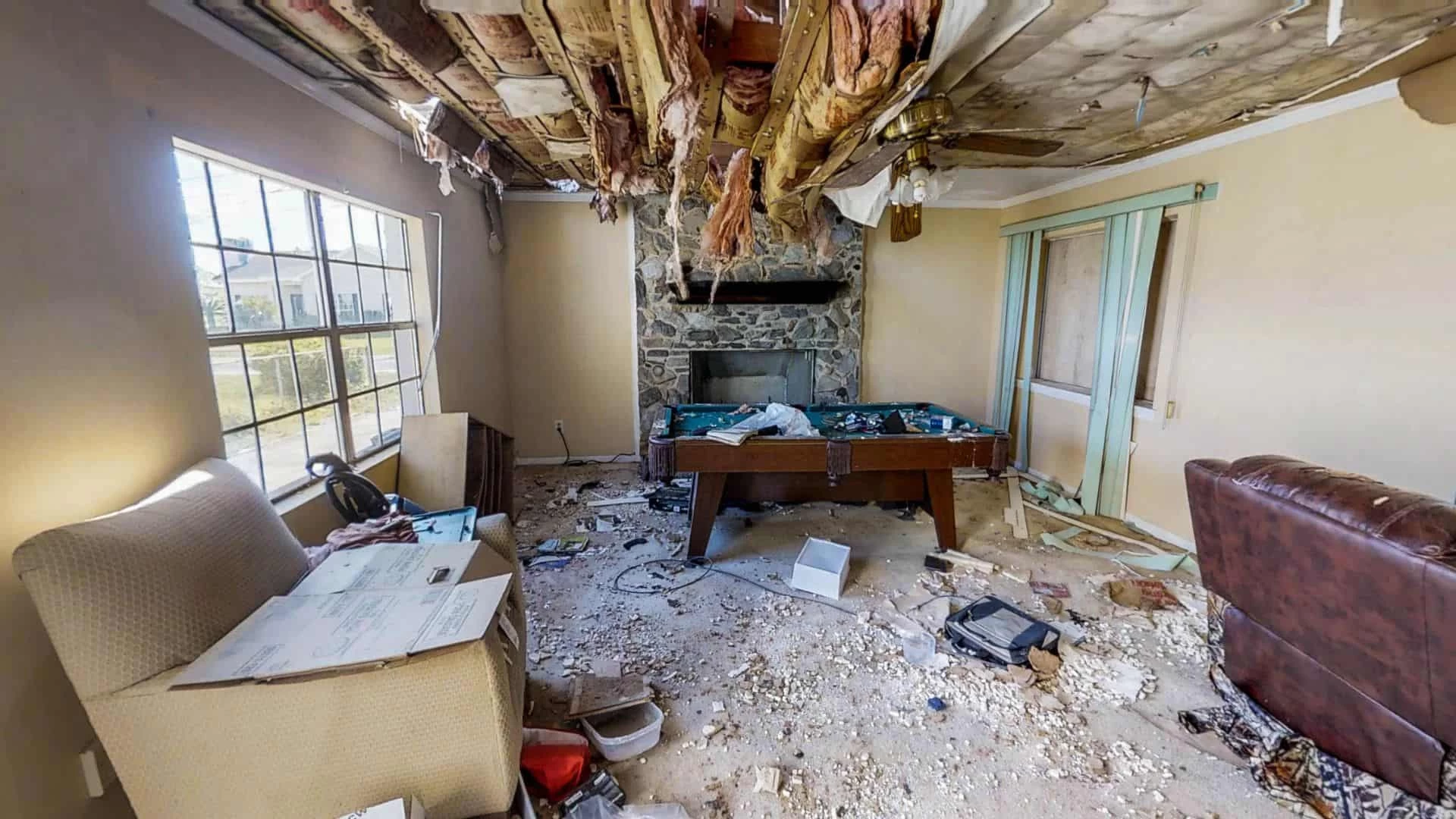
For homes on Lloyd Neck, the stakes are higher than most. The majority of properties here were built in the 1960s, which means aging plumbing, finished basements prone to groundwater intrusion, and building materials that often contain asbestos or lead. When water gets into a home like that, the damage rarely stops at the surface. It works into framing, insulation, and subfloor and if those materials contain hazardous substances, opening them up without the right credentials creates a different problem entirely.
What proper water damage restoration gives you is clarity. You know exactly what was affected, what was dried, what was tested, and what was restored. You’re not left guessing whether something was missed behind a wall or under a floor. For a property worth what Lloyd Harbor homes are worth, that peace of mind is not a luxury it’s the whole point.
A Long Island Company That Knows Lloyd Harbor Inside and Out
We’re based on Long Island and have been serving homeowners across Suffolk County including the North Shore communities along Lloyd Neck for years. This isn’t a national franchise routing your call through a dispatch center. When you reach out to us, you’re talking to a local team that knows Lloyd Harbor, knows the permit process at the village building department, and knows what it means to work inside a home where the details matter.
What separates us from most restoration companies is scope. Water damage, mold remediation, asbestos abatement, lead paint handling, air quality testing we handle all of it in-house, under one roof, with New York State Department of Labor licensing and IICRC certification. For a home built in 1965 off West Neck Road, that matters. You shouldn’t have to coordinate three different contractors to get your home back to normal.
We’re accountable by name, not by franchise number. That’s a real difference when something goes wrong at 2am during a nor’easter and you need someone who actually picks up.
Water Damage Restoration Service near Lloyd Harbor, NY
From the First Call to the Final Walkthrough
It starts with a call any time, day or night. From there, we dispatch a crew to your Lloyd Harbor property with moisture detection equipment in hand. Thermal imaging and professional-grade moisture meters map where the water actually went, not just where it’s visible. In older homes with plaster walls and hardwood floors, that step is what separates a real fix from a surface-level one.
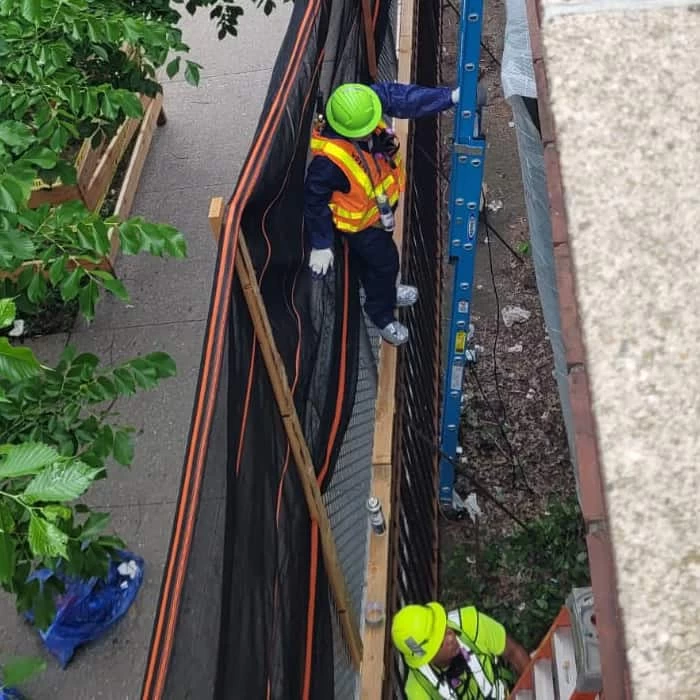
Once the full scope is mapped, extraction and structural drying begin. We place industrial air movers and dehumidifiers strategically based on the moisture readings, not just dropped in a room. If the affected area involves materials that may contain asbestos which is a real consideration in homes built before 1980 we test before any demolition work begins. That’s not optional in New York State, and it’s not something we skip.
From there, the process moves into remediation and restoration. If mold is present, we address it before any rebuilding starts. If permits are required through Lloyd Harbor’s village building department, we pull those. The job isn’t finished when the equipment comes out it’s finished when your home is back to the condition it was in before any of this happened, documented and inspected from start to finish.
Everything Covered, Nothing Handed Off to Someone Else
Water damage restoration in Lloyd Harbor isn’t a single-step job. Our service covers emergency water extraction, structural drying, moisture mapping, mold testing and remediation, asbestos testing and abatement where required, lead-safe work practices under EPA RRP certification, air quality verification, and full structural restoration. We handle every one of those steps directly no subcontractors, no gaps in the chain of accountability.
For waterfront and water-view properties along Lloyd Harbor Bay or Cold Spring Harbor, storm surge and coastal flooding events require a different approach than a standard burst pipe. The water often carries sediment and contaminants, the affected area tends to be larger, and the drying timeline is longer. We account for all of that in how we place equipment and how long it runs not with a one-size approach.
Insurance coordination is part of our process too. We document the damage thoroughly, communicate directly with your adjuster, and make sure the covered scope is properly captured. For homeowners carrying high-value policies on Lloyd Harbor properties, that documentation work is what protects your claim and your investment. You shouldn’t have to become an insurance expert on top of everything else you’re managing.
How quickly does mold actually become a problem after water damage in Lloyd Harbor?
The honest answer is faster than most people expect and faster in Lloyd Harbor than in many other places. IICRC standards cite 24 to 48 hours as the window before mold colonization can begin, but that’s under average conditions. Lloyd Harbor sits on a peninsula surrounded by water on three sides, which keeps ambient humidity consistently higher than inland communities. That elevated baseline means moisture in your walls, subfloor, or insulation doesn’t need much time to create the right conditions for mold growth.
What that means practically is that the timing of your first call matters more than most homeowners realize. A water event addressed within the first few hours extraction started, drying equipment placed, moisture mapped is a very different situation than one that sits for 48 hours while you wait to see if it dries on its own. The latter often results in mold remediation being added to what could have been a straightforward water damage job. Speed is the single biggest variable in how this ends up.
Does water damage restoration in Lloyd Harbor require a building permit from the village?
In most cases, yes and it’s worth understanding this upfront rather than discovering it mid-project. Lloyd Harbor has its own incorporated village building department at 32 Middle Hollow Road, and the village requires permits for virtually all renovation and restoration work, including work triggered by water damage. Plumbing work requires a separate permit application from general building work. For properties near the shoreline, Lloyd Harbor’s Local Waterfront Revitalization Plan adds another layer of review for anything affecting the exterior or drainage of a waterfront property.
This is an area where working with us makes a real difference. A contractor unfamiliar with Lloyd Harbor’s process may skip permits, which creates complications down the road especially when it comes time to sell a property and a buyer’s attorney discovers unpermitted restoration work in a home valued at several million dollars. We pull the required permits and work within the village’s regulatory framework as a standard part of the job, not an afterthought.
My Lloyd Harbor home was built in the 1960s does that change what's involved in water damage restoration?
It does, significantly. The median year of construction for homes in Lloyd Harbor is 1967, and homes of that era commonly contain asbestos insulation, asbestos floor tiles, asbestos pipe wrap, and lead paint. Under normal conditions, those materials aren’t a concern. But when water damage requires opening walls, removing flooring, or demolishing damaged structural components, those materials can be disturbed and at that point, New York State law requires licensed abatement before any further work proceeds.
This is one of the most important reasons to choose a restoration company with in-house environmental capabilities, not just a water damage crew. If a company starts demoing your 1965 basement without testing first, they may be exposing your family to asbestos fibers or lead dust and they may be doing it without the NYSDOL licensing that the work legally requires. We handle asbestos testing, abatement, and post-remediation air quality verification as part of the same project, so nothing falls through the cracks between contractors.
What's the difference between water mitigation and full water damage restoration?
Mitigation is the emergency phase extracting standing water, placing drying equipment, and stopping the damage from spreading further. A lot of companies stop there. They pull the water, run their equipment for a few days, and hand the project back to you with a dried-out space that still needs drywall repair, flooring replacement, painting, and structural work. At that point, you’re back to finding another contractor to finish the job.
Full water damage restoration covers the complete arc from the emergency call through the final inspection. That means extraction, structural drying, mold remediation if needed, asbestos abatement if required, reconstruction of damaged materials, and finishing work to return the space to its original condition. For a Lloyd Harbor home where the interior reflects a significant investment in materials and finishes, “dried out” isn’t a finished job. The goal is a home that looks and functions exactly as it did before the water event, with documentation to prove everything was handled correctly.
Will my homeowner's insurance cover water damage restoration costs in Lloyd Harbor, NY?
It depends on the cause of the damage, and the distinction matters more than most people realize before they file a claim. Standard homeowner’s insurance typically covers sudden and accidental water damage a burst pipe, a washing machine failure, an ice dam that forces water through the roof. It generally does not cover flooding from an external source, which is covered under a separate flood insurance policy through the National Flood Insurance Program or a private carrier.
For Lloyd Harbor homeowners with waterfront or water-view properties, this distinction is especially important. Coastal storm surge the kind that comes with a nor’easter or a late-summer tropical system tracking up the Sound is flood damage, not water damage in the insurance sense. If you have a flood policy, that’s what responds. If you don’t, that gap can be significant. We document damage thoroughly and communicate directly with adjusters to make sure the covered scope is properly captured, but understanding what your policy actually covers before an event is something worth reviewing with your insurance agent now, not after water is in your basement.
How do I know if water damage behind my walls has already led to mold growth?
You often can’t tell by looking which is exactly the problem. Mold behind drywall, inside insulation cavities, or under subfloor doesn’t show itself until it’s already established. By the time you see discoloration on a surface or notice a musty smell in a room, the growth has typically been present for a while. In a Lloyd Harbor home with plaster walls or older construction, moisture can sit in the wall assembly for weeks before any visible sign appears on the interior surface.
Professional moisture mapping with thermal imaging and calibrated moisture meters is the only reliable way to know what’s actually happening inside the structure. That equipment identifies areas of elevated moisture that are invisible to the eye, and air quality testing can detect elevated mold spore counts in a space even before visible growth is present. If your home had a water event whether it was a burst pipe, a basement flood, or storm-related intrusion and it wasn’t professionally dried and inspected at the time, it’s worth having it assessed. The cost of a proper inspection is a fraction of what a full mold remediation runs if the problem has had time to develop.