I needed a professional consultation explanation of procedure for safe removal of Asbestos in my apartment complex. Without having an account yet, I was very impressed with the caring, knowledgeable and generous advice offered by Jessica, and will look forward to doing business in the future. Thank you so much! I feel much more informed about a sometimes scary endeavor. Peace. Nancy Silva Mineola, NY.
Mia Munoz
Used this company to clean up some water flood in my house. They were fast and easy to work with.very professional, Would recommend to anyone!
Nini Valle
Great company, had a flood and they responded quickly and efficiently. Billed my insurance company directly. I highly recommend this company!
joe colapietro, jr
I had pipe freeze in my basement right before a snow storm and they made to within an hour to help start the clean up process. They we by our side throughout the entire process and even helped with the insurance company. They did such a great job with the cleanup, repair, remidiation, I contracted them to perform the repairs and finishes in the basement. They came with enough manpower and material to get the job done. Leo and Jessica were nothing but a pleasure to deal with!!
Cristian Arredondo c
I had some water damage in my home and Green Island was able to take care of my issue quickly and effectively. I am very pleased with the work they did. They responded quickly and were very professional.
Michael M
Outstanding service! From the office to the field crew everyone was friendly, helpful and responsive. I highly recommend Green Island Group.
There’s a real difference between a company that pulls the water out and walks away and one that makes sure your home is actually safe to live in again. When water gets into your walls, your subfloor, or behind the drywall in a finished basement, the visible damage is only part of the problem. What you can’t see moisture trapped in framing, insulation that’s holding water, the early stages of mold is what turns a manageable situation into a major one.
Mahopac’s lake geography changes the equation in ways that matter. Properties near Lake Mahopac, Lake Secor, and the surrounding water bodies sit on higher groundwater tables than most inland suburban homes. That means water intrusion doesn’t always come from above it comes up through foundation walls, through slab cracks, through basement floors that were never designed to hold back a saturated water table after a storm like the one in July 2023 that dropped up to 8 inches of rain on this hamlet in a single day.
The outcome you’re after isn’t just “dry.” It’s structurally sound, mold-free, and fully restored so your home holds its value, passes inspection if you ever sell, and doesn’t hand you a second repair bill six months from now. That’s what a complete restoration looks like, and it’s the only standard we work to.
We’ve been doing environmental restoration work for over 12 years. That’s not a number on a website it’s a track record built through real jobs, real insurance claims, and real homeowners who needed someone to show up and actually fix the problem. We’re IICRC-certified, NYS and NYC M/WBE certified, fully insured with both liability and workers’ compensation coverage, and equipped to handle everything from initial water extraction through complete reconstruction under one roof.
Putnam County homeowners in Mahopac whether you’re in a lakefront property off Lake Mahopac, a converted seasonal cottage in the Lake Secor community, or a single-family home closer to the Route 6 corridor are dealing with a specific set of conditions that not every restoration contractor understands. Older housing stock, high groundwater exposure, and mid-century construction materials that may include asbestos all factor into how a job needs to be handled here.
We handle all of it. One contractor, one point of contact, start to finish.
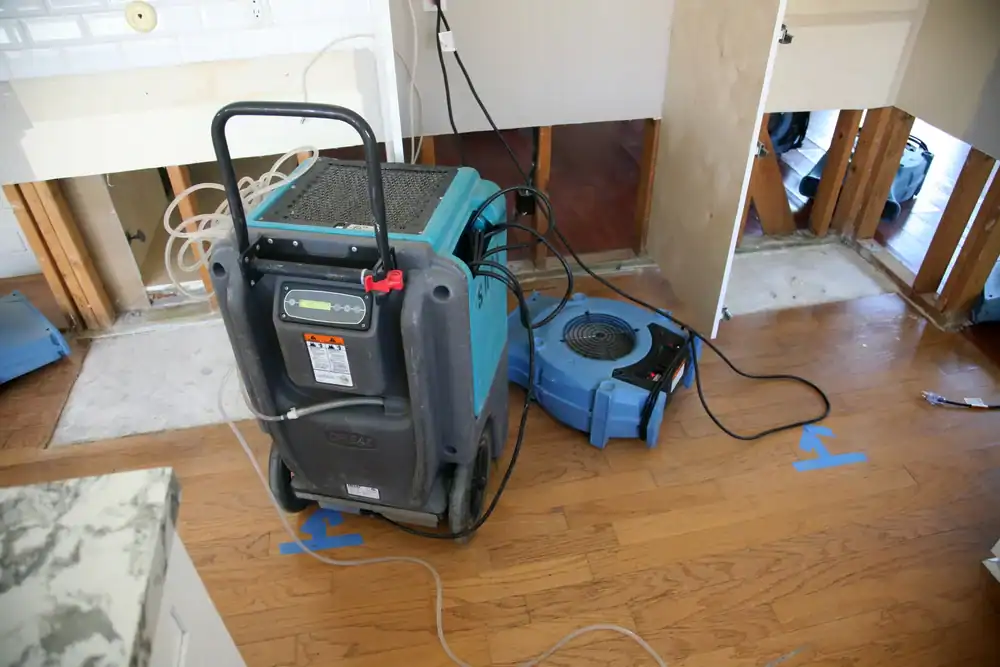
When you call, someone picks up day or night. The first step is getting a crew to your property quickly to assess the full scope of what’s happened. That means moisture mapping, not just a visual walkthrough. Water travels further than it looks, and in Mahopac homes with finished basements, older insulation, and wood framing that’s been absorbing groundwater, the damage behind the walls is often worse than what’s visible on the surface.
Once the assessment is complete, extraction and structural drying begin. Industrial equipment pulls water out of the structure not just off the floor and the drying process is monitored until moisture readings confirm the building materials have returned to safe levels. If mold is already present or at risk of developing, we handle remediation as part of the same project. In homes with mid-century construction materials common throughout Mahopac’s housing stock, any asbestos-containing materials that may have been disturbed are identified and properly abated before reconstruction begins a step that’s required under New York State Department of Labor regulations and one that many contractors simply aren’t equipped to handle.
Reconstruction is the final phase. New drywall, flooring, insulation, whatever was damaged gets replaced to pre-loss condition. The Town of Carmel’s building permit requirements are factored in from the start, so there are no surprises at the inspection stage. When the job is done, your home is restored not just dried out and handed back to you.
Full Restoration Coverage Built for Putnam County Homes
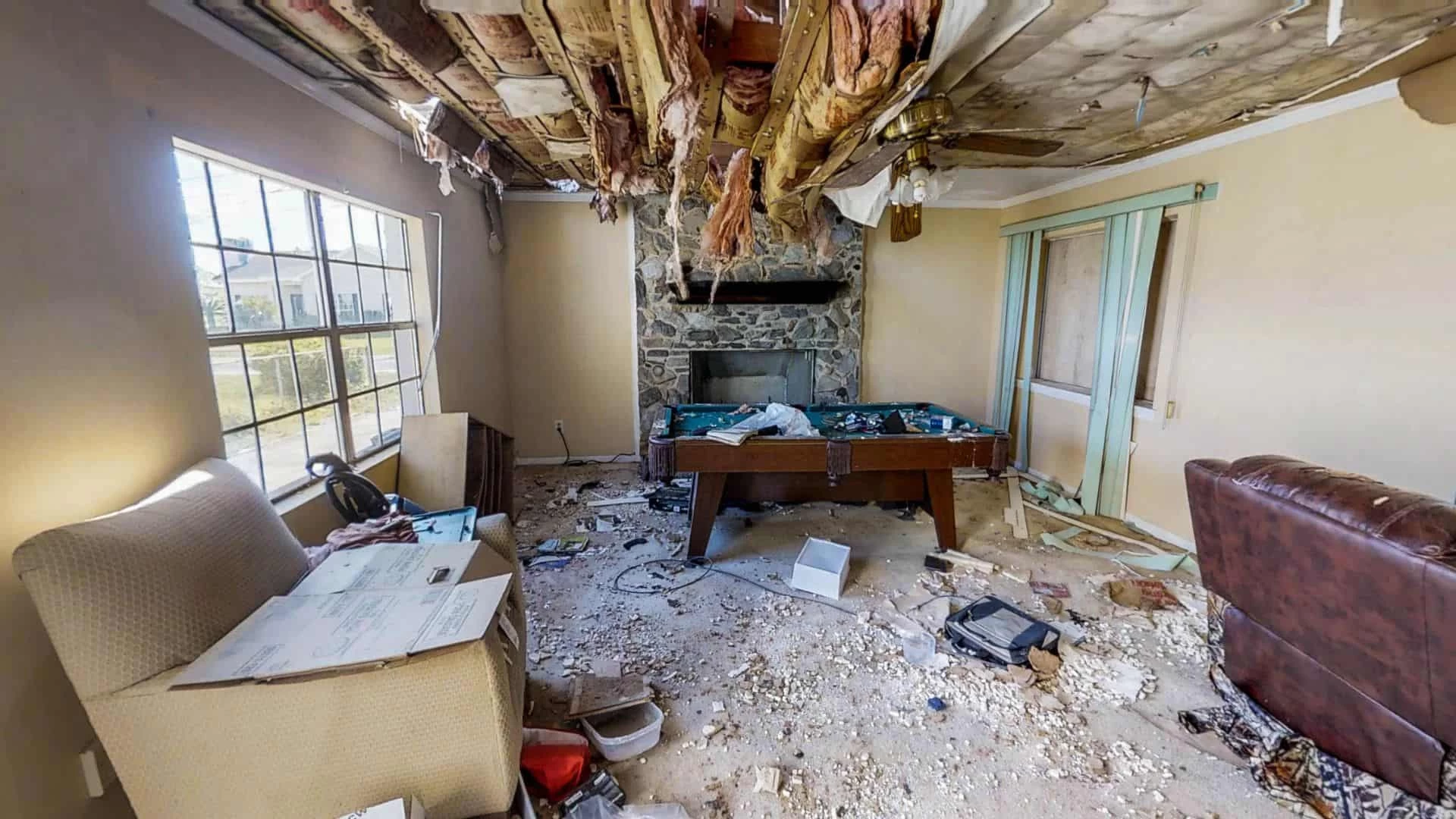
Our water damage restoration service covers the complete scope emergency water extraction, structural drying, mold remediation, asbestos abatement, and full reconstruction. That full-scope capability matters specifically in Mahopac, where a single flooding event can trigger multiple overlapping problems that a mitigation-only contractor isn’t equipped to address. When a finished basement floods, it’s rarely just a water extraction job. It’s drywall, insulation, flooring, framing assessment, and potentially mold remediation all in one project.
The financing option is worth knowing about upfront. We offer up to $200,000 in financing at 0% APR a real number that covers even the most extensive restoration scenarios. For homeowners in Mahopac already managing some of the highest property tax burdens in the region, an unexpected five-figure restoration bill is a serious financial event. The 0% APR option means you can address the full scope of the damage immediately, rather than doing it in phases and risking secondary damage from incomplete remediation.
Insurance coordination is also part of our service. We work directly with your carrier, handle documentation, and bill the insurer so you’re not left managing paperwork during one of the more stressful situations a homeowner can face. The 100% satisfaction guarantee and full insurance coverage mean you’re protected from the first call to the final walkthrough.
How quickly can you respond to a water damage emergency in Mahopac?
We offer 24/7 emergency response, which means you can reach a live person at any hour not a voicemail. Response time matters more in Mahopac than in many communities because the flooding risk here is real and well-documented. The July 2023 storm event that triggered a Putnam County State of Emergency dropped up to 8 inches of rain on the hamlet in a single day. Flash flooding on Fair Street and surrounding roads happened fast, and homeowners who waited hours for a callback saw significantly more damage than those who got extraction started quickly.
The reason speed matters so much is biological as much as structural. Mold growth begins within 24 to 48 hours of a moisture event. In a finished basement one of the most common damage scenarios in Mahopac that window closes fast. Getting extraction and drying equipment on-site the same day isn’t just about limiting visible damage. It’s about preventing a water damage job from becoming a mold remediation job on top of everything else.
Does homeowner's insurance typically cover water damage restoration costs?
In most cases, yes but the coverage depends heavily on the cause of the damage. Sudden and accidental water damage, like a burst pipe or an appliance failure, is typically covered under a standard homeowner’s insurance policy. Gradual water damage from a slow leak that wasn’t addressed, or flooding from an external water source like a rising lake or groundwater intrusion, often falls into different coverage categories and may require separate flood insurance.
For Mahopac homeowners near Lake Mahopac, Lake Secor, or any of the other water bodies in the area, this distinction matters. Groundwater intrusion after a storm a common scenario in lake-adjacent properties is frequently classified as flood damage rather than standard water damage, which means your coverage depends on whether you carry a separate flood policy. We work directly with insurance carriers, help document the damage properly, and handle the billing so you’re not navigating the claims process alone. Getting the documentation right from the start is one of the most important things you can do to protect a claim.
What's the risk of mold after a basement flood in a Mahopac home?
The risk is high, and it’s higher in Mahopac than in many comparable communities. The combination of lake-adjacent geography, elevated groundwater tables, and a significant portion of housing stock built in the mid-20th century creates conditions where moisture gets into building materials quickly and stays there. Older insulation, wood framing, and drywall that wasn’t designed for high-humidity environments absorb water faster than modern materials and dry out more slowly.
Mold doesn’t need much to get started 24 to 48 hours of moisture at room temperature is enough. In a finished basement where water has gotten behind the drywall or under the flooring, the visible surface can look dry while the framing behind it is still saturated. This is why moisture mapping is a non-negotiable part of a proper restoration assessment. If a contractor is just pulling water off the floor and running a dehumidifier without checking the moisture content of structural materials, they’re leaving the mold risk unaddressed. We include full moisture assessment and mold remediation as part of the restoration scope not as a separate job you have to coordinate later.
My Mahopac home was built in the 1960s should I be worried about asbestos during water damage repairs?
It’s a fair concern, and one that’s genuinely relevant to a lot of Mahopac properties. Homes built between roughly 1940 and 1980 commonly contain asbestos in pipe insulation, floor tiles, ceiling textures, and roofing materials. In Mahopac, where a meaningful portion of the housing stock dates to the post-WWII suburban expansion, this isn’t a rare edge case it’s a realistic possibility in many of the homes that experienced basement flooding or pipe failures.
The issue during water damage restoration is that repair and reconstruction work often disturbs these materials. Cutting into drywall, removing flooring, or accessing pipe insulation in a basement can release asbestos fibers if the materials aren’t properly identified and handled first. Under New York State Department of Labor regulations, asbestos abatement requires licensed contractors and specific handling protocols. We’re equipped to identify, abate, and restore in a single coordinated project which means you’re not waiting on a separate abatement contractor to clear the site before reconstruction can begin. It’s one of the more practical advantages of working with a full-scope restoration company rather than a mitigation-only operator.
What causes frozen pipe bursts in Mahopac, and how serious is the damage?
Mahopac’s elevation and inland position in Putnam County means it runs colder than lower-elevation Westchester communities, and winter temperatures regularly stay below freezing for extended stretches. Pipes in unheated spaces crawl spaces, garages, exterior walls with inadequate insulation are the most common failure points. The Lake Secor community is worth mentioning specifically here: many of those homes were originally built as seasonal summer cottages and converted to year-round residency over time, often without fully upgrading the plumbing for winter conditions. Those properties carry a higher frozen pipe risk than homes that were built for year-round occupancy from the start.
When a pipe bursts, the damage can be significant. A single failed pipe can release hundreds of gallons before it’s shut off, and if it happens overnight or while you’re away, the water has time to spread through flooring, walls, and ceilings across multiple rooms. The key is getting extraction and drying started as fast as possible every hour of delay increases the likelihood of structural damage and mold. If you’re in a converted seasonal home or a property with pipes running through unheated spaces, it’s also worth having those areas assessed before the next winter season.
How does Green Island Group's financing work for a large water damage restoration job?
We offer financing up to $200,000 at 0% APR. That covers the full scope of even the most extensive restoration scenarios extraction, structural drying, mold remediation, asbestos abatement, and complete reconstruction without putting the cost on a high-interest credit card or forcing you to tap a home equity line under pressure.
The reason this matters in Mahopac specifically is context. Median home values here are close to $480,000, and annual property taxes average around $12,000. Homeowners in this community are already managing significant fixed costs, and an unexpected $15,000 to $40,000 restoration bill which is a realistic range for a fully flooded finished basement requiring complete remediation and rebuild is a real financial disruption. The 0% APR option means you can authorize the full scope of work immediately, rather than making partial decisions based on what you can pay out of pocket right now. Partial remediation is one of the more common reasons water damage jobs turn into bigger problems later. Addressing the full scope at once, with financing that doesn’t add interest costs, is the smarter financial move for your property and your peace of mind.