Pre-War Homes, Modern Water Damage — Handled Right
Malverne’s older housing stock doesn’t forgive slow response or sloppy drying. We know what’s inside the walls of an 80-year-old South Shore home — and we move fast to protect it.
I needed a professional consultation explanation of procedure for safe removal of Asbestos in my apartment complex. Without having an account yet, I was very impressed with the caring, knowledgeable and generous advice offered by Jessica, and will look forward to doing business in the future. Thank you so much! I feel much more informed about a sometimes scary endeavor. Peace. Nancy Silva Mineola, NY.
Mia Munoz
Used this company to clean up some water flood in my house. They were fast and easy to work with.very professional, Would recommend to anyone!
Nini Valle
Great company, had a flood and they responded quickly and efficiently. Billed my insurance company directly. I highly recommend this company!
joe colapietro, jr
I had pipe freeze in my basement right before a snow storm and they made to within an hour to help start the clean up process. They we by our side throughout the entire process and even helped with the insurance company. They did such a great job with the cleanup, repair, remidiation, I contracted them to perform the repairs and finishes in the basement. They came with enough manpower and material to get the job done. Leo and Jessica were nothing but a pleasure to deal with!!
Cristian Arredondo c
I had some water damage in my home and Green Island was able to take care of my issue quickly and effectively. I am very pleased with the work they did. They responded quickly and were very professional.
Michael M
Outstanding service! From the office to the field crew everyone was friendly, helpful and responsive. I highly recommend Green Island Group.
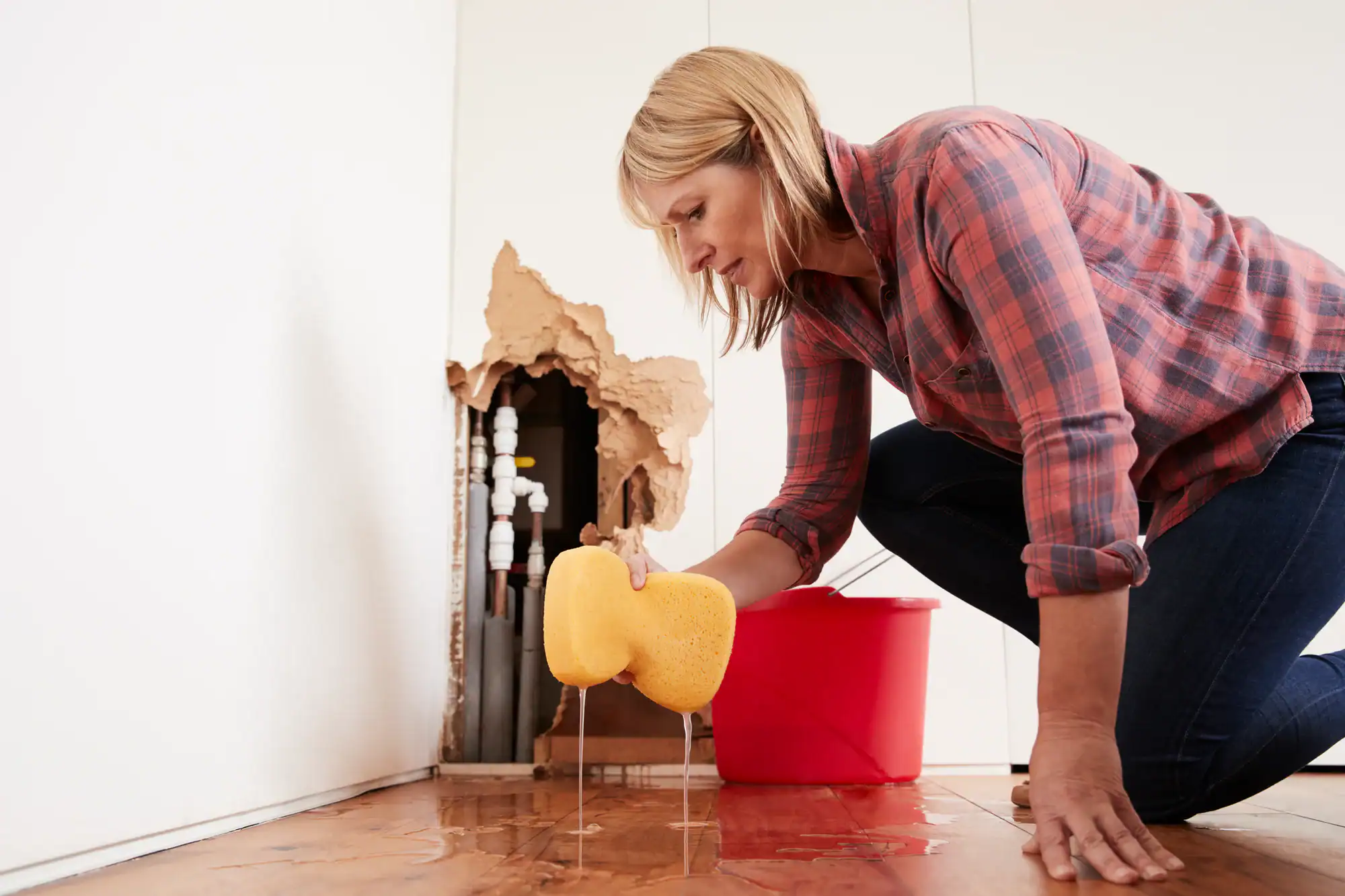
Most water damage in Malverne doesn’t look dramatic from the outside. You come home from the city, step into a wet basement, and suddenly you’re staring at a problem that’s been building inside your walls for hours. The visible water is the easy part. What stays behind — trapped moisture in original plaster, water wicking through 80-year-old wood framing, humidity sitting under original hardwood floors — is what turns a manageable situation into a mold problem six weeks later.
Malverne’s housing stock has a median construction year of 1942. That means most homes here were built before modern waterproofing standards, with original cast iron drain lines, galvanized plumbing, and foundation drainage systems that weren’t designed for today’s storm loads. When water gets in, it doesn’t just sit on the surface. It travels. And in a Malverne home this age, it travels far. Proper restoration means mapping every pocket of hidden moisture with thermal imaging, not just mopping the floor and pointing a fan at the wall.
When the job is done right, you get your home back — structurally dry, documented to IICRC standards, with a complete record of what was found, what was removed, and what was restored. That documentation matters when you’re filing a claim on a home worth over $650,000. It matters even more when you’re ready to sell.
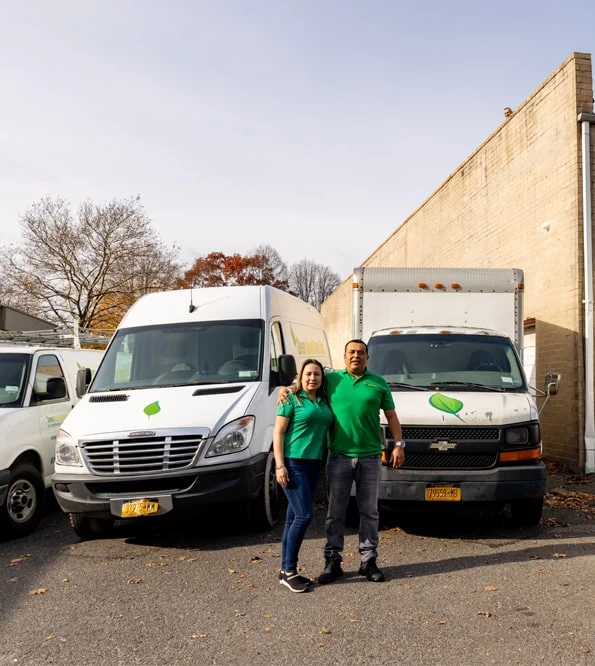
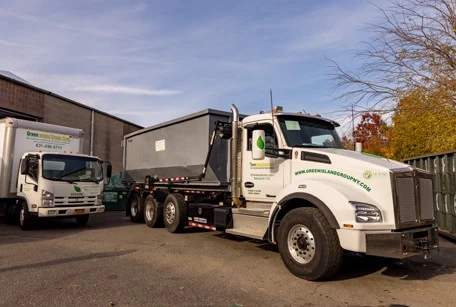
We’re a Long Island-based water damage restoration company. Our crews are on Long Island. When you call about a flooded basement near the Malverne LIRR station or a burst pipe off Ocean Avenue, we dispatch from Nassau County — not from a national call center routing jobs to whoever picks up.
We’ve worked in Malverne and surrounding South Shore communities long enough to know what makes them different. The clay soil that doesn’t drain. The high water table that keeps pushing against foundation walls even after the rain stops. The pre-war homes where original building materials absorb and hold moisture in ways that newer construction simply doesn’t. We don’t treat every job like a template — because Malverne homes aren’t templates.
We handle the full job, from emergency extraction through final reconstruction. One company, one point of contact, until your home is back to where it was before the water came in.
Emergency Water Damage Restoration Process, Malverne
From the First Call to the Final Repair — No Handoffs
When you call, you reach someone who can actually dispatch a crew — not an answering service that takes a message. We ask a few quick questions to understand what you’re dealing with, and we get moving. For emergency situations, that means showing up with extraction equipment, not a clipboard and a sales pitch.
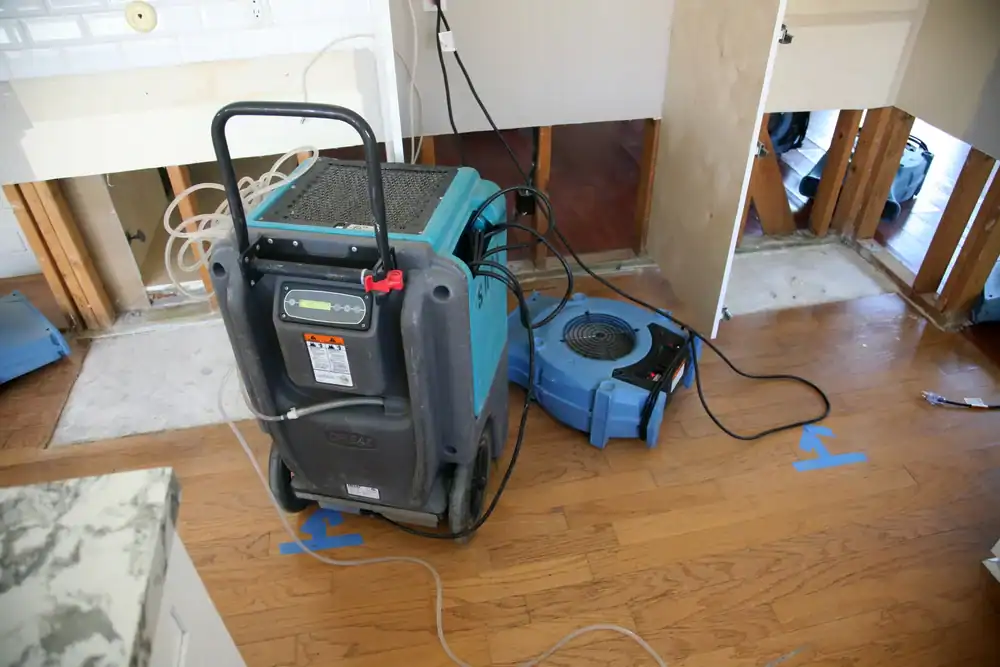
Once we’re on-site, we do a full moisture assessment before we touch anything. That includes thermal imaging to find water that’s migrated inside wall cavities and beneath flooring — the kind that doesn’t show up on a visual inspection. In a Malverne home built in the 1940s, this step isn’t optional. Water hides in places that would surprise you, and missing it means the problem comes back. After extraction and structural drying, we document everything — moisture readings, affected materials, scope of damage — in a format that works directly with your insurance adjuster.
If the damage requires reconstruction — drywall replacement, flooring, framing repairs — we handle that too. The Village of Malverne’s Building Department requires permits for structural alterations, and we know how to navigate that process without it becoming your problem. You don’t get handed off to a separate contractor halfway through. We see it through to the end.
Water damage restoration in Malverne covers a lot of ground, and what’s included matters. We handle the complete scope: emergency water extraction, industrial structural drying, thermal imaging and moisture mapping, mold prevention treatment, removal of unsalvageable materials, and full reconstruction through final finishes. You’re not getting mitigation-only service that leaves you coordinating a second contractor for the rebuild.
Mold is a particular concern in this area. Malverne’s high water table and Nassau County clay soil create year-round moisture pressure against basement walls and foundations — not just during storm season. When water damage occurs in a home with that kind of baseline moisture environment, mold remediation often becomes part of the job. Under New York State Labor Law Article 32, mold remediation requires a separately licensed assessor and remediator. We hold the required New York State licenses to perform this work legally. That’s not a minor detail — unlicensed mold work can complicate your insurance claim and create disclosure issues when you sell.
We also work directly with insurance carriers throughout the process. That means producing the documentation adjusters need, communicating on your behalf, and making sure the claim reflects the full scope of what was damaged. For a homeowner paying $10,000 a year in property taxes on a home worth over $650,000, that support isn’t a bonus — it’s part of what a real restoration looks like.
How quickly does mold start growing after water damage in Malverne homes?
Mold can begin growing within 24 to 48 hours of water intrusion — and in Malverne’s older housing stock, the conditions for growth are often already present before a water event even occurs. Homes built in the 1940s typically have original plaster walls, wood lath, and structural lumber that has spent decades absorbing ambient humidity from Nassau County’s high water table. That baseline moisture content means mold doesn’t need much of an invitation.
This is why response time matters so much here. It’s not just about getting the water out — it’s about getting the structure dry before that 48-hour window closes. If you’re dealing with water damage in Malverne and it’s been more than a day since the event, a proper moisture assessment is essential. Hidden moisture behind walls or under flooring can sustain mold growth long after the visible water is gone, and that’s not something a visual inspection will catch.
Does homeowners insurance cover water damage restoration in Malverne, NY?
It depends on the cause. Most standard homeowners insurance policies in New York cover sudden and accidental water damage — a burst pipe, an appliance failure, or storm-driven water intrusion. What they typically don’t cover is gradual damage or flooding from an external water source, which falls under a separate flood insurance policy through the National Flood Insurance Program.
For Malverne homeowners, the distinction matters. Sump pump failure during a nor’easter, for example, may or may not be covered depending on whether you have a water backup endorsement on your policy. It’s worth checking before you assume. What we can tell you is that proper documentation significantly affects how a claim gets settled. We produce the moisture mapping records, damage assessments, and scope documentation that insurance adjusters require — and we communicate directly with your carrier so you’re not spending your evenings on the phone with an adjuster after a long commute home.
What makes water damage restoration different in a pre-war Malverne home versus a newer house?
The short answer: older homes hold water differently, and they hide it better. Malverne’s median housing construction year is 1942, which means a significant portion of homes here were built with original cast iron drain lines, galvanized steel supply pipes, plaster walls over wood lath, and foundation drainage systems that weren’t designed for modern storm loads. These materials absorb and retain moisture in ways that modern drywall and PVC plumbing simply don’t.
In a newer home, water damage is often more contained. In a pre-war Malverne home, water can wick through plaster, travel along original framing members, and pool beneath original hardwood floors — all without being visible on the surface. That’s why thermal imaging and calibrated moisture meters aren’t optional on a Malverne job. They’re the only way to find what’s actually happening inside the structure. A restoration company that doesn’t use them is guessing, and in an 80-year-old home, guessing wrong is expensive.
How does sump pump failure cause water damage, and is it common in Malverne?
Sump pump failure is one of the most common water damage scenarios in Malverne — and it’s directly tied to the area’s geology. Nassau County’s clay soil has poor natural drainage, which means water doesn’t move away from foundations efficiently. Combined with a high water table that sits close to the surface year-round, this creates persistent hydrostatic pressure against basement walls and floors. Sump pumps in Malverne aren’t a backup measure — for many homes, they’re actively working every time it rains.
When a sump pump fails — whether from a power outage during a storm, a mechanical failure, or a float switch that stops working — that hydrostatic pressure wins almost immediately. Basements can take on significant water in a matter of hours. If it happens while you’re at work or away from home, the damage compounds quickly. The key after a sump pump failure is not just removing the water but fully drying the structure and checking for moisture that migrated into wall cavities and under flooring before you declare the problem solved.
How long does water damage restoration take for a typical Malverne home?
The mitigation phase — water extraction and structural drying — typically takes three to five days for a standard basement flooding situation, though that can vary based on how much water was involved, how long it sat, and how deeply it penetrated the structure. In Malverne’s older homes, drying often takes longer than it would in newer construction because original building materials are more porous and hold moisture more stubbornly than modern drywall and subflooring.
Reconstruction, if needed, adds time on top of that. Replacing drywall, flooring, or structural framing requires permits from the Village of Malverne’s Building Department, and the timeline depends on the scope of the damage and permit processing. A straightforward basement restoration might wrap up in one to two weeks total. A more significant loss involving multiple rooms or structural repairs could take longer. We give you a realistic timeline upfront — not an optimistic number designed to get you to sign, and not a vague range that leaves you guessing.
Does Green Island Group handle water damage restoration during major storms on Long Island?
Yes — and that’s specifically when you need a company that’s already here. Malverne sits in Nassau County’s South Shore storm corridor, the same stretch of Long Island that bore the brunt of Hurricane Sandy’s flooding in 2012. USGS data confirmed that water levels at western Nassau County bay stations exceeded FEMA 100-year base flood elevations during that event. Nor’easters, tropical storm remnants, and heavy rain events hit Malverne and the surrounding South Shore with regularity, and they don’t wait for business hours.
We operate 24 hours a day, seven days a week, including during active storm events. When a major storm hits the South Shore and call volume spikes across Nassau County, the companies that struggle to respond are the ones routing calls through national systems and dispatching from outside the area. Our crews are on Long Island. During a nor’easter that’s flooding basements from Valley Stream to Lynbrook, that proximity is the difference between a crew showing up tonight and a callback in two days when the damage is already compounding.