Water Damage Restoration in Malverne Park Oaks, NY
Old Homes, Real Damage, No Time to Wait
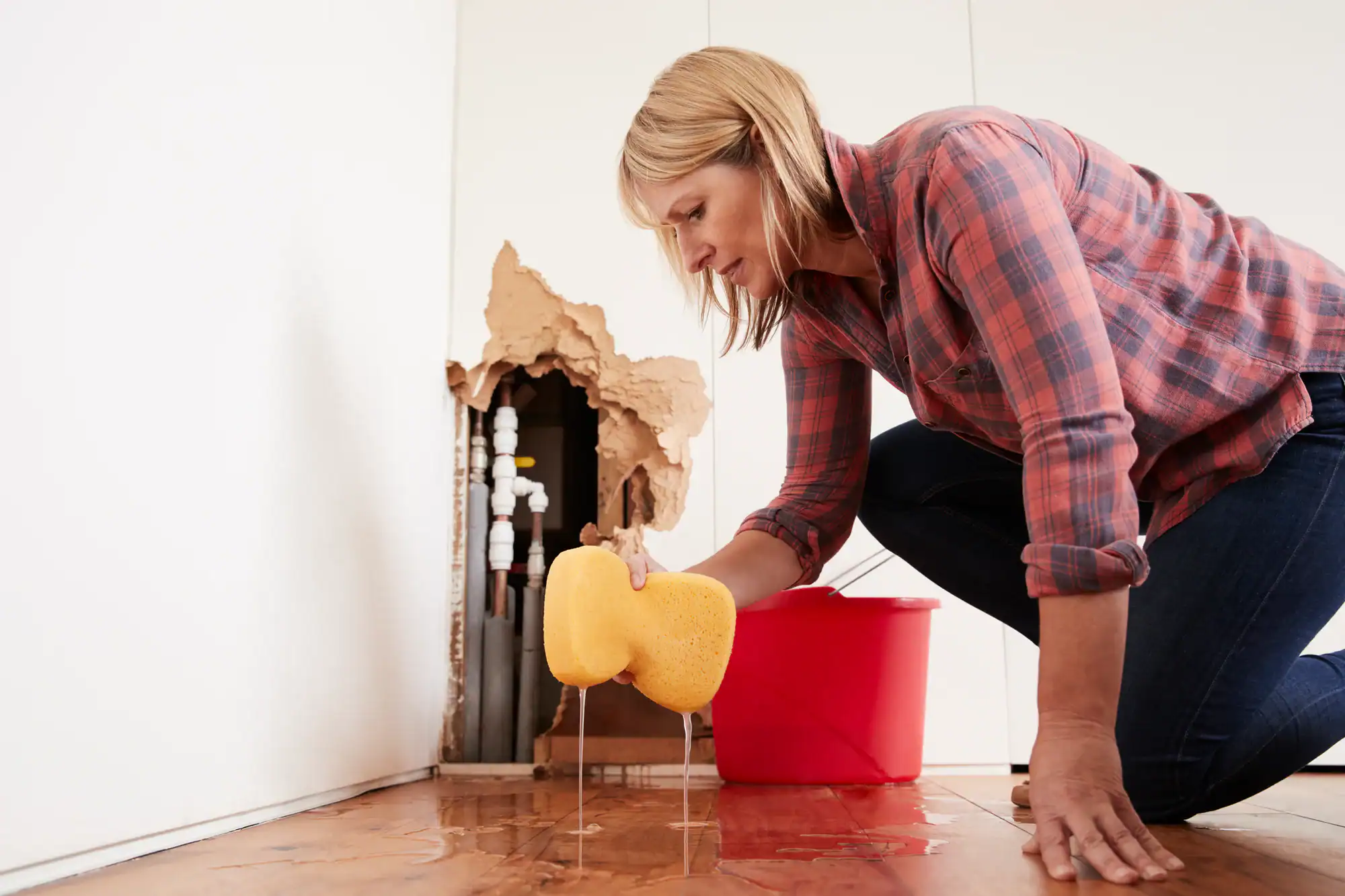
Malverne Park Oaks homes were built to last — but not built to handle water damage alone. When water gets in, we get there fast with the equipment and know-how to stop the damage before it compounds.
I needed a professional consultation explanation of procedure for safe removal of Asbestos in my apartment complex. Without having an account yet, I was very impressed with the caring, knowledgeable and generous advice offered by Jessica, and will look forward to doing business in the future. Thank you so much! I feel much more informed about a sometimes scary endeavor. Peace. Nancy Silva Mineola, NY.
Mia Munoz
Used this company to clean up some water flood in my house. They were fast and easy to work with.very professional, Would recommend to anyone!
Nini Valle
Great company, had a flood and they responded quickly and efficiently. Billed my insurance company directly. I highly recommend this company!
joe colapietro, jr
I had pipe freeze in my basement right before a snow storm and they made to within an hour to help start the clean up process. They we by our side throughout the entire process and even helped with the insurance company. They did such a great job with the cleanup, repair, remidiation, I contracted them to perform the repairs and finishes in the basement. They came with enough manpower and material to get the job done. Leo and Jessica were nothing but a pleasure to deal with!!
Cristian Arredondo c
I had some water damage in my home and Green Island was able to take care of my issue quickly and effectively. I am very pleased with the work they did. They responded quickly and were very professional.
Michael M
Outstanding service! From the office to the field crew everyone was friendly, helpful and responsive. I highly recommend Green Island Group.
Water damage in a Malverne Park Oaks home that’s 60 or 70 years old doesn’t behave the way it does in a newer build. The original concrete block foundations, the wood framing that’s been in place for decades, the basements finished into real living space — all of it absorbs moisture differently, holds it longer, and hides it in places that look completely dry on the surface. When restoration is done correctly, you’re not just cleaning up what you can see. You’re pulling moisture out of the structure itself.
For Malverne Park Oaks specifically, the risk doesn’t go away between storms. Nassau County’s water table sits high enough that during a wet spring — or after a nor’easter stalls over the Southern State Parkway corridor — groundwater can push up through foundation joints even when there’s no visible surface flooding. Homes along this stretch of southern Nassau deal with that reality regularly. Proper drying means addressing what’s happening inside the walls and beneath the floor, not just what’s visible on them.
The other thing that changes when restoration is handled correctly is what happens later. A finished basement in Malverne Park Oaks that was dried to IICRC standards, documented with moisture readings, and closed out with a proper insurance claim is a non-issue at resale. One that was patched and painted over is a liability. With home values in the area sitting near $500,000, the difference between those two outcomes is not a small number.
Long Island Roots, Not a Franchise Routing Your Call
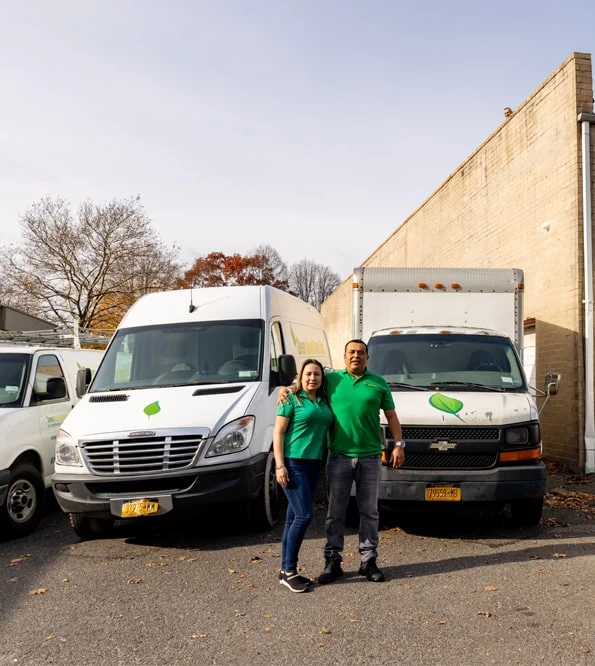
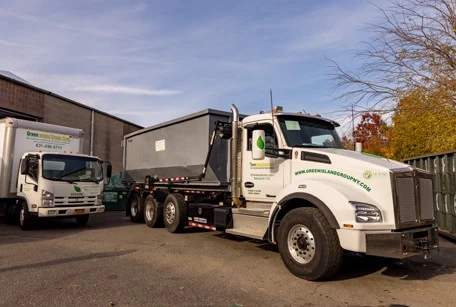
We are locally owned and operated on Long Island. When you call, you reach a Long Island team — not a national call center that assigns your job to whoever’s available in the queue. The crews that show up at your door are Green Island Group employees who know Nassau County, know the housing stock in communities like Malverne Park Oaks, and stay on your job from start to finish.
That matters more than it might sound. National franchise restoration brands operate through local franchise owners, but the call still goes through a corporate system first. By the time a crew is dispatched, you’ve already lost time — and in water damage, time is the variable that determines whether you’re dealing with a manageable claim or a mold problem. We dispatch directly from Long Island, which means faster response and a team that’s accountable to you, not to a brand standard set three states away.
We’ve worked throughout southern Nassau County — Malverne, West Hempstead, Lynbrook, East Rockaway — and we understand the specific conditions that drive water damage in these communities. That’s not a marketing line. It’s what working in one area for a long time actually looks like.
Water Restoration Service Process in Malverne Park Oaks
From the First Call to a Dry, Documented Home
When you call, the first thing that happens is an honest assessment — not a sales pitch. A technician comes out, walks the affected area, and uses thermal imaging and calibrated moisture meters to find where the water actually is, not just where it’s visible. In a mid-century home like most in Malverne Park Oaks, that matters. Water travels. It follows framing, wicks into block walls, and settles into subfloor assemblies in ways that a visual inspection alone will miss.
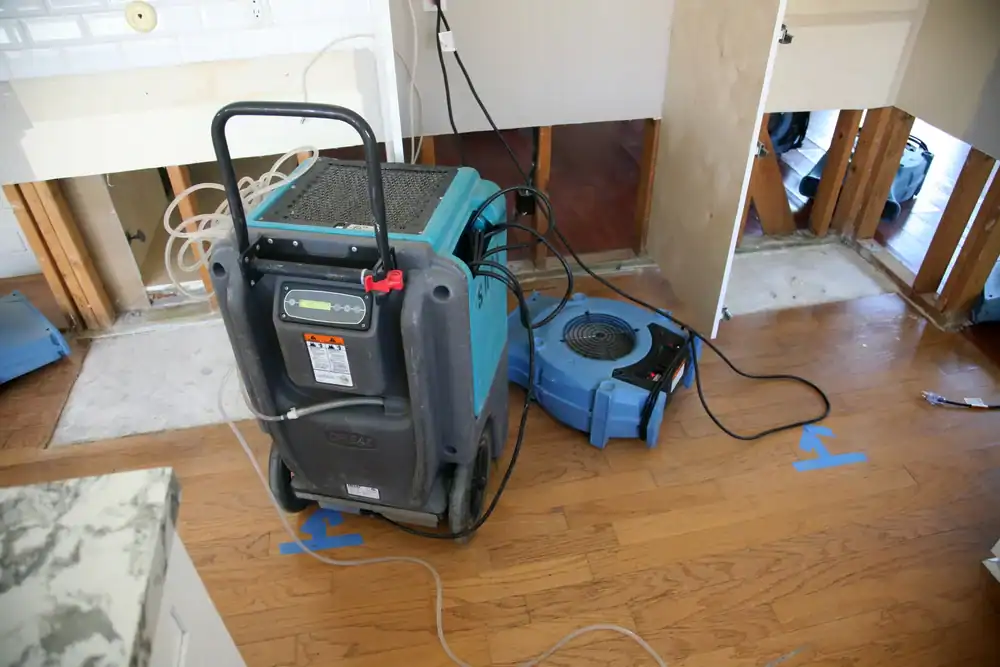
Once the scope is clear, industrial air movers and desiccant dehumidifiers go to work. This isn’t the same as renting a consumer dehumidifier from a hardware store. The equipment creates a controlled drying environment that draws moisture out of structural materials — the kind of drying that meets IICRC S500 standards and produces the documentation your insurance adjuster will actually look for. Moisture readings are taken at every stage and recorded, not estimated.
Because Malverne Park Oaks is an unincorporated hamlet within the Town of Hempstead, any structural restoration work requiring a permit goes through the Town of Hempstead Building Department — not a village building department the way it would in adjacent Malverne or Lynbrook. We know that process and handle it as part of the job. When the work is complete, you get a full written report: before-and-after documentation, moisture readings, and everything formatted for insurance submission.
Water Damage Restoration Services in Malverne Park Oaks NY
What's Actually Included When We Restore Your Home
Water damage restoration is not a single task — it’s a sequence of connected steps, and skipping any one of them is how problems resurface six months later. The process starts with emergency water extraction and structural drying, moves through content protection and pack-out when needed, and includes mold assessment and remediation for any job where moisture has been present long enough to create biological risk. For Malverne Park Oaks homes, that threshold arrives faster than most homeowners expect. Nassau County’s coastal humidity creates baseline moisture conditions that accelerate mold growth — and in a home with older insulation and limited vapor barriers, the 24 to 48 hour window is not a conservative estimate. It’s real.
For any job involving mold remediation, we hold full compliance at both the state level under New York’s Mold Program (Article 32 of the Labor Law) and at the county level under Nassau County’s Environmental Hazard Remediation Provider license requirement. That county-level EHRP license is a separate requirement on top of the state mandate, and many out-of-area operators either don’t know about it or don’t carry it. Hiring someone without it can create complications with your insurance claim and expose you to liability. It’s worth asking any company you consider for both license numbers before work begins.
Every job also includes direct insurance coordination. We work with all major carriers and provide the documentation — moisture logs, photo records, scope reports — in the format adjusters expect. You shouldn’t have to translate between your restoration company and your insurance company. We handle that communication as part of the service.
How quickly can water damage cause mold in a Malverne Park Oaks home?
The standard answer is 24 to 48 hours, and that’s accurate — but in a Malverne Park Oaks home, the conditions often make that window shorter in practice. Most of the housing stock here was built between the 1940s and 1960s, which means older insulation, limited vapor barriers, and basement construction that wasn’t designed with today’s moisture management standards. Add Nassau County’s coastal humidity to that equation, and you have a baseline environment that’s already favorable to mold growth before water damage enters the picture.
What makes it more urgent is that mold doesn’t start where you can see it. It starts inside wall cavities, beneath flooring, and within the framing — places that look and feel dry to the touch while biological growth is already underway. By the time you see visible mold on a surface, the colonization behind it is typically well established. The practical takeaway is simple: the sooner extraction and drying begin, the lower the probability that mold becomes part of the conversation at all.
Does homeowners insurance cover basement flooding and water damage repair costs?
It depends on the cause, and that distinction matters more than most homeowners realize when they’re standing in a wet basement. Standard homeowners insurance typically covers sudden and accidental water damage — a burst pipe, a washing machine supply line that failed, a water heater that let go. It generally does not cover gradual damage, meaning a slow leak that’s been going on for months, or flooding from an external source like rising groundwater, which requires separate flood insurance.
For Malverne Park Oaks homeowners, the most common scenario — a sump pump failure during a spring storm or a nor’easter that overwhelms the drainage systems near the Southern State Parkway corridor — often falls into a gray area depending on how the policy is written and whether sump pump failure coverage was added as a rider. We work directly with insurance carriers and help document the cause and scope of damage in a way that gives your claim the best possible foundation. We don’t inflate scope to maximize a payout, but we do make sure nothing legitimate gets left on the table.
What's the difference between water damage restoration and just drying things out yourself?
The honest answer is that consumer-grade fans and dehumidifiers move surface air. They don’t create the pressure differential needed to pull moisture out of wall assemblies, subfloor systems, or concrete block foundations — which is exactly where water hides in the older homes that make up most of Malverne Park Oaks. A floor that feels dry underfoot after 48 hours with a box fan running may still have elevated moisture content inside the framing below it. That hidden moisture is what produces mold, warped flooring, and structural deterioration over time.
Professional restoration equipment operates to IICRC S500 standards, which means drying is measured and documented — not assumed. Technicians take moisture readings at multiple points throughout the drying process, comparing against baseline readings for the specific materials involved. When the numbers confirm the structure has reached its drying goal, the job is done. When they don’t, drying continues. That documented process also matters for your insurance claim and for your home’s resale record. A properly closed-out restoration file is worth something when a buyer’s inspector starts asking questions years later.
Do I need a permit for water damage restoration work in Malverne Park Oaks?
It depends on the scope of the work. Emergency water extraction and structural drying typically don’t require a permit. But if the restoration involves structural repairs — replacing damaged framing, rebuilding sections of wall, or significant reconstruction after water damage — then yes, a permit is required, and in Malverne Park Oaks, that permit comes from the Town of Hempstead Building Department.
This is a detail that trips up homeowners and contractors who aren’t familiar with the area. Because Malverne Park Oaks is an unincorporated hamlet — not an incorporated village like neighboring Malverne or Lynbrook — there’s no village building department handling local permits. Everything goes through the Town of Hempstead directly. A restoration company that doesn’t know that distinction will either pull permits through the wrong channel, cause delays, or skip the permit process entirely. Unpermitted structural work creates problems at resale and can complicate future insurance claims. We handle the Town of Hempstead permitting process as a standard part of any job that requires it.
Does Nassau County require special licensing for mold remediation after water damage?
Yes, and this is one of the most important questions you can ask before hiring anyone. New York State requires separate licensing for mold assessment and mold remediation under Article 32 of the Labor Law — the same company cannot legally perform both the assessment and the remediation on the same project. That’s the state requirement. Nassau County adds a second layer: contractors performing mold remediation here must also hold an Environmental Hazard Remediation Provider license issued by the Nassau County Department of Health.
That county-level EHRP license is not widely known outside of Long Island, and many restoration companies operating in Nassau County — particularly those based elsewhere or running as thin franchise operations — don’t carry it. Hiring an unlicensed contractor for mold remediation can void your homeowners insurance claim and create legal exposure for you as the homeowner. Before any company starts mold remediation work in your Malverne Park Oaks home, ask for their NYS DOL mold license number and their Nassau County EHRP license number. Any legitimate local operator should be able to provide both without hesitation.
Why does water damage in older Malverne Park Oaks homes tend to cost more to restore?
The age of the housing stock is the main factor. Most homes in Malverne Park Oaks were built between the 1940s and 1960s, and the materials and construction methods of that era behave differently under water damage than modern builds. Original concrete block foundations absorb and hold moisture more readily than poured concrete. Older wood framing — especially in basements — has often been exposed to minor moisture cycles over decades, which means it can be more susceptible to mold colonization once a significant water event occurs. Insulation from that era also tends to retain moisture rather than release it, which extends drying time and increases the scope of material removal.
None of that means restoration is impossible or that costs are unmanageable — it means the process needs to account for what’s actually there, not what a newer home would have. The average water damage insurance claim runs between $11,000 and $13,000 nationally, but costs can climb significantly when water intrusion goes unaddressed or when the underlying materials require more extensive drying and removal. Acting quickly is the single most effective way to keep the scope — and the cost — from expanding. We assess honestly, scope accurately, and give you a clear picture of what’s involved before work begins.