Mastic Beach doesn’t flood like other towns and water damage restoration here can’t be treated like other towns either. We respond fast, work directly with your insurance, and handle everything from extraction to mold to asbestos in one call.
I needed a professional consultation explanation of procedure for safe removal of Asbestos in my apartment complex. Without having an account yet, I was very impressed with the caring, knowledgeable and generous advice offered by Jessica, and will look forward to doing business in the future. Thank you so much! I feel much more informed about a sometimes scary endeavor. Peace. Nancy Silva Mineola, NY.
Mia Munoz
Used this company to clean up some water flood in my house. They were fast and easy to work with.very professional, Would recommend to anyone!
Nini Valle
Great company, had a flood and they responded quickly and efficiently. Billed my insurance company directly. I highly recommend this company!
joe colapietro, jr
I had pipe freeze in my basement right before a snow storm and they made to within an hour to help start the clean up process. They we by our side throughout the entire process and even helped with the insurance company. They did such a great job with the cleanup, repair, remidiation, I contracted them to perform the repairs and finishes in the basement. They came with enough manpower and material to get the job done. Leo and Jessica were nothing but a pleasure to deal with!!
Cristian Arredondo c
I had some water damage in my home and Green Island was able to take care of my issue quickly and effectively. I am very pleased with the work they did. They responded quickly and were very professional.
Michael M
Outstanding service! From the office to the field crew everyone was friendly, helpful and responsive. I highly recommend Green Island Group.
Most towns deal with a burst pipe or an appliance leak. Mastic Beach deals with canal overflow, Moriches Bay surge, groundwater seeping up through slab cracks, and storm systems that hit before you’ve had time to move anything out of the basement. The water problem here isn’t occasional for a lot of homeowners on this peninsula, it’s a recurring reality. What you need after that kind of event isn’t just a crew with fans. You need someone who actually knows what they’re walking into.
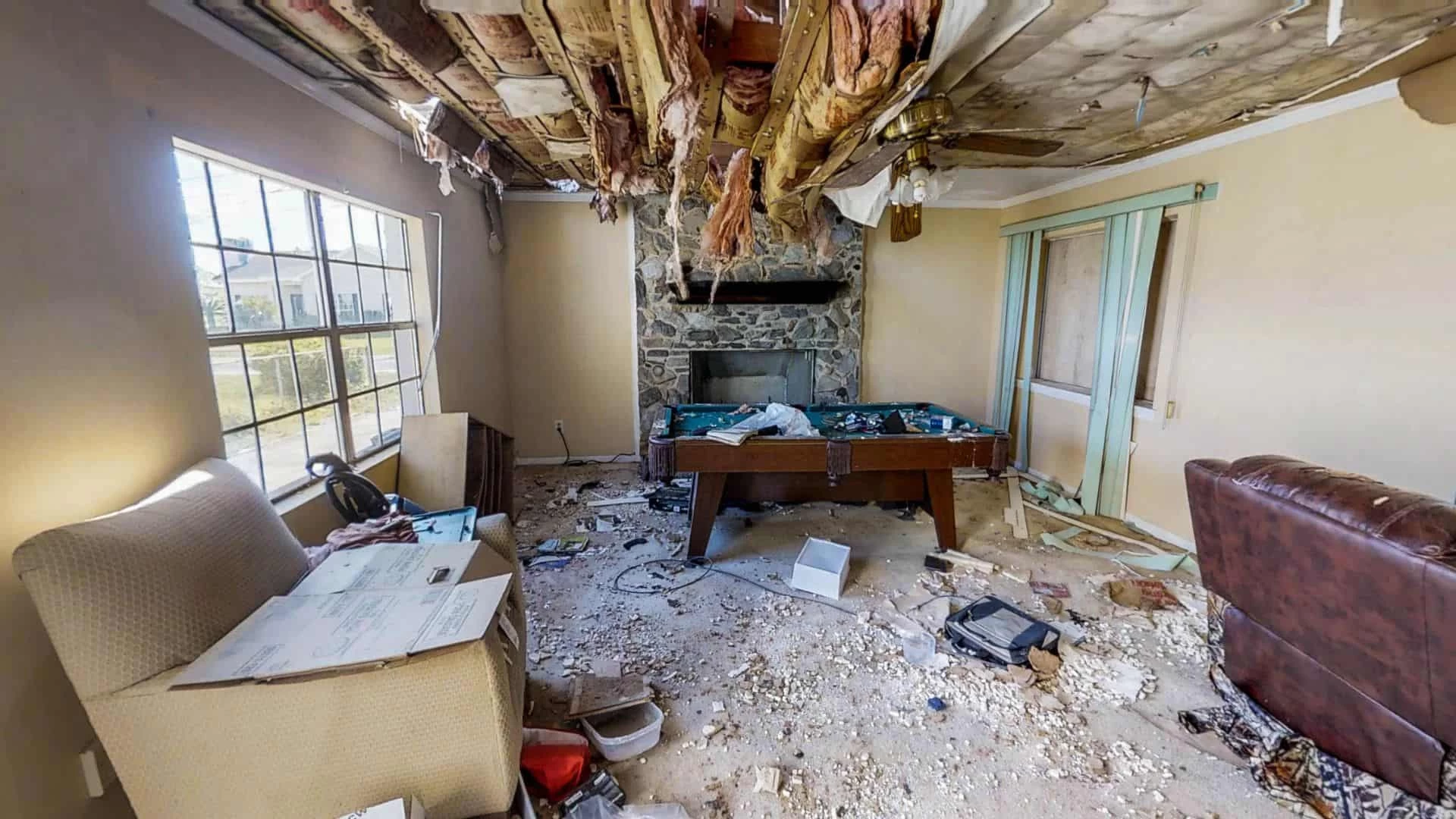
When water damage is handled right fast extraction, complete structural drying, moisture testing behind the walls you stop the clock on mold before it starts. That matters everywhere, but it matters more in Mastic Beach, where older homes built in the 1950s and 60s have no vapor barriers, no modern moisture protection, and walls that absorb water like a sponge. Getting ahead of the damage in the first 24 to 48 hours is the difference between a restoration job and a full gut.
The other thing that changes when the job is done right: you’re not dealing with a second problem six weeks later. No mold showing up behind the drywall. No air quality issues. No contractor coming back to redo what wasn’t finished the first time. You get your home back not a version of it that’s waiting to fail again.
Local, Multi-Service, and Accountable on the South Shore
We’re an independent Long Island company not a franchise, not a call center, not a crew dispatched from three counties away. We serve Suffolk County communities directly, including Mastic Beach and the broader tri-hamlet area of Mastic, Shirley, and Moriches. When you call, you reach people who know this area.
What sets our work apart here is the scope. Most water damage companies dry things out and leave. We handle water extraction, structural drying, mold remediation, asbestos abatement, lead paint remediation, and air quality testing all in-house. For a community where the majority of homes predate 1978 and the housing stock along the canals and bayfront has been absorbing moisture for decades, that matters. You shouldn’t need three separate contractors to restore one flooded basement.
We work directly with insurance adjusters, including NFIP flood insurance claims which is a real advantage in a community where a significant number of homeowners carry flood policies and have already been through the claims process at least once.
What Actually Happens From First Call to Final Inspection
It starts with the call. Our emergency line is answered 24 hours a day by real people not an answering service, not a voicemail. When you call at 2am because your sump pump failed during a nor’easter, someone picks up and dispatch gets moving. For Mastic Beach homeowners, that response window isn’t just a convenience it’s the difference between a manageable water damage job and a mold remediation project.
Once on-site, our first priority is assessment. That means moisture meters, thermal imaging, and a full walkthrough not just what’s visible, but what’s inside the walls, under the flooring, and behind the baseboards. In the older ranch homes and Cape Cods throughout Mastic Beach, water travels. It doesn’t stay where you can see it. Finding it all before drying begins is what makes the restoration complete rather than cosmetic.
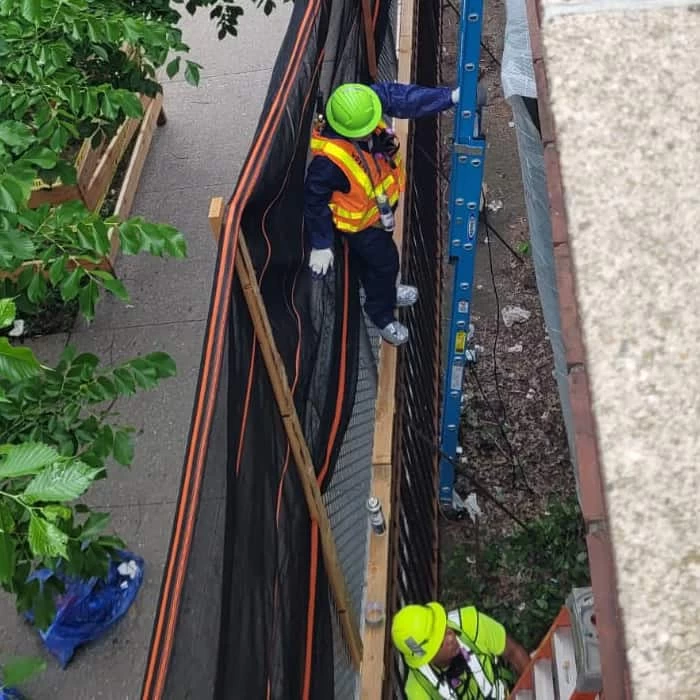
From there: extraction, structural drying with commercial-grade equipment, and ongoing moisture monitoring until the readings are right. If the assessment turns up mold, asbestos materials, or lead paint which is common in pre-1978 homes throughout this community that work is handled in the same process, not handed off to another company. Before the job closes, we prepare documentation for your insurance claim so you’re not scrambling to piece together records after the fact. In Mastic Beach, where FEMA flood insurance claims have specific documentation requirements, that step isn’t optional.
One Company Handles the Water and What Comes After
Water damage restoration in Mastic Beach almost never stops at drying. The homes here are older, the flooding events are often severe, and the combination of saltwater intrusion from Moriches Bay, high groundwater, and aging construction means the job regularly involves more than extraction and fans. We cover the full scope: emergency water extraction, structural drying, moisture mapping, mold testing and remediation, asbestos abatement, lead paint remediation, and indoor air quality testing.
For canal-front and bayfront properties the ones most exposed to tidal flooding and storm surge our assessment process pays special attention to subfloor saturation, foundation wall seepage, and crawlspace conditions that standard drying equipment doesn’t reach. These aren’t edge cases in Mastic Beach. They’re common scenarios in a community that the NY State HCR has documented as continuing to flood during high tides and heavy rainfall, more than a decade after Sandy.
All restoration work is performed in compliance with Town of Brookhaven permitting requirements, New York State Department of Labor asbestos abatement regulations, and EPA RRP standards for lead paint in pre-1978 homes. We prepare insurance documentation including the specific records required for NFIP flood insurance claims as a standard part of every job. You don’t have to chase paperwork while your home is still drying out.
How quickly can we respond to flooding in Mastic Beach?
Our emergency line is answered 24 hours a day, and response to Mastic Beach is typically same-day often within a few hours of the call depending on timing. That speed matters here more than in most places. Mastic Beach sits at one of the lowest elevations on Long Island, with a high water table and a housing stock that absorbs moisture quickly. The IICRC’s standard is clear: mold can begin colonizing within 24 to 48 hours of water exposure. In a home that’s been soaked by canal overflow or storm surge especially an older home without modern vapor barriers that window closes fast.
Calling early in the event, even before the water has fully receded, is always the right move. The sooner extraction begins, the less secondary damage accumulates in walls, flooring, and structural framing. Waiting until the storm passes and the streets clear can cost you significantly more in total restoration scope.
Does homeowners insurance or flood insurance cover water damage restoration costs?
It depends on the source of the water, and that distinction matters a lot in Mastic Beach. Standard homeowners insurance typically covers sudden, accidental water damage a burst pipe, an appliance failure, a roof leak. It generally does not cover flooding from outside the home, which includes storm surge, tidal flooding, and canal overflow. That type of damage falls under flood insurance, which in this area often means a National Flood Insurance Program policy.
A significant number of Mastic Beach homeowners carry NFIP coverage, particularly those in FEMA-designated Special Flood Hazard Areas which includes much of the community’s canal-front and bayfront properties. NFIP claims have specific documentation requirements that differ from standard homeowners claims. We prepare that documentation as part of the job and communicate directly with adjusters so you’re not managing that process alone while your home is still being dried out.
My Mastic Beach home was built in the 1960s should I be worried about asbestos during restoration?
Yes, and any restoration company working in a pre-1978 home in Mastic Beach should be taking that seriously. Homes built between the 1930s and the late 1970s commonly contain asbestos in floor tiles, pipe insulation, ceiling texture, and joint compound all materials that water damage restoration work can disturb. When those materials are wet, damaged, or cut into during demo, asbestos fibers can become airborne. That’s a real risk in a home with children.
New York State Department of Labor regulations require specific licensing for asbestos abatement work, and any contractor performing demolition in a pre-1978 home is required to comply. We hold that licensing and handle asbestos testing and abatement in-house meaning you don’t need a separate contractor, a separate mobilization, or a gap in the restoration timeline while you track someone else down. The same applies to lead paint, which is also common in Mastic Beach’s older housing stock and subject to EPA RRP requirements.
How do I know if there's hidden moisture in my walls after a flood?
You usually can’t tell by looking. A wall surface can feel dry to the touch while the insulation behind it is holding 30 to 40 percent moisture content enough to feed mold growth for weeks. This is one of the most common reasons water damage jobs fail: the visible surfaces dry out, the homeowner thinks the problem is solved, and six weeks later there’s a mold issue behind the drywall.
We use professional moisture meters and thermal imaging cameras to map saturation inside wall cavities, under flooring, and in subfloor assemblies. In Mastic Beach’s older ranch homes and Cape Cods many of which have concrete block foundations, slab-on-grade construction, or crawlspaces that collect groundwater this step is especially important. The high water table here means moisture doesn’t just come from the flood event itself. It can continue wicking up through the foundation long after the surface water is gone. Thermal imaging finds it before it becomes a bigger problem.
What's the difference between water mitigation and full water damage restoration?
Mitigation is the emergency phase stopping the damage from getting worse. That means extraction, drying, and stabilizing the structure. Restoration is everything that comes after: replacing damaged drywall, repairing flooring, addressing structural framing, and returning the home to its pre-loss condition. Some companies only do one or the other, which means you end up coordinating between two contractors at a time when you have enough to manage.
In Mastic Beach, where flooding events can involve saltwater contamination from Moriches Bay surge, the restoration phase often requires more than cosmetic repair. Salt-saturated drywall and insulation don’t just dry they degrade and continue to off-gas moisture into the structure. Materials that have been exposed to Category 3 water (which includes seawater and sewage backup) typically need to be removed and replaced, not just dried. We handle both phases, so there’s no handoff, no scheduling gap, and no version of “done” that leaves work unfinished.
Can water damage lead to mold in a Mastic Beach home, and how fast does it happen?
Mold can begin growing within 24 to 48 hours of water exposure and in Mastic Beach, the conditions that follow a flood event are close to ideal for it. Older homes with limited ventilation, high ambient humidity from the bay, and building materials that hold moisture wood framing, drywall, fiberglass insulation give mold exactly what it needs to establish quickly. Saltwater flooding adds another layer: salt draws moisture back into materials even after they appear dry, extending the window of vulnerability.
The most important thing you can do is get professional drying started as fast as possible and follow it with a legitimate moisture assessment not just a visual check. If mold is found, we handle remediation in-house, which means no delay waiting for a separate company to schedule a visit. For families with young children and a large share of Mastic Beach households have kids under 18 getting the air quality right after a flood isn’t just about the structure. It’s about making sure the home is actually safe to be in again.