When Your Montauk Property Floods, Every Hour Counts
Salt air, coastal storms, and months of vacancy create water damage conditions unlike anywhere else on Long Island. We respond fast and handle everything from extraction to full restoration.
I needed a professional consultation explanation of procedure for safe removal of Asbestos in my apartment complex. Without having an account yet, I was very impressed with the caring, knowledgeable and generous advice offered by Jessica, and will look forward to doing business in the future. Thank you so much! I feel much more informed about a sometimes scary endeavor. Peace. Nancy Silva Mineola, NY.
Mia Munoz
Used this company to clean up some water flood in my house. They were fast and easy to work with.very professional, Would recommend to anyone!
Nini Valle
Great company, had a flood and they responded quickly and efficiently. Billed my insurance company directly. I highly recommend this company!
joe colapietro, jr
I had pipe freeze in my basement right before a snow storm and they made to within an hour to help start the clean up process. They we by our side throughout the entire process and even helped with the insurance company. They did such a great job with the cleanup, repair, remidiation, I contracted them to perform the repairs and finishes in the basement. They came with enough manpower and material to get the job done. Leo and Jessica were nothing but a pleasure to deal with!!
Cristian Arredondo c
I had some water damage in my home and Green Island was able to take care of my issue quickly and effectively. I am very pleased with the work they did. They responded quickly and were very professional.
Michael M
Outstanding service! From the office to the field crew everyone was friendly, helpful and responsive. I highly recommend Green Island Group.
Most people don’t realize the water they can see is rarely the whole problem. Once standing water is removed, moisture has already moved into wall cavities, under flooring, through insulation, and into the wood framing behind everything. In Montauk’s coastal environment, where ambient humidity stays elevated year-round and salt-laden air accelerates the breakdown of building materials, that hidden moisture doesn’t just sit there. It works fast.
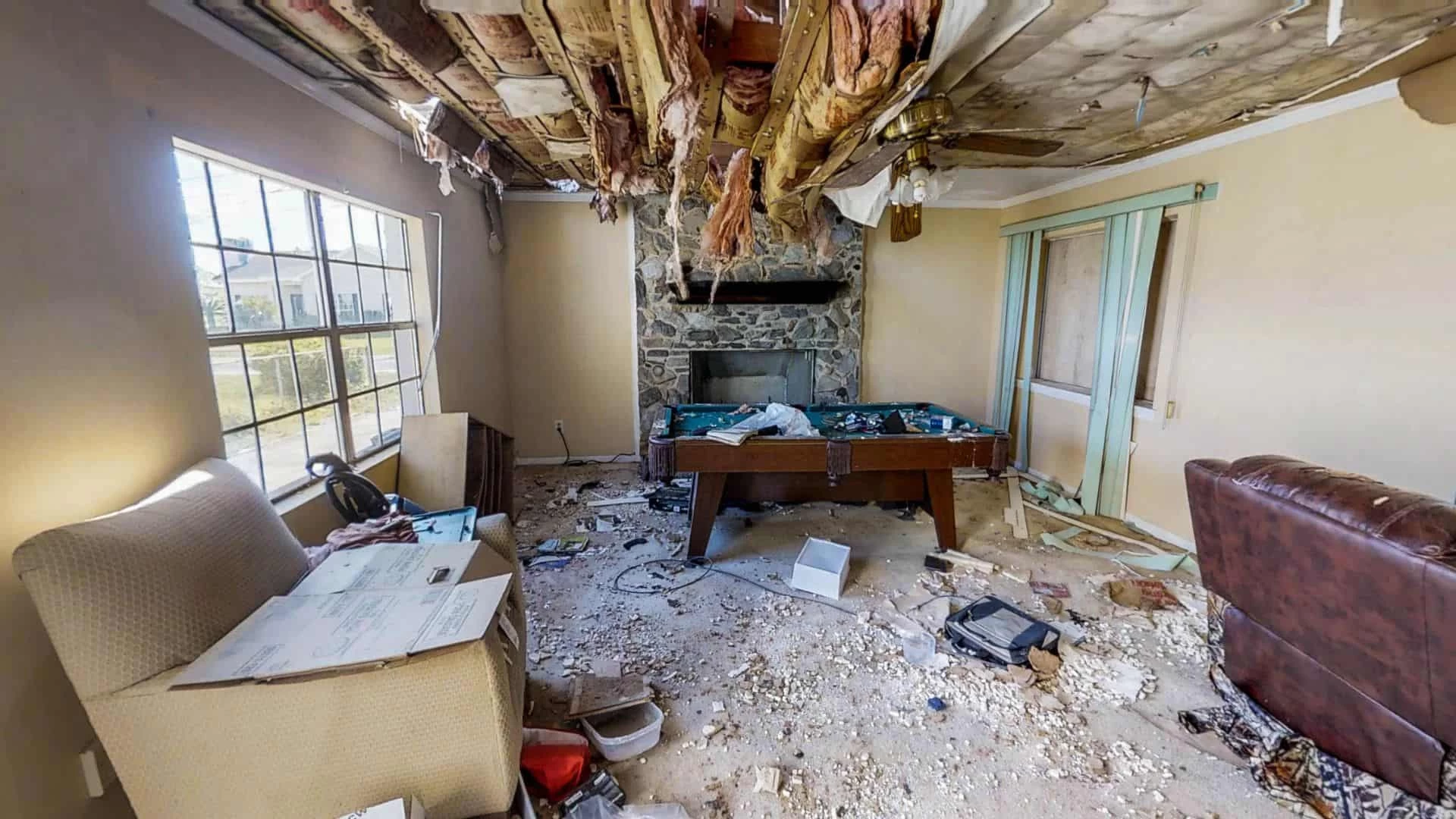
Mold can begin colonizing wet materials within 24 to 48 hours of water exposure. In a Montauk home especially one that’s been closed up since October that window is compressed further by the conditions that make this place different from everywhere else on Long Island. By the time you’re standing in a damp basement in April wondering what happened over the winter, the problem has often been building for weeks.
What proper water damage restoration actually delivers is the removal of moisture you can’t see, not just the water you can. That means commercial drying equipment, moisture readings behind walls, and a documented process that verifies the structure is actually dry before anything gets closed back up. When it’s done right, you’re not just putting things back together you’re protecting the property from the mold, rot, and structural damage that follow when the job stops at the surface.
We’re a Long Island-based environmental and property restoration company not a franchise, not a call center, not a national brand with a local sticker on it. When you call, you reach someone who actually knows Montauk and the East End, has worked on properties throughout Suffolk County, and understands what this area’s specific conditions do to a home over time.
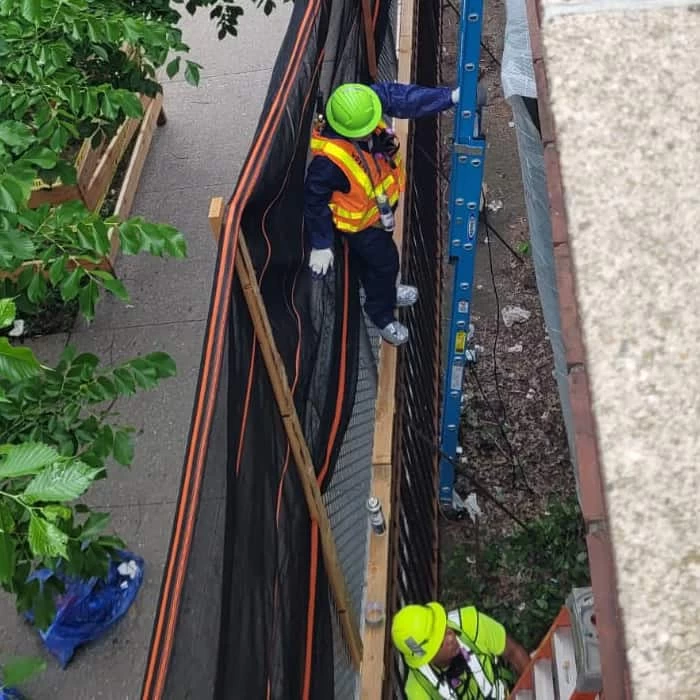
What makes a real difference here is our full-service capability. Water damage in a Montauk property especially one built in the 1950s or 1960s during the post-war development era rarely stops at just water. It often leads to mold. It sometimes involves asbestos-containing materials in the walls or under the floors. We handle water damage, mold remediation, asbestos abatement, and air quality testing under one roof, which means the job gets completed without you having to coordinate three separate contractors while managing everything from your primary residence.
That matters most when you’re not on-site. And in Montauk, that’s a lot of the time.
It starts with an assessment a real one, not a quick walkthrough with a clipboard. We use moisture meters and thermal imaging to find water that has migrated beyond the visible damage area. In Montauk homes, that often means checking crawlspaces, wall cavities behind exterior-facing walls, and subfloor assemblies that have been exposed to the kind of humidity this coastline produces year-round. The goal at this stage is to understand the full scope before any work begins, so there are no surprises mid-project.
Once the assessment is complete, extraction and structural drying begin. Commercial-grade dehumidifiers and air movers are placed strategically not just in the room that flooded, but throughout the affected area based on where moisture readings indicate the water has traveled. This phase takes time, and it’s monitored throughout. Drying isn’t done when the floor looks dry; it’s done when the equipment readings confirm the structure has reached acceptable moisture levels.
From there, the scope determines what comes next. If mold is present which is common in properties that have had undetected moisture exposure over a Montauk winter remediation happens before any reconstruction begins. If the work involves disturbing older building materials, our licensed abatement capability means that gets handled correctly and in compliance with New York State requirements, without stopping the job to bring in a separate contractor. Reconstruction and restoration follow, and the process is documented throughout for your insurance claim.
Water damage in Montauk doesn’t follow the same pattern as a typical Long Island suburb. The combination of ocean exposure on three sides, a housing stock that’s substantially seasonal, and a single access road that puts the nearest major service hub over an hour away means the restoration process here has to account for things that simply don’t apply in Smithtown or Hauppauge. Our work in the East End reflects that from understanding how salt air accelerates material deterioration to knowing how the East Hampton Town Building Department handles permits for restoration work in FEMA flood zone properties.
The services we cover include water extraction, structural drying, mold assessment and remediation, asbestos testing and abatement, air quality testing, sewage cleanup, and full property restoration. For Montauk’s older seasonal cottages and year-round homes, the combination of water and mold services under one company is particularly important the two problems almost always travel together here, and addressing one without the other leaves the job unfinished.
We also work directly with insurance carriers, which matters significantly for Montauk property owners who often carry both standard homeowners coverage and separate flood insurance. Damage is documented to the standard adjusters require, and the process is handled on your behalf whether you’re on-site or managing things remotely from the city.
What should I do if my Montauk vacation home flooded while I was away?
The most important thing is to call a restoration company before you do anything else including trying to clean it up yourself. In a property that’s been vacant, water damage has almost certainly been progressing longer than you realize. What looks like a wet floor may involve saturated wall framing, subfloor damage, and the beginning stages of mold growth behind surfaces that appear dry.
Montauk’s seasonal vacancy pattern makes this scenario more common than most people expect. A pipe that bursts in January, a roof leak that starts in February, or a sump pump that fails during a March nor’easter can run undetected until a spring return visit. By that point, the scope of damage is almost always larger than it would have been if caught immediately. A professional assessment using moisture meters and thermal imaging will tell you what you’re actually dealing with not just what’s visible and give you a documented starting point for your insurance claim.
How fast does mold actually grow after water damage in a coastal home?
The IICRC standard the industry benchmark for water damage restoration is that mold can begin colonizing wet materials within 24 to 48 hours of water exposure. That’s the baseline for any home. In a Montauk property, the conditions compress that window further. Elevated ambient humidity from ocean exposure on three sides, salt air that accelerates the breakdown of building materials, and the limited airflow in a closed-up seasonal home all create an environment where mold establishes faster and spreads more aggressively than in an inland property.
This is why response time matters so much in Montauk. Every hour between when water enters a structure and when professional drying begins is an hour that moisture is migrating deeper into wall cavities, subfloor assemblies, and insulation. By the time mold is visible, it has already been present for a while. Professional restoration catches it before it reaches that stage or addresses it correctly when it already has.
Does homeowners insurance typically cover water damage in Montauk, NY?
Standard homeowners insurance generally covers sudden and accidental water damage a burst pipe, an appliance failure, a roof leak from a storm. What it typically does not cover is flooding from an external source, like storm surge or rising groundwater. For that, you need a separate flood insurance policy, either through the federal NFIP program or a private carrier. Many Montauk properties fall within FEMA-designated flood zones, which means flood coverage isn’t just a good idea it may be required by your mortgage lender.
The distinction between covered and non-covered damage isn’t always obvious after a storm event, and it’s one of the most common points of confusion for property owners going through a claim. We document damage in a way that clearly establishes the cause and scope, which is what adjusters need to process a claim correctly. If your property involves both storm-related flooding and internal water damage from a separate source, that distinction matters for how the claim gets handled and having thorough documentation from the start protects you throughout the process.
How do frozen pipes cause water damage in Montauk homes during winter?
Frozen pipes are the leading cause of residential water damage nationally, accounting for nearly half of all incidents. In Montauk, the risk is amplified by the seasonal vacancy pattern. A home that’s left without heat or with minimal heat-setting during the winter months is highly vulnerable and when a pipe freezes and bursts in an unoccupied property, water can run for days or longer before anyone notices. By the time it’s discovered, the damage has typically extended well beyond the initial break point.
The most vulnerable areas in a Montauk seasonal home are exterior walls, crawlspaces, and any plumbing that runs through unheated spaces. If you’re closing up a property for the winter, draining the water supply lines and having someone check on the property periodically are the most effective preventive steps. If you return in spring and find evidence of a freeze event staining on walls or ceilings, warped flooring, a damp or musty smell the damage has likely been progressing for weeks and needs a professional assessment before any cleanup begins.
Do I need a permit for water damage repairs in East Hampton Town?
Yes, in most cases. Any restoration work in Montauk that involves structural repairs, drywall replacement, or mechanical system work falls under the jurisdiction of the East Hampton Town Building Department, and a permit is typically required. This is especially relevant for properties in FEMA flood hazard overlay zones, where East Hampton Town is actively revising minimum elevation requirements for construction with updated standards taking effect December 31, 2025. Work done in these zones without proper permits and documentation can create problems when you go to sell the property or file a future insurance claim.
We’re familiar with East Hampton Town’s permit and inspection process and factor that into how the restoration work is scoped and documented. For Montauk property owners managing a restoration remotely, having a company that understands the local regulatory requirements rather than leaving you to figure out the permit process on your own is a meaningful part of what makes the job go smoothly from start to finish.
How much does water damage restoration typically cost in the Hamptons?
The range is wide, and it depends heavily on how long the water has been present, how far it has migrated, and what secondary damage has developed. A contained incident caught quickly a dishwasher line that failed and was found the same day might fall in the $3,000 to $7,000 range for extraction, drying, and minor repairs. A Montauk seasonal home where water has been sitting undetected through part of a winter is a different situation entirely. Once mold remediation, structural drying of extended areas, and potential asbestos handling are factored in, costs for those scenarios can reach $25,000 to $50,000 or more depending on the scope.
The single biggest cost driver in Montauk is time specifically, how long the water has been there before restoration begins. Properties that sit unoccupied for months, with no monitoring system in place, consistently produce the largest remediation scopes. An early call, even if you’re not sure how serious it is, almost always results in a smaller final bill than waiting to assess the situation yourself over a weekend. The assessment is free the delay is what costs you.