When Your 1960s Cape Cod Takes On Water, Every Hour Counts
Montrose homes weren’t built with modern plumbing and when something fails, the damage moves fast. We respond 24/7 with certified water damagerestoration services built for the older housing stock along the Route 9A corridor.
I needed a professional consultation explanation of procedure for safe removal of Asbestos in my apartment complex. Without having an account yet, I was very impressed with the caring, knowledgeable and generous advice offered by Jessica, and will look forward to doing business in the future. Thank you so much! I feel much more informed about a sometimes scary endeavor. Peace. Nancy Silva Mineola, NY.
Mia Munoz
Used this company to clean up some water flood in my house. They were fast and easy to work with.very professional, Would recommend to anyone!
Nini Valle
Great company, had a flood and they responded quickly and efficiently. Billed my insurance company directly. I highly recommend this company!
joe colapietro, jr
I had pipe freeze in my basement right before a snow storm and they made to within an hour to help start the clean up process. They we by our side throughout the entire process and even helped with the insurance company. They did such a great job with the cleanup, repair, remidiation, I contracted them to perform the repairs and finishes in the basement. They came with enough manpower and material to get the job done. Leo and Jessica were nothing but a pleasure to deal with!!
Cristian Arredondo c
I had some water damage in my home and Green Island was able to take care of my issue quickly and effectively. I am very pleased with the work they did. They responded quickly and were very professional.
Michael M
Outstanding service! From the office to the field crew everyone was friendly, helpful and responsive. I highly recommend Green Island Group.
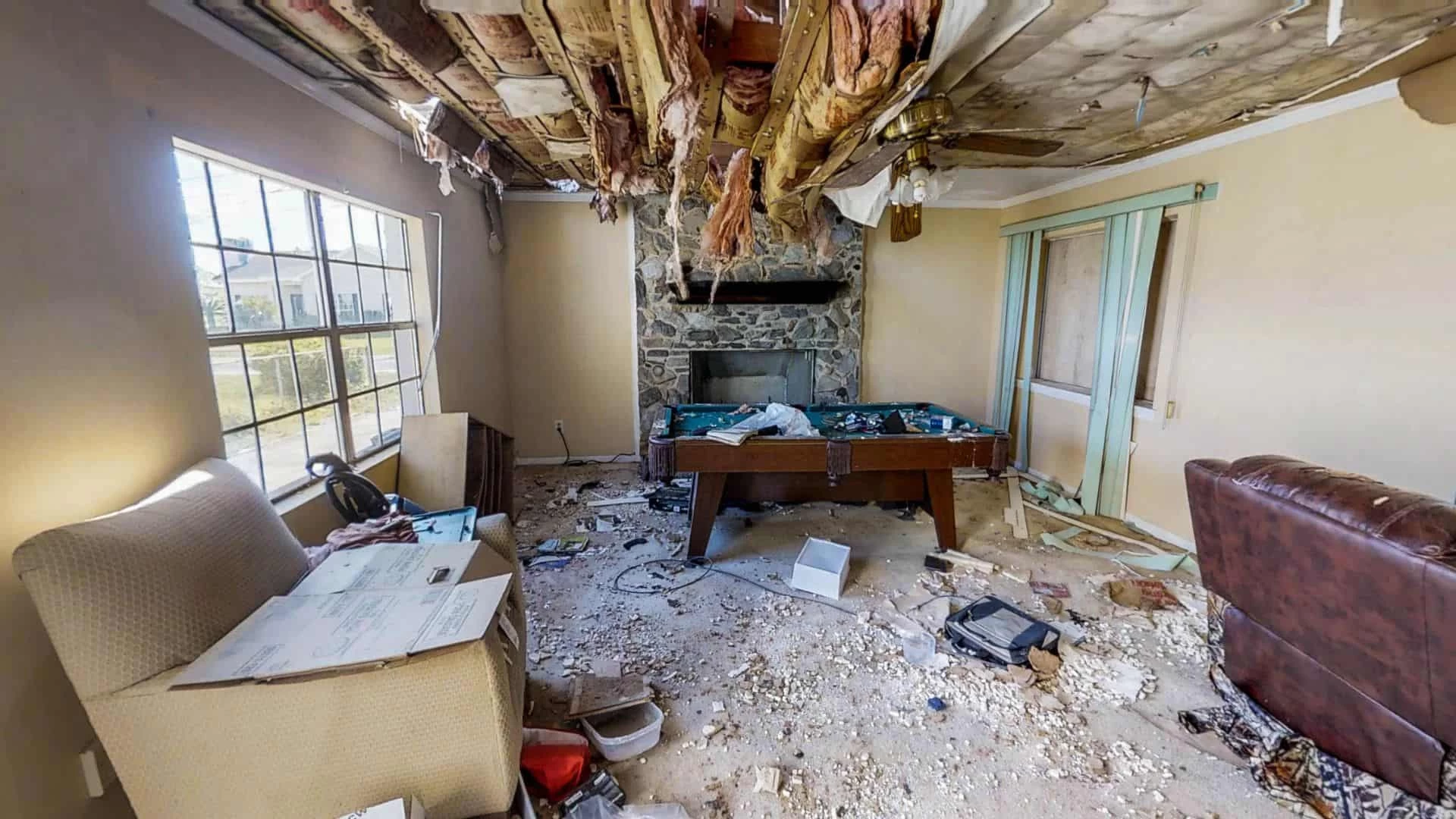
When water gets into a Montrose home whether it’s a burst pipe in January or a flooded basement after a summer storm rolls up the Hudson the damage doesn’t stop when the water does. It keeps moving. Into subfloors. Into wall cavities. Into the old-growth wood framing that’s held your house together since Eisenhower was president. The goal isn’t just getting the water out. It’s stopping what comes next.
More than 75% of homes in Montrose were built before 1970. That means galvanized pipes, original basement slabs, and materials that don’t respond to moisture the way newer construction does. A proper restoration here isn’t a one-size-fits-all job it accounts for what’s actually in your walls, what’s under your floors, and what the structure has been quietly absorbing.
When the job is done right, you’re not just dry. You have documented moisture readings we’ve created that your insurance adjuster will accept, no hidden mold risk left behind, and a home that’s structurally sound not just surface-level clean. That’s the difference between a restoration and a patch job.
12 Years Serving Montrose and Westchester We Still Do This the Hard Way
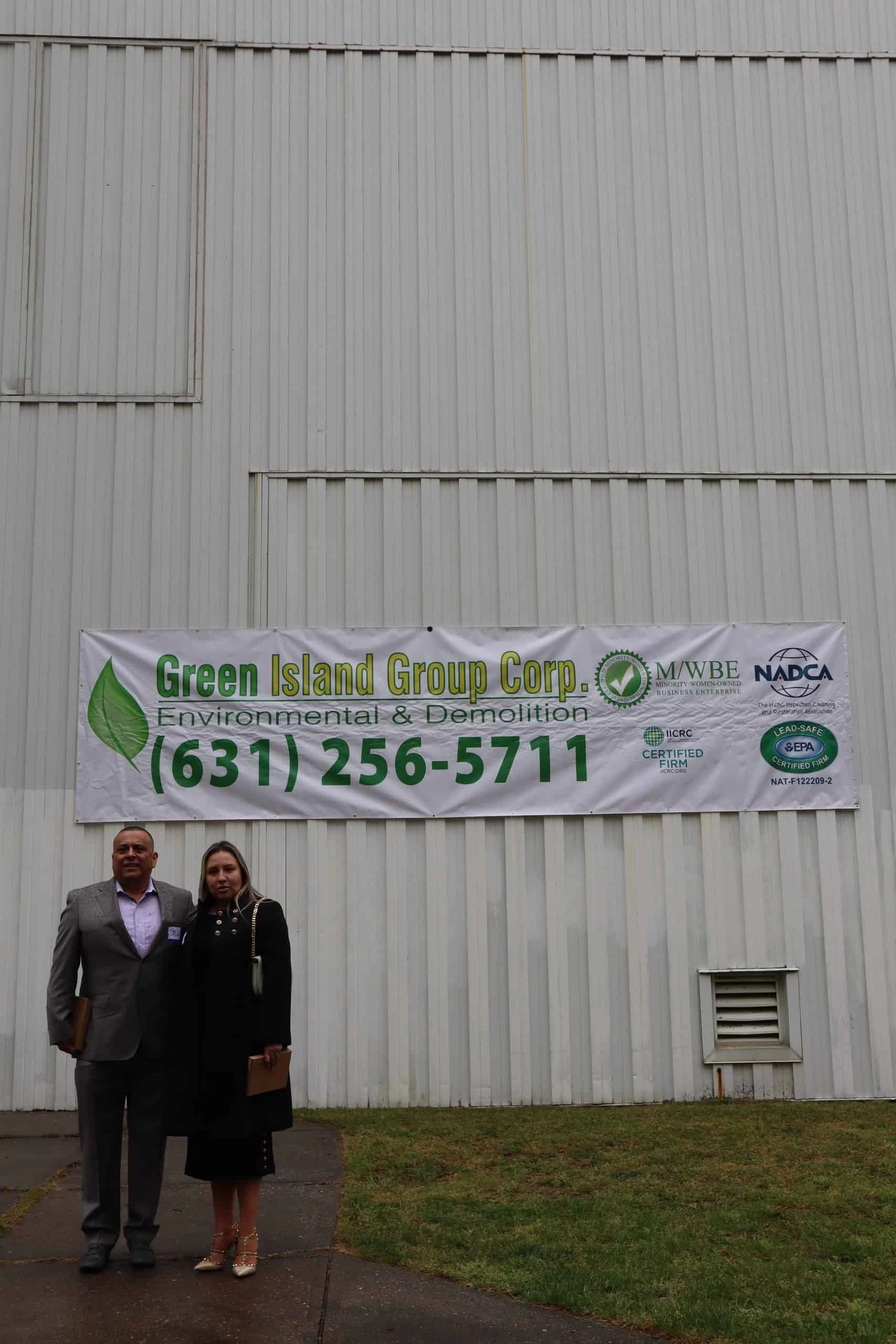
We’ve been handling water damage, mold, and environmental restoration across Westchester County for over 12 years, with deep roots in the Montrose area. We’re NYS and NYC M/WBE certified, IICRC-certified, fully insured liability and workers’ compensation both and we’ve worked directly with the NYS Office of General Services. That’s not a list of credentials for the sake of it. It means we’re accountable in ways that a lot of operators in this space simply aren’t.
We know Montrose. We know what it means to work in homes near the VA campus on Albany Post Road, in the neighborhoods feeding into Cortlandt station, and along the wooded slopes above the Hudson where groundwater doesn’t drain the way you’d hope. We know that water damage in a 1955 raised ranch is a different job than water damage in new construction and we treat it that way.
You also get a 100% satisfaction guarantee and access to financing up to $200,000 at 0% APR, so the scope of work never gets cut short because of cost pressure.
What Actually Happens From First Call to Final Walkthrough
You call or your neighbor calls, or your smart home sensor fires an alert while you’re on the Metro-North platform at Cortlandt station. It doesn’t matter how we hear about it. What matters is that our emergency line runs 24 hours a day, and a certified crew gets moving immediately. The first priority is stopping active water intrusion and beginning extraction before the damage compounds.
Once extraction is underway, we do a full assessment moisture mapping, structural evaluation, and a check for secondary hazards. In Montrose’s pre-1980 housing stock, that last part matters. If water damage has disturbed pipe insulation, floor tiles, or wall materials that may contain asbestos, we identify it before anyone starts tearing things out. That’s not an upsell it’s a legal and safety requirement under New York State regulations, and it’s something most restoration crews aren’t equipped to handle on-site.
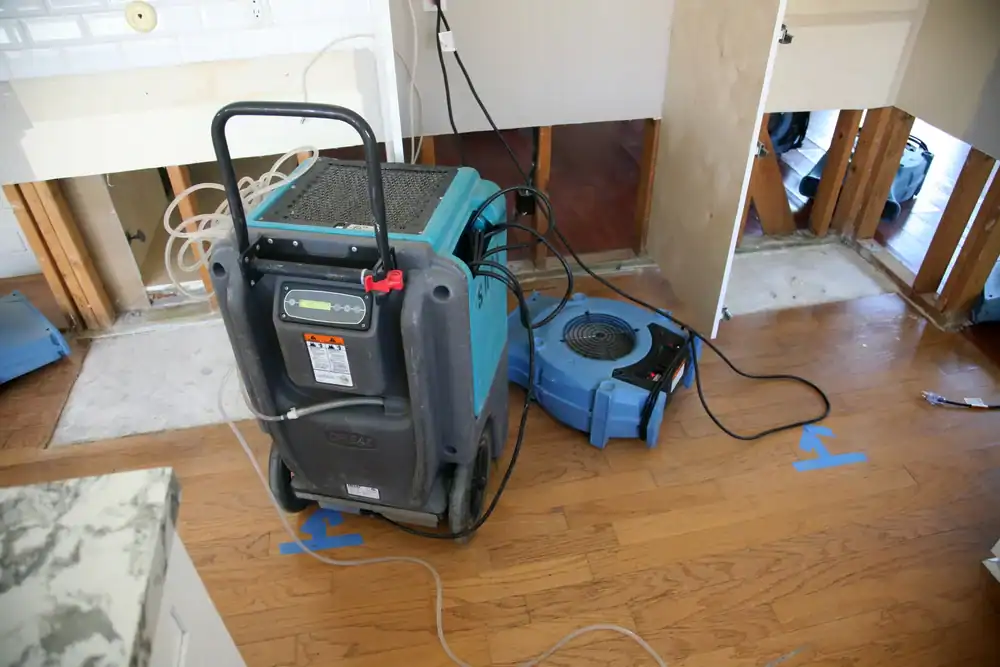
From there, industrial drying equipment goes in, affected materials are removed where necessary, and we document everything moisture readings, photos, scope of work in a format your insurance adjuster can work with directly. We handle the insurer communication. You focus on getting back to normal. The final walkthrough confirms the job is complete, not just finished.
Full Scope Restoration Built for Westchester's Older Homes
Water damage restoration in Montrose isn’t a single service it’s a sequence. Emergency extraction comes first, then structural drying, then mold assessment and remediation if needed, then reconstruction. Most companies hand off somewhere in that chain. We handle all of it, which matters when you’re dealing with a 1960s Cape Cod and you don’t know what the water touched on its way through the walls.
Because Montrose sits along the Hudson River corridor with wooded hillsides, steep drainage slopes, and wetland-adjacent properties throughout the hamlet, water intrusion here tends to be more complex than a simple appliance overflow. Groundwater seeps through old foundation walls. Sump pumps fail during spring snowmelt. Basements flood when the streams running through town can’t handle the runoff from a hard July storm the same kind that suspended Metro-North service on the Hudson Line through Cortlandt in 2023. We’ve seen all of it.
Permits for structural restoration work in Montrose run through the Town of Cortlandt Building Department, and we navigate that process as part of the job. If asbestos abatement is required which is a real possibility in any pre-1980 home where water has disturbed building materials we’re licensed to handle it without subcontracting or stopping the restoration timeline. One company, one contract, full accountability from start to finish.
How quickly does mold start growing after water damage in a Montrose home?
Mold can begin colonizing within 24 to 48 hours of a water intrusion event and that timeline doesn’t care how old your house is or how small the leak seems. In Montrose specifically, the combination of Hudson River proximity, wooded terrain, and the ambient humidity that comes with wetland-adjacent properties creates conditions where mold establishes faster than it would in a drier inland environment.
For the older homes along Route 9A and throughout the hamlet most of which were built between the 1940s and 1960s the risk is compounded by the materials themselves. Old-growth wood subfloors, plaster walls, and original insulation absorb moisture deeply and don’t release it the way modern materials do. By the time you can smell something, the mold is already behind the wall. That’s why extraction and drying need to start as fast as possible, not after you’ve called your insurance company, waited for a callback, and scheduled an adjuster visit. Call us first. Document second. The clock is running either way.
Does homeowner's insurance typically cover water damage restoration in Westchester County?
Most standard homeowner’s insurance policies cover sudden and accidental water damage a burst pipe, a washing machine overflow, an ice dam that forces water through your roof. What they typically don’t cover is gradual damage, meaning a slow leak that’s been dripping behind your wall for six months. The distinction matters, and it’s one of the first things an adjuster will look at.
In Westchester County, where a significant portion of the housing stock is 50 to 80 years old, the line between sudden and gradual can get complicated. Galvanized pipes corrode from the inside out over decades when one finally fails, was that sudden or gradual? That’s exactly the kind of question where proper documentation makes the difference. We document the damage thoroughly from the first hour on-site, in a format that supports your claim rather than leaving gaps for an adjuster to question. We also communicate with your carrier directly, so you’re not translating between a restoration crew and an insurance rep while trying to manage a damaged home.
What should I do first when I discover water damage in my Montrose home?
The first thing to do is stop the source if you safely can shut off the water supply to the affected area, or the main shutoff if you’re not sure where it’s coming from. If the water is near any electrical panels, outlets, or appliances, don’t wade into it. Call a professional before you go back in.
After that, call a restoration company before you call your insurance company. That’s not the order most people assume, but it’s the right one. We can be on-site extracting water and documenting damage while you’re still on hold with your carrier. The documentation we create moisture readings, photos, scope of work is exactly what your adjuster needs, and it’s far more credible coming from a certified technician than from photos on your phone. In a Montrose home where many residents commute to the city via Cortlandt station and may not discover damage until hours after it starts, getting a crew moving immediately limits how far the water travels into your floors and walls before the drying process begins.
Can water damage in an older Montrose home also mean there's asbestos involved?
Yes and it’s a question worth taking seriously if your home was built before 1980. Asbestos was commonly used in pipe insulation, floor tiles, joint compound, and ceiling materials throughout the postwar construction era. In Montrose, where more than 75% of homes were built before 1970, that’s a large portion of the housing stock. When water damage disturbs those materials whether it’s a burst pipe soaking through insulation or a flooded basement lifting old vinyl floor tiles there’s a real possibility of asbestos exposure if the work isn’t handled correctly.
Under New York State law, asbestos abatement must be performed by a licensed contractor. It’s not optional, and it’s not something a general restoration crew can handle on the side. We hold the required licensing and perform asbestos abatement as part of the restoration process not as a separate job you have to coordinate with a different company. If testing confirms asbestos is present, the work continues under the same contract, on the same timeline, without stopping the restoration while you locate a separate abatement contractor.
How does Green Island Group handle the insurance claim process for water damage?
We work directly with your insurance carrier. That means we handle the documentation, communicate with the adjuster, and submit the scope of work in the format insurers require so you’re not stuck playing middleman between the restoration crew and the claims department while your home is still wet.
From the moment we’re on-site, everything is documented: moisture readings at multiple points, photos of affected areas, a written assessment of what needs to come out and why. That documentation becomes the backbone of your claim. Insurance adjusters are trained to look for gaps areas that weren’t properly assessed, materials that were dried in place rather than removed, or drying timelines that don’t match the scope of damage. Our process is built to close those gaps before they become disputes. We also offer financing up to $200,000 at 0% APR, which means if your claim doesn’t cover the full scope of what’s needed, you’re not forced to cut corners on the restoration to stay within what insurance will pay.
Is water damage restoration in Montrose more complicated because of the town's geography?
Honestly, yes and it’s worth understanding why. Montrose sits along the Hudson River with wooded hillsides, steep drainage slopes, and wetland areas running through and around the hamlet. That geography means groundwater moves toward lower-lying properties during heavy rain and snowmelt in ways that a flat suburban neighborhood doesn’t experience. Older homes near stream corridors or on lower-elevation lots see basement seepage and foundation intrusion that isn’t always covered under standard water damage claims it can fall into flood or groundwater categories, which require different documentation and sometimes different coverage.
The Westchester County freeze-thaw cycle adds another layer. Pipes in crawl spaces and exterior wall cavities in Montrose’s older homes are under real stress from December through March, and a single hard freeze following a warm spell is enough to split a galvanized line that’s been weakening for years. Because many Montrose residents commute to New York City and aren’t home during the day, a pipe failure on a Tuesday morning can go undetected for eight or nine hours which is enough time for water to reach every floor in the house. Knowing that geography and knowing how to respond to it quickly is what separates a restoration company that serves this area from one that just shows up here.