Water Damage in Murray Hill Doesn't Wait Neither Do We
When water gets into your Murray Hill home, every hour it sits makes the damage worse. We respond fast to water damage restoration calls across the neighborhood so you’re not left watching the problem grow.
I needed a professional consultation explanation of procedure for safe removal of Asbestos in my apartment complex. Without having an account yet, I was very impressed with the caring, knowledgeable and generous advice offered by Jessica, and will look forward to doing business in the future. Thank you so much! I feel much more informed about a sometimes scary endeavor. Peace. Nancy Silva Mineola, NY.
Mia Munoz
Used this company to clean up some water flood in my house. They were fast and easy to work with.very professional, Would recommend to anyone!
Nini Valle
Great company, had a flood and they responded quickly and efficiently. Billed my insurance company directly. I highly recommend this company!
joe colapietro, jr
I had pipe freeze in my basement right before a snow storm and they made to within an hour to help start the clean up process. They we by our side throughout the entire process and even helped with the insurance company. They did such a great job with the cleanup, repair, remidiation, I contracted them to perform the repairs and finishes in the basement. They came with enough manpower and material to get the job done. Leo and Jessica were nothing but a pleasure to deal with!!
Cristian Arredondo c
I had some water damage in my home and Green Island was able to take care of my issue quickly and effectively. I am very pleased with the work they did. They responded quickly and were very professional.
Michael M
Outstanding service! From the office to the field crew everyone was friendly, helpful and responsive. I highly recommend Green Island Group.
Your Murray Hill Home Dry, Safe, and Back to Normal
Water damage doesn’t just ruin what you can see. It soaks into walls, seeps under flooring, and hides behind baseboards and in Murray Hill’s older brick rowhouses and two-family homes, those aging materials absorb moisture fast. Left unaddressed, that moisture becomes a mold problem. And in homes built between the 1920s and 1960s which describes a large portion of this neighborhood that’s a serious concern.
Queens’ combined sewer system is another reality Murray Hill homeowners deal with. When a heavy storm hits and the drains back up, it’s not just water coming through your basement floor. That’s a contamination issue that requires a different level of cleanup than a standard pipe leak. Knowing the difference and responding to it correctly is what separates a real restoration job from one that just looks finished.
When the job is done right, you get more than dry walls. You get documentation we’ll provide to your insurance company, a home that’s been tested for moisture not just visually inspected and the confidence that mold isn’t quietly growing behind the drywall three weeks later.
We Know Murray Hill's Buildings. We Know What's Behind the Walls.
We’ve been doing water damage restoration work across Queens for years and Murray Hill is territory we know well. The brick rowhouses near Northern Boulevard, the two-family homes on the quieter residential streets south of Roosevelt Avenue, the basement units common throughout Community District 7 these aren’t abstract building types to us. We’ve worked in them, and we understand how water moves through them.
What that means for you is a team that doesn’t show up guessing. We know where moisture hides in these structures, what materials are most at risk, and how to document damage in a way that holds up with your insurance adjuster. We’re IICRC-certified, licensed for mold remediation under New York State law, and we handle the full job from the first call to the final repair.
What Actually Happens From Your First Call to a Dry Murray Hill Home
When you call, you reach a real person not a voicemail or an after-hours answering service. We dispatch a crew to your Murray Hill address, and we move quickly because we understand what’s at stake when water is sitting in your home.
Once we arrive, the first thing we do is assess the full scope of the damage using calibrated moisture meters not just a visual walkthrough. Water travels further than it looks, especially in older homes with plaster walls and original hardwood floors. We map out every affected area before we touch anything, and we photograph it all for your insurance claim.
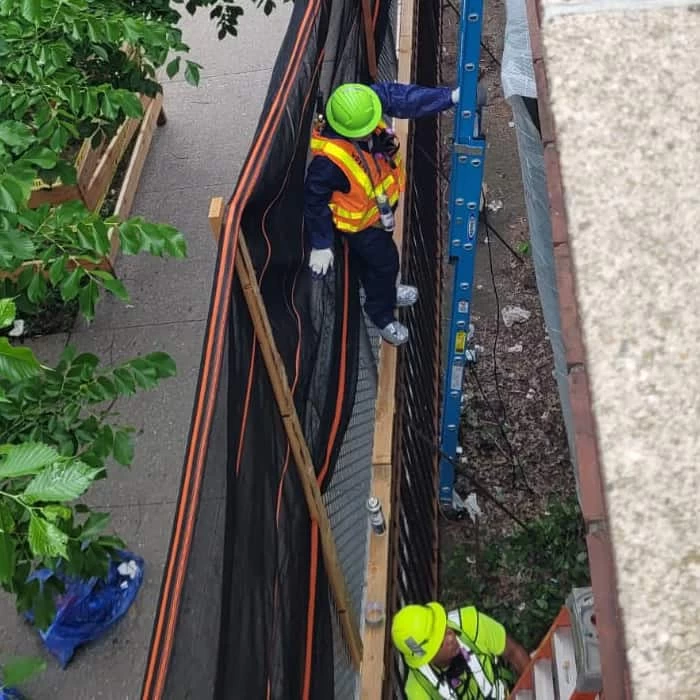
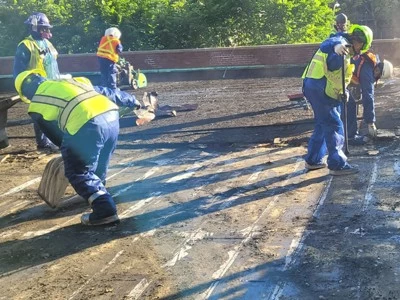
From there, we extract standing water, set up industrial drying equipment, and begin the structural drying process. In New York City, any work that involves opening walls or modifying plumbing requires proper licensing and, in many cases, NYC Department of Buildings permits we handle that. If your home was built before 1978, which covers a significant portion of Murray Hill’s housing stock, EPA lead paint rules apply to any repair work that disturbs painted surfaces, and we follow those protocols. The job isn’t closed until moisture readings confirm everything is dry to IICRC standards not just until it looks dry.
Flood Damage Repair and Water Restoration Murray Hill
From Burst Pipes to Sewage Backup We Handle Every Water Damage Scenario in Murray Hill
Water damage in Murray Hill comes from a few predictable sources: aging plumbing that finally gives out, basement drains backing up during a heavy storm, appliances leaking undetected for weeks, or roof and window infiltration during a nor’easter. Each situation requires a different response, and we’re equipped for all of them.
For sewage backup events which happen throughout Queens Community District 7 when the combined sewer system gets overwhelmed we follow biohazard-level cleanup protocols. That means antimicrobial treatment, proper disposal of contaminated materials, and full documentation of the scope. This isn’t the same job as drying out a burst pipe, and it shouldn’t be treated that way.
Mold remediation is built into how we work, not added on as an extra charge after the fact. New York State requires that any mold project over 10 square feet be handled by a licensed contractor under Labor Law Article 32 we’re licensed, and we take that seriously. We also work directly with your homeowner’s insurance company, providing the moisture logs, photos, and written assessments that adjusters need to process your claim. You’ve already got enough to deal with navigating the insurance side of this shouldn’t be on your plate too.
How quickly can you respond to water damage in Murray Hill, NY?
We offer 24/7 emergency response, and when you call, you’re reaching someone who can actually dispatch a crew not a call center that logs your request for the next morning. For Murray Hill specifically, our teams are positioned throughout the northern Queens corridor, which means we’re not driving in from Long Island or another borough when you need us.
Response time matters more in water damage situations than most people realize. Mold can begin developing within 24 to 48 hours of water exposure, and in Murray Hill’s older homes many of which have wood framing, plaster walls, and original hardwood floors those materials absorb moisture quickly. The faster we arrive, the more we can limit the damage and the lower your overall restoration cost is likely to be.
Does homeowner's insurance cover water damage restoration in Queens, NY?
It depends on the source of the damage. Most standard homeowner’s insurance policies in New York cover sudden and accidental water damage a burst pipe, an appliance failure, or a roof leak from a storm. What they typically don’t cover is gradual damage that built up over time, or flooding from an outside water source, which usually requires separate flood insurance.
The claims process itself is where a lot of Murray Hill homeowners run into trouble. Insurance adjusters need specific documentation moisture readings, photographs, written damage assessments, and itemized estimates and if that documentation isn’t thorough, your payout can fall short of what the actual repair costs. We handle that documentation as part of every job and communicate directly with your insurer, so nothing gets missed and nothing gets undervalued.
What's the difference between water damage and sewage backup cleanup?
They’re not the same job, and they shouldn’t be treated the same way. Clean water from a burst pipe or appliance is a moisture and drying problem. Sewage backup which happens in Murray Hill and throughout Queens when the combined sewer system gets overwhelmed during heavy rain introduces contaminated black water into your home. That’s a biohazard situation.
Sewage backup cleanup requires antimicrobial treatment, proper disposal of contaminated materials like flooring and drywall that absorbed the water, and thorough sanitization of the affected space. Any restoration company that treats a sewage backup the same way they’d treat a leaky washing machine isn’t doing the job correctly. We follow biohazard-level protocols for these situations, and we document everything for your insurance claim, since sewage backup coverage is often a separate rider on homeowner’s policies.
How do I know if there's hidden water damage in my Murray Hill home?
The signs aren’t always obvious, especially in Murray Hill’s older housing stock where walls are often plaster over wood lath and floors are original hardwood. You might notice a musty smell before you see any visible damage. Walls or ceilings that feel soft or look slightly discolored, flooring that’s started to warp or buckle, or persistent humidity in a room that didn’t used to feel that way all of these are indicators that moisture is present somewhere it shouldn’t be.
We use calibrated moisture meters to test walls, floors, and ceilings not just look at them. A visual inspection alone misses a lot, particularly in homes where water has traveled through wall cavities or under flooring before it became visible. If you’ve had any water event in your home even one that seemed minor a professional moisture assessment is worth doing. Catching hidden moisture early is significantly cheaper than dealing with a mold remediation job three months later.
Can water damage cause mold in my home, and how fast does it happen?
Yes, and it happens faster than most people expect. Mold can begin growing within 24 to 48 hours of water exposure, given the right conditions and in Murray Hill’s humid summers, those conditions are easy to meet. Warm temperatures, moisture trapped in walls or under flooring, and organic materials like wood framing or drywall paper all create an environment where mold establishes quickly.
The reason this matters for Murray Hill homeowners specifically is the age of the housing stock. Older homes have more organic building materials wood framing, plaster, original subfloor that mold feeds on more readily than modern synthetic materials. Under New York State Labor Law Article 32, any mold remediation project covering more than 10 square feet must be performed by a licensed contractor. We’re licensed, and we treat mold prevention as a standard part of every water damage restoration job not something we bring up after the fact.
How does Green Island Group handle water damage in older Murray Hill two-family homes?
Two-family homes present a specific challenge that single-family restoration jobs don’t: water doesn’t respect unit boundaries. A pipe failure or appliance leak on the upper floor can migrate through the floor assembly into the unit below, and shared walls mean moisture can travel laterally into spaces that weren’t obviously affected by the original event. We’ve worked in enough of Murray Hill’s two-family homes to know where to look and how to document damage across both units.
There’s also a practical consideration around tenants. If a tenant’s unit is affected, the documentation we provide matters for both the homeowner’s insurance claim and any obligations the property owner has to the occupant. We photograph and log every affected area in both units, which protects you as the property owner and gives your insurer a complete picture of the damage. For homes built before 1978 which covers a large portion of Murray Hill’s housing stock we also follow EPA RRP lead paint protocols for any repair work that disturbs painted surfaces, keeping everyone in the home safe throughout the process.