When Nesconset's Older Homes Get Hit, Every Hour Counts
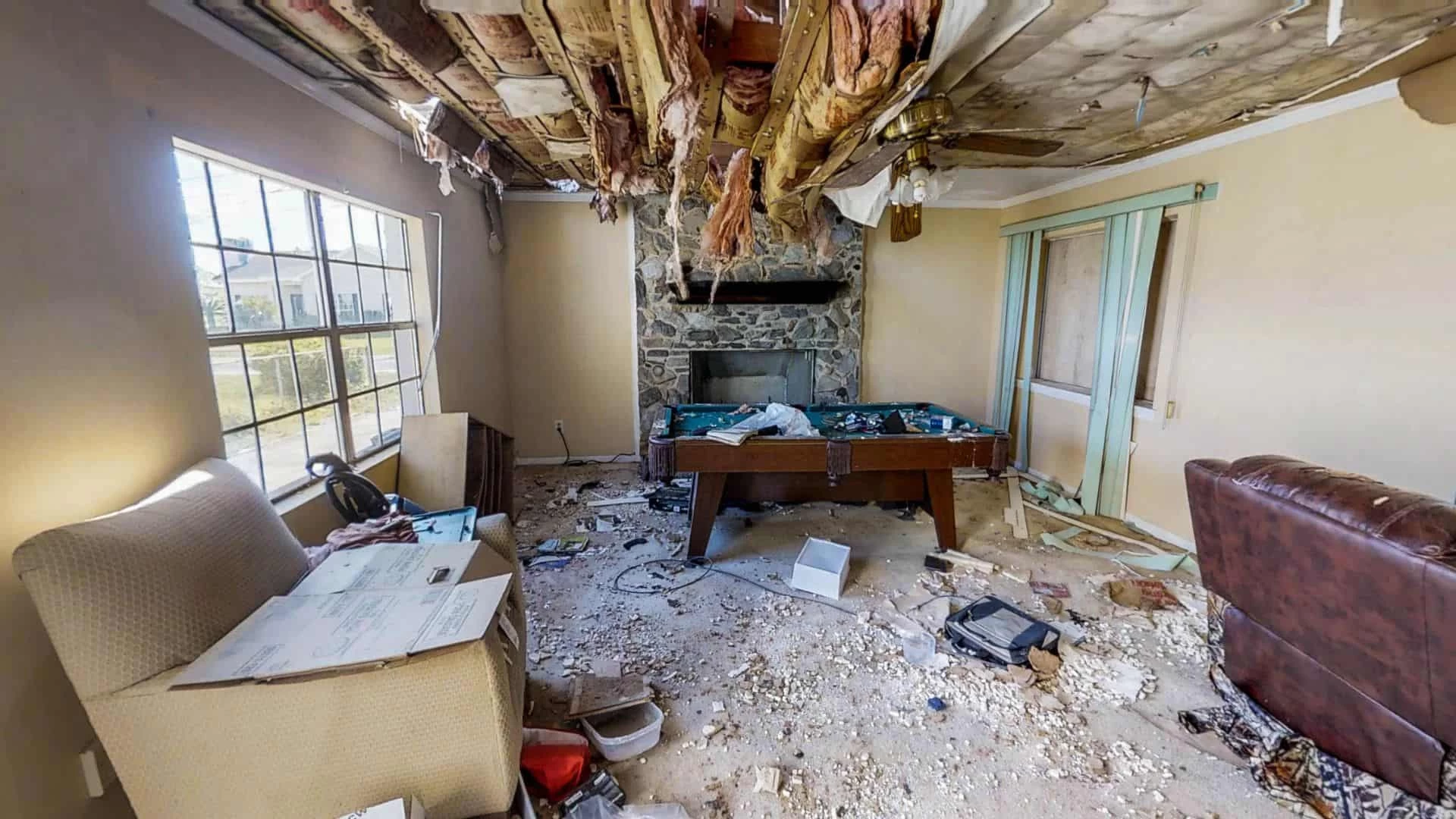
Water damage moves fast and in a 1960s Nesconset home, it moves even faster. We respond 24/7 with full water damage restoration built for the homes and conditions right here in Suffolk County.
I needed a professional consultation explanation of procedure for safe removal of Asbestos in my apartment complex. Without having an account yet, I was very impressed with the caring, knowledgeable and generous advice offered by Jessica, and will look forward to doing business in the future. Thank you so much! I feel much more informed about a sometimes scary endeavor. Peace. Nancy Silva Mineola, NY.
Mia Munoz
Used this company to clean up some water flood in my house. They were fast and easy to work with.very professional, Would recommend to anyone!
Nini Valle
Great company, had a flood and they responded quickly and efficiently. Billed my insurance company directly. I highly recommend this company!
joe colapietro, jr
I had pipe freeze in my basement right before a snow storm and they made to within an hour to help start the clean up process. They we by our side throughout the entire process and even helped with the insurance company. They did such a great job with the cleanup, repair, remidiation, I contracted them to perform the repairs and finishes in the basement. They came with enough manpower and material to get the job done. Leo and Jessica were nothing but a pleasure to deal with!!
Cristian Arredondo c
I had some water damage in my home and Green Island was able to take care of my issue quickly and effectively. I am very pleased with the work they did. They responded quickly and were very professional.
Michael M
Outstanding service! From the office to the field crew everyone was friendly, helpful and responsive. I highly recommend Green Island Group.
Your Nesconset Home Dried, Restored, and Protected Completely
When water gets into your home, the clock starts immediately. Mold can begin growing within 24 to 48 hours and in the post-war construction that makes up most of Nesconset’s housing stock, that window matters more than most people realize. Older drywall, original wood framing, and decades of absorbed humidity in the structure create ideal conditions for mold to take hold fast. Getting the right team there quickly isn’t just smart it’s the difference between a manageable restoration and a much bigger problem.
Once the water is out and the structure is properly dried, you get your home back. Not just livable actually restored. Floors, walls, and finishes brought back to where they were. That matters here because homes in Nesconset are worth protecting. With median sale prices well above $700,000, cutting corners on a restoration job isn’t just frustrating it shows up when you go to sell.
There’s also something specific to Nesconset that a lot of homeowners don’t think about until it’s too late. Properties near Gibbs Pond Road and the southern sections of the hamlet sit on ground with a naturally elevated water table. When a major storm rolls through like the August 2024 event that dropped nearly 10 inches of rain on western Suffolk County and pushed the Town of Smithtown into a flooding emergency that groundwater pressure builds fast. Knowing what you’re actually dealing with, and treating it the right way, is what separates a complete restoration from one that leaves hidden moisture behind.
One Company That Handles Whatever the Walls Reveal in Nesconset
We’re a full-service environmental and property restoration company serving Long Island and the surrounding area. Water damage restoration is one piece of what we do but it’s rarely the only thing a job requires, especially in a community like Nesconset where most of the homes were built in the 1950s and 1960s.
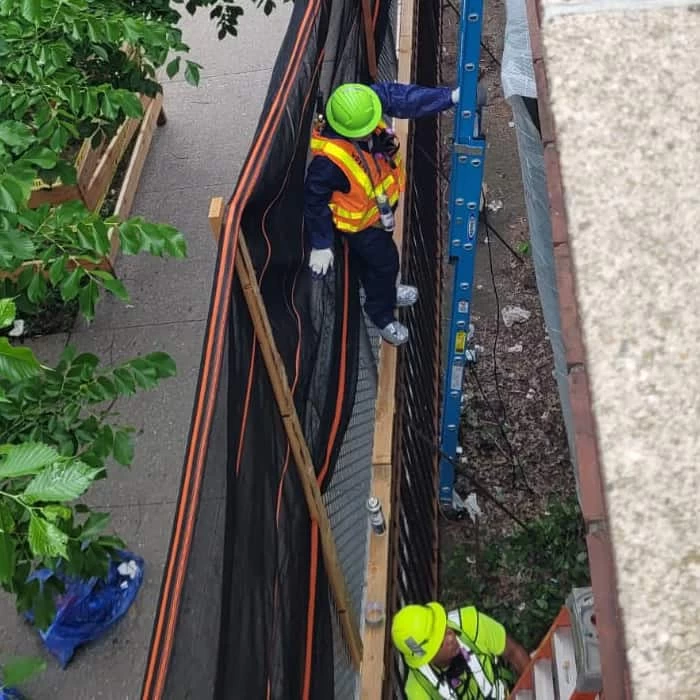
Opening walls in a Nesconset home from that era can turn up asbestos floor tile adhesive, lead paint, or mold that’s been growing quietly for longer than you’d expect. Most restoration companies aren’t licensed or equipped to handle any of that. We are. Asbestos testing and abatement, lead paint removal, mold remediation, sewage cleanup, air quality testing all of it under one roof, so you’re not stuck coordinating multiple contractors while your home is still wet.
That’s not a pitch. It’s just the reality of what these homes need, and we’re built to handle it.
From the First Call to a Fully Restored Nesconset Home
When you call, you reach a real person not a national call center routing your job to whoever’s available. We get the details, ask the right questions, and dispatch a crew to your Nesconset home as quickly as possible. For emergency situations, that means around the clock.
Once we’re on-site, the first thing we do is assess the full extent of the damage not just what’s visible. We use thermal imaging cameras and calibrated moisture meters to trace where water has actually traveled: behind walls, under floors, inside structural cavities. In older homes like the ones throughout Nesconset, water doesn’t stay where it lands. It follows the path of least resistance through original hardwood, plaster, and framing that’s been absorbing moisture for decades. Finding all of it before we start drying is what prevents mold from showing up three weeks later.
From there, we extract standing water, set up industrial drying equipment, and treat affected areas to stop microbial growth. If structural repairs are needed drywall, framing, flooring we handle the work and manage any required Town of Smithtown building permits, so you don’t have to figure out the local permitting process on top of everything else. We also handle documentation and direct billing with your insurance company, because the last thing you need right now is a paperwork fight.
Full Restoration Built for Nesconset's Homes and Hazards
Water damage restoration in Nesconset isn’t a one-size-fits-all job. The homes here were built in a specific era with specific materials, and the local conditions the water table near Gibbs Pond, the drainage systems that were never designed for modern storm intensity, the aging plumbing in homes that are now 60 to 70 years old all of it shapes what a thorough restoration actually involves.
Our service covers the full scope: emergency water extraction, structural drying, moisture mapping, mold prevention treatment, odor removal, and complete structural repair including drywall, flooring, and finishes. For homes built before 1980 which is most of Nesconset we also carry the licensing required to test for and handle asbestos-containing materials and lead paint before any demolition begins. That’s not optional under New York State law, and it’s something many restoration companies quietly skip. We don’t.
We work directly with homeowners’ insurance. We document everything an adjuster needs, communicate on your behalf, and bill directly where possible. Nesconset homes at this value level deserve a restoration that’s done completely not one that leaves hidden moisture, skips required testing, or hands you a stack of paperwork to sort out on your own.
How quickly can water damage become a mold problem in Nesconset homes?
Faster than most people expect especially in the older housing stock that makes up the majority of Nesconset. The IICRC standard for professional water damage restoration documents that mold colonization can begin within 24 to 48 hours of water exposure. In a newer home with modern materials, that window is tight but workable. In a Nesconset home built in the 1950s or 1960s, you’re dealing with original wood framing, older drywall, and building materials that have absorbed humidity over decades. Those organic materials are exactly what mold needs to establish itself quickly.
That’s why response time matters so much here. If you’re dealing with a flooded basement after a storm, a burst pipe, or a sump pump failure during a power outage, the goal isn’t just to get the water out it’s to get the structure dried and treated before that 48-hour window closes. Calling immediately, even at night, is always the right move.
Does homeowners insurance cover basement flooding and water damage in NY?
It depends on the source of the water, and this is where a lot of homeowners get caught off guard. Standard homeowners insurance in New York typically covers sudden and accidental water damage a burst pipe, a washing machine hose failure, an appliance leak. What it usually does not cover is flooding from outside the home, which falls under a separate flood insurance policy through the National Flood Insurance Program or a private carrier.
For Nesconset homeowners, this distinction matters. The August 2024 storm event that triggered a Suffolk County state of emergency caused flooding from both internal failures and external groundwater intrusion. Whether your specific damage is covered depends on your policy language and how the damage is documented. That’s one of the reasons we handle insurance documentation and adjuster communication directly because how a claim is written and supported has a significant impact on what you actually recover.
What should I do first when I discover water damage in my Nesconset home?
The most important thing is to call us immediately before you start moving things, running fans, or trying to dry it yourself. Consumer-grade fans can actually spread moisture and push water vapor into walls and subfloors that weren’t yet affected. In an older Nesconset home where the framing and insulation have been in place for 60-plus years, that can make the situation significantly worse.
If there’s standing water and you can safely do so, shut off the water supply at the main valve if the source is a plumbing failure. Document everything with photos before anything is moved or cleaned up your insurance company will need it. Then call us. We’ll walk you through what to do while we’re on the way, and we’ll bring the equipment to assess and address the full extent of the damage, including what’s hidden behind surfaces.
Are there asbestos risks when doing water damage repairs in older Nesconset homes?
Yes, and this is something that doesn’t get talked about enough. The majority of Nesconset’s homes were built during the 1950s and 1960s, which means asbestos-containing materials are common floor tile adhesive, pipe insulation, joint compound, roofing materials, and more. Under New York State Department of Labor regulations, any renovation or demolition work in a pre-1980 home that disturbs these materials requires testing before work begins, and licensed abatement if asbestos is found. This isn’t optional.
A lot of restoration companies will open walls, replace drywall, and pull up flooring without ever testing for asbestos. That’s both illegal and a genuine health risk. We’re licensed for asbestos testing and abatement in New York State, which means if we find something during a water damage job in Nesconset, we can handle it without stopping work and bringing in a separate contractor. For Nesconset homeowners with pre-1980 properties, this is one of the most important questions to ask any restoration company before you hire them.
Why does my Nesconset basement keep flooding even after it's been repaired?
This is a common frustration in Nesconset, and the answer often comes down to the source of the water being misidentified the first time. There’s a meaningful difference between a plumbing failure, surface water intrusion from poor grading or overwhelmed drainage, and hydrostatic groundwater pressure and the fix for each is different. Properties in the southern sections of Nesconset, particularly near Gibbs Pond Road, sit on ground with a naturally elevated water table. During heavy rain events, that water table rises and pushes directly against basement walls and floors.
If a previous repair only addressed the visible water without identifying the actual source, the problem will return. A proper assessment uses moisture mapping and inspection of the foundation, drainage, and sump system to determine what’s actually driving the intrusion and then addresses that specifically. If your sump pump also lacks battery backup, a power outage during the next storm will put you right back where you started.
How much does water damage restoration typically cost in Nesconset, NY?
The range is wide because the scope varies significantly depending on what’s involved. A straightforward water extraction and drying job for a contained area might run $2,000 to $4,000. A flooded basement with structural drying, drywall replacement, and mold prevention treatment in a larger space can reach $8,000 to $15,000 or more. If asbestos testing or abatement is required which is common in Nesconset’s pre-1980 homes that adds to the scope and cost, though it’s a legal requirement regardless of which contractor you use.
The more useful number to keep in mind is what delayed or incomplete restoration costs. The average water damage insurance claim in New York runs $11,000 to $13,000, and mold remediation on top of that can add tens of thousands more. For a home in Nesconset valued at $700,000 or above, undisclosed water damage or mold discovered during a future sale can reduce your property value significantly. A thorough, properly documented restoration now is almost always less expensive than the alternative and your homeowners insurance may cover more of it than you expect.