When Peconic Bay Water Gets Inside, Every Hour Counts
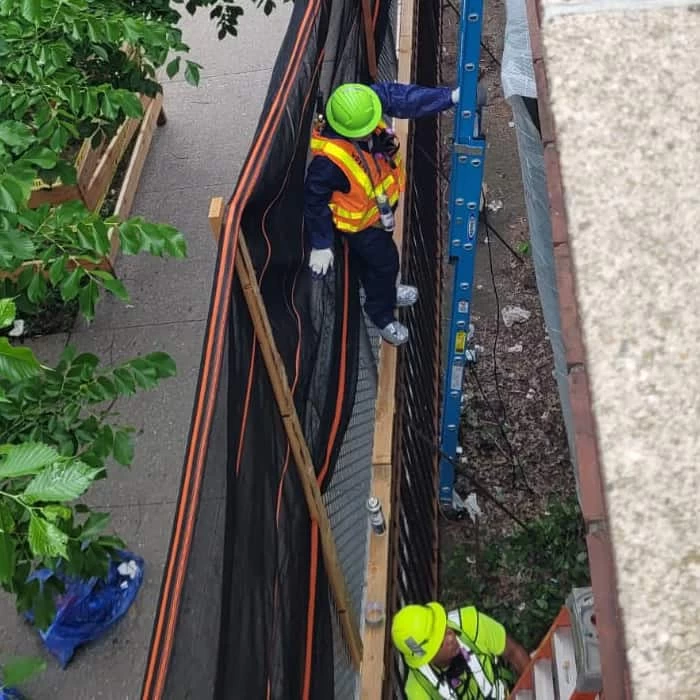
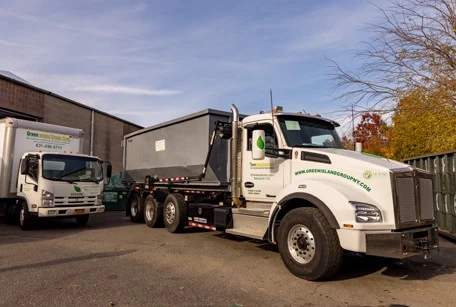
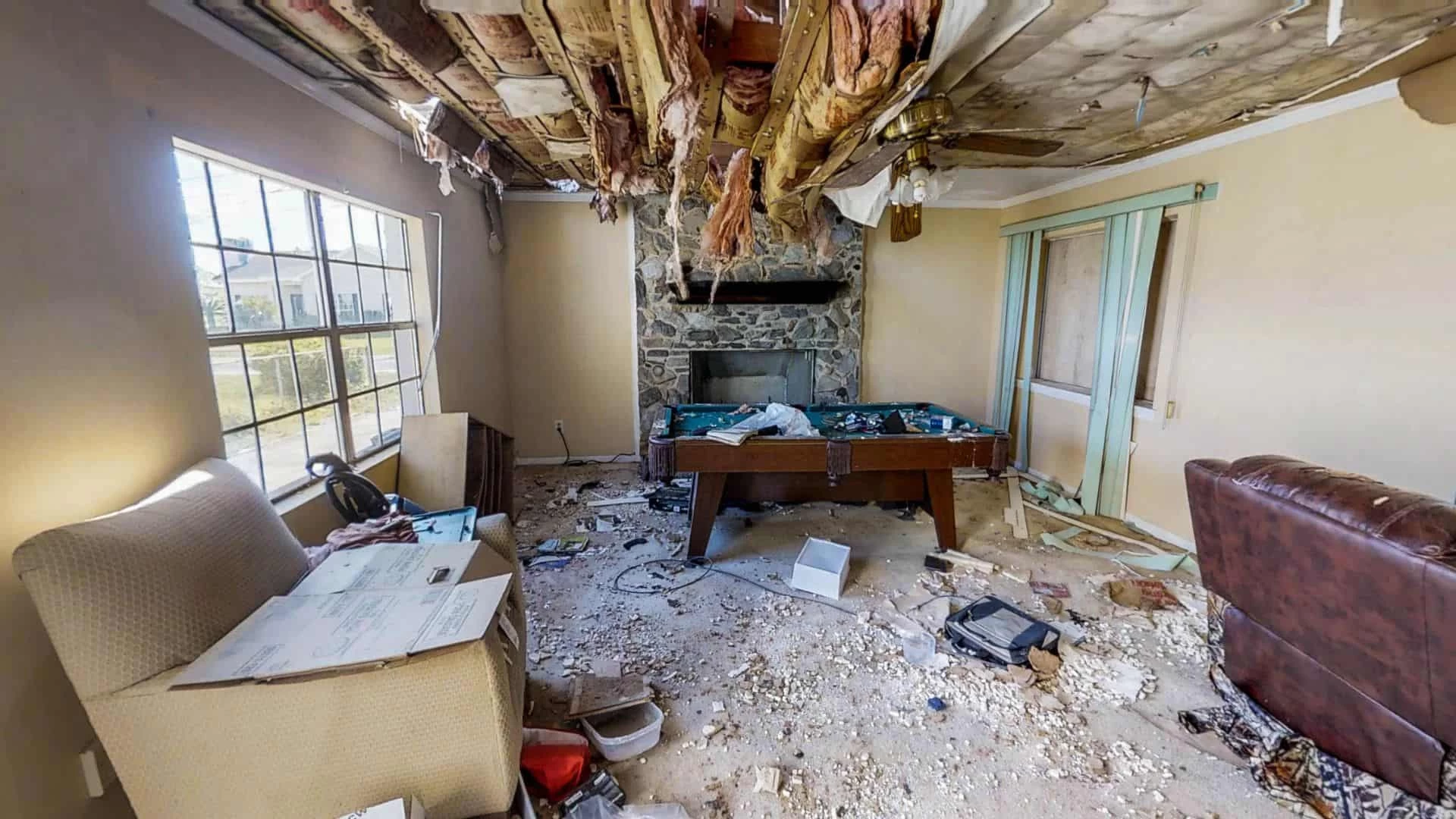
New Suffolk’s waterfront location is beautiful until a storm surge, burst pipe, or slow leak turns it into a water damage emergency. We respond 24/7 with the equipment and licensing to handle everything from extraction to full restoration.
I needed a professional consultation explanation of procedure for safe removal of Asbestos in my apartment complex. Without having an account yet, I was very impressed with the caring, knowledgeable and generous advice offered by Jessica, and will look forward to doing business in the future. Thank you so much! I feel much more informed about a sometimes scary endeavor. Peace. Nancy Silva Mineola, NY.
Mia Munoz
Used this company to clean up some water flood in my house. They were fast and easy to work with.very professional, Would recommend to anyone!
Nini Valle
Great company, had a flood and they responded quickly and efficiently. Billed my insurance company directly. I highly recommend this company!
joe colapietro, jr
I had pipe freeze in my basement right before a snow storm and they made to within an hour to help start the clean up process. They we by our side throughout the entire process and even helped with the insurance company. They did such a great job with the cleanup, repair, remidiation, I contracted them to perform the repairs and finishes in the basement. They came with enough manpower and material to get the job done. Leo and Jessica were nothing but a pleasure to deal with!!
Cristian Arredondo c
I had some water damage in my home and Green Island was able to take care of my issue quickly and effectively. I am very pleased with the work they did. They responded quickly and were very professional.
Michael M
Outstanding service! From the office to the field crew everyone was friendly, helpful and responsive. I highly recommend Green Island Group.
What Happens When the Water Is Gone and the Job Is Actually Done Right
Most water damage jobs look finished before they are. The floors feel dry. The walls look fine. But moisture that migrated into framing, insulation, or subfloor doesn’t announce itself it just sits there until mold does. In New Suffolk, where Cutchogue Harbor and Little Peconic Bay are practically in your backyard, that risk isn’t theoretical. Storm surge events, high water tables, and nor’easters that push bay water where it doesn’t belong are part of life on this peninsula.
When the job is done correctly, you’re not just dry you’re verified dry. We take moisture readings at the wall cavity, not just the surface. We use thermal imaging to find water that migrated behind drywall or under flooring. We confirm air quality is clean before anyone signs off. That’s the difference between a restoration and a temporary fix that turns into a mold remediation six months later.
For New Suffolk homeowners especially those managing a seasonal property from Manhattan or elsewhere this level of documentation also matters for your insurance claim. Whether you’re working with a standard homeowner’s policy, an NFIP flood policy, or both, a thorough written record of the damage and the remediation is what protects your claim and your investment long after the crew leaves.
One Company That Handles the Whole Chain of Damage
Green Island Group is a Long Island-based environmental and property restoration company not a national franchise, not a call center routing jobs to whoever’s available. When you call, you reach a real team that knows New Suffolk, understands the Town of Southold’s building department requirements, and has the licensing to handle whatever the water left behind.
That matters in New Suffolk more than most places. Water damage in a pre-1980 waterfront home doesn’t always stop at wet drywall. It can mean mold, disturbed asbestos, compromised structural materials the kind of damage chain that requires licensed professionals at every step, not just a crew with a dehumidifier. We hold the environmental and restoration credentials to handle all of it: water extraction and structural drying, mold remediation under New York State Article 32, asbestos abatement, and air quality testing.
You don’t have to coordinate three separate contractors through a crisis. One call covers it.
From the First Call to the Final Clearance Here's What to Expect
The first thing that happens when you call is an honest assessment not a sales pitch. You describe what you’re dealing with, and we help you understand the likely scope before anyone shows up. For seasonal homeowners calling from off-site, that conversation matters. You need to know what you’re facing before you can make decisions, and you shouldn’t have to be standing in the house to get a straight answer.
Once on-site, our crew starts with a full moisture assessment using professional meters and thermal imaging. Water travels it doesn’t stay where you can see it. Finding where it went is the first real step, and it shapes everything that follows: what gets extracted, what gets dried in place, what needs to come out. In New Suffolk, where homes near the waterfront often have crawlspaces, older insulation, and construction materials that absorb moisture readily, this step is not optional.
From there, industrial-grade extraction and drying equipment goes to work. The process is monitored daily drying isn’t a set-it-and-forget-it situation. Once structural drying is complete and verified, any secondary damage is addressed: mold assessment and remediation if needed, asbestos testing if the home’s age warrants it, and structural repairs to bring the property back to its pre-loss condition. If permits are required through the Southold Town Building Department which they often are for structural repairs in flood zone properties that’s handled as part of the process, not left for you to figure out.
Built for Waterfront Homes, Seasonal Properties, and Everything In Between
New Suffolk is not a typical Long Island suburb, and water damage restoration here doesn’t look like a typical job. You’re dealing with a peninsula community where roughly 37% of homes sit vacant for months at a time, where FEMA flood zone designations are real and actively enforced by the Town of Southold, and where a burst pipe in January might not be discovered until April. The damage that accumulates in that window moisture in walls, mold in framing, saturated insulation requires a restoration company equipped to handle the full scope, not just the surface.
Our water damage restoration service covers the complete process: emergency water extraction, structural drying with daily moisture monitoring, mold assessment and remediation under New York State Article 32 requirements, asbestos evaluation for older homes, and full structural repair and restoration. Every step is documented photographs, moisture readings, written scope of work because in a waterfront community where many homeowners carry both standard homeowner’s insurance and a separate NFIP flood policy, that documentation is what makes your claim hold up.
For properties near Cutchogue Harbor or along the bay-facing side of New Suffolk, the service also accounts for the specific regulatory requirements that come with waterfront and flood zone work in Southold Town including compliance with the town’s Flood Damage Prevention code and, where applicable, coordination with the Local Waterfront Revitalization Program review process. The goal is a property that’s fully restored, properly documented, and cleared by a licensed professional not just one that looks dry.
My New Suffolk vacation home flooded while I was away what do I do first?
The first thing to do is call a licensed water damage restoration company before you call anyone else including your insurance company. The reason is simple: the faster water is extracted and drying begins, the less total damage you’re dealing with. Mold can begin growing within 24 to 48 hours of water exposure, and in a home that’s been closed for weeks or months, it may already have a head start by the time you find out about the problem.
For seasonal homeowners in New Suffolk managing this from off-site, a good restoration company should be able to walk you through what’s likely happening based on what you describe, get eyes on the property quickly, and give you a documented damage assessment with photographs before any work begins. That documentation is also what your insurance adjuster will need, so getting it done correctly from the start protects your claim. We work with property managers and remote homeowners regularly you don’t have to be standing in the house to get the process moving.
How do I know if there's mold after water damage in my home?
You often can’t tell by looking. Mold grows inside wall cavities, under flooring, and in insulation places that look and feel dry on the surface but have retained moisture where you can’t see it. A musty smell is one indicator, but in a home that’s been closed for an extended period, even that can be hard to detect until you’re already dealing with a significant problem.
The only reliable way to know is professional moisture testing and, where warranted, air quality sampling. We use thermal imaging cameras and calibrated moisture meters to find water that has migrated beyond the visible damage area. If moisture is present in wall cavities or structural framing, mold assessment follows and under New York State Article 32, any mold remediation project covering 10 square feet or more requires a licensed NYS Mold Assessor to write a remediation plan before any work begins. That’s not optional, and it’s not something a general contractor can legally handle. In older North Fork homes where construction materials absorb and retain moisture more readily, skipping this step is a risk that tends to show up as a much larger problem later.
Does my flood insurance cover water damage restoration in New Suffolk?
It depends on the source of the water and how your policies are structured. Many New Suffolk waterfront homeowners carry both a standard homeowner’s insurance policy and a separate National Flood Insurance Program policy. Standard homeowner’s insurance typically covers sudden and accidental water damage a burst pipe, an appliance failure, a roof leak. NFIP flood policies cover damage caused by rising water from an external source, like storm surge from Cutchogue Harbor or Peconic Bay flooding during a nor’easter.
When a storm event causes damage, the line between what each policy covers isn’t always obvious, and the documentation requirements for each are different. Getting it wrong or submitting incomplete documentation can result in a denied or reduced claim. We work directly with insurance adjusters on documentation and billing, and our team is familiar with the specific complexity of dual-policy claims in waterfront communities like New Suffolk. The short answer is: you likely have more coverage than you think, but you need the damage documented correctly from the start to access it.
How long does water damage restoration take for a North Fork home?
Structural drying alone typically takes three to five days under normal conditions, but that timeline shifts depending on how long the water was present, what materials were affected, and how far it migrated. In a New Suffolk home that sustained storm surge damage or a pipe failure that went undetected for weeks, the drying phase can take longer and secondary damage like mold remediation or structural repair adds time on top of that.
The honest answer is that the timeline is set by the moisture readings, not by a calendar. Drying is monitored daily, and the job isn’t considered complete until the numbers confirm it not just until things look dry. For homeowners coordinating from off-site, we provide regular progress updates throughout the process so you’re never left wondering where things stand. If permits are required through the Southold Town Building Department for structural repairs which is common for flood zone properties in New Suffolk that permitting process runs concurrently with restoration work wherever possible to avoid unnecessary delays.
My New Suffolk home was built in the 1960s does that change what's involved in water damage restoration?
Yes, and it’s worth understanding before work begins. Homes built before approximately 1980 may contain asbestos in floor tiles, pipe insulation, joint compound, ceiling materials, and other building components. Lead paint is also common in pre-1978 construction. Under New York State law, any renovation or demolition that could disturb asbestos-containing materials requires a certified inspector survey before work begins, and licensed abatement contractors for any removal.
This matters in a water damage context because restoration often requires removing drywall, flooring, or other structural materials to reach and dry the affected areas. If those materials contain asbestos or lead paint, the job becomes a regulated abatement project not just a demolition and rebuild. We’re equipped to handle this in-house: environmental assessment, abatement, and restoration all under one roof. In a community like New Suffolk, where a significant portion of the housing stock dates to the mid-20th century, this isn’t an edge case it’s a routine part of doing the job correctly in an older waterfront home.
What should I do to protect my New Suffolk home from water damage before winter?
The single most important thing for a seasonal property is making sure the heating system is reliable and monitored. A pipe that freezes and bursts in an unoccupied home in January can release hundreds of gallons of water before anyone discovers it and in New Suffolk, where more than a third of homes sit vacant through the winter, this is one of the most common and costly water damage scenarios on the North Fork.
Beyond heating, before you close the property for the season it’s worth having the plumbing inspected for any existing vulnerabilities older galvanized or cast-iron pipes that are already showing corrosion are the ones most likely to fail under freeze pressure. A remote temperature monitoring system that alerts you or a property manager if the interior temperature drops below a set threshold is a relatively low-cost layer of protection that can make a significant difference. If something does go wrong over the winter, the earlier it’s caught, the smaller the restoration scope and the less likely it is that mold has had time to establish itself before the crew arrives.