When the Water Rises, Your North Haven Estate Can't Wait
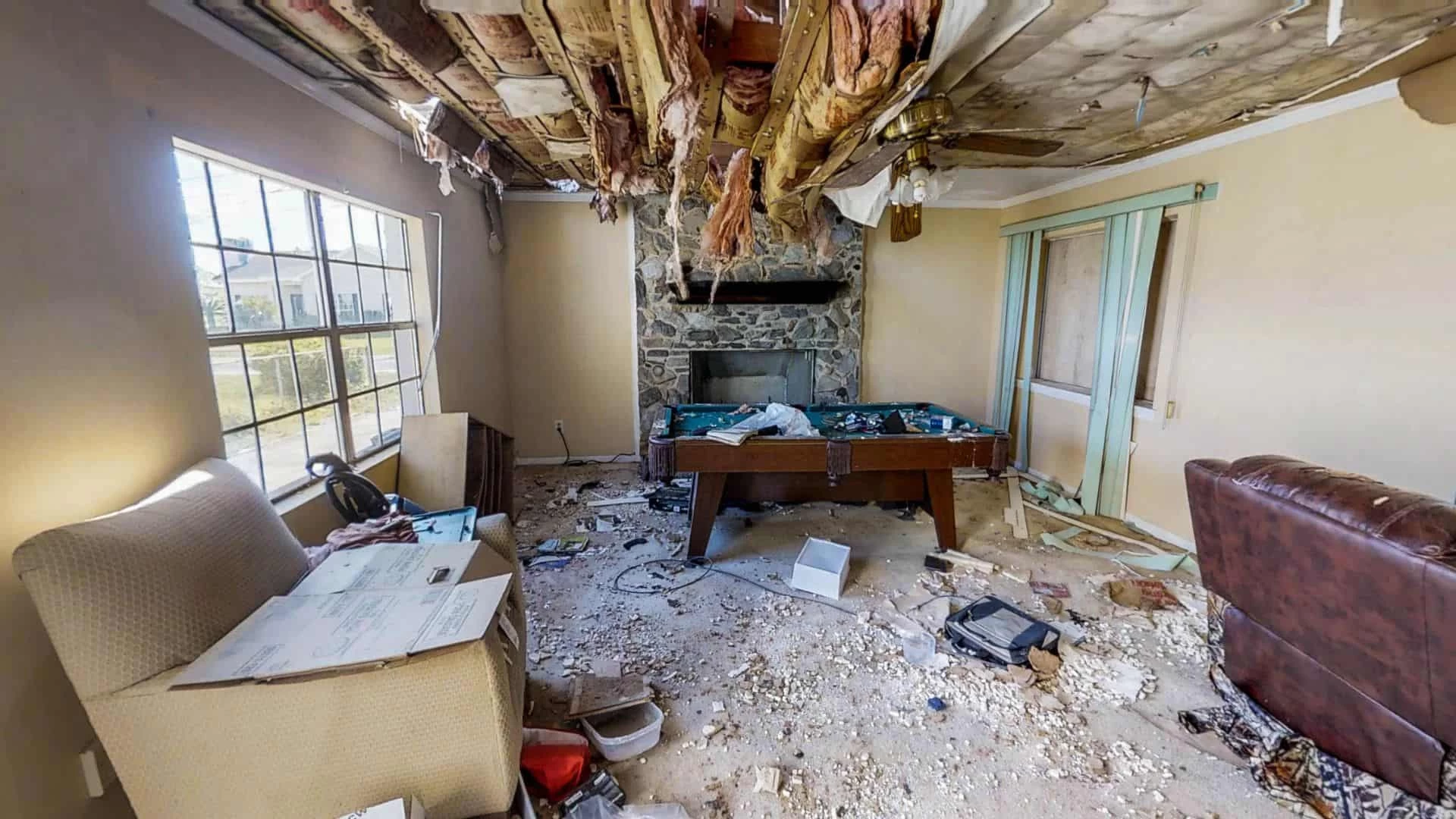
North Haven’s waterfront setting is stunning until a pipe bursts or storm surge rolls in. We respond 24/7 with certified water damage restoration built for coastal properties like yours.
I needed a professional consultation explanation of procedure for safe removal of Asbestos in my apartment complex. Without having an account yet, I was very impressed with the caring, knowledgeable and generous advice offered by Jessica, and will look forward to doing business in the future. Thank you so much! I feel much more informed about a sometimes scary endeavor. Peace. Nancy Silva Mineola, NY.
Mia Munoz
Used this company to clean up some water flood in my house. They were fast and easy to work with.very professional, Would recommend to anyone!
Nini Valle
Great company, had a flood and they responded quickly and efficiently. Billed my insurance company directly. I highly recommend this company!
joe colapietro, jr
I had pipe freeze in my basement right before a snow storm and they made to within an hour to help start the clean up process. They we by our side throughout the entire process and even helped with the insurance company. They did such a great job with the cleanup, repair, remidiation, I contracted them to perform the repairs and finishes in the basement. They came with enough manpower and material to get the job done. Leo and Jessica were nothing but a pleasure to deal with!!
Cristian Arredondo c
I had some water damage in my home and Green Island was able to take care of my issue quickly and effectively. I am very pleased with the work they did. They responded quickly and were very professional.
Michael M
Outstanding service! From the office to the field crew everyone was friendly, helpful and responsive. I highly recommend Green Island Group.
Mold starts growing within 24 to 48 hours of water exposure on any porous surface. In North Haven’s coastal environment where ambient humidity is already elevated year-round and homes are often closed up for weeks at a time that window can feel even shorter. The longer water sits, the more it migrates: under subfloors, into wall cavities, along structural framing. What starts as a manageable extraction job can become a full mold remediation if the first call gets delayed.
For a property on the water in North Haven, that distinction matters financially. A $4 million estate with saturated hardwood floors, compromised plaster walls, and hidden moisture in a crawl space is not a standard repair it’s a restoration that requires the right equipment, the right certifications, and someone who understands what they’re looking at. Getting it right the first time protects the property’s value, your insurance claim, and your ability to actually use the home when you need it.
North Haven’s seasonal occupancy pattern adds another layer of risk. Many homes here sit unoccupied through the winter, and a slow leak or burst pipe in January might not be discovered until March. By then, the damage has had weeks to spread. Fast, thorough water damage restoration isn’t just about drying things out it’s about stopping what’s already in motion before it becomes something far more expensive to fix.
We’re a Long Island-based environmental and property restoration company not a national franchise routing your call through a dispatch center. When you reach us, you’re talking to a real team that knows the South Fork, knows what it takes to work in coastal communities like North Haven, and has the certifications to handle whatever the job reveals once the walls come open.
That last part matters more here than almost anywhere else. Older estates along Sag Harbor Cove and the North Haven Point bluffs often contain asbestos-era building materials pipe wrap, floor tile adhesives, older insulation that get disturbed the moment water damage work begins. Most restoration companies aren’t equipped to handle that. We are. Water damage, mold remediation, asbestos abatement, air quality testing it’s all under one roof, which means no contractor handoffs, no gaps in accountability, and no delays while you track down a second specialist.
We work directly with insurance companies, handle the documentation from start to finish, and communicate with your adjuster so you don’t have to manage that process from a distance. If you’re not on the property when the damage is discovered which is common in North Haven that matters.
From First Call to Fully Dry Here's What Actually Happens
The first thing that happens when you call is an honest assessment not a sales pitch. We ask the right questions to understand what you’re dealing with, dispatch a crew, and get to your property as fast as road access allows. North Haven’s limited entry points the LCpl Jordan Haerter Veterans Memorial Bridge from Sag Harbor and the Noyac Causeway from the south mean we plan our route before we leave, not after. If you’re coordinating from off-site, we keep you informed at every step.
On arrival, we use professional moisture meters and thermal imaging cameras to map the full extent of the water intrusion not just what’s visible on the surface. Water in a North Haven home doesn’t stay where you can see it. It travels through multi-level construction, under radiant floor systems, into insulation cavities, and along framing that may have been absorbing moisture for days before anyone noticed. We find it all before we start drying, because drying around hidden moisture just delays the problem.
From there, we extract standing water, set up industrial drying equipment, and monitor moisture levels until everything reads dry not just surface dry, but structurally dry. If the scope of damage requires opening walls or replacing flooring, we handle the permit process with the North Haven Village Building Department directly. The village has its own code enforcement office separate from Southampton Town, and restoration work involving structural alterations requires compliance with village-specific requirements. We know that process, and we take it off your plate.
Built for North Haven Waterfront Estates, Not Cookie-Cutter Repairs
Water damage restoration in North Haven isn’t a one-size-fits-all job. The properties here range from historic pre-war estates with original plaster, cast-iron plumbing, and decades of settled building materials, to large modern compounds with complex HVAC systems, in-floor radiant heat, and elaborate irrigation. Each one presents a different failure profile, and each one requires a restoration approach that actually fits the structure not a generic dry-and-bill process.
Every job we take on in North Haven includes full moisture mapping with thermal imaging, professional extraction, structural drying with calibrated equipment, and a post-drying inspection before we close anything up. If the water event has disturbed older materials asbestos-containing floor tile adhesives, pipe insulation, or older drywall compounds common in pre-1980 construction we handle the abatement in-house rather than stopping the job and bringing in a separate contractor. The same applies to mold: if elevated moisture levels or visible growth are found during the restoration, we address it as part of the same scope of work.
For property managers and caretakers coordinating on behalf of an absent homeowner which is a common scenario in North Haven’s second-home community we provide detailed documentation throughout the process, communicate directly with the homeowner’s insurance carrier, and keep a clear record of every step taken. Whether the property is a seasonal compound off Ferry Road or a gated estate in North Haven Point, the standard of work doesn’t change.
How quickly can a water damage restoration company reach North Haven, NY?
North Haven’s peninsula geography means response time is a real logistical factor, not just a marketing claim. The village is accessible by two roads the LCpl Jordan Haerter Veterans Memorial Bridge from Sag Harbor and the Noyac Causeway from the south and there’s no highway access within the village itself. A company that doesn’t know the area can lose valuable time just figuring out how to get there.
We serve the South Fork and know these routes. We dispatch immediately on emergency calls and give you a realistic arrival estimate based on actual road conditions not a generic promise. In a water damage situation where mold can begin establishing itself within 24 to 48 hours, knowing your restoration crew is already on the way and knows exactly how to reach your property makes a real difference in what gets saved.
Does water damage restoration require a permit from the North Haven Village Building Department?
It depends on the scope of work, but in many cases yes. North Haven has its own Village Building Department and Code Enforcement office, which operates separately from the Town of Southampton’s building department. Restoration work that involves opening walls, replacing structural framing, or any modification to the building envelope requires a permit from the village specifically, not just general contractor compliance with state code.
This is something many out-of-area restoration companies don’t know, and it can create real problems unpermitted work, failed inspections, and liability that falls on the homeowner. We handle the permit process with the North Haven Village Building Department directly as part of the restoration scope. You don’t have to track down the right office or figure out what chapter of the village code applies. We know Chapter 163, we know the village’s requirements, and we take that process off your plate entirely.
My North Haven home sits empty most of the winter what are the biggest water damage risks?
Seasonal vacancy is one of the most significant water damage risk factors specific to North Haven. When a property sits unoccupied through winter even with heat set to a minimum the combination of the South Fork’s coastal freeze-thaw cycles, aging plumbing in older estate structures, and the absence of anyone to catch a slow leak early creates a scenario where significant damage can develop over weeks before it’s discovered.
The most common culprits in unoccupied North Haven homes are burst pipes from rapid temperature drops, failed sump pumps during spring snowmelt, and slow plumbing leaks that saturate walls and subfloors gradually. By the time a caretaker or arriving homeowner finds the problem, mold may already be established in the affected areas. We respond to these situations regularly on the South Fork we can mobilize before you arrive, document the full scope of damage, and begin extraction and drying immediately. We also handle the insurance documentation from the start, which is critical when the claim involves extended moisture exposure and secondary mold growth.
Can I choose my own water damage restoration company, or does my insurance pick one?
You have the right to choose your own restoration contractor your insurance company cannot require you to use a specific vendor. What they can do is recommend one, and in many cases, their recommended contractor is a national franchise operator with a call-center intake process and crews dispatched from a regional hub. That may be fine for a standard suburban claim, but it’s worth thinking carefully about whether that model fits a high-value waterfront property in North Haven.
The documentation requirements for a complex claim on a multi-million dollar estate moisture readings, thermal imaging reports, scope-of-damage assessments, and adjuster communication are more demanding than a standard residential claim. We work directly with insurance companies and handle the full documentation process. We know what adjusters need to approve a claim at this level, and we provide it. Choosing your own contractor isn’t just your right in a situation like this, it’s often the better financial decision for the property.
What's the difference between water damage restoration and water damage repair?
Water damage restoration is the full process extraction, structural drying, moisture mapping, and returning the property to its pre-loss condition. Water damage repair is a subset of that: it refers specifically to the physical repairs made after the drying is complete, such as replacing drywall, refinishing floors, or repairing structural framing. In practice, most homeowners need both, and the distinction matters because not every contractor is licensed and equipped to handle the full scope.
In North Haven, where a single water event in an older estate can involve disturbed asbestos materials, elevated mold risk from coastal humidity, and structural repairs that require village permits, the gap between “we dried it out” and “we fully restored it” can be significant. We cover the complete range from the initial emergency response through the final inspection so you’re not left coordinating between a mitigation company, a mold remediator, and a general contractor after the fact. One company, full accountability, start to finish.
How does living near Noyac Bay and Shelter Island Sound affect mold risk after water damage?
North Haven’s location surrounded by Noyac Bay to the west, Shelter Island Sound to the north and east, and Sag Harbor Cove to the south means the ambient humidity level around your property is consistently higher than it would be for an inland home. That elevated baseline humidity doesn’t cause mold on its own, but it does shorten the effective window between a water event and active mold colonization. The IICRC standard puts that window at 24 to 48 hours on porous surfaces in a coastal environment with already-elevated moisture in the air, materials that are wet stay wet longer, and mold finds the conditions it needs more quickly.
What this means practically is that the drying process in a North Haven home needs to be more aggressive and more thoroughly monitored than it would be for an inland property. Industrial dehumidification in a coastal environment requires calibrated equipment and ongoing moisture readings not a set-it-and-check-back approach. We account for local conditions in every job we take on here. We don’t apply inland drying protocols to waterfront properties and assume the numbers will work out. The monitoring continues until the structure reads dry at every measurement point, not just the ones that are easy to reach.