When Your Basement Floods on the South Shore, Every Hour Counts
North Lindenhurst’s high water table and aging housing stock make water damage move faster than most homeowners expect. We respond 24/7 with the equipment and credentials to stop it before it becomes something worse.
I needed a professional consultation explanation of procedure for safe removal of Asbestos in my apartment complex. Without having an account yet, I was very impressed with the caring, knowledgeable and generous advice offered by Jessica, and will look forward to doing business in the future. Thank you so much! I feel much more informed about a sometimes scary endeavor. Peace. Nancy Silva Mineola, NY.
Mia Munoz
Used this company to clean up some water flood in my house. They were fast and easy to work with.very professional, Would recommend to anyone!
Nini Valle
Great company, had a flood and they responded quickly and efficiently. Billed my insurance company directly. I highly recommend this company!
joe colapietro, jr
I had pipe freeze in my basement right before a snow storm and they made to within an hour to help start the clean up process. They we by our side throughout the entire process and even helped with the insurance company. They did such a great job with the cleanup, repair, remidiation, I contracted them to perform the repairs and finishes in the basement. They came with enough manpower and material to get the job done. Leo and Jessica were nothing but a pleasure to deal with!!
Cristian Arredondo c
I had some water damage in my home and Green Island was able to take care of my issue quickly and effectively. I am very pleased with the work they did. They responded quickly and were very professional.
Michael M
Outstanding service! From the office to the field crew everyone was friendly, helpful and responsive. I highly recommend Green Island Group.
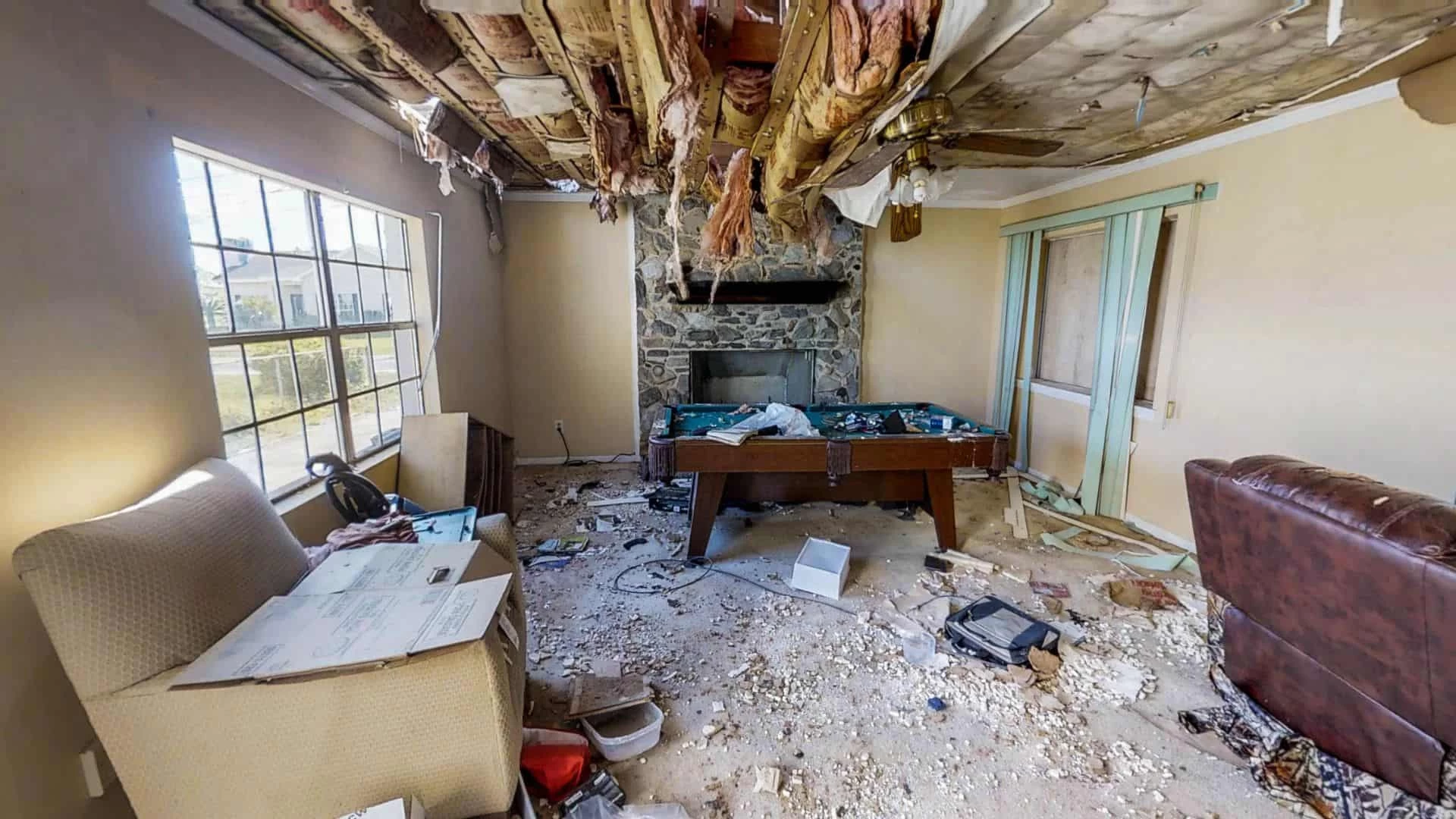
There’s a real difference between a home that looks dry and a home that actually is. Water hides inside concrete block foundation walls, under original hardwood floors, and behind the plaster walls common in North Lindenhurst’s post-war construction. If those areas aren’t properly dried to IICRC moisture standards, mold can start colonizing within 24 to 48 hours even after the visible water is gone.
That timeline matters more here than in most places. North Lindenhurst sits just north of the Great South Bay, where tidal cycles push groundwater levels up independent of rainfall. That means your basement can take on water pressure even on a dry week and once moisture gets in, the humidity that comes with South Shore summers gives mold exactly the conditions it needs to spread fast through older wood framing and drywall.
When the job is done right, you’re not just looking at dry walls. You’re looking at a home that’s structurally sound, mold-free, and fully documented for your insurance claim. For a home worth $500,000 to $700,000 or more, that outcome isn’t optional it’s the whole point.
Water Restoration Companies Serving North Lindenhurst
Local Accountability Backed by Real Environmental Credentials
We’re a Long Island-based environmental and property restoration company not a national franchise with a call center intake and a subcontracted crew. When you call 631-613-8945, you reach a local team that knows the Town of Babylon’s permit process, understands what post-war construction in North Lindenhurst typically contains, and has handled the kind of water damage that South Shore homes deal with after a nor’easter or a February pipe freeze.
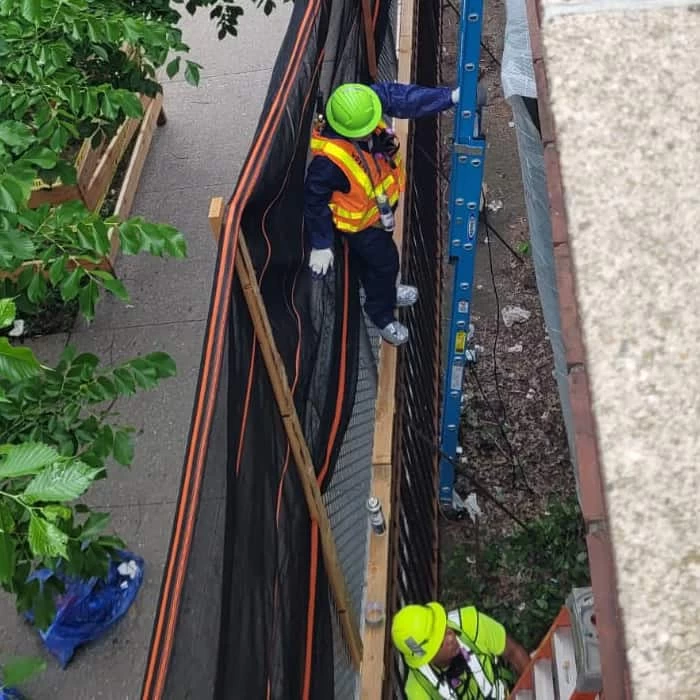
That multi-service capability matters in North Lindenhurst specifically. Most homes here were built during the 1950s and 1960s suburban boom, which means water damage that requires opening up walls or floors can uncover asbestos or lead paint. We handle asbestos testing, abatement, and lead-safe protocols in-house no second contractor, no work stoppage, no coordination headache on top of an already stressful situation.
Our customers consistently describe fast response, direct insurance billing, and a team that actually communicates. That’s not a brand promise it’s what North Lindenhurst residents have experienced after the job was done.
Water Mitigation Services in North Lindenhurst, NY
From First Call to Final Walkthrough No Guesswork
The first call triggers an emergency response 24 hours a day, seven days a week. For North Lindenhurst homeowners who leave early for the Lindenhurst LIRR station, that means a certified technician can be on-site before you’re out the door. You don’t need to be home to get the process started, and you won’t be left wondering what’s happening while you’re at work.
Once on-site, we use thermal imaging cameras and professional moisture meters to map every affected area not just the surface you can see. This is how hidden saturation inside foundation walls, under subfloors, and behind original plaster gets identified and addressed. In a home built in the 1950s or 1960s, that step is especially important because older construction has more places for water to travel and fewer vapor barriers to slow it down.
From there, we set up and calibrate commercial-grade extraction and drying equipment to achieve verified dryness throughout the structure. If the scope of work requires a building permit through the Town of Babylon, we handle that process with full awareness of local requirements. Throughout the job, your insurance company is communicated with directly documentation, adjuster coordination, and billing all managed on your behalf so the claim process doesn’t become a second job.
Water Damage Restoration Service in North Lindenhurst
Full-Scope Restoration Built for Older South Shore Homes
Water damage restoration in North Lindenhurst isn’t a one-size job. The homes here are 60 to 75 years old, the water table is influenced by the Great South Bay, and the building materials inside those walls require more than a standard drying protocol. We offer emergency water extraction, structural drying, moisture mapping, mold prevention treatment, and full reconstruction all under one roof.
What sets us apart from a water-only restoration company is the ability to handle what water damage reveals. When demolition uncovers floor tiles, pipe insulation, or joint compound that may contain asbestos which is common in homes built before 1980 the work doesn’t stop. We conduct testing and abatement in-house under New York State Department of Labor licensing. The same applies to lead paint on surfaces disturbed during restoration, which requires EPA RRP-compliant protocols that we carry and many competitors do not.
We handle insurance billing directly, with full documentation prepared to support your claim from start to finish. Whether the cause is a burst pipe on a January night, a sump pump failure during a spring storm, or storm-driven flooding from a nor’easter moving up the South Shore, our response and scope are the same: get it dry, get it documented, and get your home back to what it was.
Does homeowners insurance cover water damage restoration in North Lindenhurst, NY?
It depends on the cause, and that distinction matters more than most people realize when they’re standing in a flooded basement. Homeowners insurance in New York typically covers sudden and accidental water damage a burst pipe, a failed appliance, or storm-driven water intrusion through a compromised roof or window. What it generally does not cover is gradual damage from a slow leak that went unaddressed, or flooding that originates from outside the home, which requires a separate flood insurance policy through the NFIP.
For North Lindenhurst homeowners, this is a real consideration. The area’s proximity to the Great South Bay and its history of South Shore storm flooding including the impact of Superstorm Sandy in 2012 means that understanding your specific coverage before an emergency happens is genuinely important. We work directly with your insurance company from the first day on-site, handling documentation, adjuster communication, and direct billing so you’re not navigating that process alone during an already stressful event. If there’s a coverage question, you’ll know early not after the work is done.
How fast can a water damage restoration company actually get to my home?
We operate 24/7 with emergency response as a real operational standard, not a marketing line. For North Lindenhurst, that means a local 631 team not a national call center routing a crew from somewhere else on Long Island can be on-site within an hour in most emergency situations. One customer described a pipe freeze in their basement right before a snowstorm: we arrived within the hour and started the cleanup process the same morning.
Speed matters in this specific community because most households here are dual-income commuter homes. If a pipe bursts at 5 a.m. and you’re catching the 6:47 out of the Lindenhurst station, you need a company that can respond before you leave, communicate while you’re gone, and not require you to be present every step of the way. The faster extraction begins, the smaller the damage footprint and in a home with a high water table and older construction, that window closes quickly.
What happens if water damage in my North Lindenhurst home uncovers asbestos or lead paint?
This is one of the most common complications in North Lindenhurst’s housing stock, and it’s one that most water-only restoration companies are not equipped to handle. Homes built during the 1950s and 1960s which is the majority of residential construction in this hamlet commonly contain asbestos in floor tiles, pipe insulation, and joint compound, as well as lead paint on virtually every painted surface. When water damage requires opening walls, removing flooring, or cutting into ceilings, those materials can be disturbed.
Under New York State Department of Labor regulations, asbestos abatement requires specific licensing and protocols. EPA RRP rules govern lead paint work. A restoration company that doesn’t hold those credentials is legally required to stop work when those materials are discovered and bring in a separate contractor which adds time, cost, and coordination to an already difficult situation. We hold both credentials and handle testing, abatement, and lead-safe restoration in-house, so the job continues without interruption and stays fully compliant from start to finish.
Why is my basement flooding even though it hasn't rained in days?
If you’re in North Lindenhurst, this is a well-documented local condition and not a mystery. The hamlet sits in the South Shore corridor directly north of the Great South Bay, where tidal cycles influence the groundwater table independent of rainfall. USGS monitoring confirms active water level tracking at the Great South Bay at Lindenhurst, and the data shows that high tides can push groundwater levels up enough to create hydrostatic pressure against basement foundations even on dry days.
Most of the homes in North Lindenhurst were built with poured concrete or concrete block basement walls that predate modern waterproofing membranes. Those walls are susceptible to hydrostatic pressure, and once the water table rises high enough, moisture forces its way through the foundation whether it’s rained or not. This is why a sump pump failure during a tidal surge can produce as much water intrusion as a major storm. If your basement is taking on water without an obvious cause, the water table is the first place to look and a professional moisture assessment is the right next step.
How do I know if there's hidden water damage inside my walls or under my floors?
Surface dryness is not structural dryness. Water that travels inside a concrete block wall, wicks into original hardwood subfloor, or saturates the insulation inside an exterior wall cavity won’t show itself visually until mold growth or structural deterioration has already started.
We use thermal imaging cameras and professional-grade moisture meters to map saturation throughout the structure not just in the areas that look wet. In North Lindenhurst’s older homes, where construction methods from the 1950s and 1960s create more pathways for water to travel and fewer modern vapor barriers to contain it, this step is especially important. A thermal scan can reveal moisture patterns inside walls that feel dry to the touch, giving our restoration team a complete picture of what needs to be addressed before mold gets a foothold. If you’ve had any water event in your home even one that seemed minor a professional moisture assessment is worth doing before you close the walls back up.
How long does water damage restoration typically take for a home in North Lindenhurst?
The honest answer is that it depends on how much of the structure was affected and how quickly the response began. For a contained event a single room, a localized pipe burst, a sump pump overflow that was caught within a few hours the drying process typically takes three to five days using commercial equipment. Reconstruction of damaged drywall, flooring, or trim adds time on top of that depending on the scope.
For North Lindenhurst homes specifically, a few factors can extend that timeline. If the water event affected areas with original plaster walls or hardwood floors, those materials hold moisture differently than modern drywall and may require additional drying time to reach IICRC-standard moisture levels. If testing reveals asbestos or lead paint in materials that need to be removed, abatement protocols add a step before reconstruction can begin. And if the damage is significant enough to require a building permit through the Town of Babylon, that process needs to be factored into the schedule. We walk you through a realistic timeline at the start of the job not a best-case estimate designed to get you to sign, but an honest projection based on what the moisture mapping and scope assessment actually show.