When Your 1950s Basement Floods, Every Hour Counts
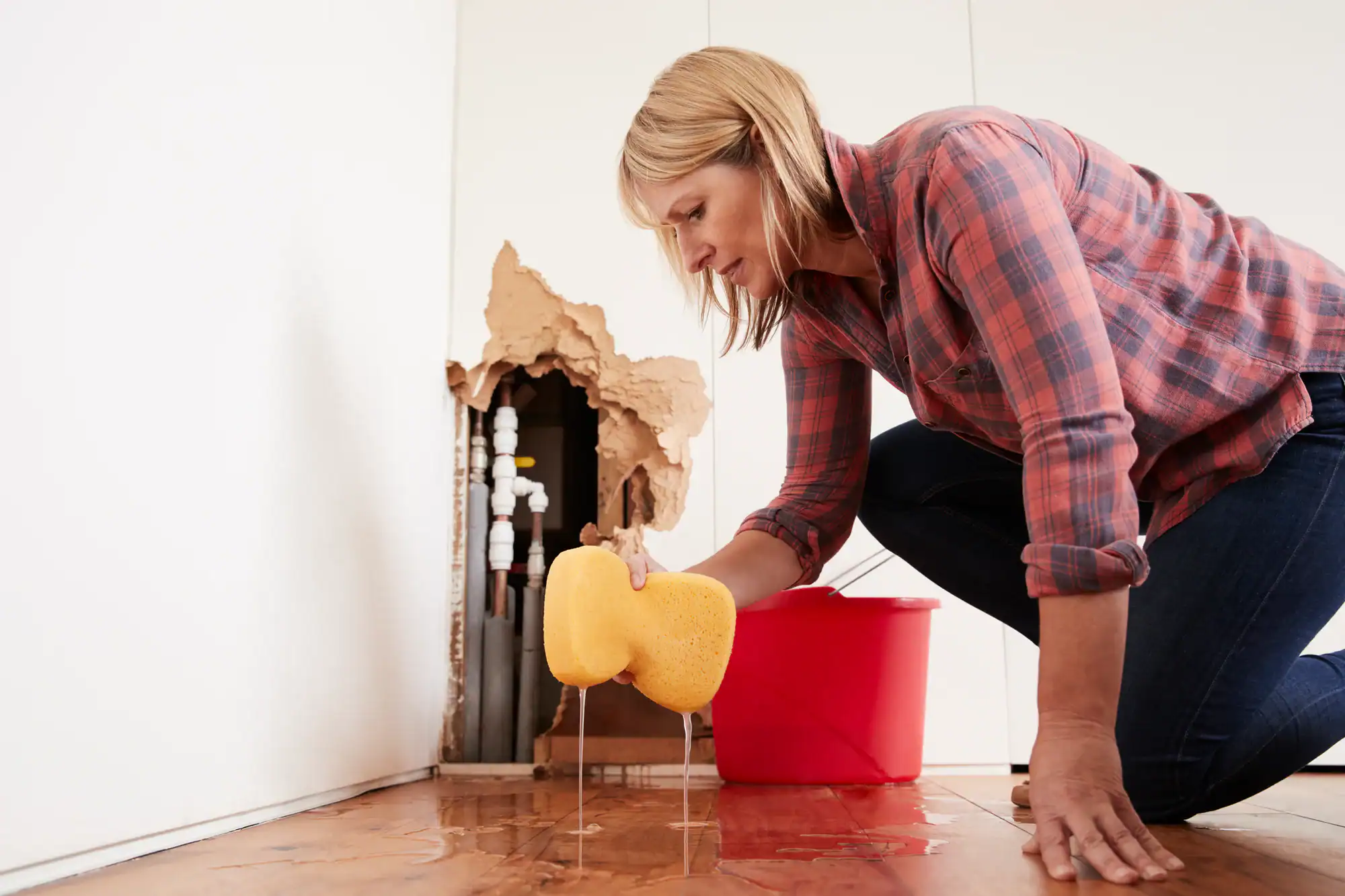
Mold starts growing within 24 to 48 hours of water intrusion — and in a North Lynbrook home built decades before modern waterproofing existed, it starts inside the walls before you ever see it.
I needed a professional consultation explanation of procedure for safe removal of Asbestos in my apartment complex. Without having an account yet, I was very impressed with the caring, knowledgeable and generous advice offered by Jessica, and will look forward to doing business in the future. Thank you so much! I feel much more informed about a sometimes scary endeavor. Peace. Nancy Silva Mineola, NY.
Mia Munoz
Used this company to clean up some water flood in my house. They were fast and easy to work with.very professional, Would recommend to anyone!
Nini Valle
Great company, had a flood and they responded quickly and efficiently. Billed my insurance company directly. I highly recommend this company!
joe colapietro, jr
I had pipe freeze in my basement right before a snow storm and they made to within an hour to help start the clean up process. They we by our side throughout the entire process and even helped with the insurance company. They did such a great job with the cleanup, repair, remidiation, I contracted them to perform the repairs and finishes in the basement. They came with enough manpower and material to get the job done. Leo and Jessica were nothing but a pleasure to deal with!!
Cristian Arredondo c
I had some water damage in my home and Green Island was able to take care of my issue quickly and effectively. I am very pleased with the work they did. They responded quickly and were very professional.
Michael M
Outstanding service! From the office to the field crew everyone was friendly, helpful and responsive. I highly recommend Green Island Group.
When water gets into a North Lynbrook home on the South Shore of Nassau County, it does not behave the way it would in a newer build. The plaster walls, wood subfloors, and block foundations in this area’s post-war housing stock absorb moisture deeply and hold it. A finished basement that looks dry two days after a flooding event may already have active moisture trapped behind the drywall — exactly where mold colonizes first.
Getting water damage restoration done correctly means your home’s structure stays intact, your indoor air quality stays clean, and your insurance claim holds up when the adjuster reviews it. For a North Lynbrook home where median values are pushing toward $800,000, a mishandled restoration is not just an inconvenience — it is a financial liability that follows you to resale.
The flat topography of Nassau County’s South Shore means water does not drain away quickly after heavy rain. When storm drains overflow and water backs into basements, the damage compounds fast. What starts as a wet floor becomes a moisture problem inside the walls, then a mold problem, then a structural repair. Stopping that progression early — with the right equipment and the right process — is the entire point.
We Know North Lynbrook Homes — Not Just the Process
Green Island Group is a Long Island-based water damage restoration company, not a franchise routing your call through a national system. When you call at 2 a.m. during a nor’easter, you reach our local team that already knows how to get to the streets of North Lynbrook and the surrounding South Shore communities — not a dispatcher coordinating from out of state.
We work throughout Nassau County and understand what makes North Lynbrook homes different: the unincorporated status under Town of Hempstead jurisdiction, the permit requirements for structural restoration work, and the mid-century construction that makes moisture detection here more involved than a visual inspection. We hold all required New York State licensing under Article 32 and the Nassau County EHRP certification required for mold remediation work in this county specifically.
What that means for you is a company that handles the full scope — assessment, drying, remediation, documentation, and insurance coordination — without handing pieces of your job off to whoever is available.
The first thing that happens when you call is an honest assessment — not a sales pitch. We ask the right questions to understand what you are dealing with, and we get someone to your North Lynbrook home fast. In a community as densely settled as North Lynbrook, with homes sitting close together and basements that were finished long after the original build, the source of water intrusion is not always obvious. We use thermal imaging cameras to find moisture inside walls, under floors, and in ceiling cavities that no visual inspection would catch.
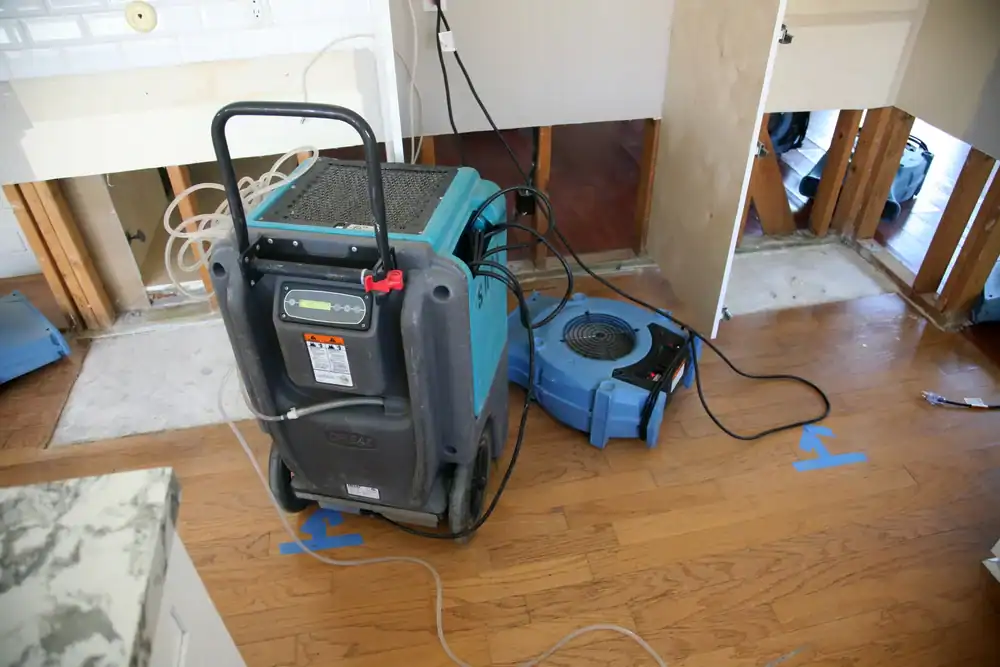
Once the source is identified and contained, we move into extraction and structural drying. Industrial-grade equipment runs until moisture readings confirm the affected areas are genuinely dry — not just surface dry. For North Lynbrook homes falling under Town of Hempstead jurisdiction, any structural repairs that follow require a building permit, and we handle that documentation as part of the process so your claim does not stall over paperwork.
From there, we provide complete documentation — moisture logs, thermal imaging reports, scope of work, and photographic evidence — in the format your insurance carrier needs to process the claim. You should not have to be the go-between for your adjuster and our restoration company. We handle that communication directly.
Water damage restoration in North Lynbrook covers more ground than extraction and drying. Because the housing stock here is predominantly mid-century construction — Cape Cods, colonials, and split-levels built between the 1940s and 1960s — the scope of a proper restoration includes moisture mapping behind finished walls, assessment of original plumbing systems that may have contributed to the failure, and confirmation that subfloor materials have dried to acceptable levels before any repair work begins.
If mold is present or suspected, remediation requires a separate licensed assessment under New York State’s Article 32 law — the same company cannot assess and remediate on the same project. In Nassau County, that work also requires EHRP licensing at the county level, which goes beyond what state licensing alone covers. We hold both, and we coordinate the assessment and remediation process so you are not left managing two separate contractors.
Insurance coordination is built into everything we do. We document every stage of the job in a format that supports your claim, communicate directly with your adjuster, and flag any scope-of-work disputes before they become settlement problems. For North Lynbrook homeowners navigating a claim through a carrier for the first time, that support is often the difference between a fair settlement and a prolonged dispute.
Does homeowners insurance actually cover basement flooding in North Lynbrook, NY?
It depends on the cause. Standard homeowners insurance typically covers sudden and accidental water damage — a burst pipe, a failed water heater, an appliance leak — but it generally does not cover flooding from outside the home, like storm surge or surface water backup, unless you have a separate flood insurance policy through the National Flood Insurance Program (NFIP).
For North Lynbrook homeowners, this distinction matters because the flooding risk here is primarily from overwhelmed storm drains and surface runoff during heavy rain events — not tidal surge. That type of water entry can fall into a gray area depending on how your policy is written and how the cause is documented. The August 2024 Long Island flash flooding event is a recent example where many Nassau County homeowners discovered gaps in their coverage they did not know existed. Thorough documentation of the source and timeline of water intrusion is critical to a successful claim, and we prioritize that from the moment we arrive.
How quickly does mold actually start growing after water damage in my home?
The EPA and IICRC both put the window at 24 to 48 hours under the right conditions — and the right conditions are warmth, darkness, and organic material to feed on. In a finished basement in a North Lynbrook home built in the 1950s or 1960s, those conditions exist behind almost every wall. Plaster, wood framing, and original insulation materials are far more hospitable to mold growth than modern drywall and synthetic materials.
The problem is that mold does not announce itself. By the time you smell something musty or see discoloration, colonization is already underway — often in cavities you cannot access without cutting into the wall. That is why the 48-hour window is a real biological timeline that determines whether you are dealing with a drying job or a remediation job. Getting a professional assessment started within that window, using moisture meters and thermal imaging to confirm what is actually happening inside the structure, is the most important thing you can do after water enters your home.
Do I need a permit for water damage repairs in North Lynbrook under Town of Hempstead?
Yes, in most cases. Because North Lynbrook is an unincorporated hamlet, it falls under Town of Hempstead jurisdiction rather than a village building department. Any restoration work that involves structural repairs — replacing drywall, repairing subfloors, opening walls to address moisture damage — typically requires a Town of Hempstead building permit before the work begins.
This is something many homeowners do not find out until they are already mid-project, and it can create real problems with insurance claims if the work is not properly permitted and documented. Unlike the incorporated villages of Lynbrook and Malverne that border the hamlet, there is no village-level building office to walk into — everything routes through the Town of Hempstead. We handle permit documentation as part of our process, so the restoration work is compliant from the start and your claim does not run into administrative delays.
What does water damage restoration actually cost in Nassau County, NY?
The honest answer is that it varies significantly depending on the extent of the damage, the materials affected, and whether mold remediation is required. A straightforward water extraction and structural drying job in a single room might run anywhere from $1,500 to $4,000. A more involved restoration that includes wall removal, subfloor repair, and mold remediation in an older North Lynbrook home can reach $10,000 to $20,000 or more depending on the scope.
For North Lynbrook homeowners, the cost conversation is closely tied to the insurance claim. Most of the restoration cost in a covered event should be offset by your policy, minus your deductible. Where homeowners run into trouble is when the documentation does not support the full scope of damage — adjusters work from what is in the file, not what was actually in the wall. We document everything before, during, and after the job specifically to protect your claim value. Getting a thorough assessment upfront, rather than a quick estimate, is what prevents cost surprises later.
How long does water damage restoration take from start to finish?
Structural drying alone typically takes three to five days, depending on the materials affected and how long the moisture was present before restoration began. In North Lynbrook’s older housing stock — homes with plaster walls, wood subfloors, and original insulation — drying times can run longer than they would in a newer build because those materials hold moisture more stubbornly and release it more slowly.
After drying is confirmed with moisture meter readings, any mold remediation or structural repairs add additional time depending on scope. A complete restoration from initial water intrusion to finished repairs can take anywhere from one week to three or four weeks for more involved jobs. The timeline is also affected by permit processing through the Town of Hempstead for structural work, which is why starting that documentation early matters. We give you a realistic timeline at the assessment stage — not an optimistic estimate that shifts once work begins.
Can I stay in my home during water damage restoration in North Lynbrook?
In many cases, yes — but it depends on where the damage is and what stage the work is in. If the affected area is limited to a basement or a single room and the rest of the home is accessible and safe, most families stay in place during the drying phase. The equipment is loud and runs continuously, but it does not typically require vacating the entire home.
If mold remediation is required, the answer changes. Remediation work involves containment barriers, negative air pressure systems, and the removal of contaminated materials — conditions that are not safe to live around, particularly for children, elderly residents, or anyone with respiratory sensitivities. In that case, temporary relocation is the right call, and most homeowners insurance policies that cover the underlying damage will also cover additional living expenses during that period. We walk through the displacement question honestly during the assessment so you know what to expect before work starts — not after your family is already inconvenienced.